




Antique Fishing Boat Art
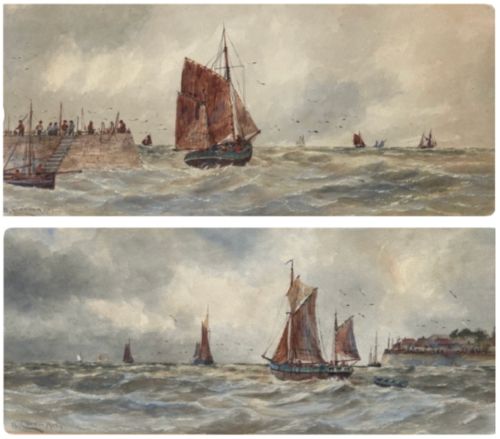
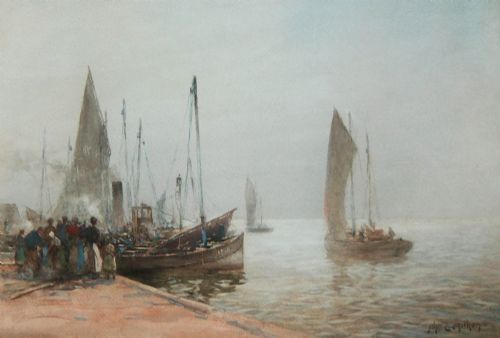
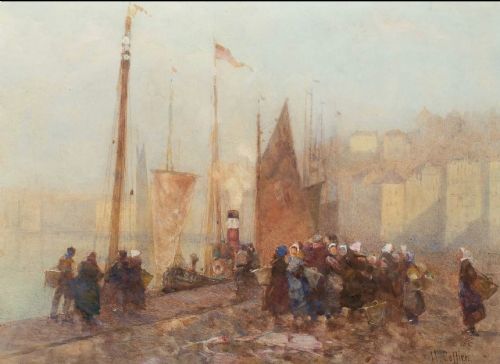
When you search for antique fishing boat art, you encounter maritime scenes capturing coastal vessels and working harbours across Britain and Europe.
Antique Fishing Boat Art
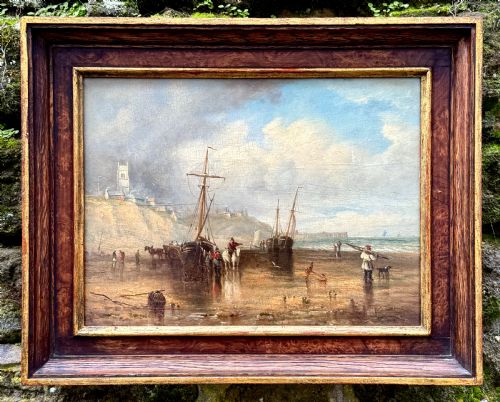
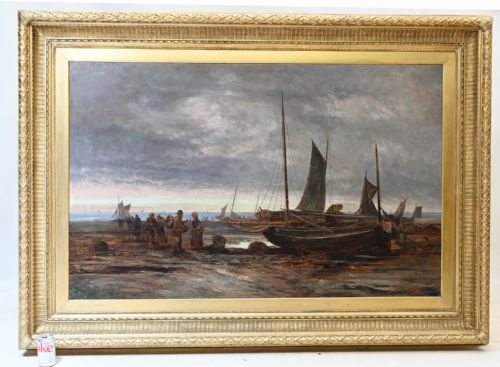
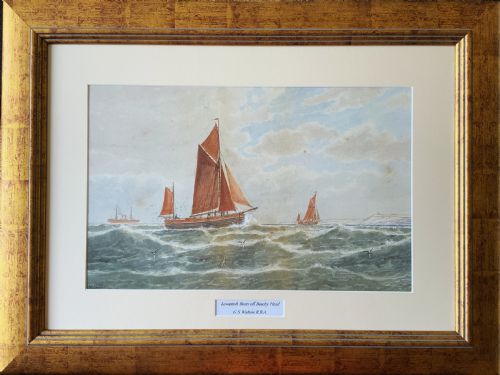
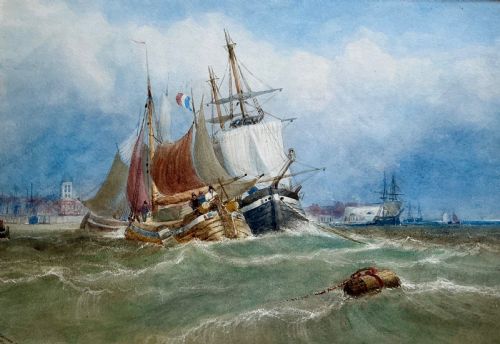
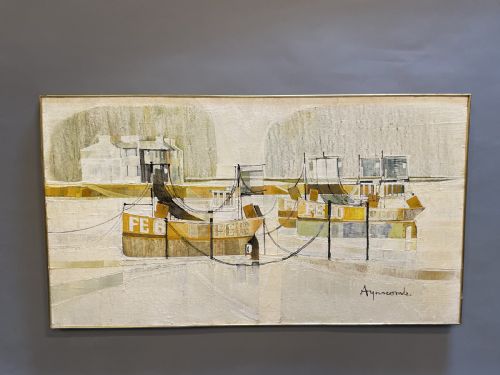
Antique fishing boat art encompasses framed oil paintings, watercolours, and drawings depicting maritime scenes and coastal vessels. These works capture working harbours, stormy seas, and quiet shores from the nineteenth century onwards.
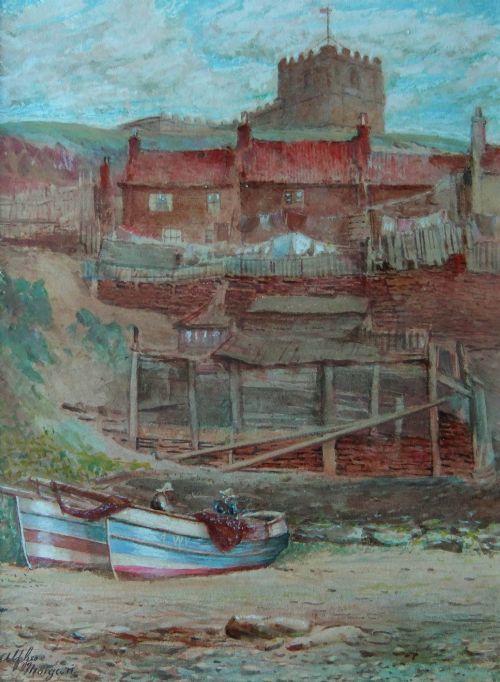
The pieces you meet most often on this page date from the Victorian era into the early twentieth century. Painters of the British and Dutch schools recorded coastal life, often focusing on named locations such as Whitby, St Ives, and Lowestoft.
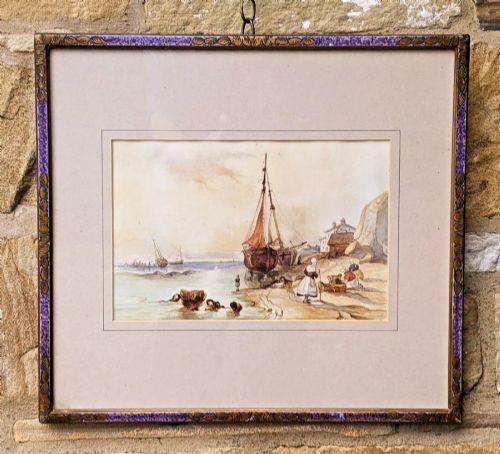
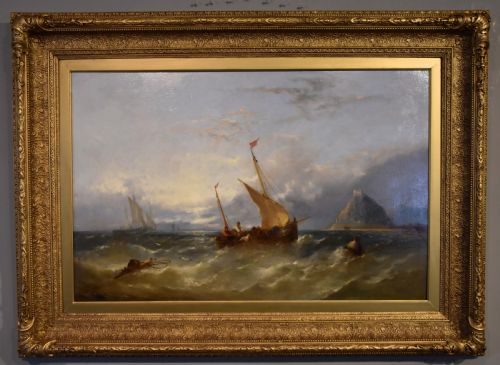
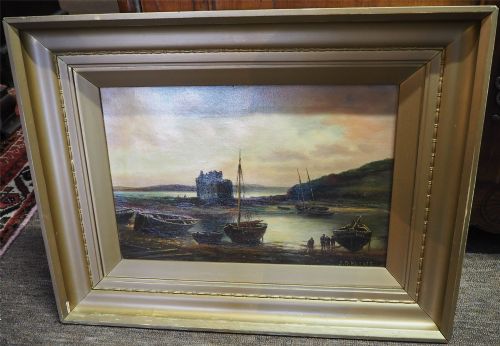
Works range from intimate watercolour studies on paper to large oil paintings on canvas designed for country houses. Subjects concentrate on the daily labour of fishermen, local craft navigating choppy waters, and boats resting at low tide.
How they were made
Artists applied oil paint and watercolour pigment onto supports including canvas, wood panel, card, and paper. Oil works on canvas often display thick impasto to render turbulent water and stormy skies.
Watercolours rely on washes of pigment on paper to capture the luminous atmospheric conditions of coastal light. Many of these surviving works retain their original giltwood or moulded frames.
Listings feature works spanning the nineteenth and twentieth centuries, executed in oil on canvas, wood panel, and watercolour on paper.
What varies in quality
Quality rests in the artist's ability to render maritime movement and atmospheric light with conviction. Stronger pieces convey the weight of water and the correct rigging of working vessels rather than relying on generic formulas.
The handling of scale and compositional depth separates accomplished marine art from standard topographical records. Works by known regional painters exhibit confident brushwork and precise observation of coastal topography.
James Orrock·William Cannon·James E. Aitken·Hector Caffieri·Thomas Creswick·Alfred G. Morgan·William Henry Williamson·George Stanfield Walters·Henry Barlow Carter·Edward Matthew Elliott·Charles Napier Hemy·William Lee Hankey·Gustave De Bréanski·Pieter Cornelis Dommersen·Tom Clough·George Shaw·Thomas Bush Hardy·T.S. Wallis·George Gregory·George Morland·John Bell·Frederick William Hattersley·Ernest F. Hill·George Henry Knight·Sam Bough
The Antique Fishing Boat Art Glossary
- Watercolour
- A painting method where fine pigment is suspended in a water-based solution and applied to paper. It creates luminous washes favoured for coastal light.
- Impasto
- Paint applied thickly to a canvas or panel so that it stands out from the surface. Artists utilise this technique to give texture to turbulent waves.
- Seascape
- A work of art depicting the sea, coastal views, ships, or marine subjects. It forms the primary category for maritime paintings.
- Provenance
- The documented history of ownership for a work of art. It helps establish authenticity and attribution.
Antique Fishing Boat Art: Frequently Asked Questions
What periods do these paintings cover?
The works span from the mid-nineteenth century through the Edwardian era and into the mid-twentieth century. Victorian examples predominate alongside early twentieth-century maritime pieces.
Dates are established through artist signatures, period framing, and stylistic indicators. Most pieces originate from British and Dutch coastal art traditions.
Where were these coastal scenes painted?
Artists painted scenes along popular British fishing ports including Whitby, St Ives, Scarborough, and Lowestoft. Normandy and Dutch harbours also appear frequently in the selection.
Painters often worked <i>en plein air</i> or gathered detailed sketches along the coast before finishing works in their studios.
How should I display antique marine art?
Hang these works away from direct sunlight to protect watercolours and oil pigments from fading. Maintaining stable room humidity preserves both the canvas and the antique frame.
Pairing pieces with traditional decor highlights the maritime character of the subject matter.
Are watercolours as durable as oils?
Watercolours require glass framing to protect the paper and pigment from atmospheric moisture and dust. Oil paintings on canvas are more robust but still benefit from controlled environments.
Both mediums survive well when kept in appropriate indoor conditions.