

Gold Framed Fireplace Mirror
A gold framed fireplace mirror commands the room above a hearth, reflecting light and proportion across the nineteenth-century interior.
Gold Framed Fireplace Mirror
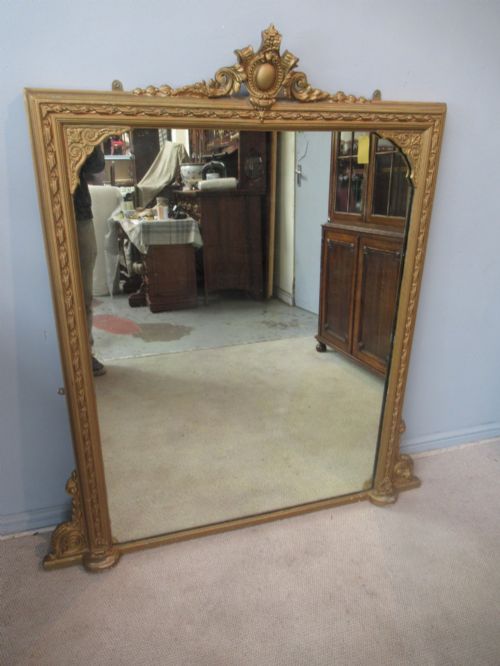
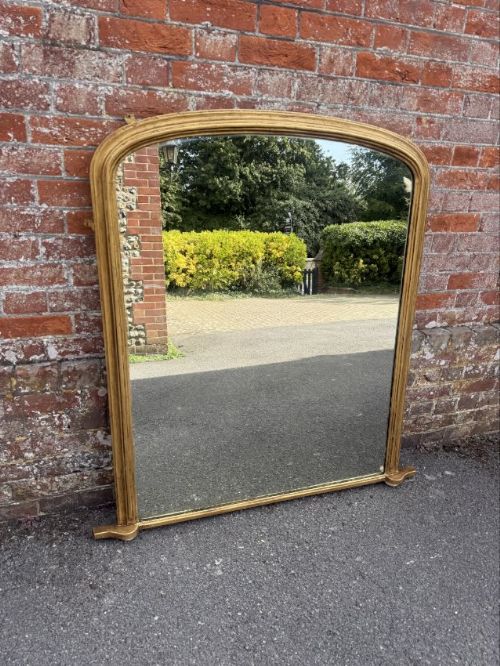
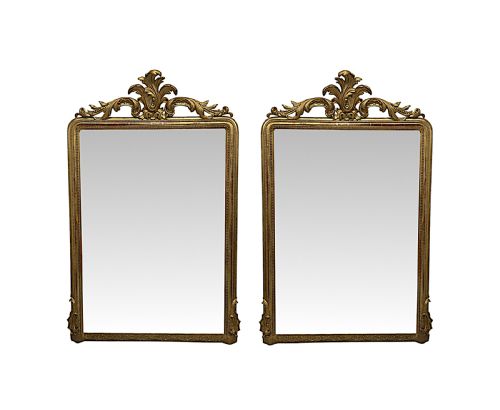
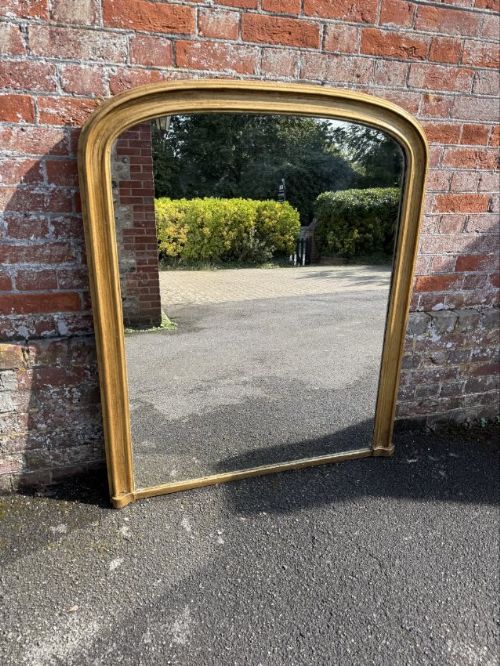
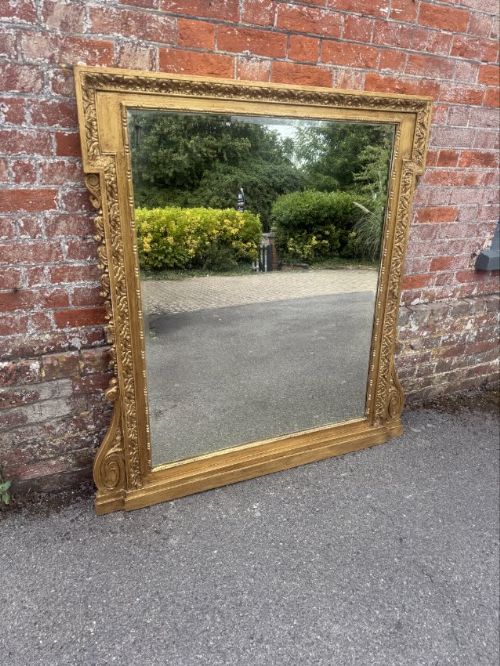
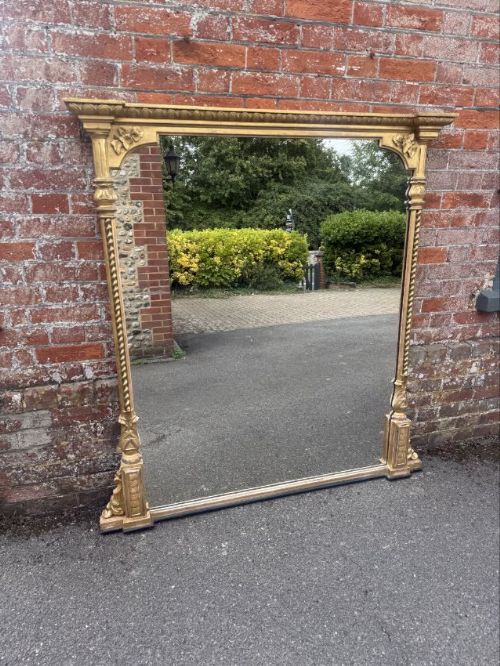
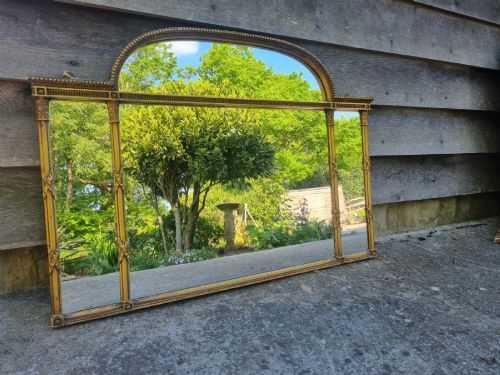
A gold framed fireplace mirror primarily takes the form of an overmantel mirror designed to sit precisely above a domestic hearth. These pieces span the Victorian and Regency periods through to the Edwardian era, with nineteenth-century English and French examples dominating the selection.
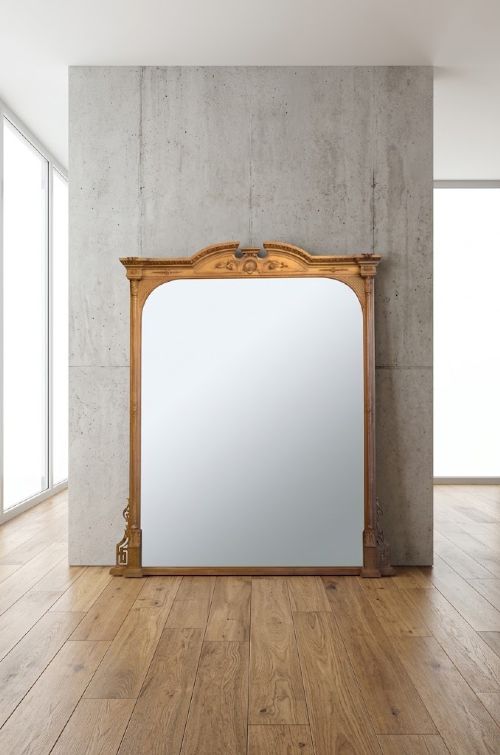
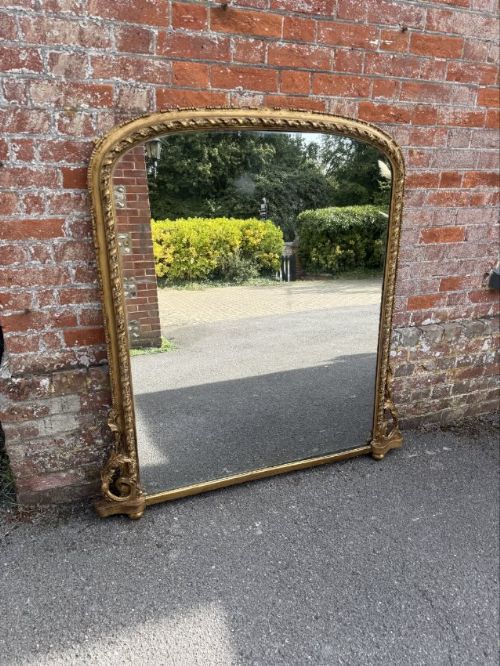
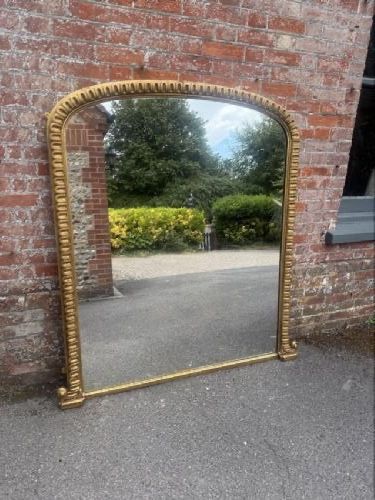
The format is characteristically large and horizontal or arched, built to occupy the broad wall space characteristic of period chimney breasts. Makers constructed these mirrors to amplify natural daylight and cast warmth from the fire across the room.
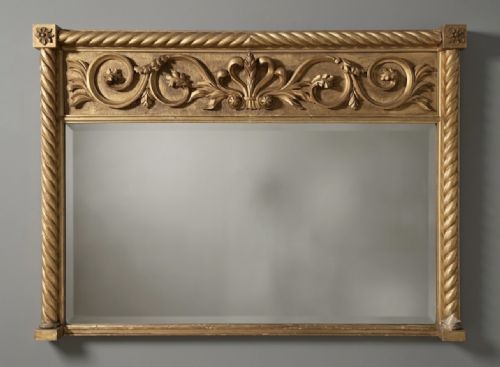
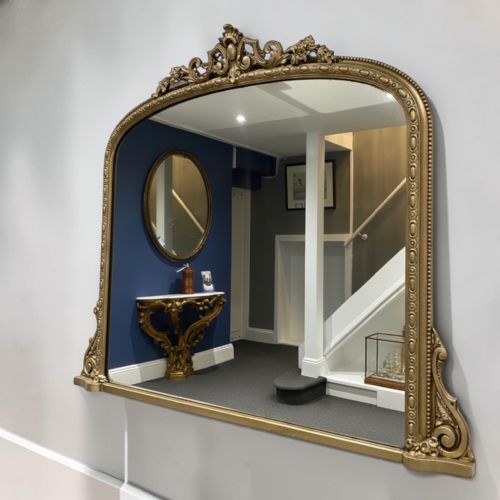
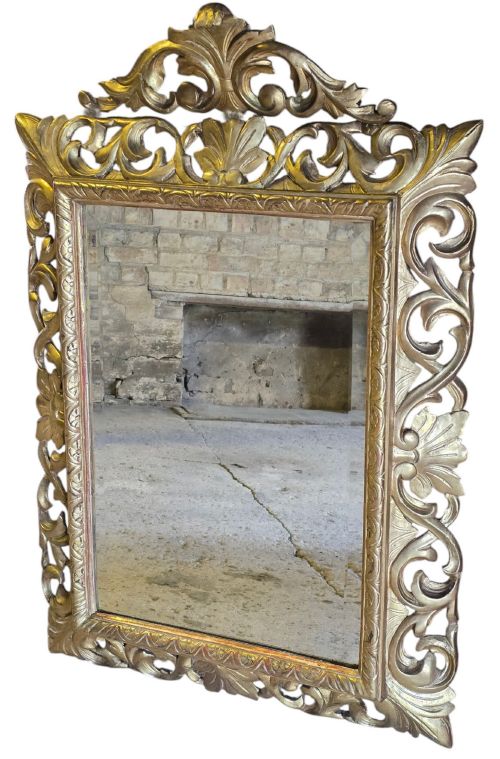
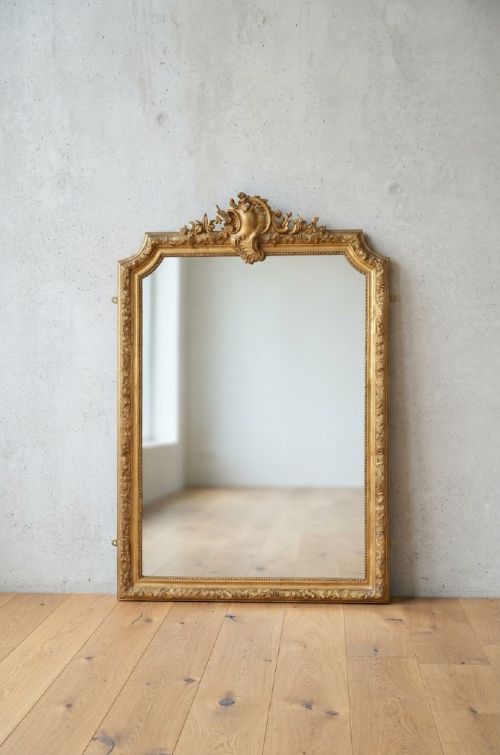
Arched tops, shaped crests, and rectangular frames predominate, often reflecting styles such as Rococo Revival, Neoclassical, and Chinese Chippendale. The typical piece encountered here is a substantial nineteenth-century English or French wall mirror with gilt enrichment.
Materials and construction
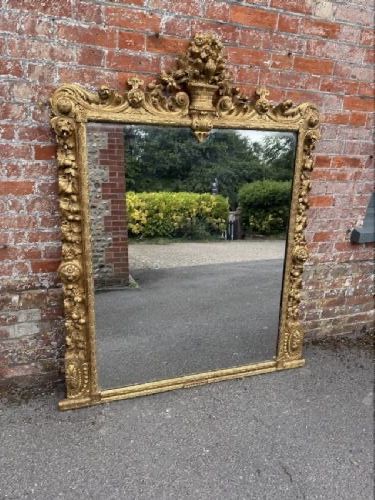
Makers built the foundational framework from carved wood, utilising timber such as pine or hardwood as a structural base. Over this timber, they applied layers of gesso and composition ornamentation to create crisp architectural details and relief motifs.
The reflective surface consists of mirror glass, frequently historic glass displaying natural foxing or age spots from centuries of oxidation. Guilders then finished the surface using gold leaf or liquid gilding over the prepared gesso ground.
Listings feature nineteenth-century English and French pieces utilising carved wood, gesso, composition, and original mirror glass.
Distinctions in quality
The depth and precision of the hand-carved wood and moulded gesso ornamentation set finer pieces apart from standard production. Crisp rope twists, ribbed columns, and intricate floral or crested details indicate superior workshop skill during the Victorian and Regency eras.
Originality of components dictates the standing of a mirror, particularly the survival of the early or original mirror glass with natural foxing. The integrity of the foundational gilding over the gesso further distinguishes the better examples from later re-gilt items.
The Gold Framed Fireplace Mirror Glossary
- Overmantel mirror
- A large mirror specifically proportioned to hang on the wall directly above a fireplace mantelpiece. These horizontal or arched forms dominated nineteenth-century reception rooms.
- Gesso
- A plaster-like mixture applied to wood frames and carved or moulded into intricate decorative reliefs before gilding. It provides the smooth white ground necessary for a bright gold finish.
- Giltwood
- Timber that has been coated with gold leaf or metallic powder applied over a prepared base. This material gives period mirrors their characteristic warm metallic lustre.
- Foxing
- The natural age-related spotting, speckling, or darkening within the silver backing of antique mirror glass. Collectors value this sign of genuine longevity.
- Composition
- A mouldable paste made from whiting, resin, glue, and oil used to press ornamental details onto nineteenth-century frames. It allowed workshops to produce complex decorative motifs efficiently.
Gold Framed Fireplace Mirror: Frequently Asked Questions
How do I hang a heavy overmantel mirror?
These large nineteenth-century frames carry significant weight due to their dense wood and gesso construction. Secure fixing requires attaching directly into the masonry or structural studs of the chimney breast using heavy-duty wall anchors.
Professional installation is strongly advised for mirrors of this scale to ensure the weight distributes safely along the lower mantel ledge or wall brackets.
What periods do these mirrors represent?
The selection spans the Regency era of the early nineteenth century through the height of the Victorian period and into Edwardian times. Nineteenth-century English and French examples form the core of the available pieces.
Stylistic markers such as neoclassical columns, rope twists, and Rococo curves help assign pieces to specific decades between 1830 and 1910.
Are the mirror plates original?
Many pieces retain their original glass, which often exhibits natural foxing, minor clouding, or light blemishes accumulated over generations. These atmospheric irregularities confirm the age of the plate within the antique frame.
Replacement glass occasionally appears in pieces that underwent restoration during their history to maintain structural utility.
How should I clean a gilded frame?
Giltwood and gesso surfaces require gentle maintenance using a soft dry brush to remove dust from the intricate carved crevices. Moisture and modern chemical cleaning agents will damage the fragile gold leaf and composition ornaments.
Preserving the original surface depends entirely on avoiding harsh liquid solvents or abrasive cloths across the metallic finish.