




Gold Enamelled Vase
A gold enamelled vase brings together rich metallic lustre and detailed surface painting, capturing the aesthetic heights of the nineteenth and early twentieth centuries.
Gold Enamelled Vase
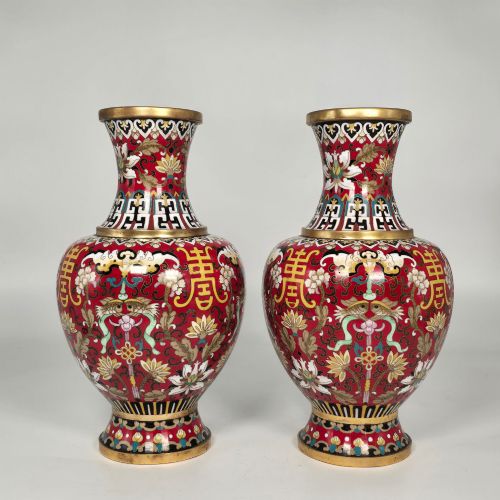
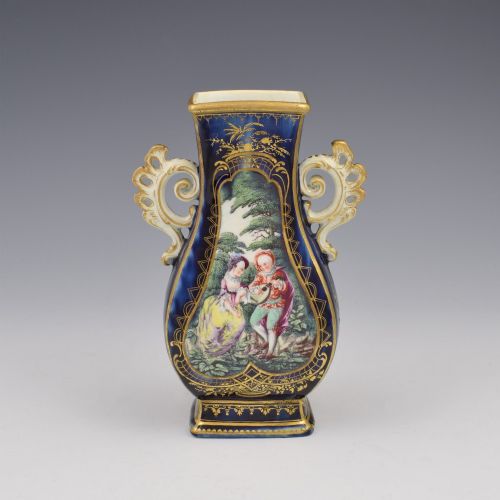
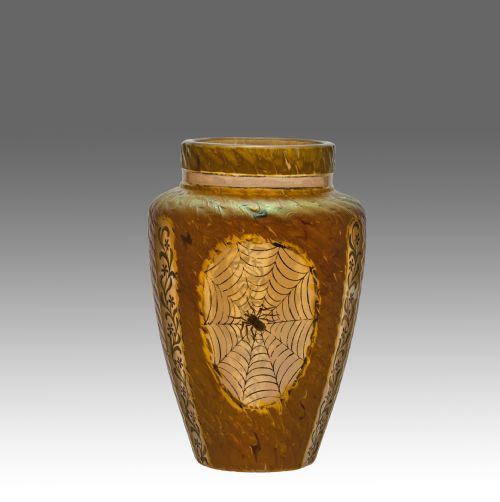
A gold enamelled vase spans various cultural origins and decorative movements, uniting diverse forms under a shared preference for metallic embellishment and coloured glass or ceramic. Buyers searching for a gold enamelled vase encounter pieces ranging from delicate French art glass and English pottery to Japanese earthenware and Chinese cloisonné.
The selection frequently includes nineteenth-century and early twentieth-century examples, with significant representation from the Meiji period and the Edwardian era. Vases and decorative urns dominate the offerings, occasionally accompanied by related forms such as decorative bowls.
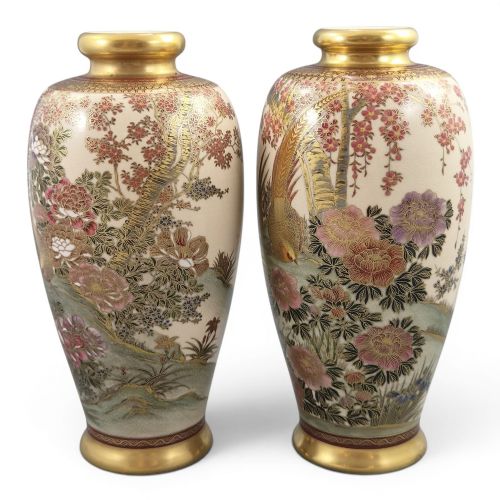
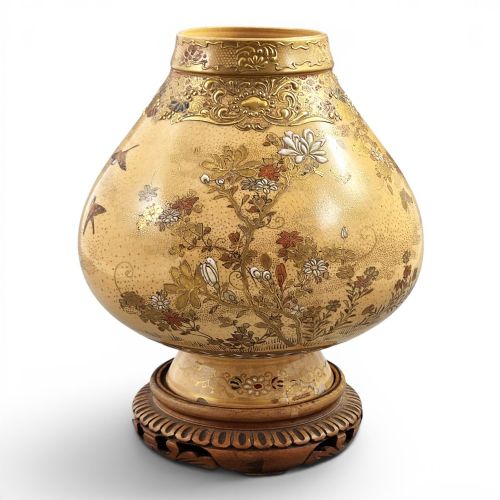
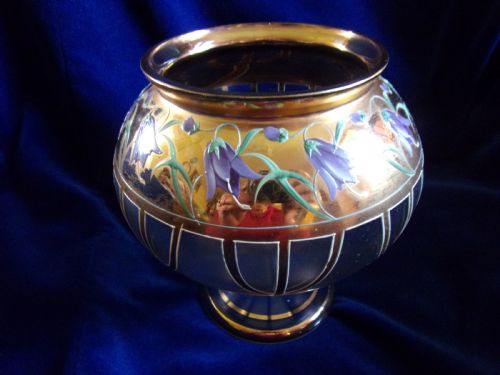
European works often display Art Nouveau plant motifs or Rococo influence, whilst Asian pieces present intricate hand-painted Satsuma and Kutani designs. This variety means buyers can choose between the flowing floral lines of Western glassworks and the structured, gilt-heavy panels of Eastern ceramic traditions.
Materials and construction methods
Makers utilised a combination of ceramic bases, glass bodies, and metal frameworks, applying enamel and gold leaf or gold gilt to the surfaces. Porcelain, soft-paste porcelain, earthenware, and stoneware form the structural bodies for many pieces, whilst others rely on blown crystal and iridescent glass.
Surface decoration frequently involves champlevé metalwork, cloisonné wire techniques, and hand-painted enamel details enriched with heavy gilding or moriage relief work. These methods required precise firing to fuse the glass or enamel colours permanently to the underlying material.
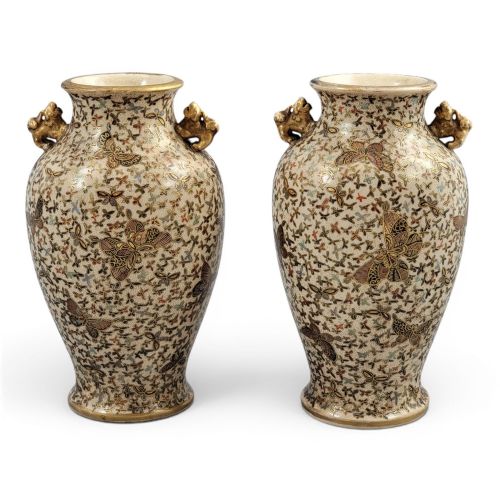
Butterflies appear with surprising frequency across Japanese Satsuma vases, occasionally numbering precisely one thousand per vessel.
Distinguishing quality and execution
The standard of craftsmanship depends on the precision of the hand-painted enamel work and the richness of the gilding applied to the surface. Pieces featuring complex multi-layered motifs, such as detailed botanical scenes or figural panels, reflect a higher degree of artisan skill than simpler repeating patterns.
The integration of the metallic elements with the glass or ceramic body dictates the overall refinement of the piece. Superior examples demonstrate a balanced composition where the gold leaf, gilt bronze, or enamel enhances the form without overwhelming the underlying material.
Kralik Glass·Kinkōzan Workshop·Legras glassworks·St Louis glassworks·Royal Doulton Lambeth·Daum
The Gold Enamelled Vase Glossary
- Moriage
- A type of Japanese ceramic decoration using clay applied in raised patterns before glazing and gilding. This technique creates a distinct three-dimensional texture on the surface of the vessel.
- Champlevé
- An enamelling technique where troughs or cells are carved into a metal surface and filled with vitreous enamel powder before firing. The remaining exposed metal forms the outlines of the design.
- Cloisonné
- An ancient technique for decorating metal object surfaces using strips of metal to form compartments that contain enamel paste. The piece is then fired and polished smooth.
- Soft-paste porcelain
- A ceramic material composed of clay and glass frit, fired at lower temperatures than true hard-paste porcelain. It produces a warm, creamy texture suited to detailed enamel painting.
- Lustre
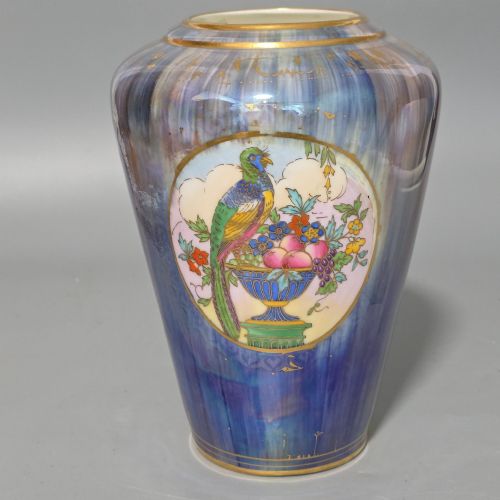
- A type of ceramic glaze containing metallic oxides that produce an iridescent or reflective sheen upon firing. This finish alters appearance depending on the angle of light.
Gold Enamelled Vase: Frequently Asked Questions
How do I date a gold enamelled vase?
Dating relies on identifying the specific stylistic markers, such as Art Nouveau curves or Meiji period motifs, alongside any visible maker marks or workshop signatures on the base.
Material composition also guides the process, as techniques like iridescent glass production and specific pottery bodies align with distinct production decades.
What is Satsuma ware?
Satsuma ware is a type of Japanese pottery traditionally characterised by an ivory-coloured, cracked ice glaze that serves as a canvas for elaborate polychrome enamel and gilt decorations.
These pieces often depict traditional landscapes, floral arrangements, or figural scenes executed with meticulous detail.
How should I clean my vase?
Maintenance requires gentle dusting with a soft, dry cloth to protect delicate gold leaf, enamel surfaces, and raised moriage details from abrasion.
Water and liquid cleaners should be avoided, particularly on antique glass and ceramics with surface gilding that may degrade over time.
Are these vases suitable for holding water?
Most antique decorative vases are intended for display rather than functional use as flower containers, especially those with delicate enamel or gilt elements.
Moisture can seep into unglazed areas or compromise historic glazes and metal mounts over prolonged periods.