
Antique Red Vase
When you search for an antique red vase, you encounter vessels shaped from glass, porcelain, earthenware, and bronze across the nineteenth and twentieth centuries.
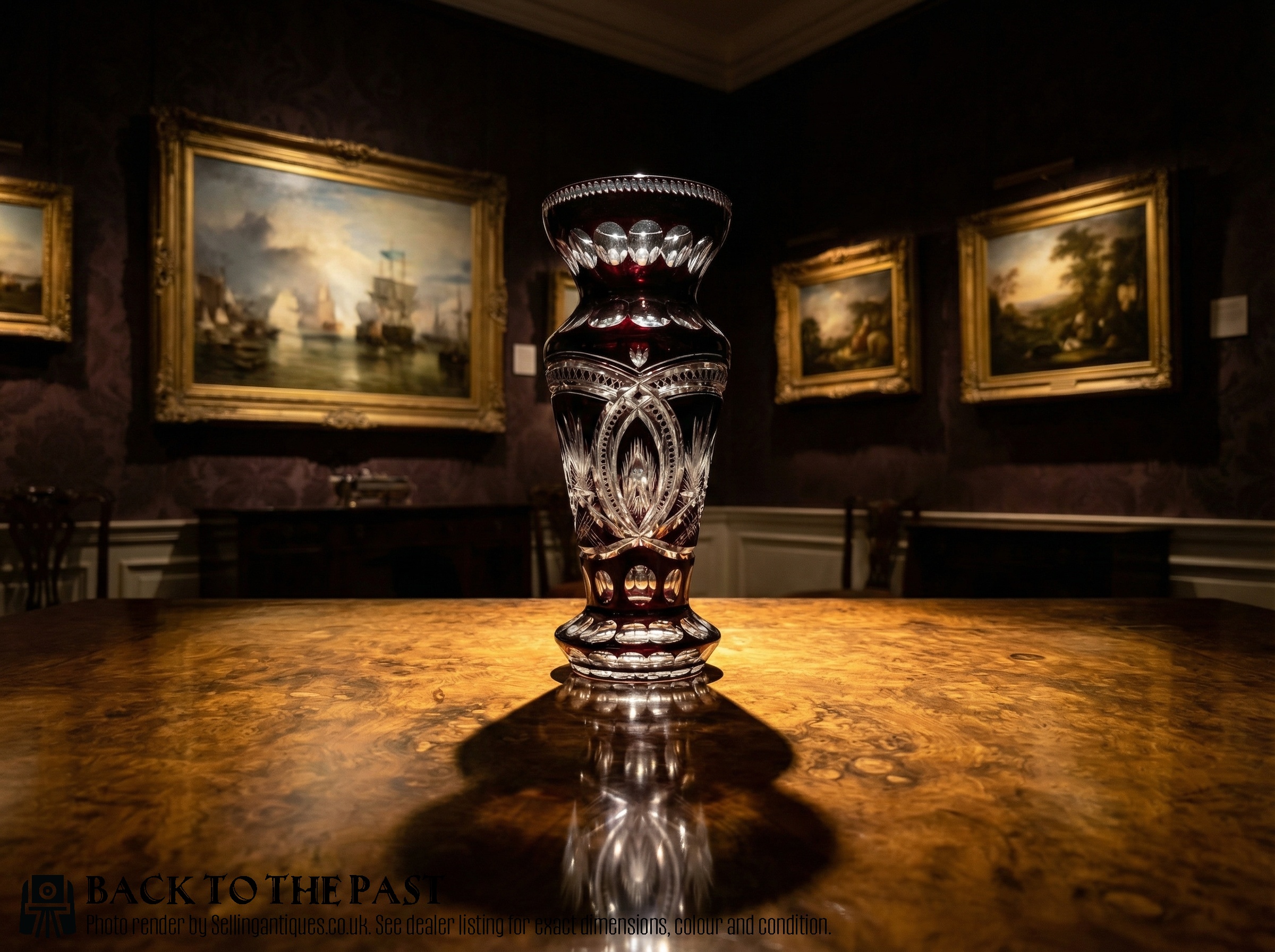
Antique Red Vase
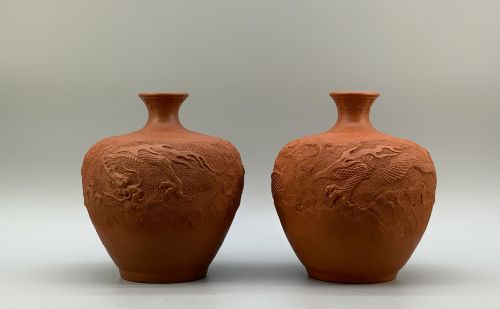
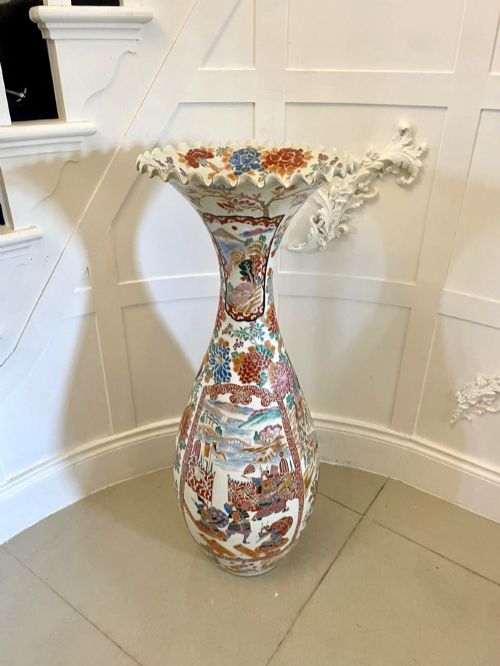
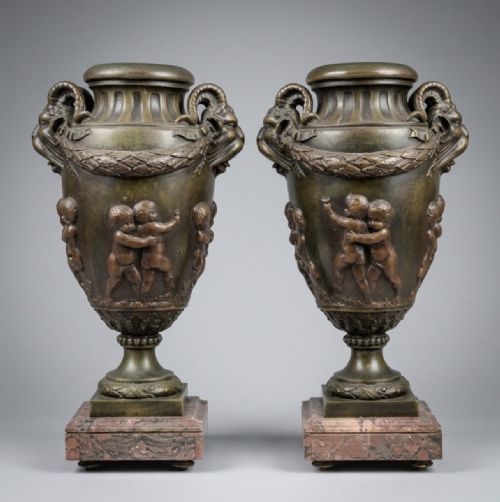
The term antique red vase covers a diverse assortment of ceramic, glass, and metal vessels originating from Japanese, Chinese, and European workshops during the nineteenth and twentieth centuries. These vessels take forms ranging from tall floor-standing cylinders to modest mantle pieces, lidded jars, and sculptural earthenware decorated with figures or dragons.
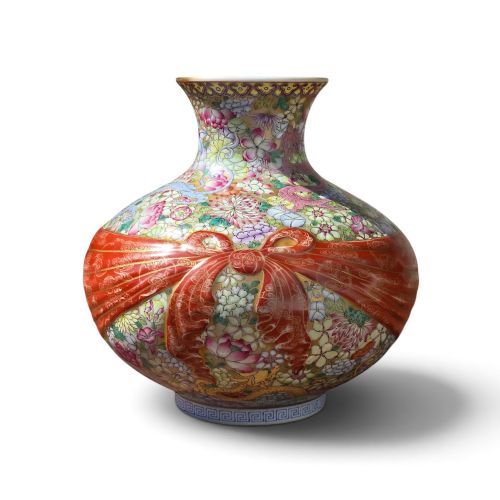
Buyers selecting an antique red vase often look for specific glazing techniques, such as flambe or copper-red underglaze, alongside modelled motifs like dragons, sages, and floral patterns. These pieces function as focal decorative objects in interiors, carrying historical glazing traditions from Asian kilns and European factories.
How they were made
Makers shaped these vessels using traditional throwing, moulding, and casting techniques depending on the material, employing earthenware, stoneware, porcelain, glass, and metals such as bronze, spelter, and cast iron. Ceramic pieces frequently received hand-painted underglaze blue and iron-red pigments, copper-red reactive glazes, or thick tube-lined enamel designs before firing in kilns.
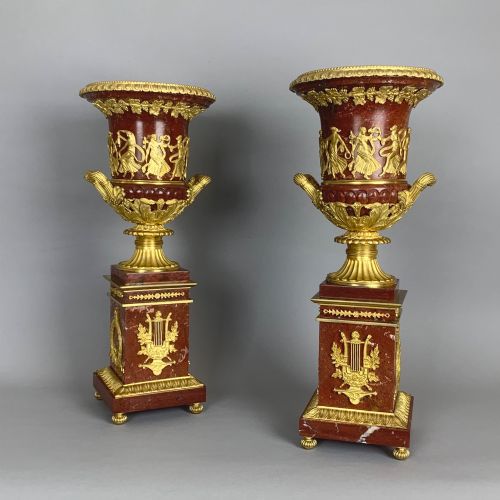
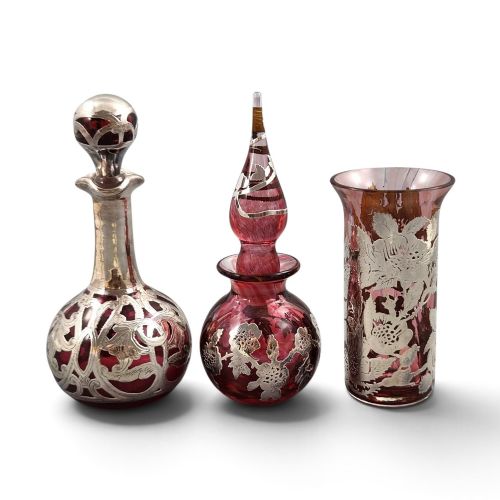
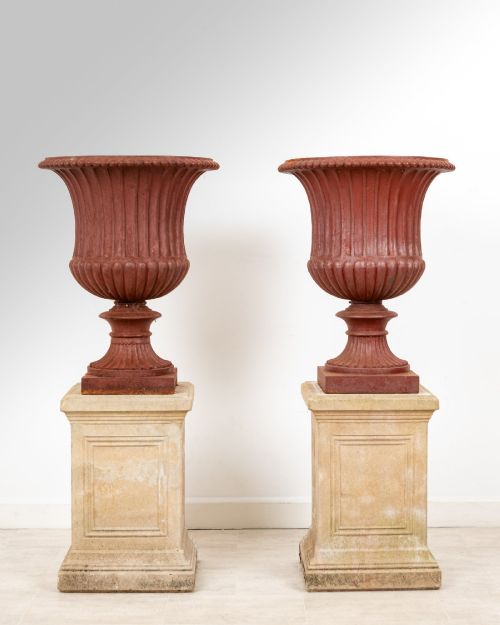
Glass vessels required blowing into moulds or free-blowing, often incorporating layered cameo cutting or ruby staining techniques to achieve deep coloration. Metal components, including decorative mounts and cast iron urns, utilised founding methods followed by chasing, patination, or the application of gold leaf and gilt bronze.
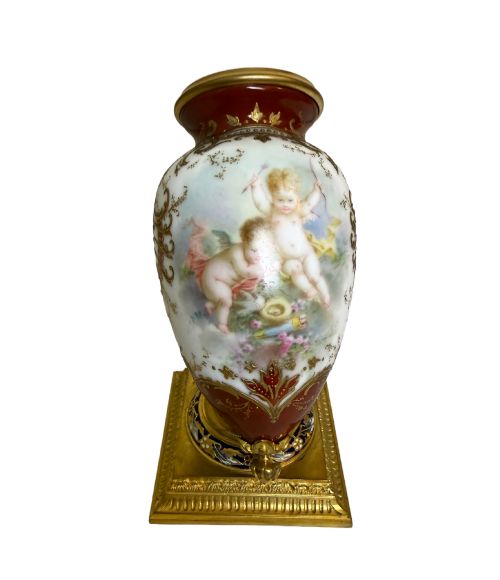
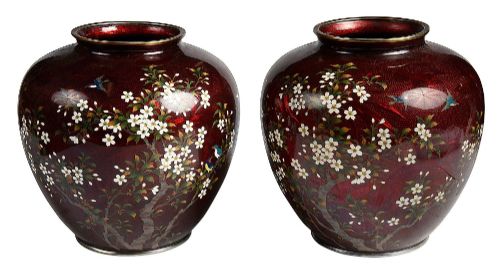
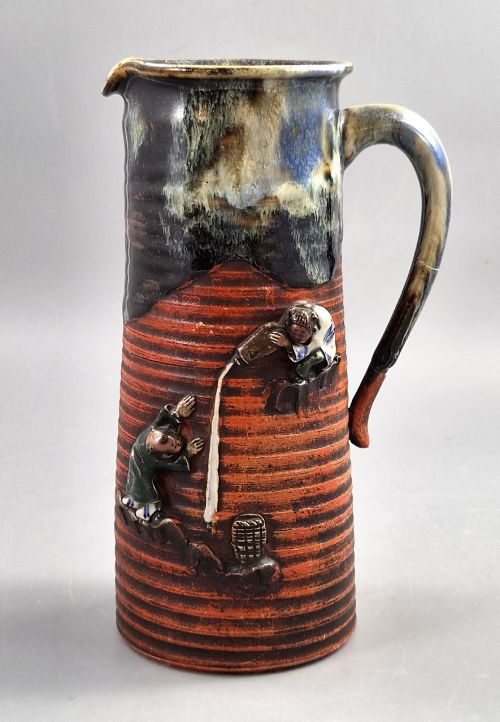
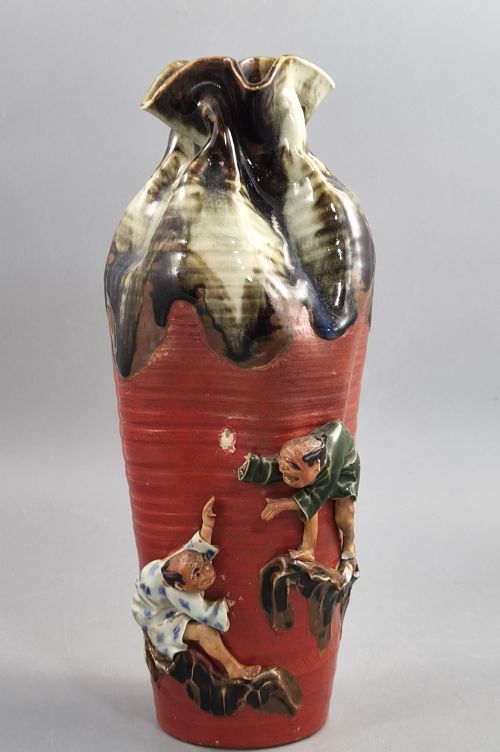
Surface ornamentation involved varied artisan skills, from the applied sculptural figures characteristic of Sumida Gawa pottery to intricate gilding, cloisonne wirework, and hand-painted porcelain portraits set against rich red ground colours.
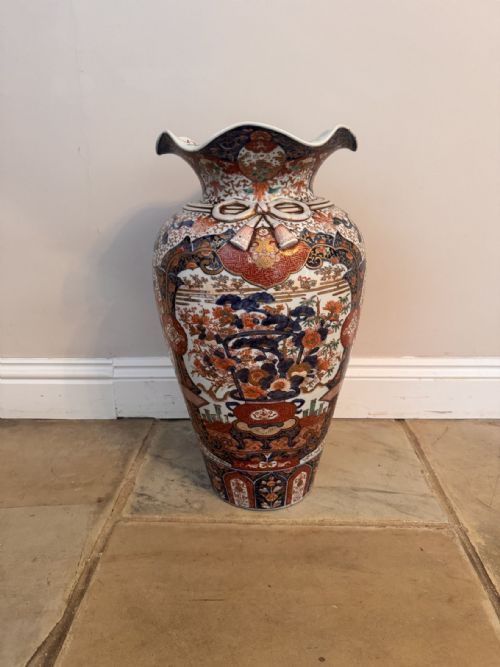
Japanese ceramic contributions range from early Imari porcelain and Kutani wares to sculptural Meiji period Sumida Gawa pottery featuring climbing figures.
What varies in quality
Quality in these vessels rests on the precision of the artisan's hand and the control of the medium during formation and firing. In ceramics and glass, superior examples demonstrate deliberate control over reactive glazes, clean lines in painted or tube-lined motifs, and crisp definition in moulded or carved surface details.
Material composition and finishing define the upper tier of the range. Bronze and metal mounts exhibit sharp chasing and secure assembly, while porcelain and pottery display balanced proportions, even coloration without muddying in the red glazes, and clear signatures or studio marks indicating accomplished workmanship.
Inoue Ryosai·Martial Redon·Alfred Stellmacher·Harry Powell·Galle
The Antique Red Vase Glossary
- Imari
- A style of Japanese porcelain decorated in underglaze blue, iron-red, and gold, originating from the Arita area. These wares gained significant popularity for export throughout the nineteenth century.
- Flambe
- A smooth, streaky glaze produced by metallic oxides undergoing reduction firing in a kiln, resulting in fluid transitions of colour often seen in deep reds and purples.
- Cloisonne
- A decorative metalwork technique where thin metal wires form raised barriers on a surface to create cells filled with enamel paste before firing.
- Spelter
- An alloy of zinc used as a less expensive alternative to bronze for casting sculptural urns and figures, frequently given a bronze-coloured metallic finish.
- Tube-lining
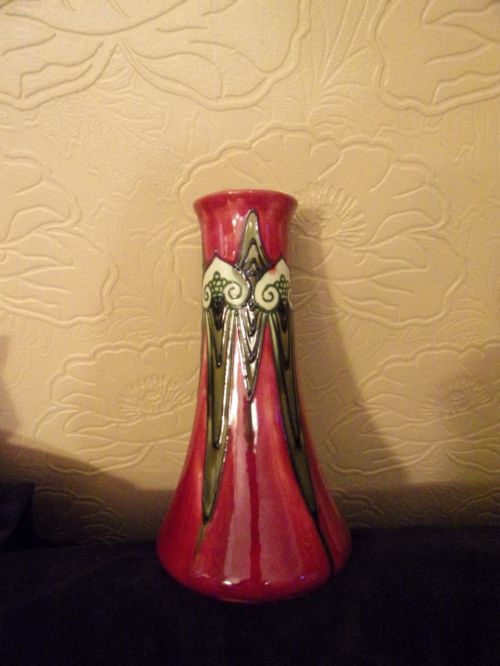
- A ceramic decoration method where slip is squeezed from a nozzle through a fine tube to build up raised outlines for coloured glazes, prominent in Edwardian art pottery.
Antique Red Vase: Frequently Asked Questions
What is Sumida Gawa pottery?
Sumida Gawa pottery originates from Japanese kilns active during the Meiji and Taisho periods, characterised by heavily textured, melting glazes and applied sculptural figures. These pieces often depict traditional scenes, sages, or animals climbing along the rims of vases and pitchers.
The style is distinct from standard porcelain production due to its rough, hand-modelled appearance and use of fluid blue and red flambe effects over earthy clay bodies.
How do I identify Imari ceramics?
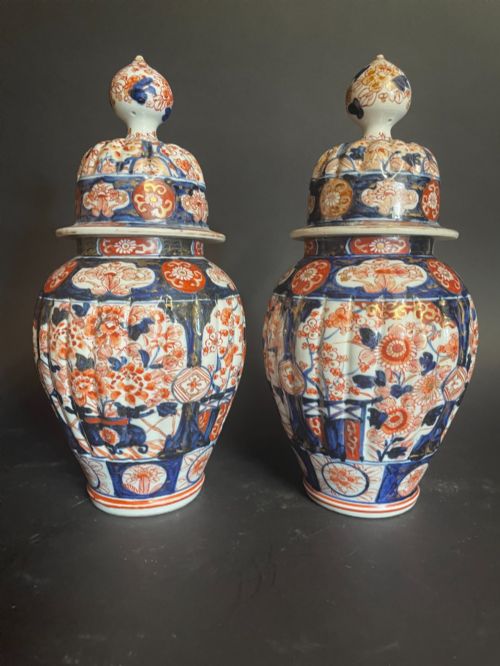
Imari ceramics are traditionally recognised by a distinct palette combining underglaze cobalt blue and vibrant iron-red, frequently accented with gilding. They were produced extensively in Japan for both domestic use and Western export.
Designs typically feature dense floral, geometric, or narrative motifs arranged across plates, jars, and large floor-standing vases.
What is ruby glass?
Ruby glass is a deep red glassware created by adding gold chloride or copper compounds to the molten glass batch during production. It became particularly popular during the Victorian era for decorative lustres, stem vases, and glassware sets.
The depth of the red colour can vary depending on the exact mineral formula and the thickness of the glass wall.
How were bronze mounts used on vases?
Bronze and gilt bronze mounts were frequently added to porcelain and ceramic vessels, particularly in French decorative arts from the nineteenth century. These metal fittings provided structural support, handles, or decorative rims to otherwise fragile ceramic bodies.
Craftsmen cast and chased these mounts to complement the curves and styles of the underlying vases, ranging from Neoclassical to Empire designs.