



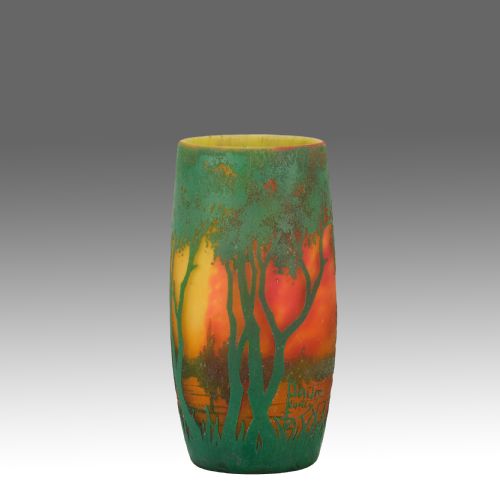

Red French Vase
These red french vase examples bring together rich ruby tones and fine European craftsmanship, offering a striking focal point for any interior.
Red French Vase
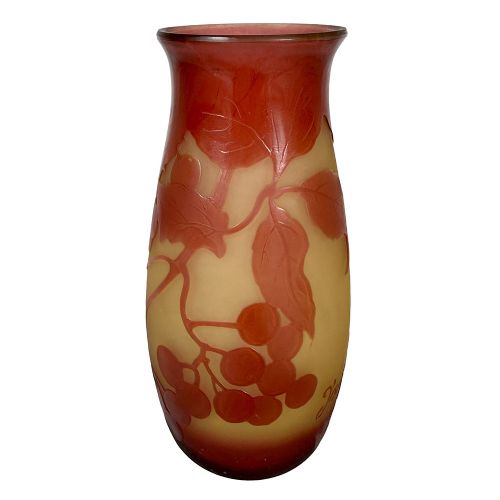
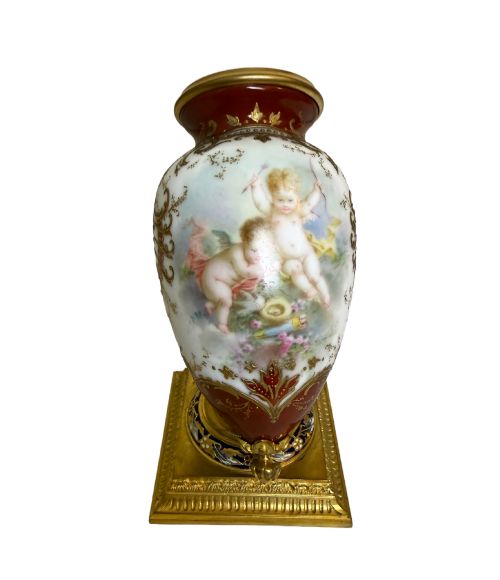
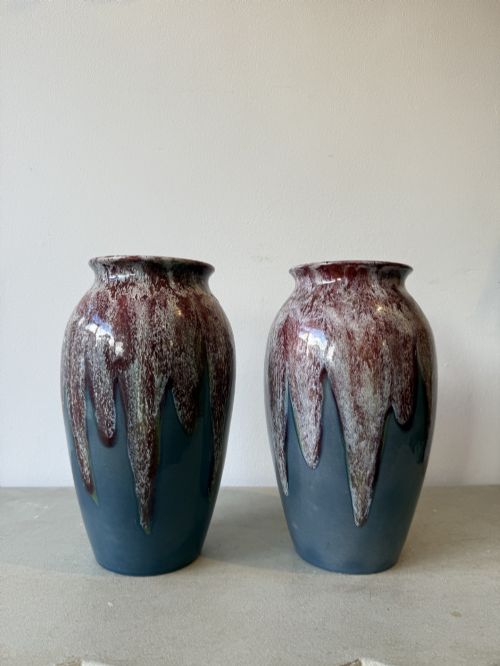
A red french vase encompasses a diverse group of ornamental vessels originating from France, spanning periods from the eighteenth century through to the twentieth century. When searching for a red french vase, buyers commonly encounter pieces executed in rich ruby glass, crimson porcelain, and variegated red marble.
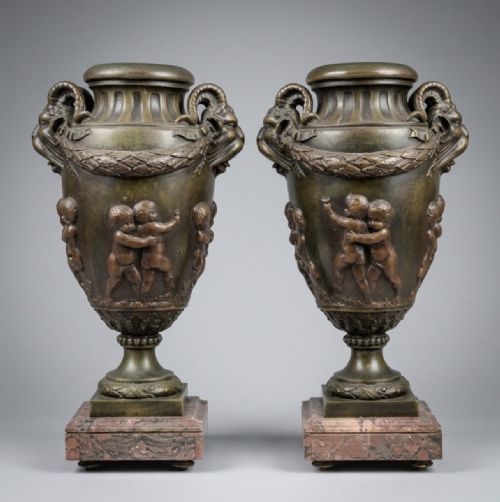
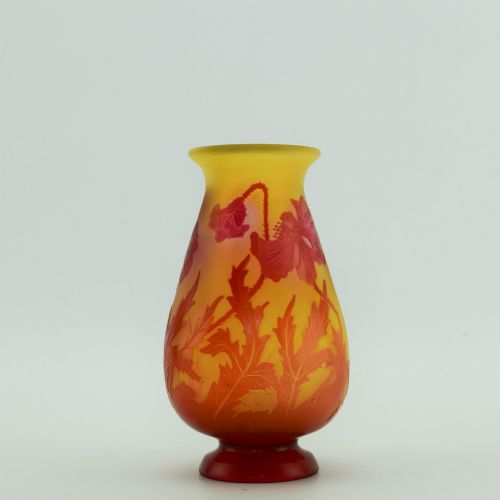
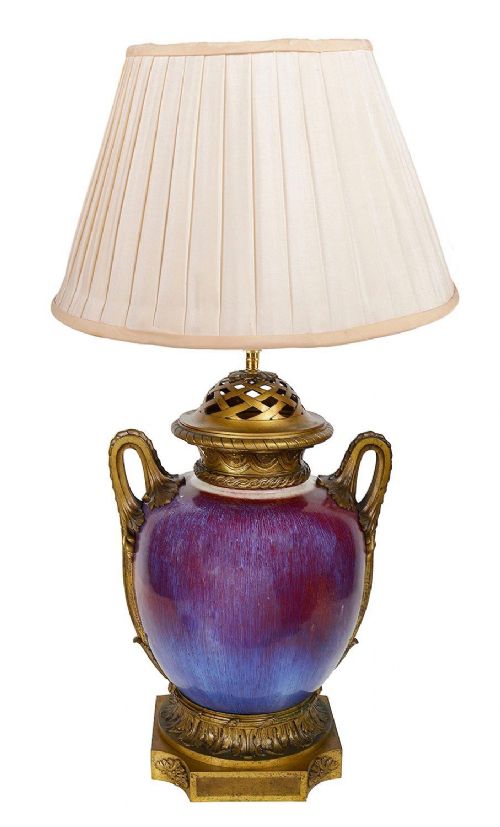
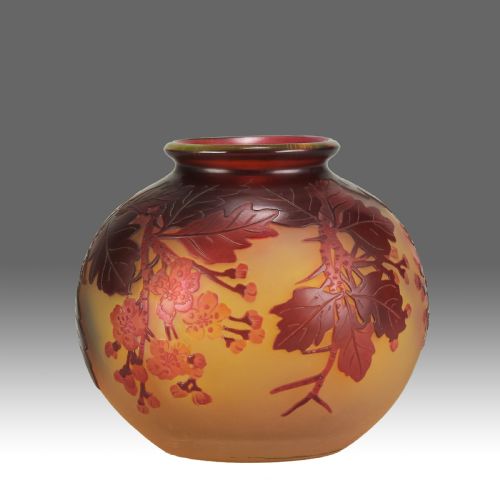
The selection ranges from nineteenth-century porcelain and gilt bronze mounts to early twentieth-century cameo glass creations by prominent makers. Forms extend beyond standard vessels to include decorative urns, lidded cassolettes, and table lamps.
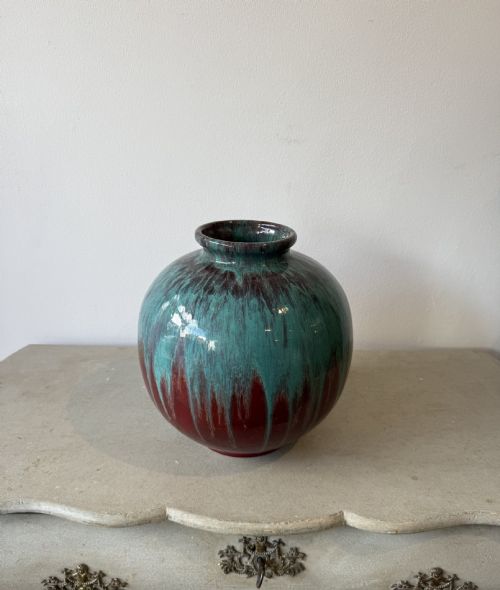
Art Nouveau and French Empire styles predominate amongst these crimson vessels, frequently integrating naturalistic botanical motifs or classical architectural lines. Ceramic examples also appear alongside glass and stone, reflecting the varied output of French workshops across different decades.
Factors influencing quality
The distinction between standard production pieces and superior examples lies in the crispness of the carving and the depth of the cameo layers. Finely detailed acid-etching and precise hand-gilding elevate a piece above simpler output.
The integration of materials also dictates quality, particularly in how securely bronze or ormolu mounts fit stone and ceramic bodies. Heavier gauge metalwork and genuine marble or quartz bases separate high-end decorative urns from lesser alternatives.
Several vases carry floral names like poppy and apple blossom, permanently capturing a French spring inside heavy red glass.
Galle·Daum Freres·Paul Nicholas·Baccarat·Sevres·D'Argental
The Red French Vase Glossary
- Cameo glass
- A form of luxury glassware produced by fusing layers of different coloured glass together before carving or acid-etching the design. This technique allows the upper layer to form contrasting patterns against the background.
- Ormolu
- A metallic technique involving the application of a finely ground, high-carat gold-mercury amalgam to an object of cast bronze. It provides a rich golden finish frequently seen on nineteenth-century French mounts.
- Cassolette
- A decorative vessel shaped like an urn, featuring a reversible lid that functions either as a solid cover or a holder for incense. These pieces often incorporate marble bodies with gilt bronze mounts.
- Sang de boeuf
- A deep red ceramic glaze featuring iron oxides fired in a reducing atmosphere. The rich ox-blood colour appears on various porcelain and pottery vessels.
- Spelter
- A zinc alloy frequently used as a substitute for bronze in nineteenth-century decorative figures and urns. It is typically given a bronze-coloured surface finish.
Red French Vase: Frequently Asked Questions
What is ormolu?
Ormolu refers to gilded bronze mounts applied to nineteenth-century decorative urns, vases, and cassolettes. The process creates a bright golden appearance that contrasts against marble or ceramic bodies.
Genuine period mounts display crisp hand-chasing details rather than the soft edges typical of modern cast reproductions. This metalwork adds structural weight and visual elegance to the piece.
How should I display a heavy stone urn?
Marble and quartz urns require sturdy furniture with a stable, level surface to support their substantial weight safely. Placing them away from busy household pathways prevents accidental knocks against fragile handles or protruding bronze mounts.
Keep these vessels out of direct sunlight to protect coloured marble finishes and any delicate surface gilding over time. Regular dusting with a soft, dry cloth is sufficient for routine maintenance.
How do I date an antique vase?
Dating relies on observing a combination of manufacturing techniques, material choices, and stylistic markers such as Art Nouveau curves or Empire classical symmetry. Signatures, factory marks, and registration numbers stamped or painted on the base provide concrete clues.
Comparing the wear patterns on the base with the condition of the upper body also helps confirm the age of the piece. Subtle variations in hand-finishing point towards specific historical periods.