





Gold Cushion Mirror
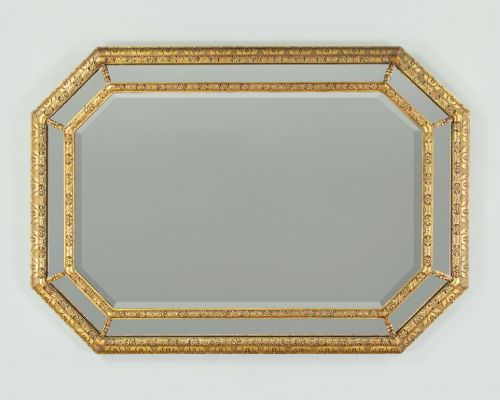
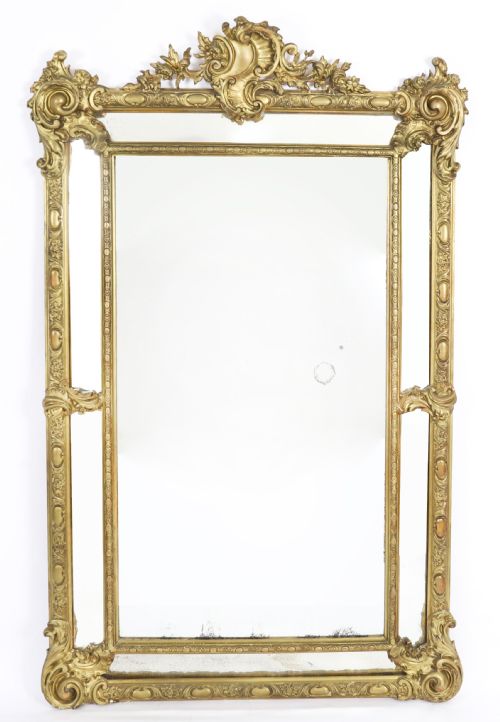
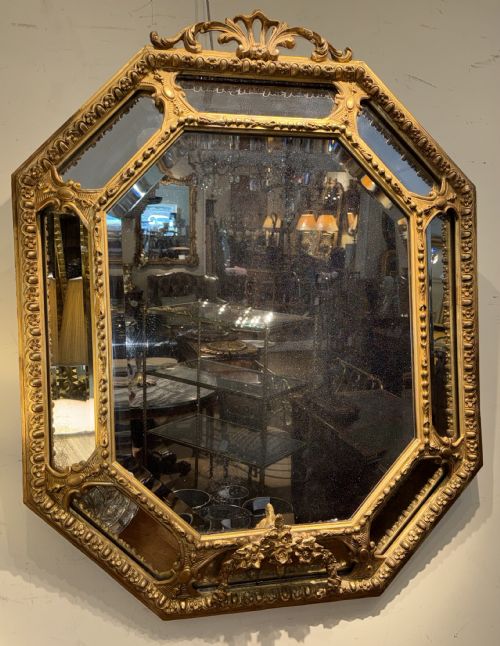
A gold cushion mirror brings deep architectural profile and reflected light to a room, drawing the eye with its rounded, projecting frame.
Gold Cushion Mirror
A gold cushion mirror presents a distinctive convex or sloping frame profile that swells outward toward the outer edge, creating a pronounced three-dimensional form. When you search for a gold cushion mirror, you encounter pieces spanning the nineteenth century, including Regency, Victorian, and Louis Philippe periods.
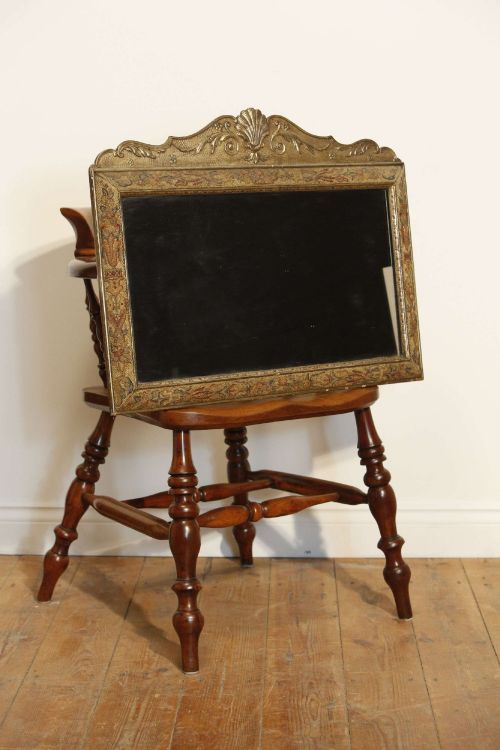
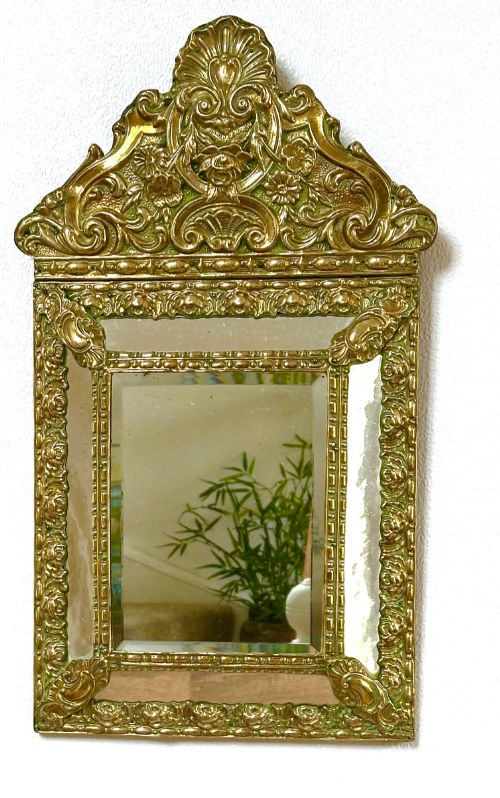
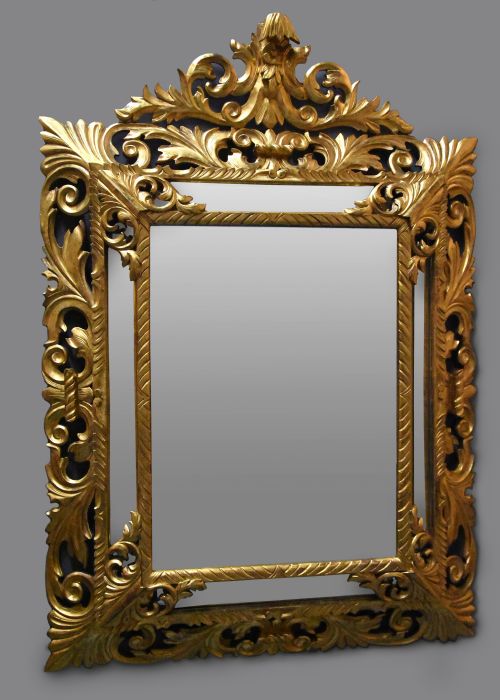
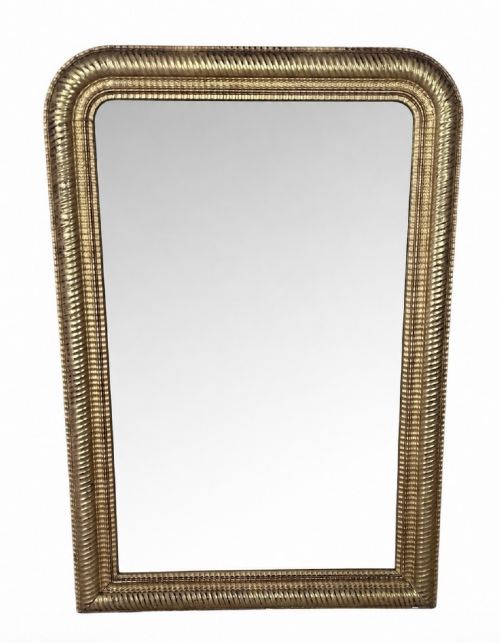
The form appears frequently in French and Italian designs, often manifesting as wall mirrors or large overmantles with rich gilded surfaces. These pieces range from restrained ripple frames to heavily carved Italian giltwood and repousse brass constructions.
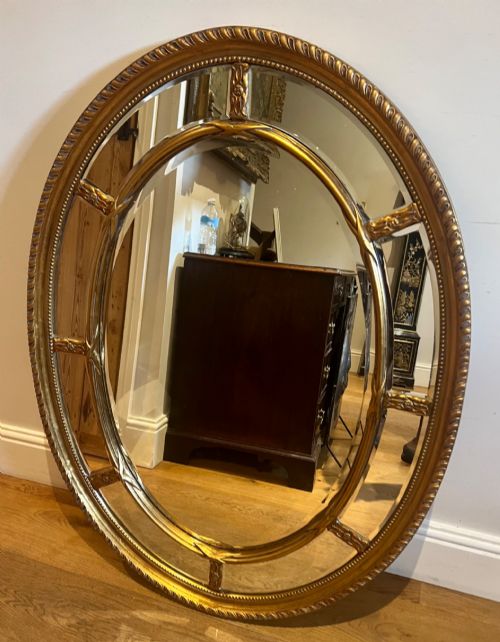
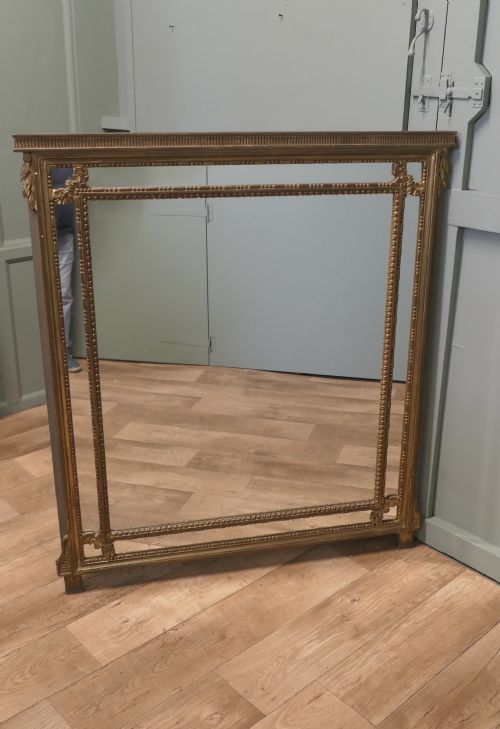
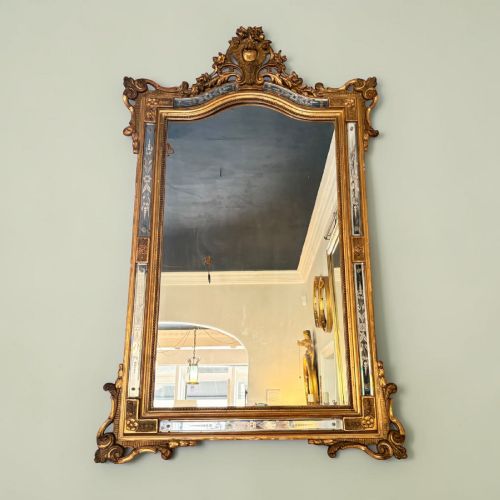
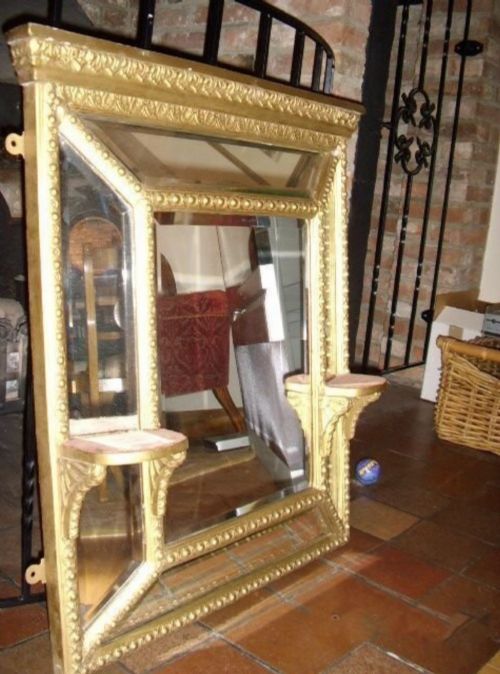
Many examples feature bevelled glass plates, marginal plates, or ornate crests that anchor the convex wooden or brass framework. The visual weight of the cushion shape allows these mirrors to function as primary focal points within traditional and revival interiors.
Materials and Construction
Maker's workshops built these frames using timber, gesso, and brass, applying gold leaf or liquid gilding to the surfaces to create a luminous finish. Wood carvers shaped the complex curves of the cushion profile before applying layers of gesso to receive the gold leaf.
Metal versions utilise pressed brass or repousse techniques over wooden or iron armatures, resulting in embossed patterns and textured borders. Glass plates, including mercury glass and bevel cut mirror glass, were hand-set into the frames alongside marginal panels.
Gold Cushion Mirror Retail Price Guide 2026
Typical asking prices for gold cushion mirror among the pieces listed under this phrase on Sellingantiques today, from the lower quarter to the upper quarter. They describe what is for sale here now, not the wider market.
Some nineteenth-century brass frames managed to smuggle dragons and crests onto the living room wall.
Evaluating Quality and Execution
The distinction between ordinary and exceptional pieces lies in the depth of the carving and the purity of the gilding. Hand-carved giltwood frames with layered gesso show crispness in the ornament that moulded compositions lack.
Original mirror plates with natural ageing, mercury silvering, and clean bevel cuts retain higher authenticity than later replacements. The structural integrity of the corner mitres and the retention of the original backing boards indicate superior workshop standards.
The Gold Cushion Mirror Glossary
- Cushion mirror
- A mirror featuring a convex, sloping frame that swells outward toward the edges like a pillow. This profile defines the optical depth of the piece.
- Giltwood
- Timber coated with a thin layer of gold leaf over a prepared gesso ground. It provides a warm, reflective metallic surface.
- Repousse
- Metalwork shaped by hammering from the reverse side to form raised decorative patterns on the front. This technique appears on brass cushion frames.
- Marginal plate
- Smaller secondary mirror sections surrounding a larger central glass plate, held within the frame border. They create a faceted reflection.
- Louis Philippe
- A mid-nineteenth-century French style characterised by restrained curves, rounded top corners, and simple gilded mouldings. It balances elegance with utility.
Gold Cushion Mirror: Frequently Asked Questions
Where should I hang a cushion mirror?
These pieces suit positions above mantelpieces, console tables, or principal entrance halls where their reflective depth expands the spatial volume.
The substantial profile requires secure wall fixings attached directly to structural masonry or substantial timber studs rather than standard plasterboard.
How do I clean an antique gilt frame?
Dust the gilded surfaces gently with a soft, dry ostrich feather duster to remove loose particles without disturbing delicate gesso or leaf.
Avoid all liquid cleaners, abrasive cloths, and chemical sprays, as moisture strips nineteenth-century gold leaf and damages the underlying preparation layers.
Are these mirrors original or reproduction?
The pieces recorded here originate primarily from the nineteenth and early twentieth centuries, constructed using period manufacturing techniques and materials.
Examination of the timber backing, hand-cut joinery, and natural foxing on the glass plate confirms the age and historical provenance of each item.
What is the difference between French and Italian styles?
French designs from the nineteenth century tend to favor smooth ripple mouldings or subtle Louis Philippe curves with restrained crests and clean lines.
Italian examples often exhibit deeper carving, baroque revival motifs, and elaborate floral ornament executed in heavy giltwood.