

Gold Ceramic Dish
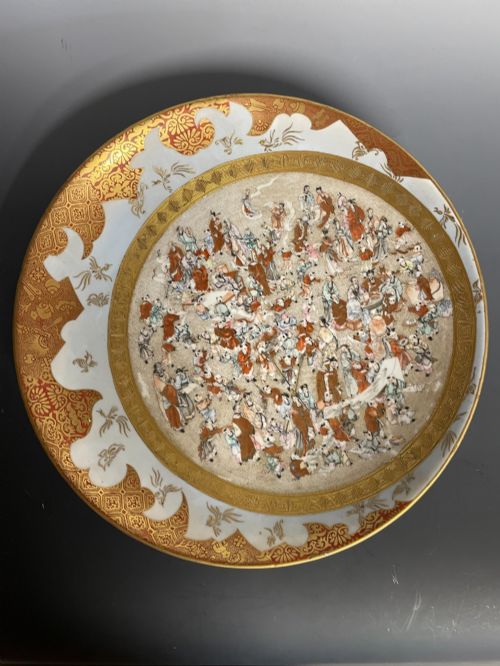
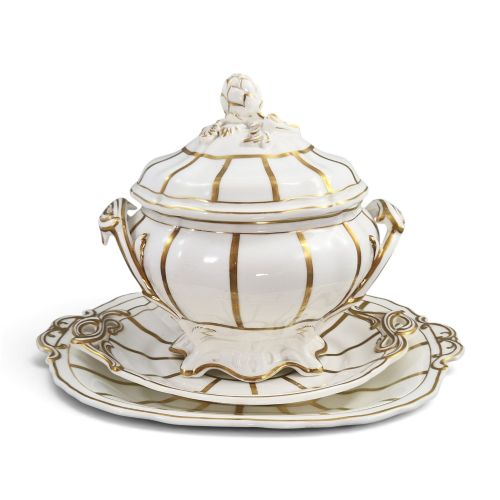
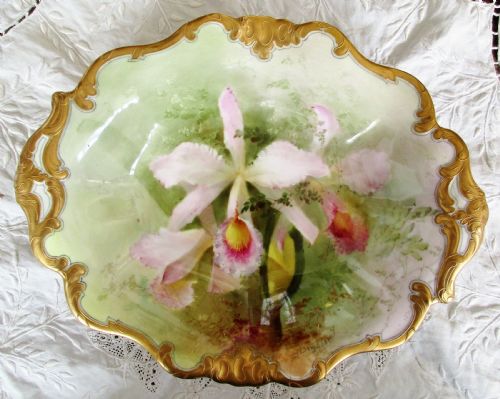
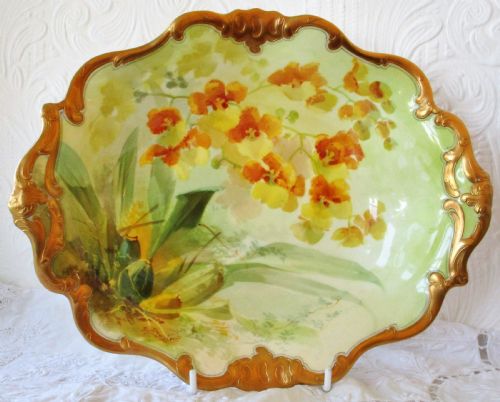
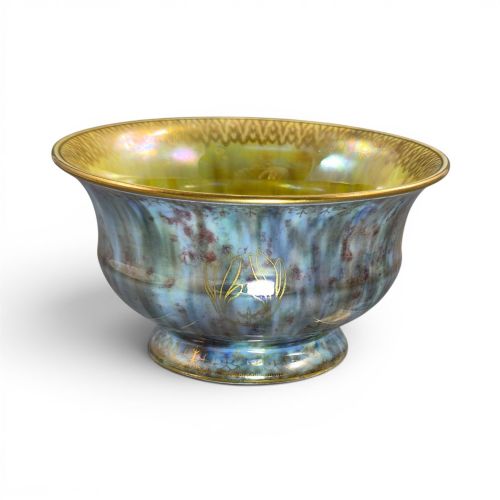
A gold ceramic dish brings together porcelain, earthenware and fine metal leaf to create a striking focal point for a cabinet or table.
Gold Ceramic Dish
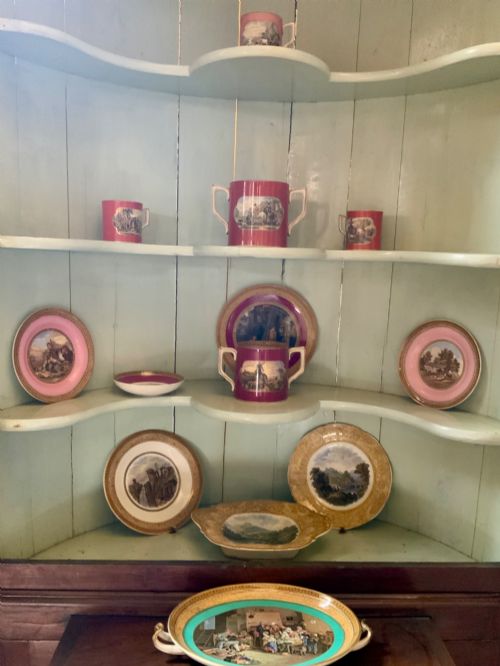
A gold ceramic dish encompasses a variety of decorative plates, bowls, serving dishes and tureens produced across the nineteenth and early twentieth centuries. These pieces span English bone china, French porcelain and Japanese earthenware, reflecting diverse ceramic traditions from Georgian origins through to the Art Deco era.
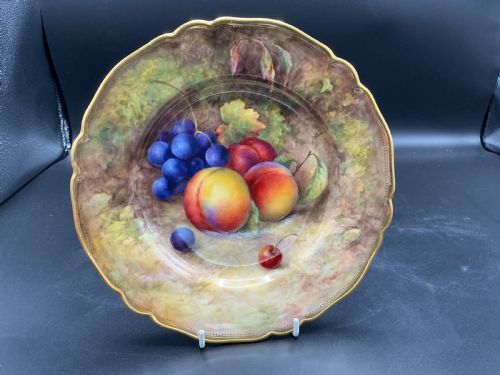
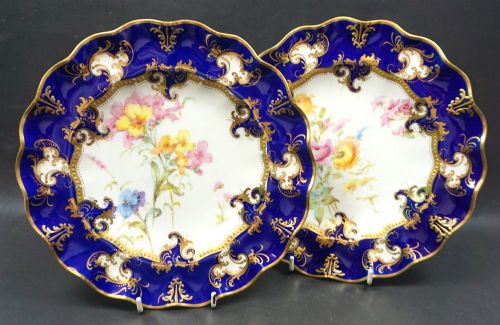
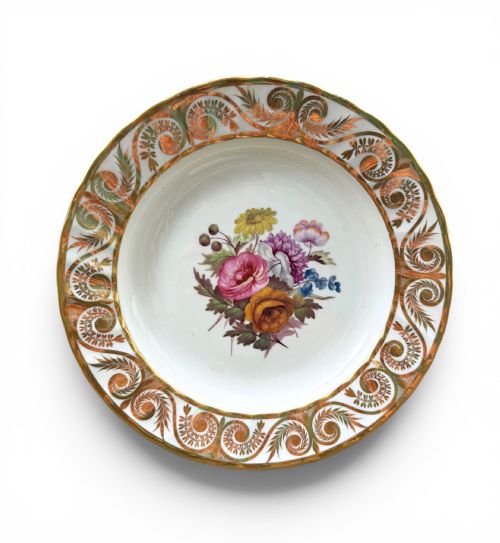
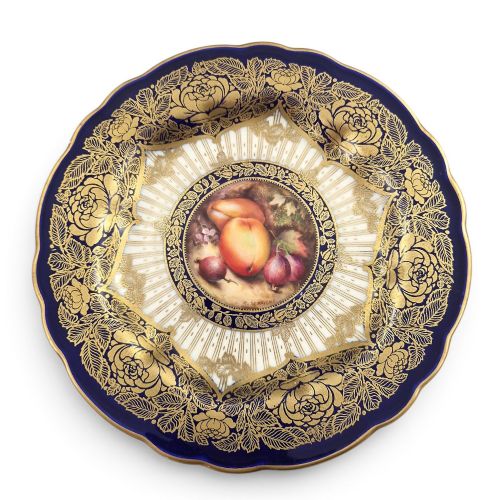
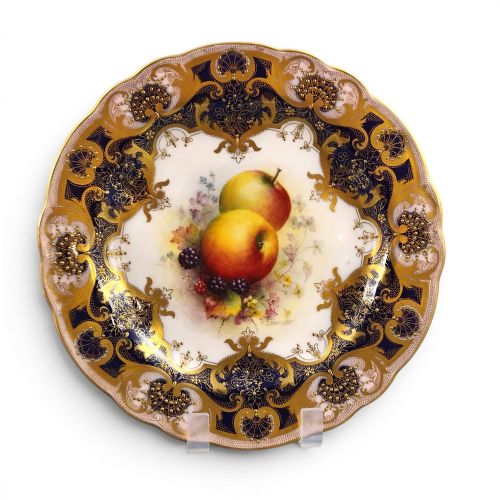
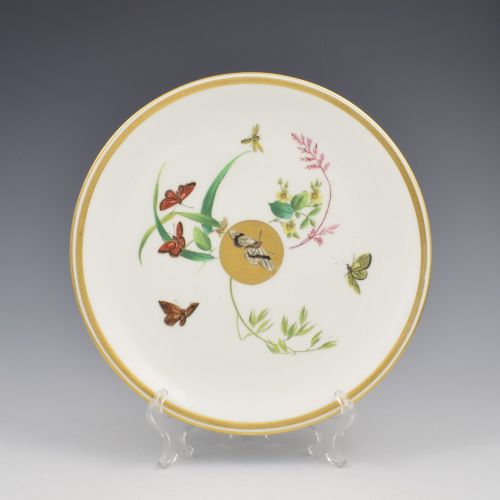
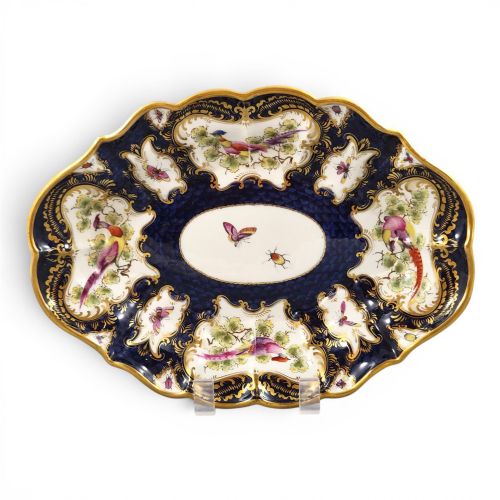
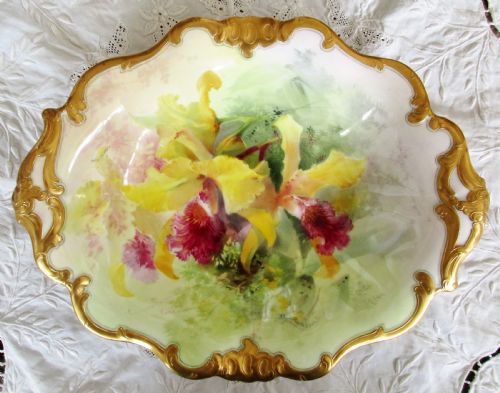
The versions most commonly met on this page combine hand-painted floral, botanical or figural scenes with intricate gilt borders, enamel details or raised gold leaf. Makers from Staffordshire, Worcester and Kyoto utilised these techniques to elevate functional tableware into prized cabinet pieces meant for display.
How they were made
Potters shaped fine porcelain or earthenware bodies on wheels or in moulds, applying lead or tin glazes to create a smooth, vitreous surface before initial firing. Artisans then hand-painted detailed motifs using mineral pigments and enamels.
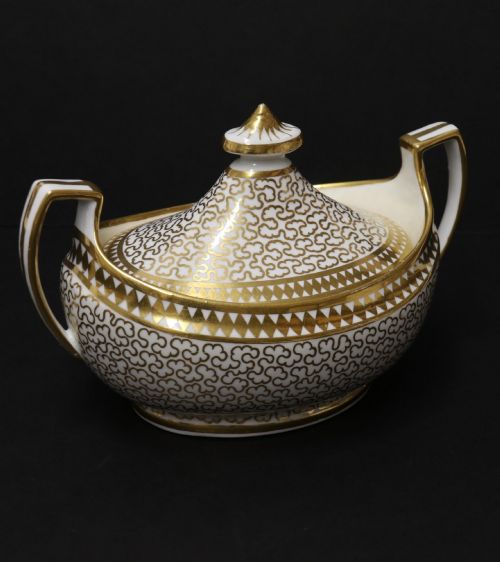
Gilding was applied using gold leaf, liquid gold or gold powder, fixed to the ceramic body and subjected to a further low-temperature kiln firing to bond the metal permanently to the glaze.
Listings feature items from the Georgian, Victorian and Edwardian periods, utilising materials such as porcelain, bone china, earthenware and gold leaf.
What varies in quality
The standard of a gold ceramic dish rests on the precision of the hand-painting and the depth of the gilding. Master painters employed by leading porcelain works created intricate botanical, landscape or figural compositions that demonstrate superior brushwork and tonal control.
The purity and application of the gold leaf or gilt detailing also differentiate standard factory output from exceptional studio pieces. Thick, burnished gilding maintains its brilliance and tactile weight far better than thin, flat metallic paint.
Koshida·Davenport·Royal Worcester·Royal Crown Derby·Derby·Chamberlains Worcester·Royal Doulton·Wedgwood·Meissen·John Ridgway·Barr Flight and Barr·Sevres·James Rouse Jnr·Pucher Deroche·Minton·Toshozan·Coalport·Flight Barr and Barr·Kinkozan·Royal Vienna·C.J. Mason
The Gold Ceramic Dish Glossary
- Cabinet plate
- A decorative ceramic plate intended purely for display in a cabinet or on a wall rather than for dining use.
- Gilding
- The application of gold leaf, gold powder or liquid gold to the surface of ceramics to create metallic ornamentation.
- Enamel
- Opaque or translucent glass-like substance fused to the ceramic body during firing to add vibrant colour to painted designs.
- Bone china
- A type of porcelain composed of clay, feldspar and bone ash, known for its high strength, chip resistance and milky white transparency.
- Earthenware
- Porous pottery fired at lower temperatures than porcelain, requiring a glazed surface to become impervious to liquids.
Gold Ceramic Dish: Frequently Asked Questions
How should I display a cabinet plate?
These decorative pieces are best housed in a dedicated display cabinet or mounted securely on a wall using proper coated plate hangers. Keeping them away from direct sunlight preserves the vibrancy of the hand-painted enamels and prevents any fading of the surrounding room environment.
Because many of these items feature delicate raised gilding, positioning them where they will not be brushed against or handled frequently ensures the metallic surfaces remain pristine over time.
Can I use these dishes for serving food?
Most antique pieces featuring extensive gilding and hand-painted enamels are intended strictly for decorative display rather than daily dining. Regular use and washing can wear down delicate metallic leaf and historic enamel layers.
If a piece is used for light serving on special occasions, hand washing in lukewarm water with mild soap is essential. Dishwasher cycles and abrasive sponges will permanently damage the historic glaze and gold leaf.
How do I identify the period of a piece?
Dating relies primarily on factory backstamps, impressed marks, pattern numbers and stylistic cues recorded on the underside of the ceramic. Researching specific registry marks or painter signatures often narrows down the production decade.
Comparing the paste type, such as bone china versus earthenware, along with the distinct decorative style like Aesthetic Period or Art Nouveau, helps confirm the manufacturing era.
What is the difference between porcelain and earthenware here?
Porcelain is a dense, vitrified ceramic fired at high temperatures until it becomes non-porous and translucent. It provides a smooth, hard white canvas that holds fine gold leaf and detailed enamel work exceptionally well.
Earthenware is fired at lower temperatures, resulting in a heavier, more porous body that requires a complete glaze layer to seal the clay. It often forms the robust base for intricately carved or heavily decorated Japanese vessels.