




Antique Game Plates
Antique game plates bring the sporting traditions of the dining room straight to the table, offering finely painted scenes of birds and wildlife.
Antique Game Plates
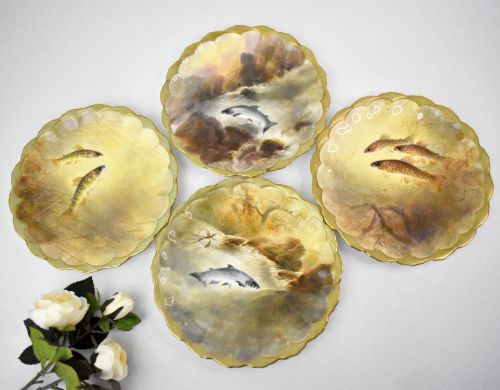
When you search for antique game plates, you are looking at ceramic and porcelain dishes designed for serving or displaying poultry and game, often originating from the Victorian and Edwardian eras. These pieces frequently feature detailed hand-painted depictions of pheasants, fish, and other sporting subjects, reflecting the country pursuits popular during the nineteenth and early twentieth centuries.
The selections encountered on this page encompass various forms, including cabinet plates, meat serving platters, and table ornaments. Alongside English ceramic examples, you will find related silver plated accessories and Italian pottery that complement the traditional British country aesthetic.
The physical forms range from large meat platters with strainers to sets of cabinet plates intended for display rather than heavy dining use. These items bridge the gap between practical serveware and decorative sporting collectables.
Materials and construction methods
The primary materials recorded in these pieces are porcelain and ceramic, often finished with detailed glazes and hand-painted artistry. Factories utilised skilled artists to render realistic plumage and natural settings directly onto the pottery surface.
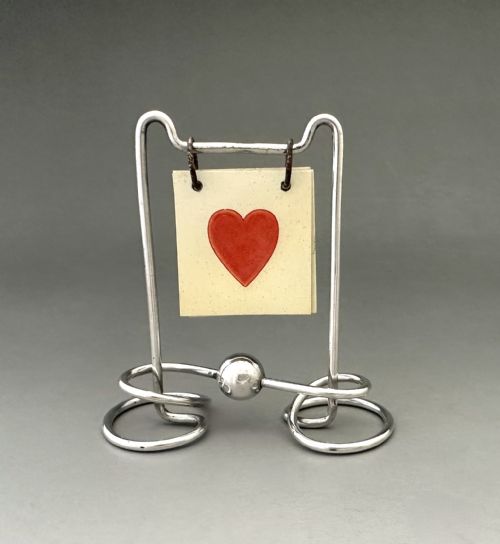
Metal components also appear, notably in the form of silver plate, Old Sheffield plate, and gold leaf accents. These metallic elements provide durable mounts, covers, and decorative ornaments that accompany the ceramic ware.
Antique Game Plates Retail Price Guide 2026
Typical asking prices for game plates among the pieces listed under this phrase on Sellingantiques today, from the lower quarter to the upper quarter. They describe what is for sale here now, not the wider market.
Fighting cockerels in silver plate stand ready to dispute the dining arrangements.
Markers of quality
Quality in these plates is largely determined by the skill of the hand-painted artistry and the reputation of the producing pottery or artist. Pieces featuring intricate, lifelike brushwork by named painters stand apart from standard factory output.
The choice of base material and the preservation of the glaze or silver plating heavily influence the desirability of each piece. Finer ceramic bodies and well-maintained metallic surfaces retain their visual impact much better over time.
Royal Doulton·Royal Worcester·Bassano pottery works
The Antique Game Plates Glossary
- Cabinet plate
- A decorative dish intended for display in a cabinet or on a wall rather than for everyday dining. These items usually feature intricate artwork.
- Meat serving platter
- A large dish designed for presenting joints of meat or poultry at the dining table. They frequently incorporate wells or strainers.
- Ironstone
- A type of heavy, durable earthenware developed in Britain as a robust alternative to porcelain. It takes glazes and transfer printing exceptionally well.
- Old Sheffield plate
- An early form of composite metal made by fusing a thin sheet of silver to a copper base. This technique creates a rich lustre distinct from modern electroplating.
Antique Game Plates: Frequently Asked Questions
What were antique game plates used for?
These plates were utilised during formal dinners for serving game, fowl, and fish courses in grand Victorian and Edwardian dining rooms.
Over time, many fine examples transitioned from dining service to decorative display as cabinet plates and wall chargers.
How do I identify a Victorian game plate?
Victorian examples typically feature heavy ceramic bodies, traditional British country motifs, and hand-painted or transfer-printed wildlife scenes.
Examining the backstamps and the style of the glaze helps confirm the nineteenth-century period of manufacture.
Can I use antique plates for dining?
While these pieces were originally created for food service, older glazes and hand-painted surfaces are vulnerable to modern dishwashers and cutlery.
Collectors generally prefer to display cabinet plates or use robust ironstone platters with careful handling.
What materials are common in these collections?
The listings show a strong presence of ceramic and porcelain bodies, frequently paired with hand-painted glazes and enamel work.
Silver plate and metal accessories also appear alongside the ceramics to form complete sporting table settings.