

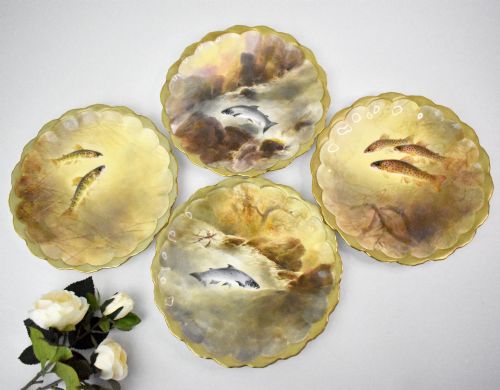


Hand Painted Fish Porcelain
These hand painted fish porcelain pieces bring lively aquatic motifs and vibrant polychrome decoration straight to your interior.
Hand Painted Fish Porcelain
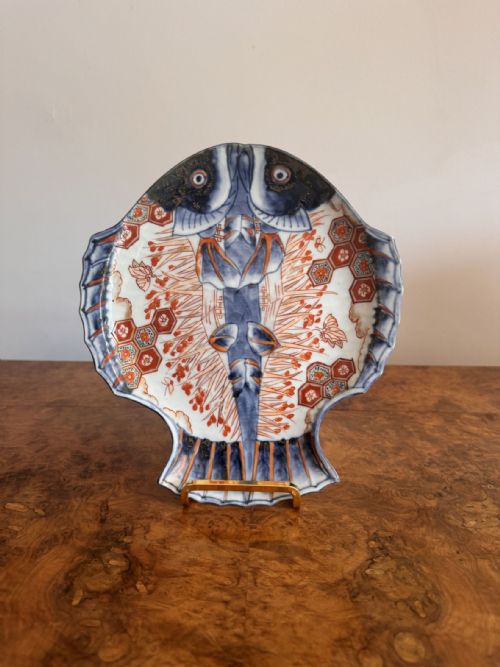
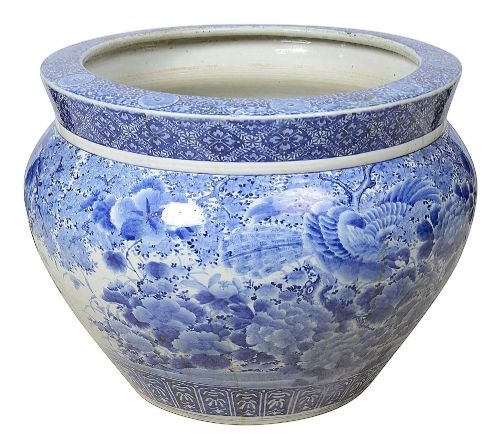
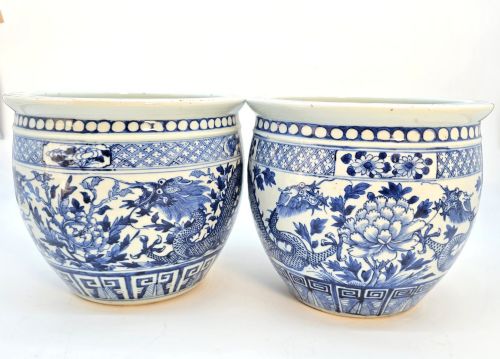
When you search for hand painted fish porcelain, you enter a diverse field spanning Victorian and Edwardian English factories alongside Japanese Meiji and Chinese Qing dynasty outputs. The pieces range from cabinet plates and serving dishes to large jardinières and decorative bowls.
You are most likely to encounter blue and white porcelain jardinières and painted fish plates, reflecting both traditional English tabletop wares and Far Eastern export ceramics.
How they were made
These items utilise ceramic, bone china and porcelain as a base, decorated with cobalt underglaze, enamel and metallic glaze. Artisans applied hand painted details often heightened with gold leaf.
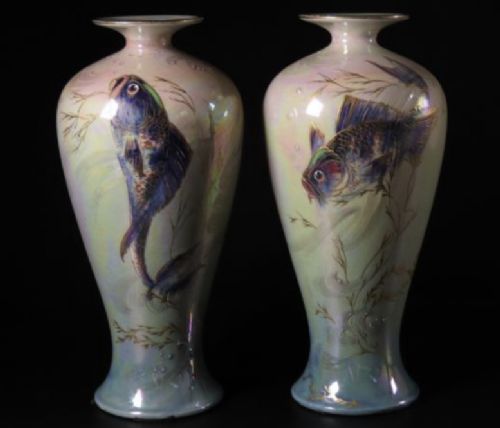
Firing techniques varied from high temperature kilns for blue and white wares to specialist lustre finishes developed by makers such as Walter Slater.
Some items depict fish swimming so vigorously they practically splash water onto your mantelpiece.
What varies in quality
Quality rests in the precision of the hand painting and the crispness of the cobalt underglaze or enamel work. Finer examples display meticulous brushwork on the fish motifs rather than stencilled outlines.
The weight and finish of the porcelain or ceramic body, alongside the sophistication of associated gold leaf or metallic glaze details, separate standard production items from superior studio output.
Walter Slater·Royal Doulton·Royal Worcester·Royal Crown Derby
The Hand Painted Fish Porcelain Glossary
- Jardiniere
- A large ceramic or porcelain pot designed for holding plants or flowers. These often feature substantial fish or floral decoration.
- Imari
- A style of Japanese porcelain characterised by cobalt blue underglaze and iron red overglaze, frequently accented with gold.
- Famille Rose
- A Chinese ceramic palette distinguished by opaque pink enamel, prominent in Qing dynasty pieces.
- Bisque
- Unglazed ceramic or porcelain fired once, leaving a matte, porous finish popular for figural groups.
- Lustre
- A type of ceramic glaze producing an iridescent metallic sheen, developed extensively by English potteries.
Hand Painted Fish Porcelain: Frequently Asked Questions
How are these jardinières cleaned?
Dust gently with a soft dry cloth. Avoid harsh chemical cleaners that might damage delicate enamels or gold leaf.
Keep them away from direct moisture if used indoors as planters without a proper inner lining to protect the antique ceramic body.
Can these plates be used for dining?
Most antique cabinet and decorative plates are best reserved for display due to age and potential wear on the hand painted surfaces.
Use them on plate stands or wall mounts to showcase the detailed fish designs safely.
What periods do these pieces cover?
The selection spans the nineteenth century through the early twentieth century, including Victorian, Edwardian, and Art Deco eras.
Asian pieces specifically reference the Japanese Meiji period and Chinese Qing dynasty production.
How do I distinguish English from Asian wares?
English items frequently bear factory marks from makers like Royal Doulton or Royal Worcester alongside traditional English aesthetics.
Asian pieces often display characteristic blue and white underglaze, Imari palettes, or specific reign and potter marks.