



Royal Doulton Painted China
Royal doulton painted china brings together finely modelled porcelain and delicate hand decoration from the early decades of the twentieth century.
Royal Doulton Painted China
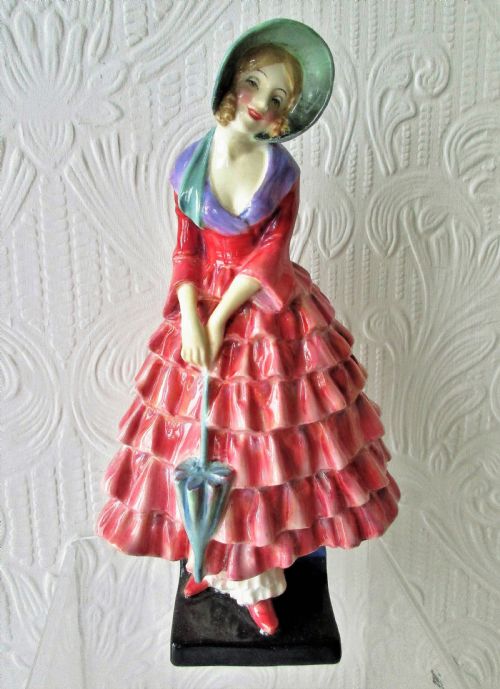
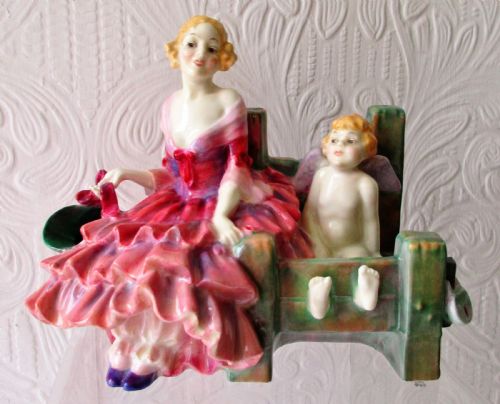
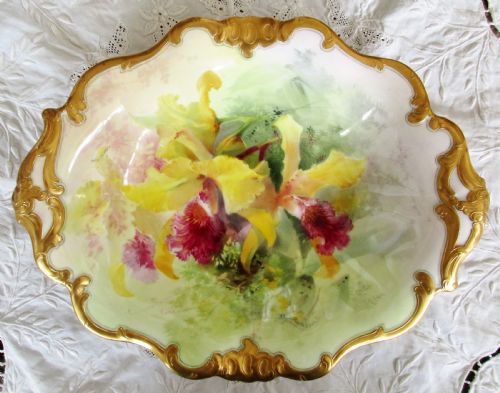
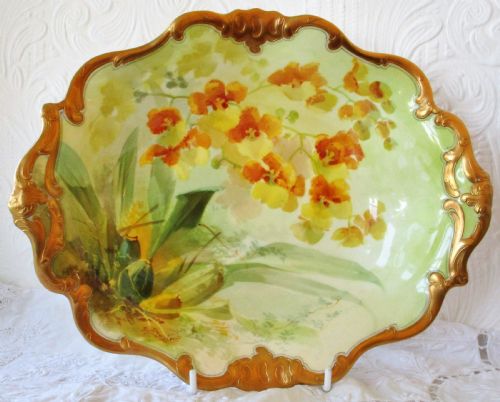
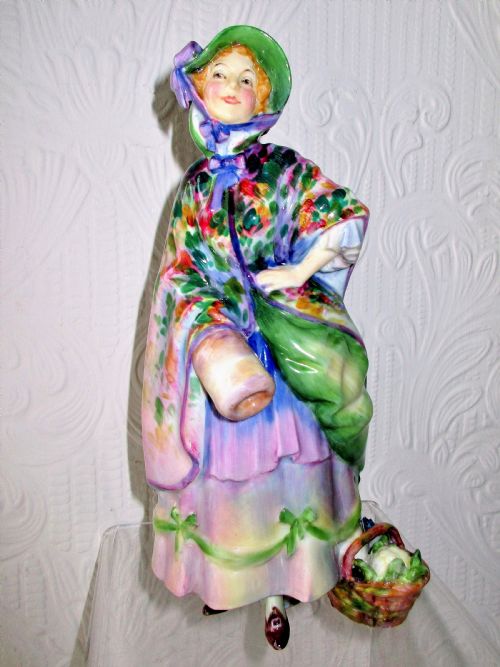
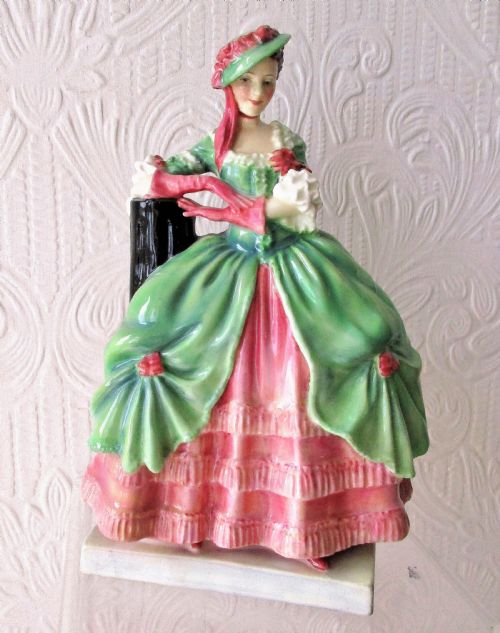
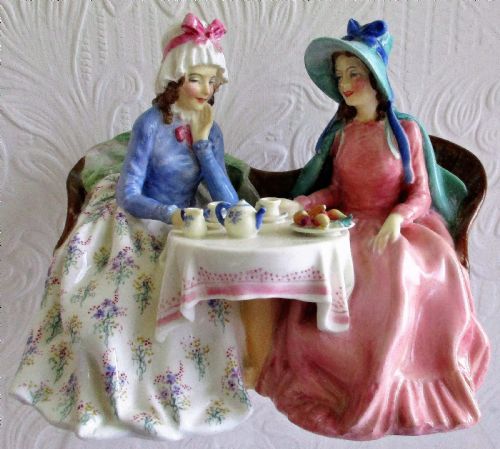
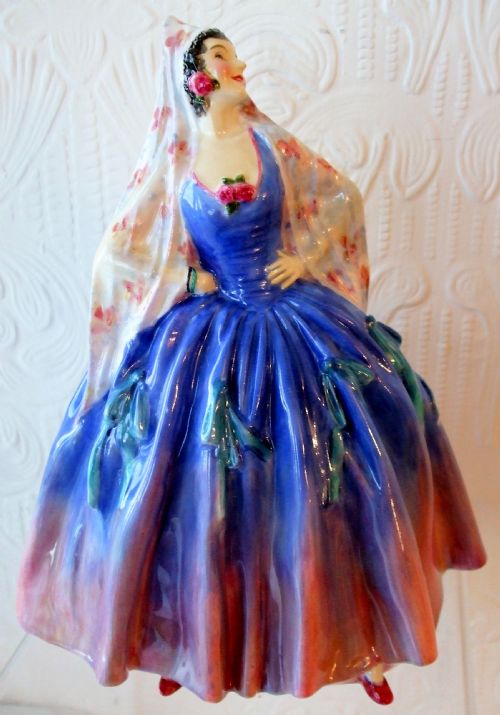
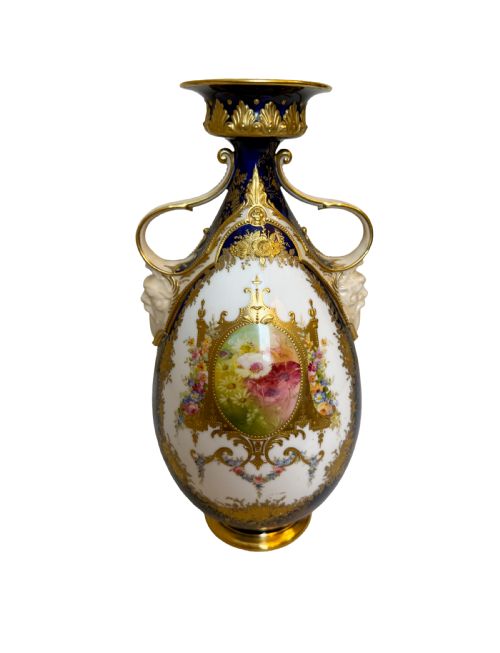
Royal doulton painted china encompasses a range of decorative wares including cabinet dishes, plates, vases, and porcelain figurines produced across the Edwardian period, the 1930s, and the 1940s. These pieces reflect various design movements spanning Art Nouveau, Art Deco, Rococo Revival, and Victorian Decorative styles.
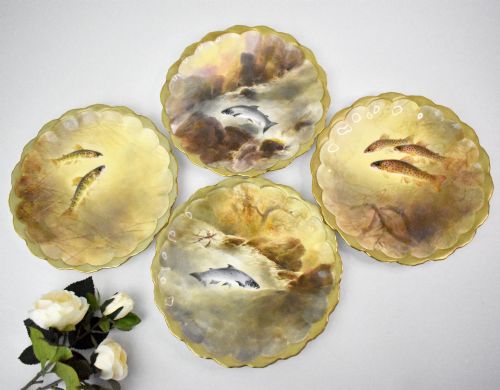
Collectors searching this category most frequently encounter named figurines with specific HN numbers alongside hand-painted cabinet plates and vases depicting floral studies such as orchids or scenic views like Windsor Castle. The forms range from functional cabinet dishes to ornamental figures modelled with expressive detail.
The objects originate from specific periods in the early twentieth century, carrying the distinct artistic influences of their respective decades. Each piece demonstrates the factory's shift from ornate historical revivals towards streamlined modernist shapes.
Materials and Methods
The manufacture of these pieces relies on high-fired porcelain and bone china bodies coated in smooth ceramic glaze. Artisans applied polychrome enamel colours and detailed gilding by hand to accentuate the underlying ceramic forms.
Skilled painters executed individual subjects directly onto the glazed porcelain surfaces before final firing. Gilt highlights were then added meticulously to rims and raised mouldings to complete the decoration.
Object forms span decorative figurines, cabinet dishes, and hand-painted vases dated between 1900 and 1940.
Judging Quality and Execution
The distinction between standard production wares and superior examples rests upon the fidelity and complexity of the hand painting. Pieces decorated by known studio artists display a painterly freedom and precision that elevates them above factory standard output.
Modelling clarity in the figurines and the richness of the enamel and gilding preservation determine the overall desirability. Stronger artistic execution on cabinet dishes and vases reflects the higher tier of ceramic artistry.
David Dewsberry·Joseph Birbeck Senior·John H Plant
The Royal Doulton Painted China Glossary
- Cabinet Dish
- A decorative ceramic plate intended for display in a cabinet rather than for table service. These dishes often feature detailed hand-painted botanical or scenic subjects.
- Bone China
- A type of soft-paste porcelain incorporating bone ash, known for its high strength, chip resistance, and translucent white body. It provides a bright surface for enamel painting.
- Enamel
- A vitreous composition fused to the surface of porcelain through firing, providing durable coloured decoration. It allows for vibrant hues on painted ceramic objects.
- Gilding
- The application of finely ground gold or gold leaf to ceramic surfaces for decorative accent. This technique highlights rims, handles, and raised relief details.
- Figurine
- A small three-dimensional sculptural ceramic object depicting a human figure. These are typically hand-painted and marked with specific production numbers.
Royal Doulton Painted China: Frequently Asked Questions
How do I identify different production periods?
Periods are identified through specific stylistic markers and manufacturing details recorded on the pieces. Early twentieth century examples often show Art Nouveau or Edwardian influences, while later items reflect Art Deco designs.
Changes in body composition and decorative motifs help separate pieces from the 1900s through to the 1940s. Comparing the stylistic cues against known production eras provides clear chronological placement.
What subjects appear on painted cabinet plates?
Cabinet plates frequently display detailed botanical studies, with orchids being a particularly prominent floral subject among master painters. Scenic representations of historical landmarks also feature on specific decorative vessels.
Fish studies and landscape views painted by named artists represent the more specialised artistic output of the period. Each subject is rendered directly onto the glazed porcelain surface by hand.
What do the HN numbers on figurines mean?
HN numbers serve as the factory's registration and pattern identifiers for specific figurine models. They provide a direct link to the date of introduction and the specific sculptured design.
Checking the assigned HN number allows collectors to trace the production timeline of figures produced throughout the 1930s and 1940s. This numbering system brings chronological clarity to figurine collections.