


Gilded Rim Wall Plates
These gilded rim wall plates bring hand-painted artistry and precious metal detailing directly to your walls, offering both historic character and fine craftsmanship.
Gilded Rim Wall Plates
When you search for gilded rim wall plates, you encounter an array of decorative plates, chargers, and cabinet pieces designed primarily for display rather than daily dining. The selection spans centuries of ceramic production, encompassing traditional English wares alongside imported Japanese Imari and continental European examples.
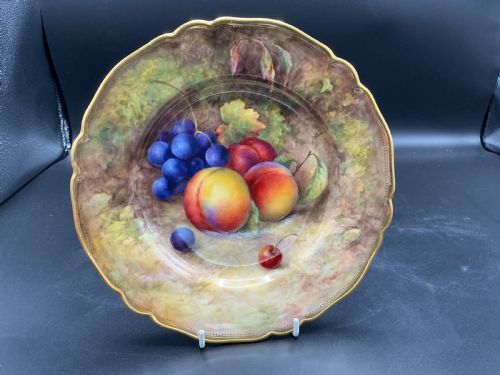
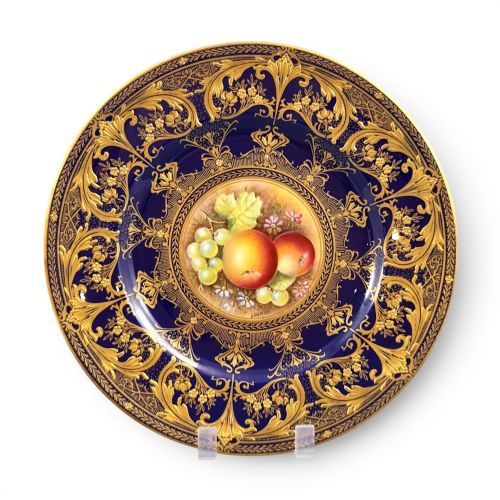
You are most likely to meet pieces originating from the Victorian era and the early twentieth century, particularly works from factories such as Royal Worcester and Coalport. These items often feature pierced borders, basketweave moulding, or hand-painted scenes framed by applied gold leaf and gilt enamel.
The forms range from large chargers intended as central wall ornaments to smaller cabinet plates and soup plates adapted for visual appreciation. Styles stretch from Neoclassical and Rococo Revival motifs to Japanese Imari patterns, reflecting the shifting decorative tastes of their respective periods.
How They Were Made
The manufacturing process relies primarily on porcelain and bone china, alongside tin-glazed earthenware and faience for continental pieces. Makers shaped these ceramic bodies using moulds or the potter's wheel before applying an initial glaze to seal the surface.
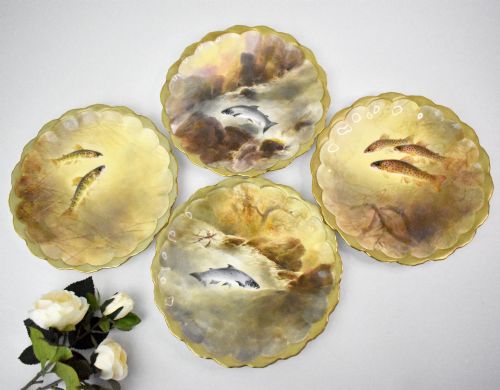
Artisans applied pigments by hand, painting birds, figures, fruit, and armorial crests directly onto the ceramic body or over the fired glaze. The characteristic gilded rims and highlights were achieved using gold leaf, liquid gilt, or gilt enamel, fixed through subsequent kiln firings.
The listings on this site incorporate pieces spanning the Victorian period, 19th Century, and mid-20th century, utilising porcelain, bone china, and tin-glazed earthenware.
What Varies in Quality
Quality in these plates is defined by the skill of the hand-painting and the precision of the gilding. Pieces featuring detailed, individualized artistry by named painters stand apart from standard factory decoration.
The refinement of the ceramic body also dictates value, with delicate bone china and thinly potted porcelain representing a higher standard of production than heavier earthenware. Additionally, the preservation of the gold leaf and the crispness of moulded details such as basketweave or reticulation influence the standing of each piece.
Royal Worcester·Royal Doulton·Meissen·Minton·Coalport·Veuve Perrin·Barr Flight And Barr·Fukagawa
The Gilded Rim Wall Plates Glossary
- Cabinet Plate
- A decorative ceramic plate intended for display in a cabinet or on a wall rather than for practical table use. These often feature elaborate hand-painted subjects and gilded borders.
- Charger
- A large decorative plate or platter, frequently used as a base setting or hung on a wall for display. They provide a larger canvas for intricate designs and rich gilding.
- Gilt
- A thin layer of gold applied to the surface of the ceramic to create metallic highlights and rims. It adds a reflective quality that catches ambient light.
- Reticulated
- Having an openwork or net-like pattern formed by cutting through the clay before firing. This technique creates delicate pierced borders around the plate rim.
- Imari
- A style of Japanese export porcelain characterised by a palette of underglaze blue, iron red, and abundant gold. European makers frequently imitated these distinctive patterns.
Gilded Rim Wall Plates: Frequently Asked Questions
Can I use these plates for serving food?
Most of these pieces are intended strictly for visual display as cabinet or wall plates. The presence of delicate gold leaf and historic enamel work means they are unsuited for modern dining.
Using them with cutlery can scratch the glazed surface and wear away the gilding. Gentle dusting with a dry cloth is the appropriate method of maintenance.
How do I identify the period of a plate?
Dating relies primarily on factory backstamps, potters' marks, and painted signatures found on the reverse of the ceramic. Reference books and manufacturer archives help match these symbols to specific production years.
Stylistic indicators, such as Victorian Rococo Revival moulding or 1930s painted fruit scenes, also provide a reliable timeframe for the manufacture of the piece.
What is the difference between porcelain and bone china?
Porcelain is a hard, vitrified ceramic made from kaolin and petuntse fired at high temperatures. It produces a dense, non-porous body that rings when struck.
Bone china incorporates animal bone ash into the paste, resulting in a slightly warmer tone and greater translucency. Both materials provide a smooth ground suitable for fine hand-painting and gilding.