
Gold Brass Table Clock
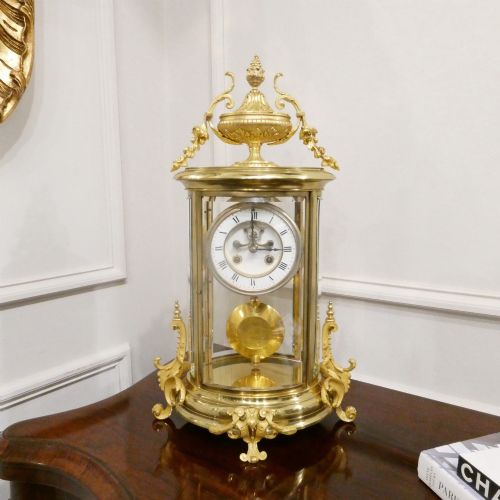
A gold brass table clock brings warmth and precise mechanical rhythm to a room, drawing the eye with its polished metal and glass case.
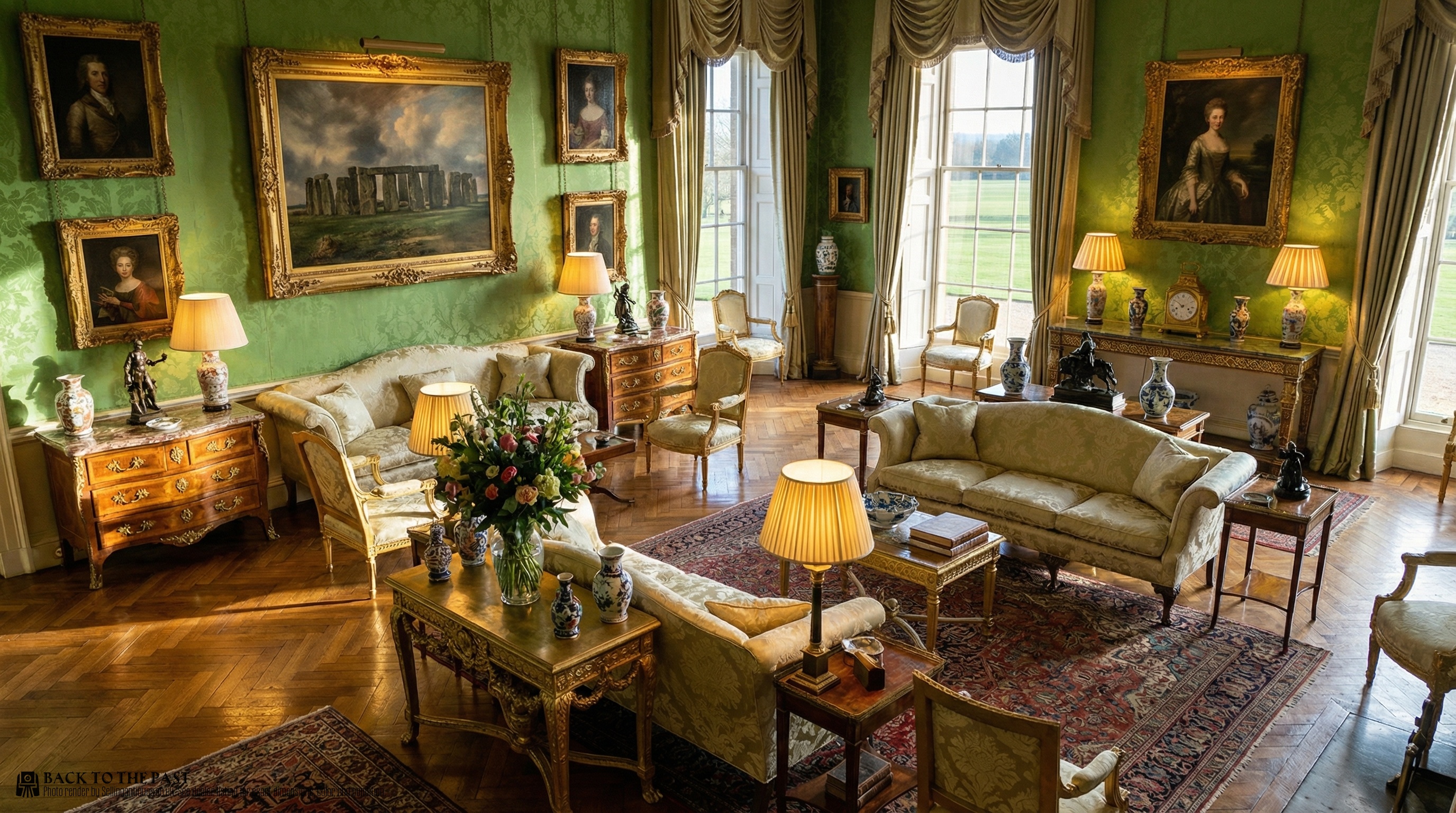
Gold Brass Table Clock
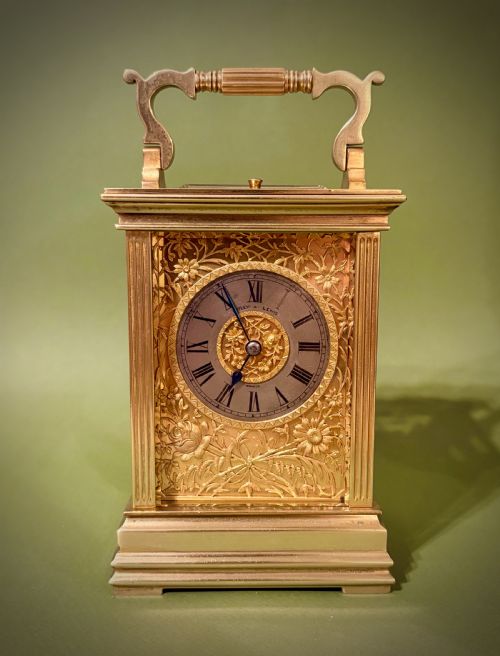
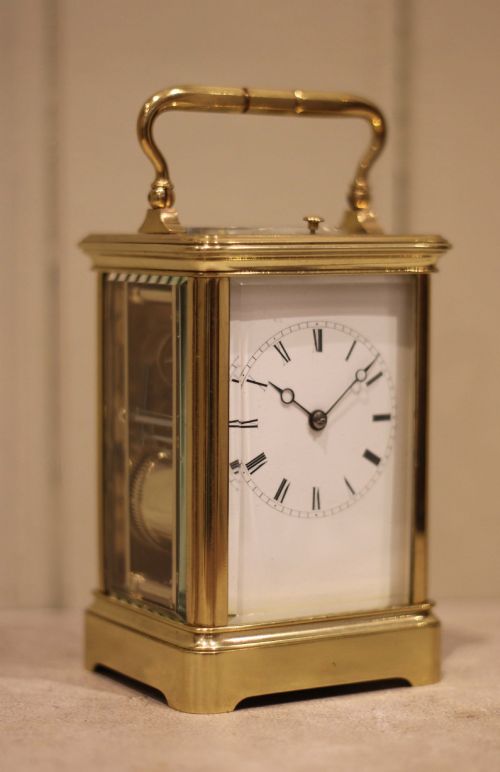
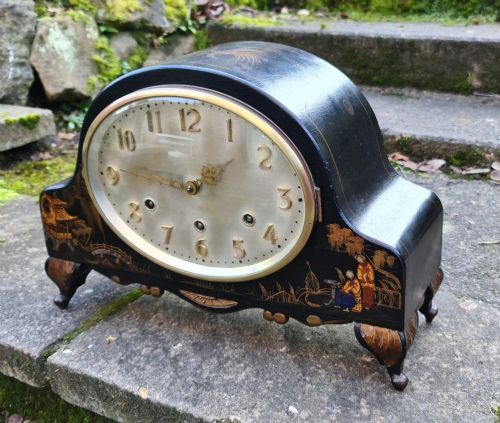
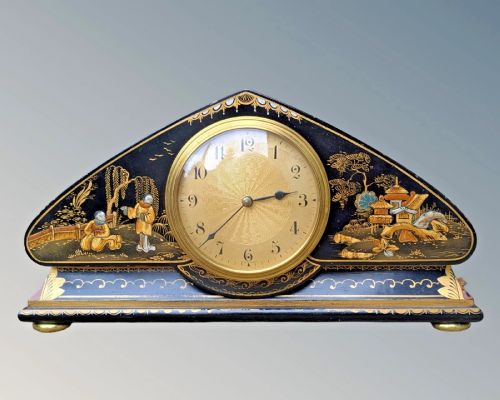
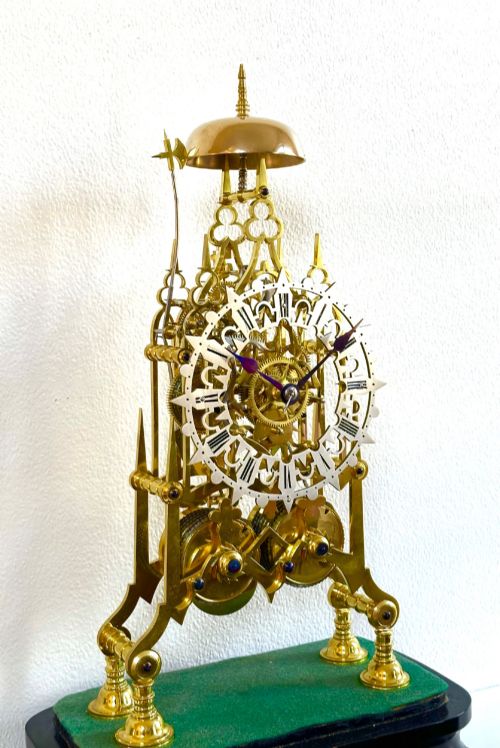
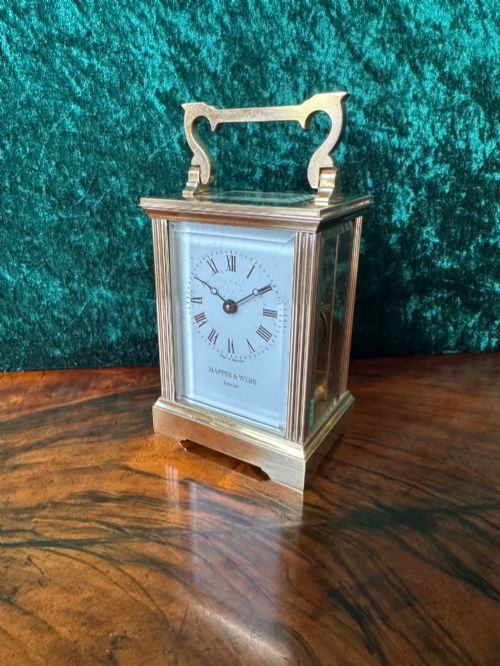
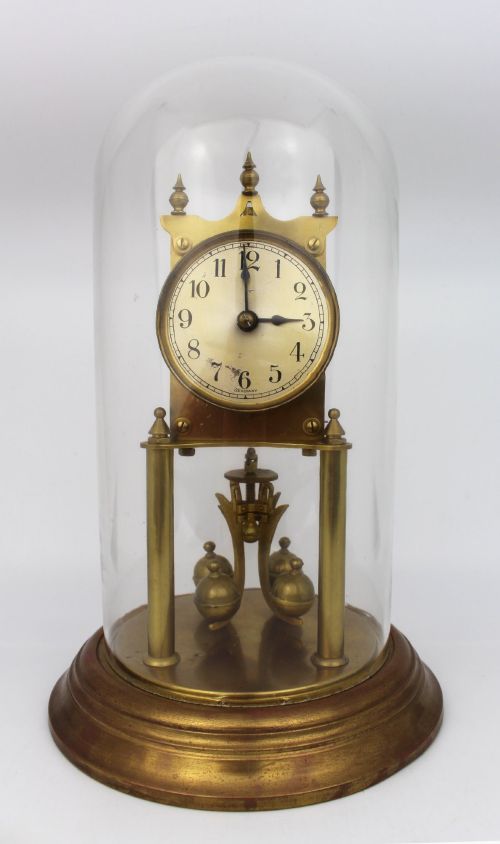
When you search for a gold brass table clock, you encounter timepieces designed for desks, mantelpieces and carriages, originating predominantly from nineteenth-century France and Victorian Britain. These objects combine timekeeping utility with decorative metalwork, often housed within glass panels or heavy cast frames.
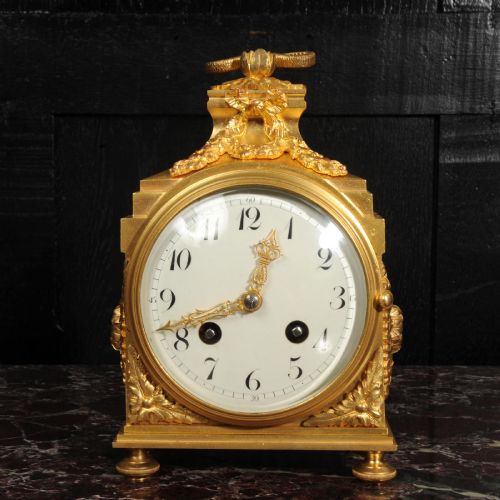
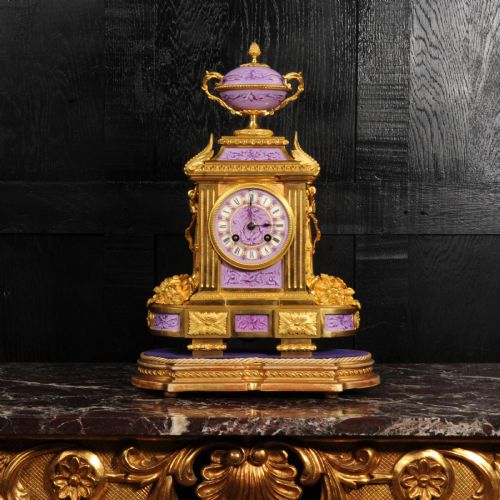
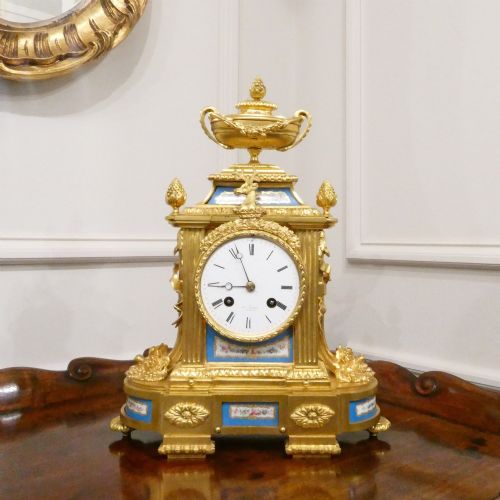
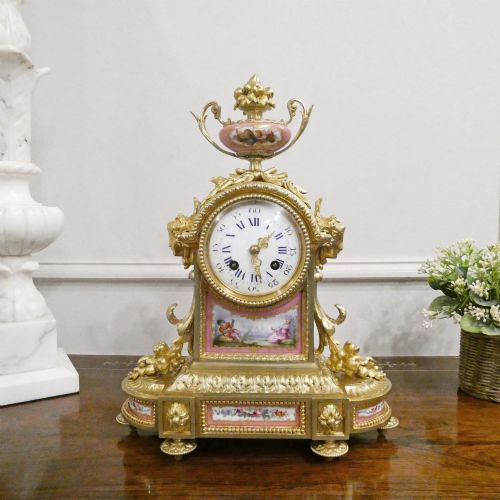
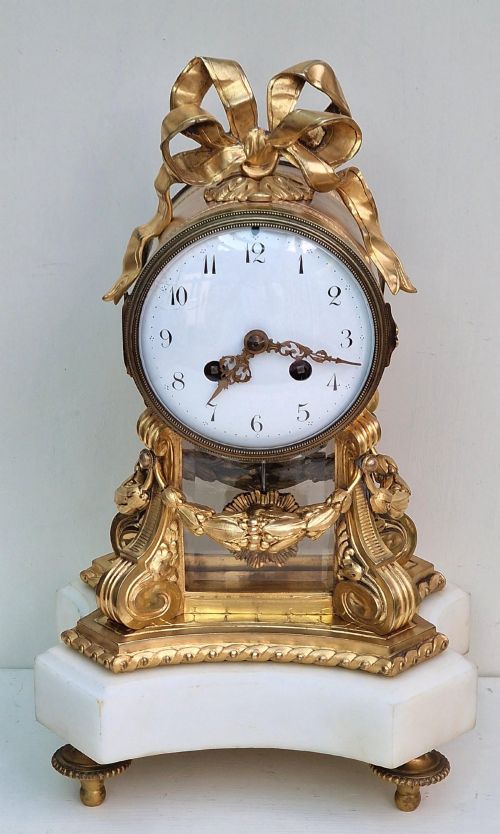
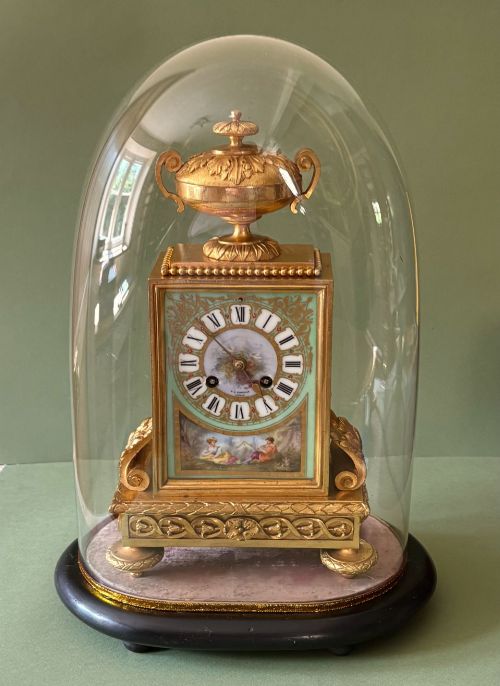
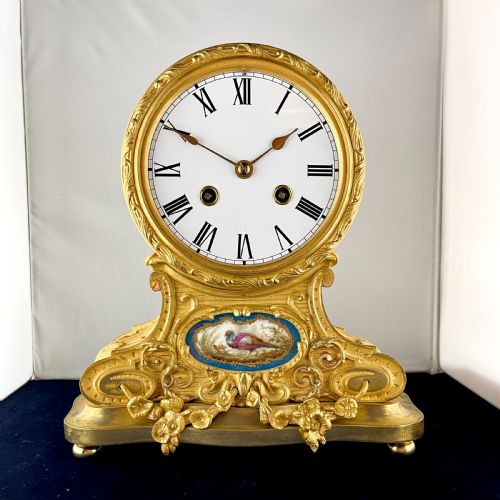
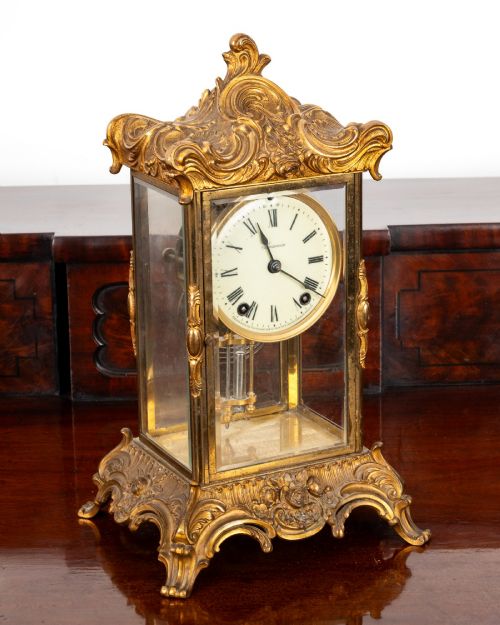
The versions most common on this page are French carriage clocks and mantel clocks dating from the period between eighteen-sixty and nineteen-hundred. They frequently display the influence of Louis the Sixteenth, Empire, or Rococo styles through cast ornamentation, gilding, and porcelain dial plates.
Makers and workshops across Paris and Britain produced these items for domestic interiors, ranging from simple brass travel timepieces to large porcelain-mounted mantel pieces. Each piece reflects the horological ambitions of the Victorian era and the preceding decades.

Materials and Construction
Construction relies heavily on cast brass, ormolu, and gilt bronze, providing a sturdy metallic skeleton that supports intricate mechanical gear trains. Manufacturers applied fire gilding, mercury gilding, or modern electroplating to impart the characteristic golden finish to the exterior surfaces.
Enamel, porcelain panels from Sèvres, and bevelled glass panes insert into the metal housings to protect the dial and reveal the internal movement. Steel components form the springs and escapements, while marble occasionally provides a heavy, stable base for larger mantel clocks.
Gold Brass Table Clock Retail Price Guide 2026
Typical asking prices for gold brass table clock among the pieces listed under this phrase on Sellingantiques today, from the lower quarter to the upper quarter. They describe what is for sale here now, not the wider market.
Listings span the nineteenth century and early twentieth century, incorporating Victorian, Louis the Sixteenth, and French Empire styles.
Assessing Quality and Execution
Quality separates through the crispness of the bronze casting and the depth of the hand-engraving on the brass case. Finer examples exhibit deeply chiselled floral or scroll motifs rather than shallow, cast-only impressions.
The complexity of the movement distinguishes standard timepieces from superior ones, particularly those featuring striking mechanisms, repeating functions, or dual-train movements. Signed dials and backplates from recognised Parisian and British makers elevate the horological standing of an individual clock.

Achille Brocot·Henry Marc·Japy Freres·Samuel Marti·Mappin and Web·Ansonia New York·Canaillor of Paris·Etienne Lenoir·Antoine Redier of Paris
The Gold Brass Table Clock Glossary
- Ormolu
- A technique of applying finely ground, high-carat gold to an object of bronze. It creates a rich, matte yellow metallic surface characteristic of French decorative arts.
- Carriage clock
- A small, portable spring-driven timepiece designed for travel. They commonly feature a brass and glass case with a folding handle on top.
- Fusee
- A conical pulley used in clockwork to equalize the driving force of the mainspring as it unwinds. This mechanism improves the timekeeping accuracy of the clock.
- Champlevé
- An enamelling technique where troughs are dug into a metal surface and filled with vitreous enamel powder before firing. It creates vibrant patterns across the brass or gilt frame.
Gold Brass Table Clock: Frequently Asked Questions
What is a carriage clock?
A carriage clock is a portable spring-driven timepiece originally built for travellers during the nineteenth century. They are typically housed in brass frames with glass panels on all four sides and a handle on top.
These clocks often include striking or repeating mechanisms that chime the hours and quarters on demand. Their compact form allowed owners to pack them securely for journeys.
How do I wind a mechanical table clock?
Winding requires a matching key inserted into the winding squares on the dial or backplate. Turning the key clockwise tensions the mainspring inside the movement.
Care must be taken not to overwind the spring, stopping as soon as resistance increases. Regular winding keeps the gear train moving at a consistent tension for accurate timekeeping.
Where should I place a brass mantel clock?
These clocks sit best on level surfaces such as mantelpieces, sideboards, or large desks away from direct heat and moisture. A stable foundation ensures the pendulum or balance wheel beats evenly.
Because many examples feature delicate glass panels and exposed gilding, a secure spot prevents accidental knocks. Keeping the clock away from open windows protects the internal metalwork from dust.
How do I identify the period of a clock?
Dating relies on stylistic clues such as the decorative motifs, the shape of the brass case, and signatures on the enamel dial. Nineteenth-century pieces frequently display Louis the Sixteenth revival details or heavy Victorian cast ornamentation.
Makers' marks stamped onto the brass movement backplates offer precise clues to the workshop of origin. Comparing the escapement type and dial style to known periods helps narrow down the decade of manufacture.