

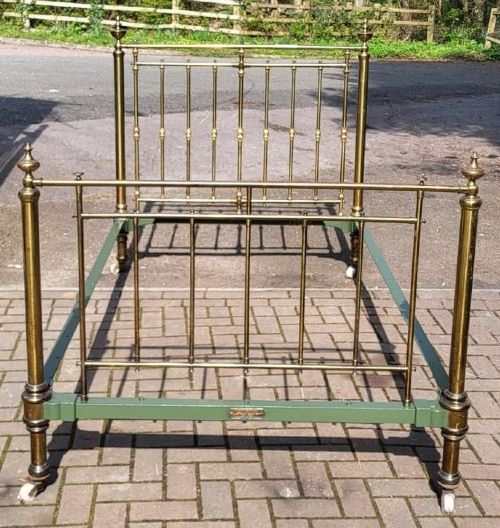
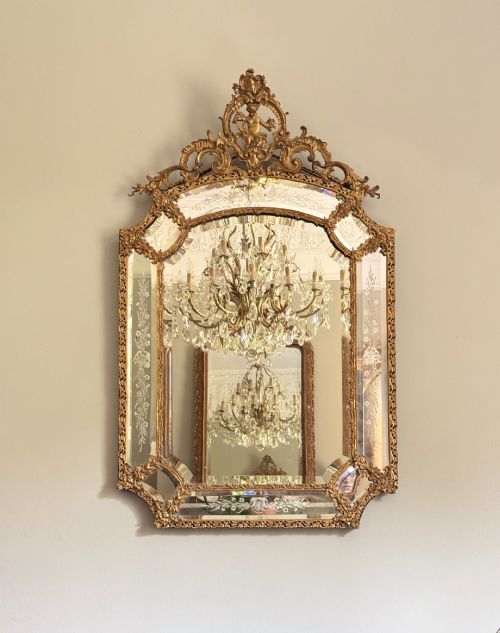
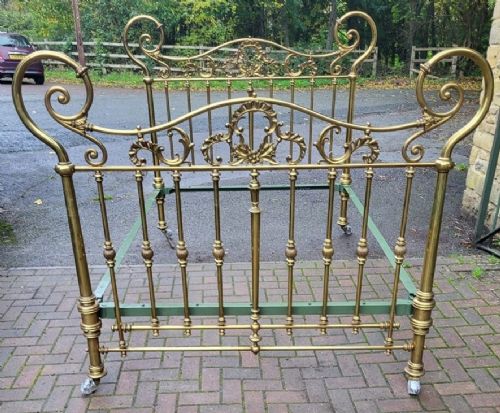
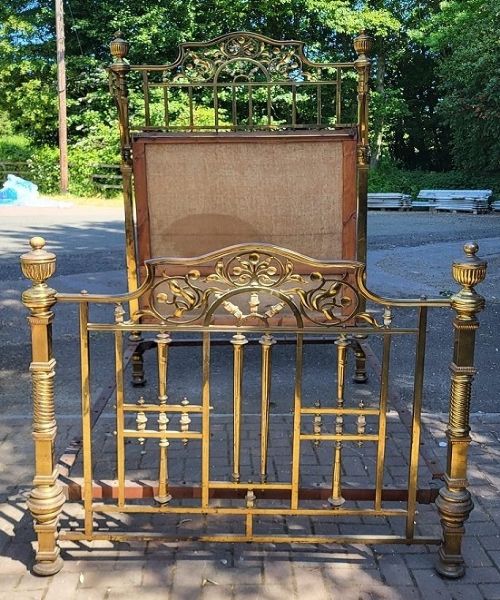
Gold Brass Frame
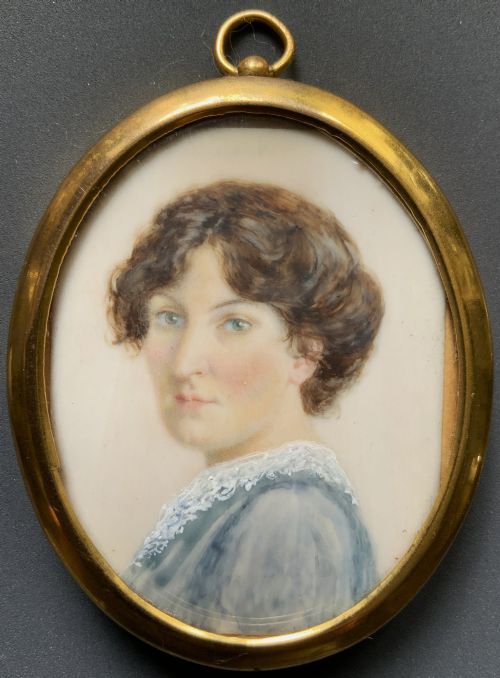
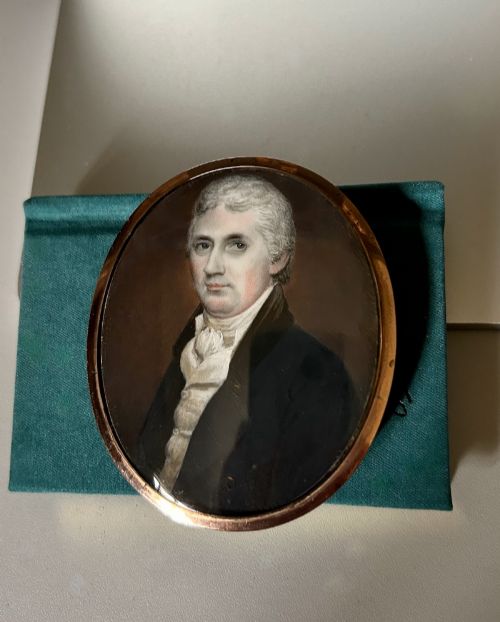
A gold brass frame brings warmth and distinct period character to portraits, mirrors, and displays through its rich metallic lustre.
Gold Brass Frame
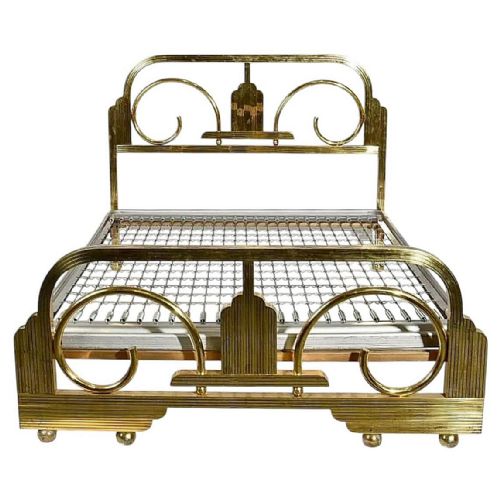
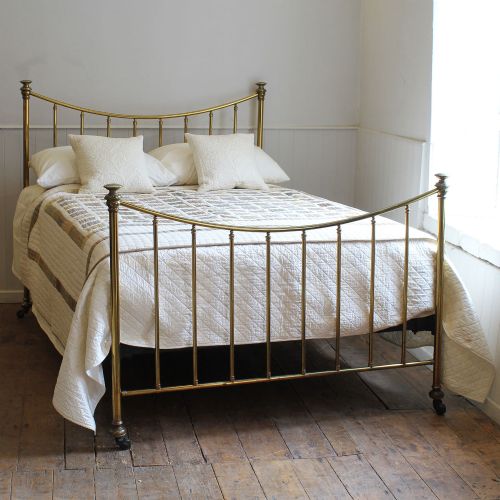
When you search for a gold brass frame, you encounter a variety of antique enclosures designed for photographs, miniature watercolours, and mirrors. These pieces span the Victorian, Edwardian, and nineteenth-century periods, capturing the decorative tastes of past eras.
The selection ranges from simple polished mounts to ornate French Rococo and Louis XVI revival styles cast in gilt bronze and ormolu. Picture frames, wall mirrors, and travelling mounts dominate the selection, often featuring intricate chased details or glass panels.
Makers and designers of these items utilised durable base metals finished with bright gilt layers to emulate solid gold without prohibitive weight. Their forms reflect the domestic interior trends of the nineteenth and early twentieth centuries, prioritising display and reflection.
Materials and Manufacturing Techniques
Makers utilised brass, gilt bronze, and ormolu as the primary structural materials, casting them into elaborate floral and geometric moulds. These metals provided the necessary strength to support glass panels and mirrors while allowing for deep, tactile relief work.
Surface finishing involved manual polishing and the application of gilt layers, creating the distinctive golden sheen characteristic of these objects. Many pieces incorporate secondary elements such as wood, iron, and glass to complete the structure or protect the enclosed artwork.
Gold Brass Frame Retail Price Guide 2026
Typical asking prices for gold brass frame among the pieces listed under this phrase on Sellingantiques today, from the lower quarter to the upper quarter. They describe what is for sale here now, not the wider market.
A tiny six-fold London almanac hides securely inside its own glazed brass travelling mount from the nineteenth century.
Distinctions in Quality and Craftsmanship
Quality in these items rests upon the crispness of the cast relief and the depth of the gilding applied to the metal surface. Finer examples display sharp, hand-finished chasing that defines botanical or scroll motifs with precision, whereas simpler pieces rely on basic machine stamping.
The integrity of the structural joints and the quality of the backing materials, such as original wood or fitted stands, also separate standard production items from exhibition pieces. Superior items retain their original glass and secure mountings, demonstrating careful preservation over the decades.
Winfield·Maple and Co
The Gold Brass Frame Glossary
- Ormolu
- Gilt bronze, where a finely ground high-carat gold mercury amalgam is applied to a bronze object. This technique produces a durable, rich golden finish characteristic of decorative French furnishings.
- Gilt Bronze
- An alloy of copper and tin coated with a thin layer of gold to give the appearance of solid precious metal. It resists tarnish while offering substantial weight.
- Chasing
- The art of manually refining and detailing a metal surface with hammer and punches after casting. This process sharpens the contours of decorative patterns.
- Travelling Mount
- A hinged or folding enclosure designed to protect miniature watercolours or almanacs during journeys. These compact items secure delicate paper artefacts behind glass.
- Aesthetic Movement
- A late nineteenth-century design current emphasising visual beauty over narrative content. Objects from this movement feature stylised natural motifs and refined craftsmanship.
Gold Brass Frame: Frequently Asked Questions
What periods do these frames represent?
The listings encompass items predominantly from the Victorian and Edwardian eras, alongside nineteenth-century French creations. These periods favoured decorative metalwork for personal mementos and interior display.
Craftsmen during these times drew on historical revivals like Rococo and Louis XVI, producing ornate gilt objects that remain sought after by collectors today.
How do I care for a brass frame?
Preserve the metal surface by dusting it gently with a soft cloth and avoiding abrasive chemical cleaners that strip the gilt layer. Keeping the object away from excessive moisture prevents corrosion and protects any underlying wood or paper.
Handle pieces by their solid structure rather than protruding decorative mounts to maintain the stability of soldered joints and clasps.
Are all these pieces solid gold?
None of these items consist of solid gold, as they are constructed from brass, bronze, or gilt metal finished with a gold surface layer. This construction method provided the desired visual warmth while remaining structurally practical.
The application of gilding or ormolu gave everyday items an opulent appearance suited to formal drawing rooms.
What was the original purpose of miniature frames?
Miniature frames housed painted portraits on ivory or paper, keepsake photographs, and tiny almanacs designed for personal contemplation or travel. They served as portable testaments of affection or status among nineteenth-century owners.
Many included built-in stands or suspension rings so they could be placed on desks or hung in intimate interior spaces.