



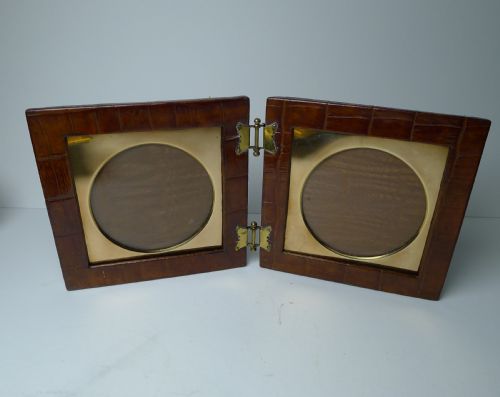
Folding Brass Frame
These folding brass frame pieces offer ingenious versatility for displaying cherished photographs and travelling light.
Folding Brass Frame
When searching for a folding brass frame, buyers encounter a versatile selection of items spanning photo frames, travel mounts, and mirrors. These objects range from nineteenth century examples to Edwardian pieces, reflecting a rich history of functional metalwork.
The most common forms on this page include double photo frames and travelling mounts designed for portability. Many incorporate glass panels, hinges, and easel backs alongside their primary metal structures.
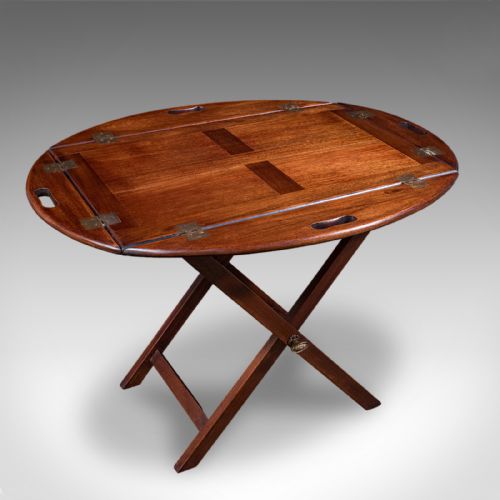
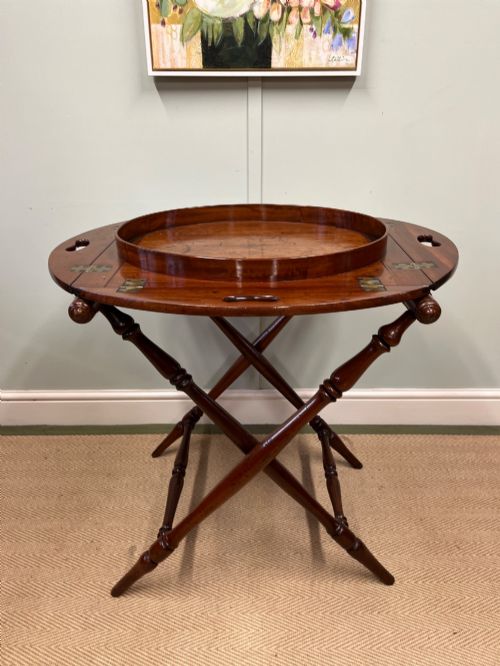
Origins stretch across English and French workshops, encompassing Victorian, Edwardian, and Regency styles. Alongside frames, the evidence includes butler tray tables and display stands featuring brass elements.
How they were made
Construction relies heavily on brass and ormolu, often paired with secondary materials such as mahogany, Cuban mahogany, glass, and agate. Metal components are cast, chased, or gilt to achieve decorative finishes.
Hinged mechanisms allow these items to fold neatly for travel or adjustment, demonstrating clever nineteenth century engineering. Paper and gilt metal frequently support internal elements or backing structures.
Folding Brass Frame Retail Price Guide 2026
Typical asking prices for folding brass frame among the pieces listed under this phrase on Sellingantiques today, from the lower quarter to the upper quarter. They describe what is for sale here now, not the wider market.
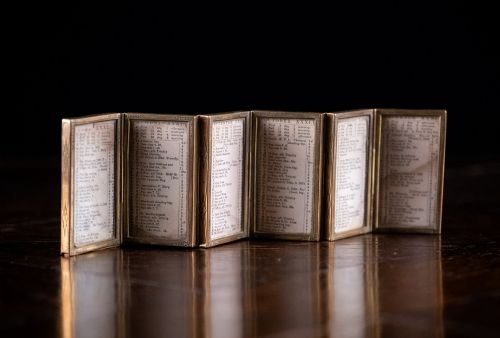
Some travel mounts doubled as miniature pocket almanacs, keeping both time and memories close at hand.
What varies in quality
The distinction between standard items and finer pieces lies in the crispness of the casting and the quality of the chasing on the brass or ormolu mounts. Superior examples display sharper detailing and more robust hinge mechanisms.
The Folding Brass Frame Glossary
- Ormolu
- Gilded bronze or brass applied to decorative objects and furniture mounts. This technique creates a rich gold-coloured surface finish popular in French decorative arts.
- Easel back
- A hinged support strut attached to the rear of a frame allowing it to stand upright on a desk or table. It folds flat when not in use.
- Butler tray
- A portable serving tray traditionally fitted to a folding stand. Examples often utilise mahogany and brass handles.
- Travelling mount
- A compact, protective folding case designed to secure miniature artworks or photographs during transit. They frequently feature glass panels and secure clasps.
Folding Brass Frame: Frequently Asked Questions
How do I use a folding brass frame?
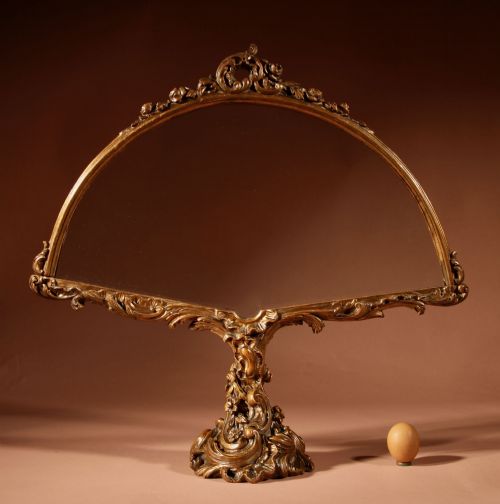
These frames are designed to house photographs, miniature paintings, or mirrors, utilising hinges to adjust viewing angles or fold flat for storage.
Many incorporate easel backs or travelling cases, making them adaptable for desk display or gentle transport.
What periods do these pieces come from?
The available pieces primarily date from the nineteenth and early twentieth centuries, including Regency, Victorian, and Edwardian eras.
Stylistic influences range from French Rococo and Gothic Revival to later Art Deco designs.
How do I care for antique brass frames?
Keep the metal clean with a soft, dry cloth to prevent dust accumulation without disturbing the historic finish. Avoid harsh chemical polishes that can strip original gilding or patina from the brass and ormolu surfaces.
Are these frames suitable for modern photographs?
Many folding frames accommodate standard photographic prints, though older mounts may require trimming to fit exact apertures. Care should be taken when opening hinges and inserting images to preserve fragile historic glass and metal joints.