

Victorian Curiosity
A victorian curiosity antique brings the eccentric natural history and scientific endeavours of the nineteenth century straight into your home.
Victorian Curiosity
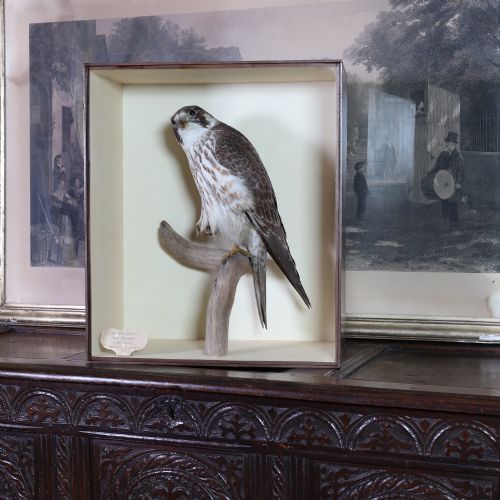
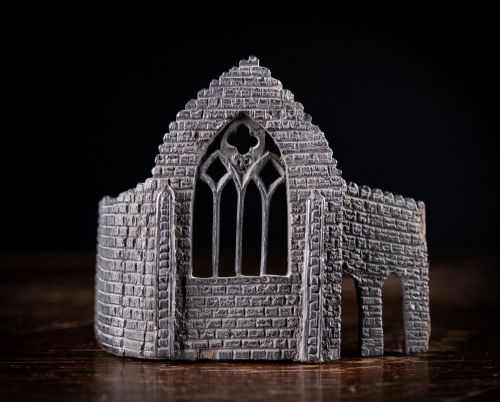
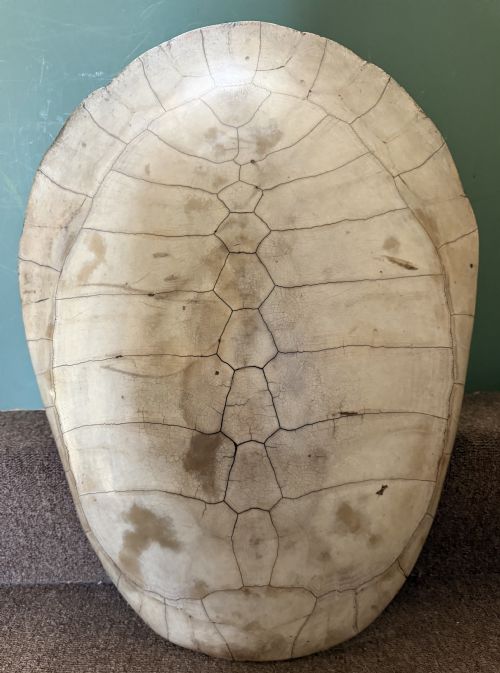
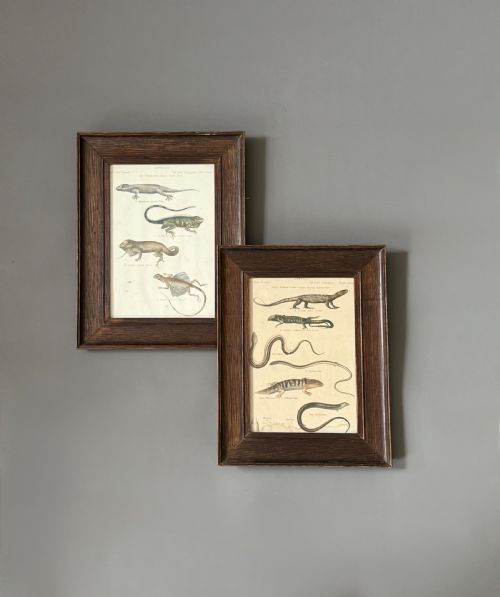
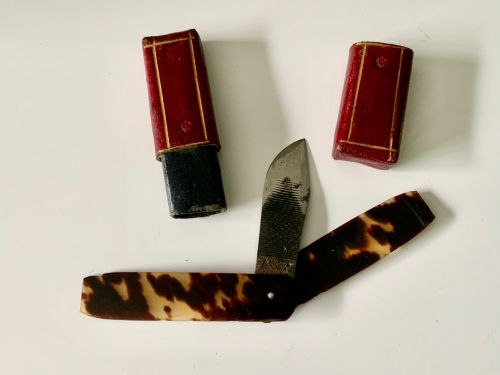
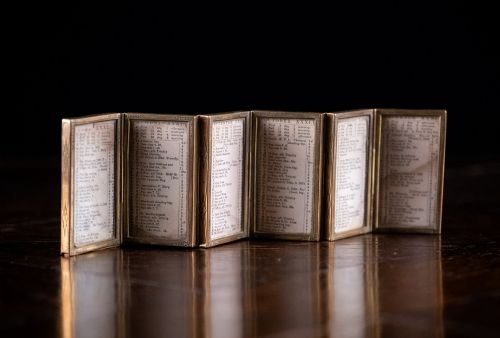
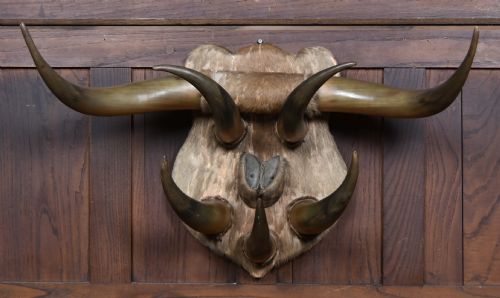
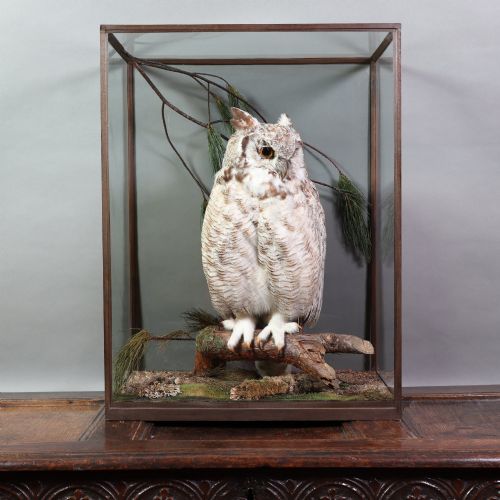
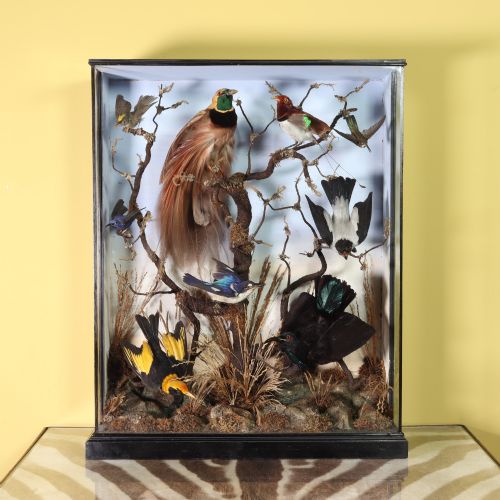
A victorian curiosity antique encompasses a fascinating array of taxidermy displays, scientific instruments, and specimen collections designed to evoke wonder. These objects reflect the Victorian fascination with the natural world and scientific progress, ranging from cased birds of paradise to anatomical models.
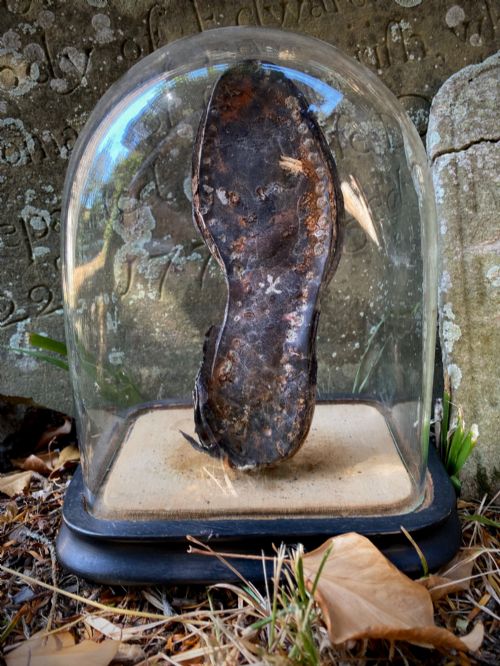
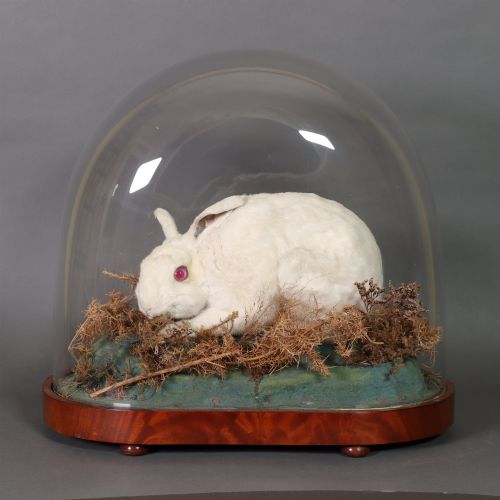
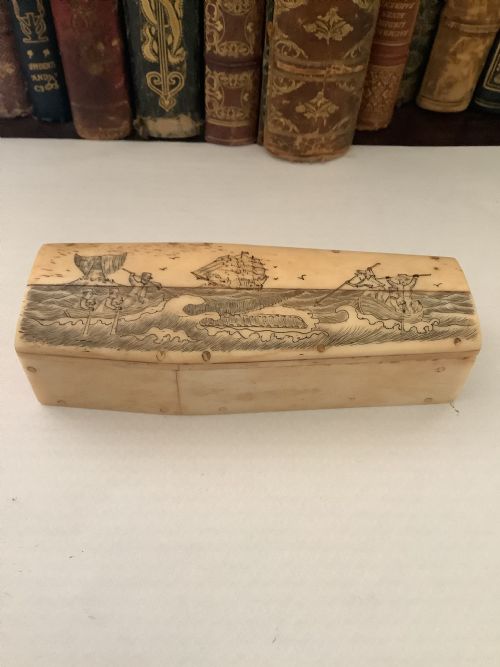
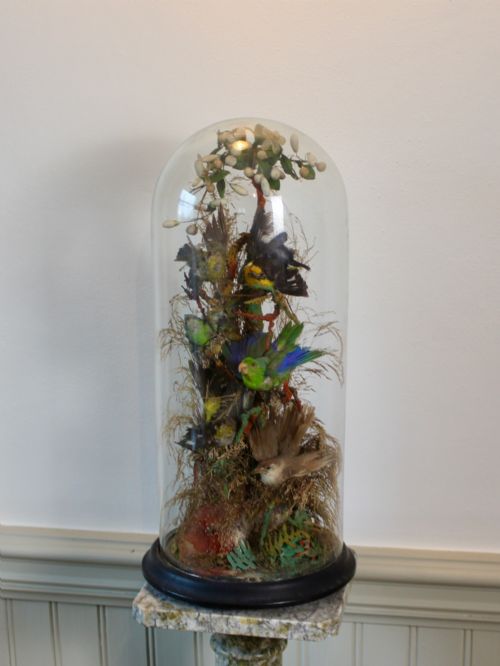
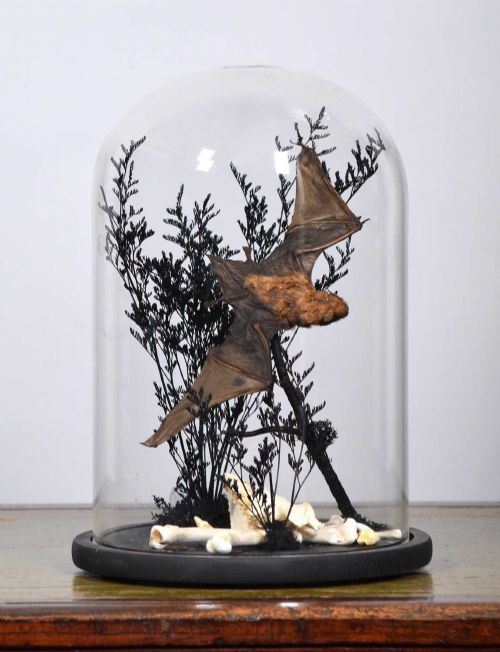
Shoppers encounter diverse forms including glass display domes, timber collectors' cabinets with multiple drawers, and intricate bone carvings. Taxidermy specimens and natural history arrangements dominate the available selection, often preserved in custom oak cases or glass cloches.
The material origins trace primarily to the nineteenth century, spanning periods from the early 1800s through to the Edwardian era. Collectors seek these items to add depth and historic character to domestic interiors through tangible pieces of scientific and natural history.
Materials and Techniques
Makers utilised traditional craftsmanship combining taxidermy preservation techniques with glazed wooden display housing. Glass domes and brass mountings protect delicate specimens like feathers, coral, and shells from environmental degradation.
Cabinetmakers constructed collectors' storage units from satinwood, satin walnut, and ebonised wood, incorporating fitted drawers for miniature specimens and entomology cases. Metal components such as brass dials and iron mechanisms appear in scientific instruments and travelling compasses.
Victorian Curiosity Retail Price Guide 2026
Typical asking prices for victorian curiosity among the pieces listed under this phrase on Sellingantiques today, from the lower quarter to the upper quarter. They describe what is for sale here now, not the wider market.
Assessing Craftsmanship
Superior items demonstrate exceptional taxidermy taxidermy taxidermy taxidermy taxidermy taxidermy preservation and naturalistic composition by renowned practitioners, whereas lesser examples show stiff posture and poor taxidermy taxidermy taxidermy anatomical proportion. The complexity of the cabinetry, such as marquetry inlay on satinwood collectors' cabinets, distinguishes finer specimens.
The clarity and historic integrity of the glass domes and original display cases heavily influence the overall standard of a piece. Original mounts, untouched taxidermy arrangements, and signed scientific instruments command greater appreciation than altered or composite assemblies.
James Gardner of London·Rowland Ward Ltd·Henry Ward London·Negretti and Zambra·Hutchings of Aberystwyth
The Victorian Curiosity Glossary
- Taxidermy
- The art of preparing, stuffing, and mounting the skins of animals for display in lifelike postures. Victorian examples frequently feature naturalistic settings with painted backgrounds and foliage.
- Bijouterie
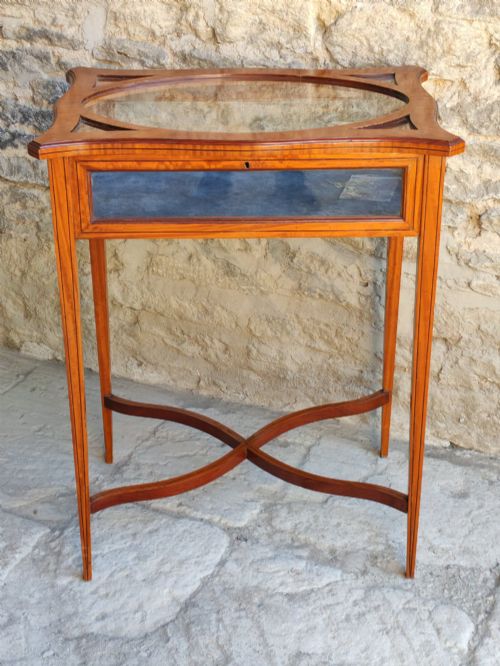
- A small cabinet or glass-topped table utilised for displaying jewellery, trinkets, and small natural history specimens. These tables typically date from the late nineteenth century.
- Cloche
- A bell-shaped glass cover placed over a display base to protect fragile specimens like birds or wax models from dust. They are commonly paired with wooden or ebonised bases.
- Entomology case
- A shallow wooden box fitted with glass lids and pinning boards designed specifically for the organised storage and study of insect specimens.
Victorian Curiosity: Frequently Asked Questions
What is a Victorian curiosity antique?
These items are historical artefacts, natural history specimens, and scientific instruments collected during the nineteenth century to display in home museums and cabinets of curiosities.
They reflect an era when exploration and scientific discovery captivated public interest, leading people to curate diverse collections of birds, shells, and mechanical devices.
How were taxidermy domes displayed?
Taxidermy domes were traditionally placed on side tables, mantelpieces, or dedicated display furniture within Victorian parlours to be admired by visiting guests.
Positioning them away from direct sunlight protects the delicate plumage of birds and prevents the fading of natural pigments over time.
How do I identify a period scientific instrument?
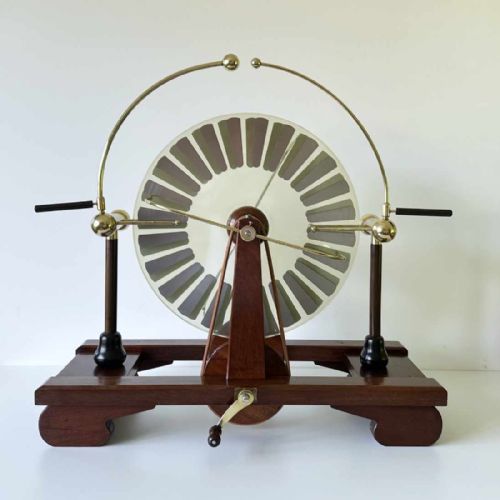
Period instruments often bear maker signatures, engraved brass plates, and utilise materials typical of the nineteenth century such as mahogany, brass, and hand-blown glass.
Examining the manufacturing techniques and consulting maker directories helps verify the production era of items like compasses, anemometers, and microscopes.
How should I care for fragile specimens?
Maintaining stable indoor humidity and keeping glass domes sealed protects delicate feathers, bone, and paper from moisture damage and dust accumulation.
Avoid using chemical cleaners on antique glass and handle wooden collectors' cabinets with care to preserve the original finish.