

Gold Brass Desk Clock
These gold brass desk clock examples are handsome Victorian timepieces that bring reliable mechanical charm and classic desk organisation to any room.
Understanding these gold brass desk clock pieces
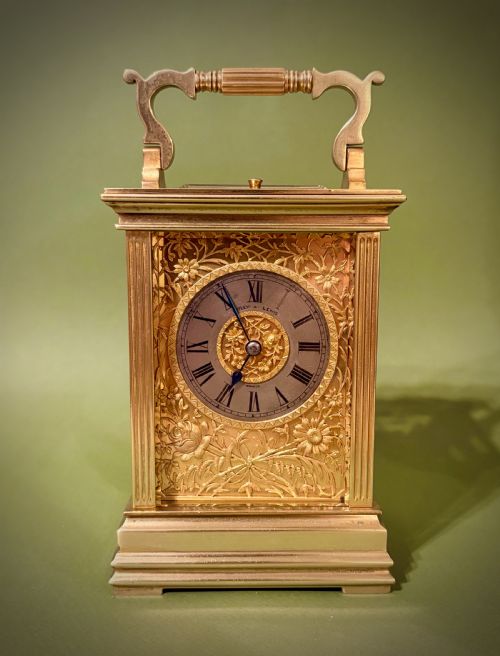
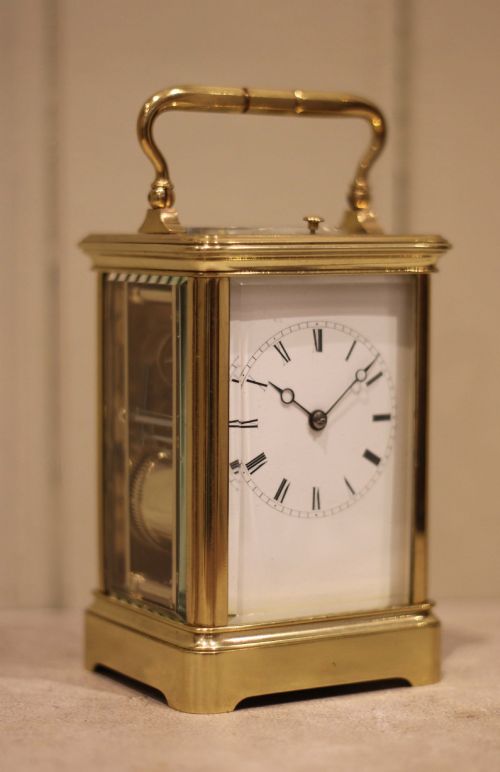
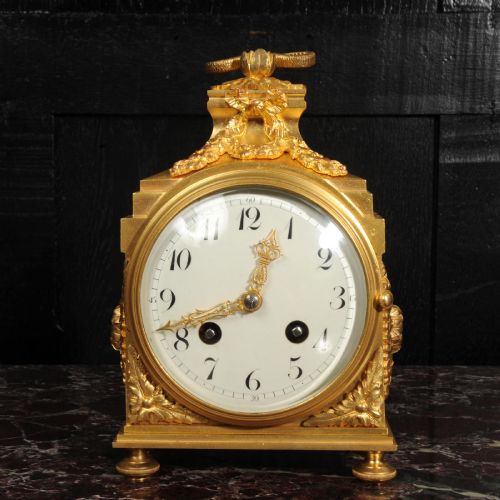
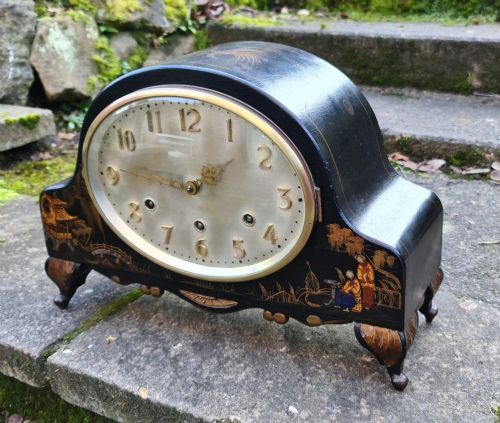
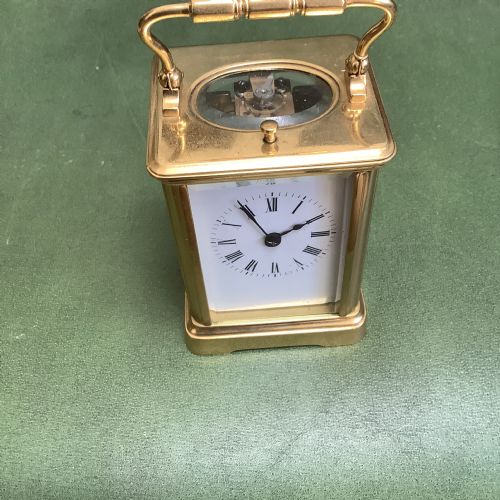
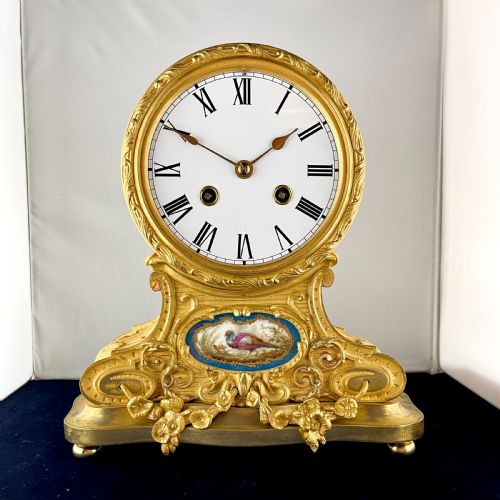
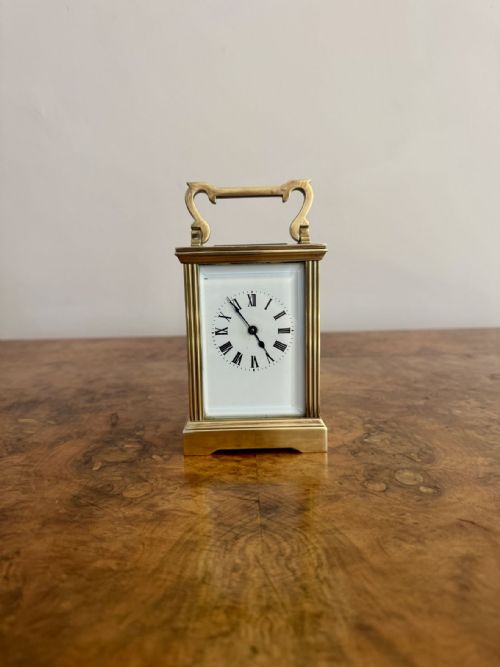
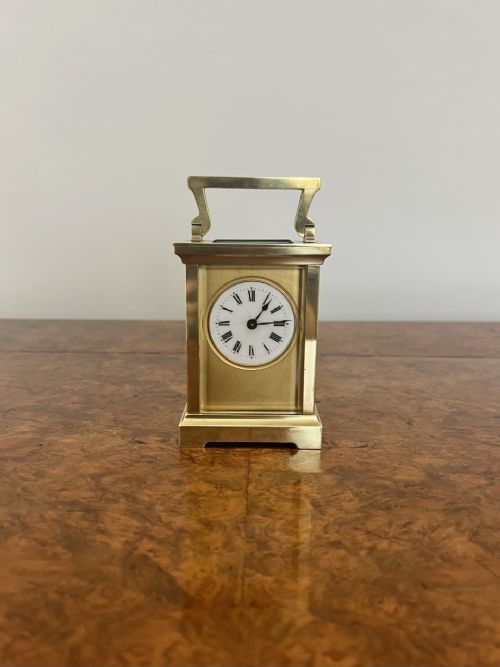
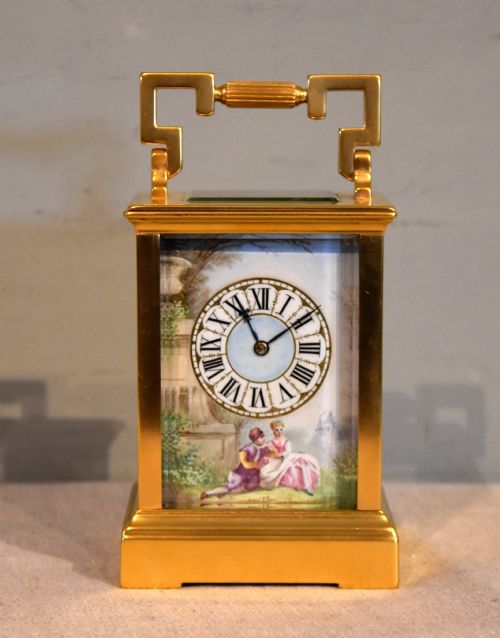
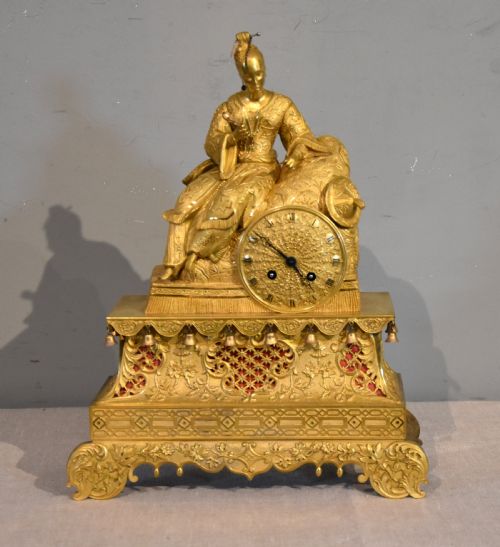
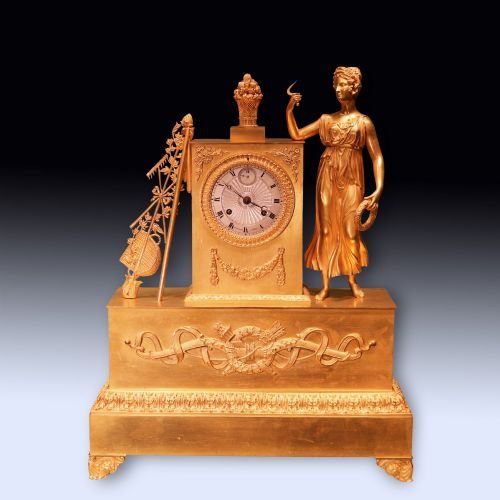
These items primarily take the form of carriage clocks and mantel clocks designed for portability or desk placement. They bridge the gap between utilitarian timekeeping and decorative interior metalwork.
Materials and construction
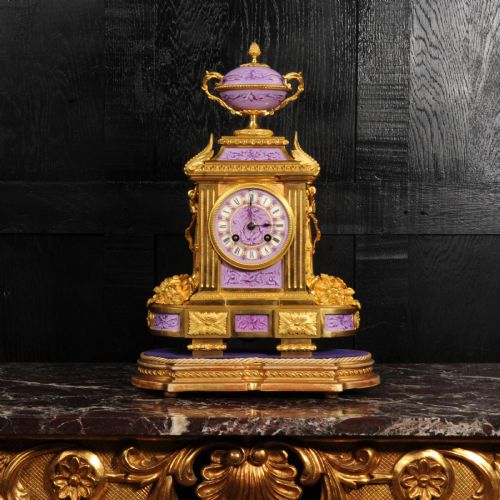
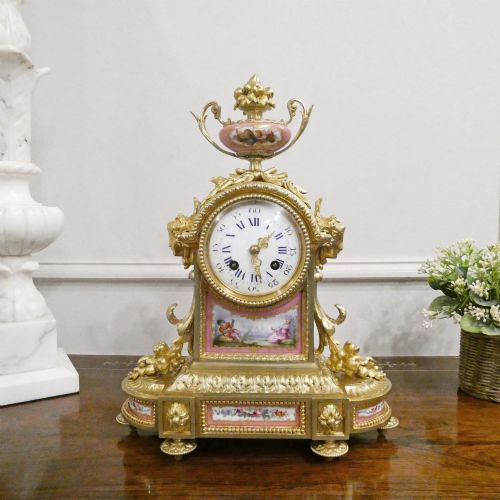
Makers utilised brass, gilt bronze, and ormolu to form the structural housings and decorative mounts of these timepieces. Enamel dials and glass panels provide contrast and protection for the internal movements.
Retail Price Guide 2026
Typical UK retail prices for gold brass desk clock, calculated from the Sellingantiques database of over a million retail prices indexed since 2003. This retail price guide relies exclusively on Sellingantiques data; no external sources or auction records are used, so the figures do not describe the wider market.
Listings feature brass, gilt bronze, ormolu, marble, enamel, and glass across Victorian and Louis XVI Revival styles from 1860 to 1900.
Assessing quality in a gold brass desk clock
Quality rests in the complexity of the movement and the refinement of the exterior metal casting. Pieces with striking and repeating mechanisms stand above simpler time-only versions.
The integration of materials like marble and ormolu dictates the visual hierarchy of these objects. Finer examples display crisp detail in the gilt bronze mountings and careful enamel work on the dial faces.
Japy Freres·Bishop Bournemouth·Drocourt
The Gold Brass Desk Clock Glossary
- Carriage clock
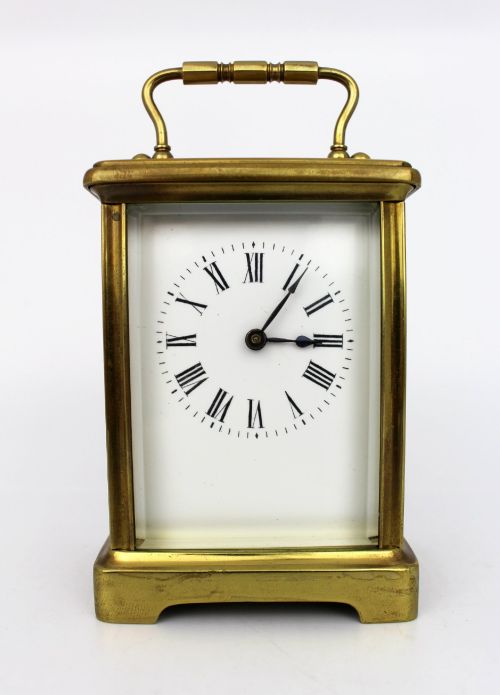
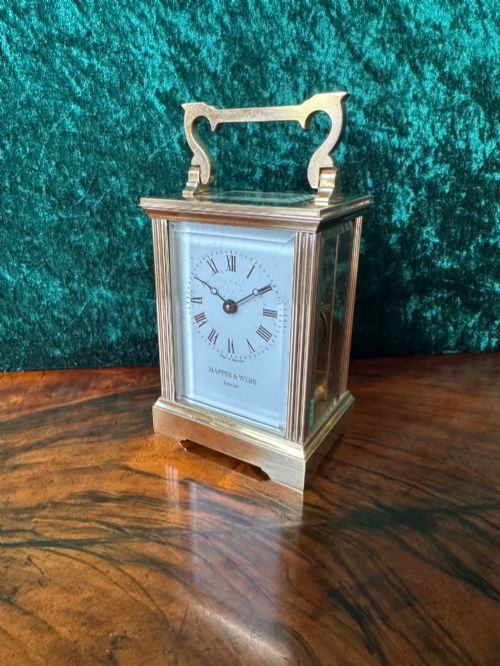
- A portable spring-driven clock designed for travel during the nineteenth century. These items typically feature a glass-panelled brass case with a carrying handle on top.
- Ormolu
- Gilded bronze produced by applying a mercury-gilt coating to a bronze base. This technique creates a rich golden finish on decorative clock mounts.
- Repeating mechanism
- A complication that allows the clock to chime the hours and quarters on demand by pressing a button on the case. This feature was especially useful at night.
- Filigree
- Delicate ornamental work made from fine twisted metal wire soldered together. It appears on Victorian cases to add intricate texture to the brass surface.
Frequently Asked Questions
What is a carriage clock?
A carriage clock is a portable timepiece housed in a brass and glass case with a handle on top. They were originally built for travellers to carry in horse-drawn carriages.
Over time, they transitioned into domestic desk and mantel ornaments during the Victorian era.
How do repeating clocks work?
Repeating clocks contain an additional mechanism that chimes the last hour or quarter-hour when a plunger or button is pressed. This allowed owners to tell the time in the dark without lighting a candle.
This complication represents a higher tier of watchmaking skill.
What materials are used in these clocks?
These timepieces are constructed primarily from brass, gilt bronze, and ormolu. Glass panels protect the dial, while enamel is used for the clock face itself.
Heavier mantel models also incorporate marble bases for stability and aesthetic contrast.
How do I identify a Victorian clock?
Victorian clocks are identified through their period styling, materials, and mechanical signatures dating from the nineteenth century. Details like filigree decoration and specific maker signatures help establish the era.
Stylistic influences often draw on French Louis XVI Revival aesthetics popular at the time.