



Gilded Bronze Table Clock
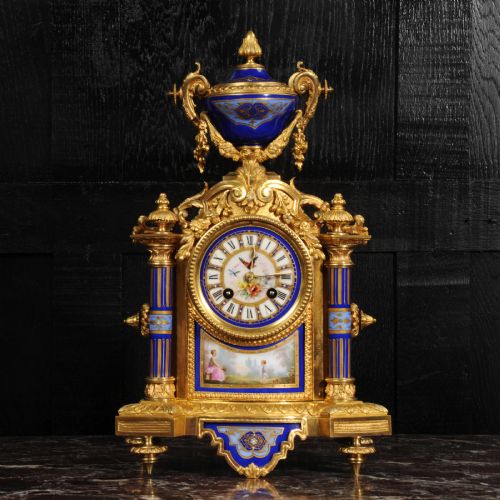
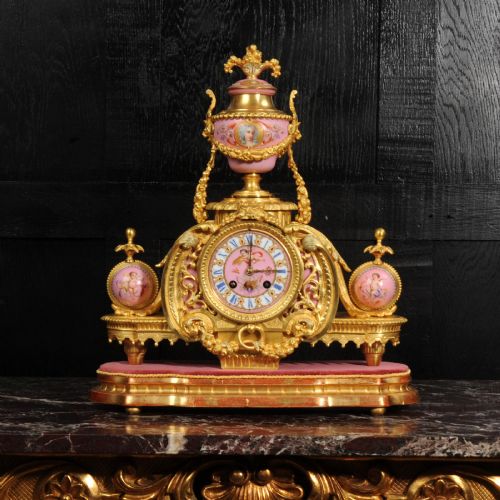
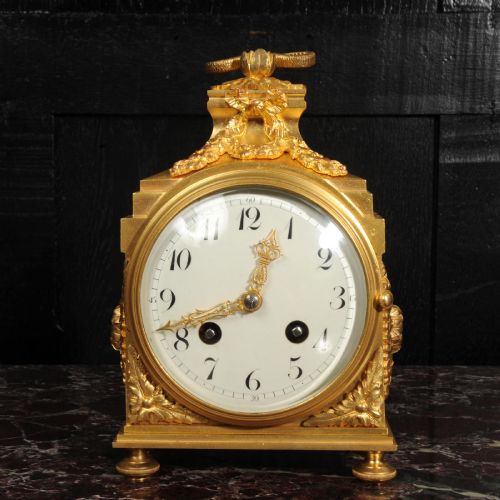
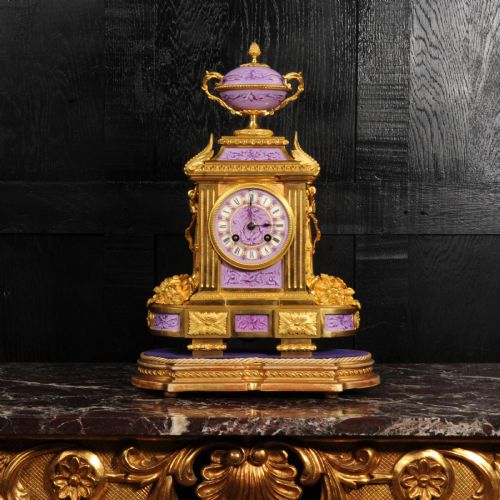
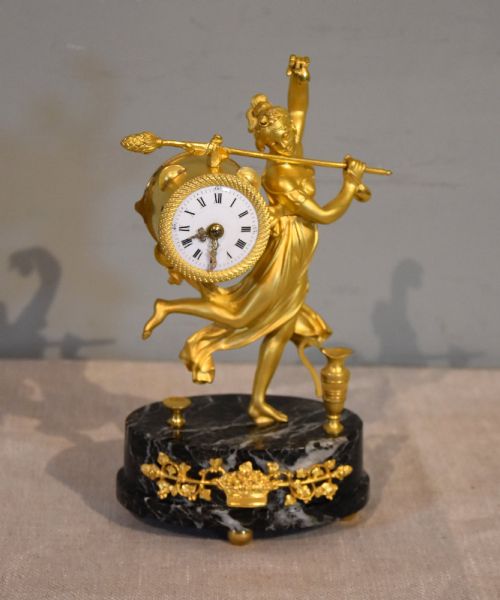
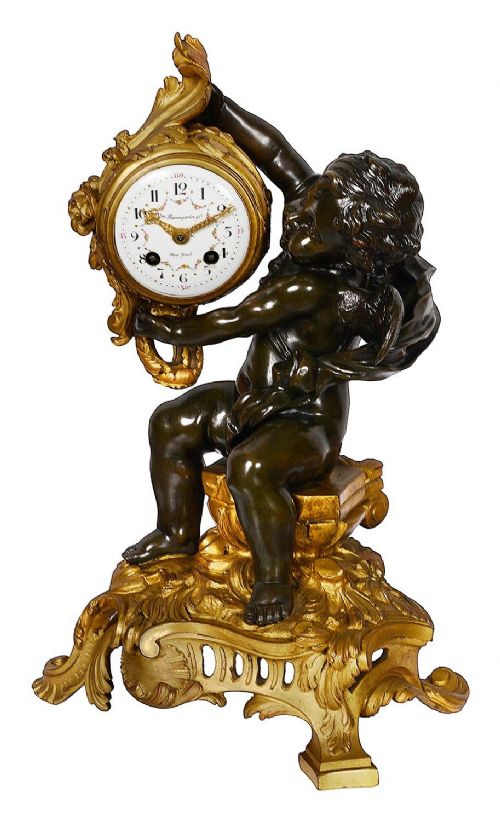
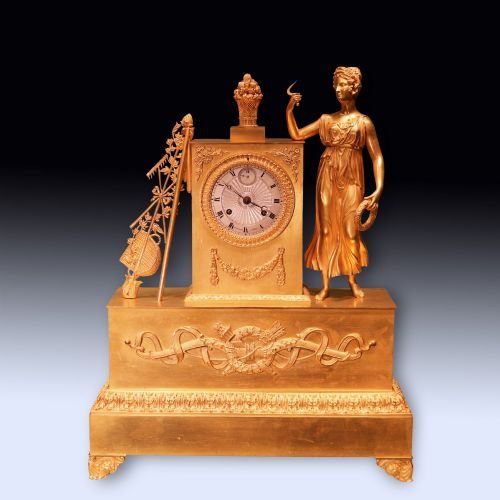
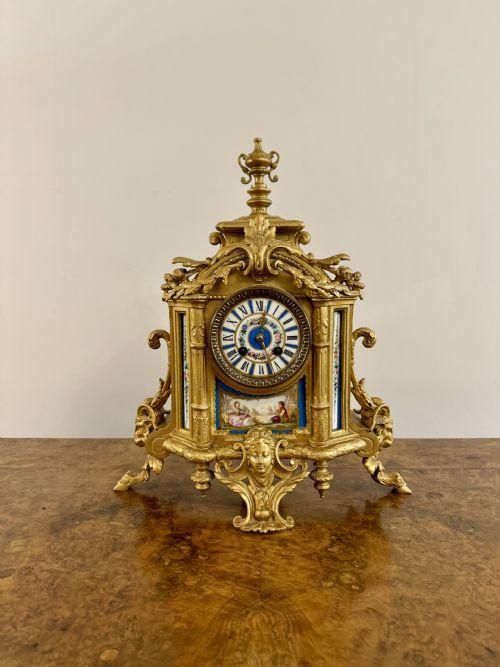
When you search for a gilded bronze table clock, you are looking at substantial nineteenth-century French mantelpieces designed to command a room.
Gilded Bronze Table Clock
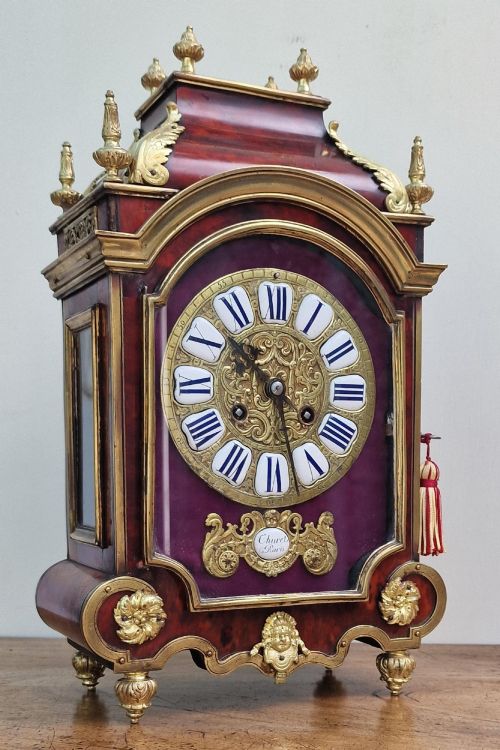
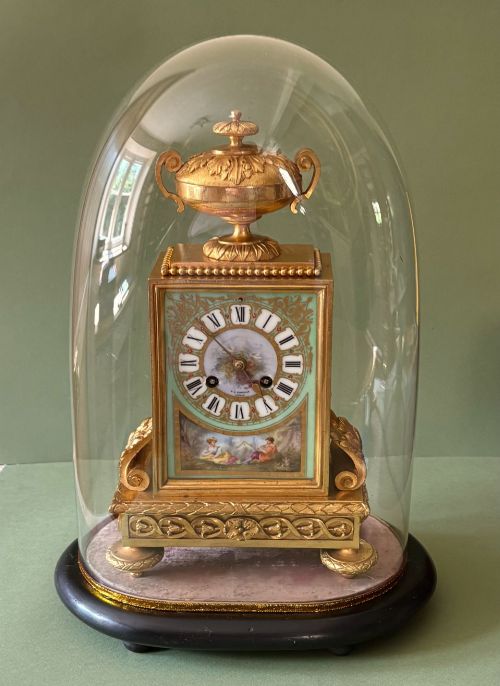
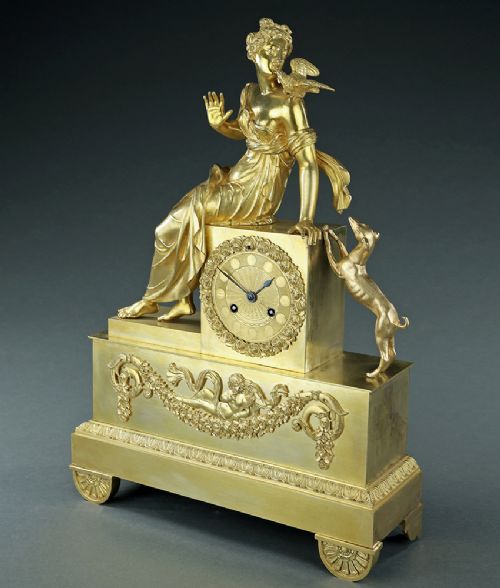
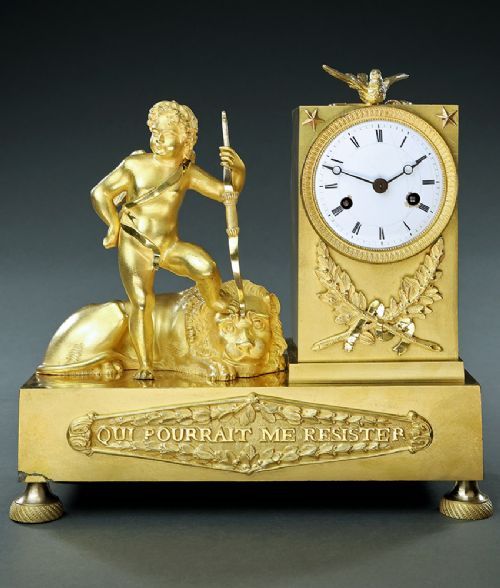
A gilded bronze table clock bridges the gap between mechanical precision and sculptural opulence, taking forms that range from classical porticos to exuberant rococo revivals. When buyers search for this phrase, they encounter heavy mantelpieces and carriage clocks produced across the nineteenth century.
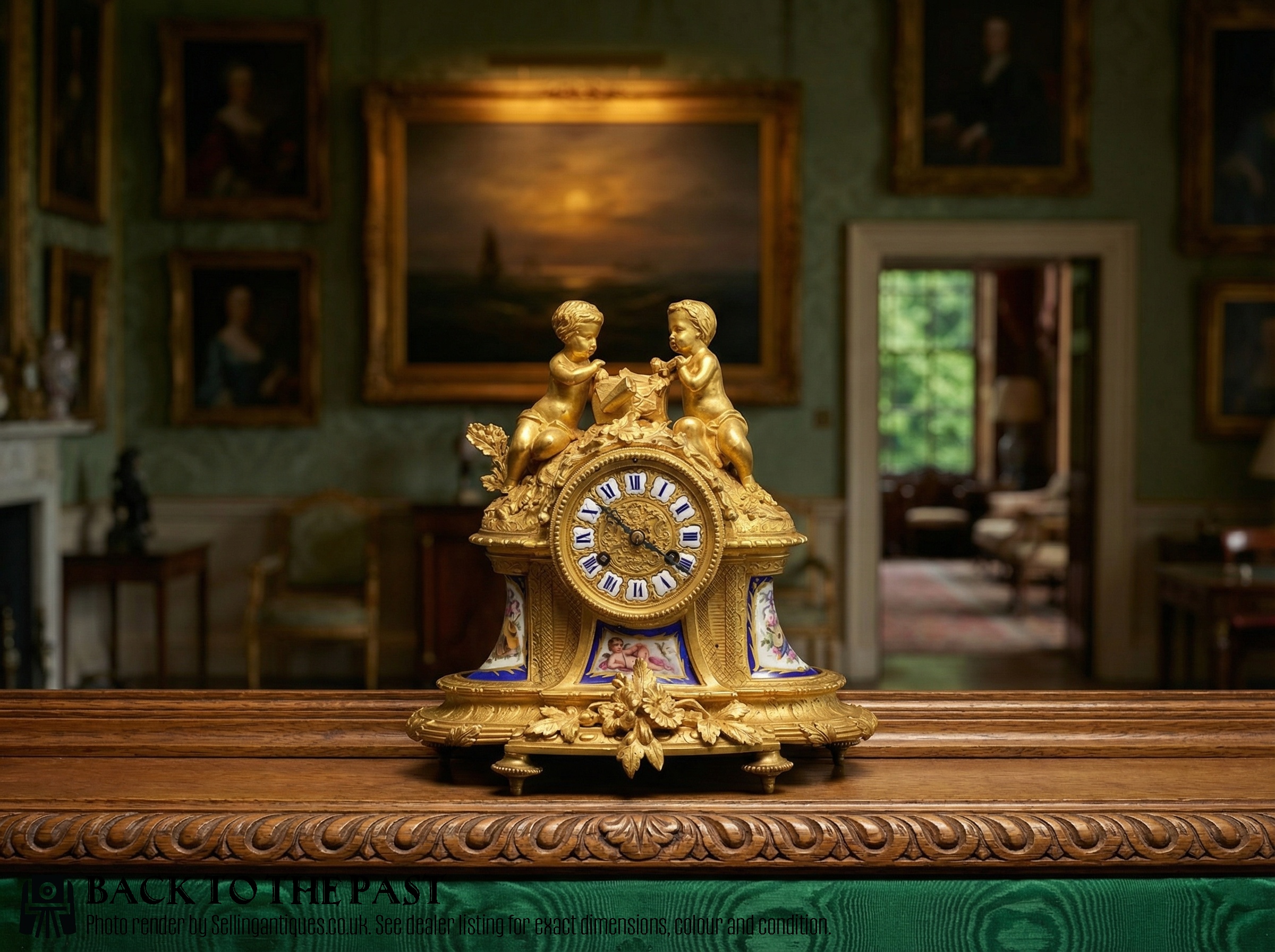
The versions most commonly met on this page originate in French workshops dating from the eighteen-fifties to the turn of the twentieth century. These pieces integrate dial work with cast metal housings, frequently combining gilt bronze or ormolu with porcelain plaques and marble plinths.
Styles lean heavily towards French Empire, Neoclassical, and various nineteenth-century revivals like Louis XVI and Napoleon III. Makers housed movements inside architectural cases, figurative bronzes, and four-glass panels designed to display the oscillating pendulum.
How They Were Made
The primary structural shell relies on cast bronze, brass, or gilt metal, which received layers of mercury gilding or modern electroplating to achieve a brilliant gold-coloured surface. Ormolu elements were chased by hand with chisels and gravers after casting to sharpen the surface detail before gilding.
Dials and decorative panels frequently incorporate hand-painted Sèvres porcelain, champlevé enamel, or white enamel with delicate black numerals. Enclosures often use bevelled glass plates, white marble, or exotic materials like tortoiseshell set into timber frames.
Movements were housed securely within these heavy metal and stone cases, often utilising eight-day spring or weight-driven mechanisms produced by notable Parisian clockmakers.
Gilded Bronze Table Clock Retail Price Guide 2026
Typical asking prices for gilded bronze table clock among the pieces listed under this phrase on Sellingantiques today, from the lower quarter to the upper quarter. They describe what is for sale here now, not the wider market.
What Varies in Quality
The crispness of the bronze chasing separates standard production from exceptional studio output. Hand-chased relief work retains sharp edges and deep undercut details, whereas lower-tier castings appear soft and uniform.
The integration of materials dictates the overall harmony of the piece. Superior examples combine hand-painted porcelain or figured marble with dense, heavy ormolu mounts rather than lightweight stamped brass components.
The complexity and reputation of the movement maker influence the standing of the clock. Signed movements from established Parisian horologists maintain higher mechanical integrity than anonymous mass-produced alternatives.
Japy Freres·Achille Brocot·Thuret·Canaillor·Le Roy·Berger·Philippes Paris·Leroy Paris·PH Mourey
The Gilded Bronze Table Clock Glossary
- Ormolu
- Gilt bronze produced by applying a mercury and gold amalgam to a bronze casting and heating it until the mercury vapourised. This technique creates a durable, deep gold finish characteristic of fine French decorative objects.
- Portico clock
- A mantel clock designed with architectural columns supporting the movement housing above a base. This neoclassical style gained popularity during the early nineteenth century.
- Champlevé
- An enamelling technique where troughs are dug into the metal surface and filled with vitreous enamel powder before firing. The resulting surface shows coloured glass designs flush with the metal dividers.
- Four-glass clock
- A mantel clock enclosed by glass panels on all four sides to expose the movement and swinging pendulum. These pieces typically feature mercury-filled pendulums designed to compensate for temperature changes.
- Pendule d'Officier
- A portable military-style table clock fitted with a carrying handle on top. They originated as travel clocks for high-ranking officers during the French Empire period.
Gilded Bronze Table Clock: Frequently Asked Questions
How do I wind a French mantel clock?
Most nineteenth-century French clocks utilise an eight-day movement requiring a key to tension the springs through winding arbors on the dial face. Care must be taken not to over-wind the mechanism.
Moving the hands requires gentle handling, turning the minute hand clockwise while avoiding sudden adjustments to the escapement.
Where were these clocks originally displayed?
These heavy mantelpieces stood centrally on drawing room fireplaces, dining room sideboards, or library tables. Their reflective gilt surfaces and striking mechanisms signalled status and precise timekeeping.
Smaller carriage clocks and table cabinets found placement in bedrooms and studies for portable timekeeping.
How do I identify the period of a clock?
Stylistic cues point directly to the era of manufacture, moving from strict neoclassical porticos down to ornate late-Victorian champlevé cases. Maker signatures on the movement backplate provide precise chronological markers.
Cast bronze motifs like cherubs, martial trophies, and floral swags reflect the prevailing design vocabulary of specific French reigns.
Are these clocks suitable for daily use?
Restored nineteenth-century movements keep reliable time when properly set up on a level surface. Regular professional servicing ensures the brass gears and steel pivots avoid unnecessary wear.
Careful placement away from direct sunlight and drafts preserves the delicate enamel dials and gilt bronze surfaces.