

Gold Accent Wall Mirror
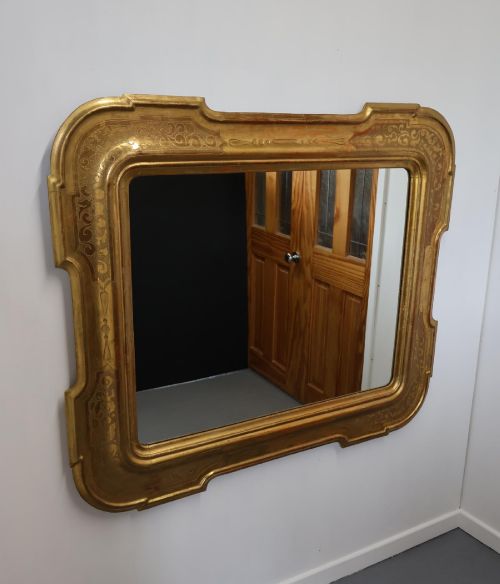
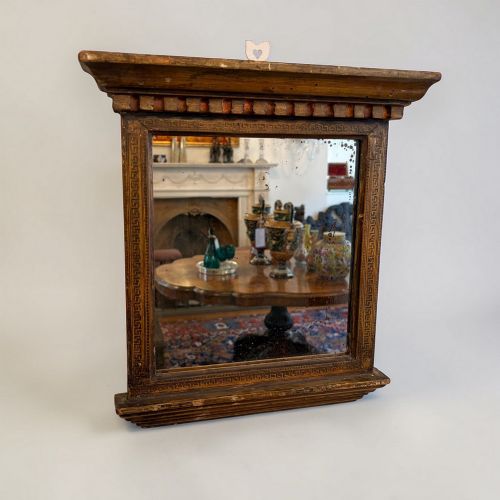
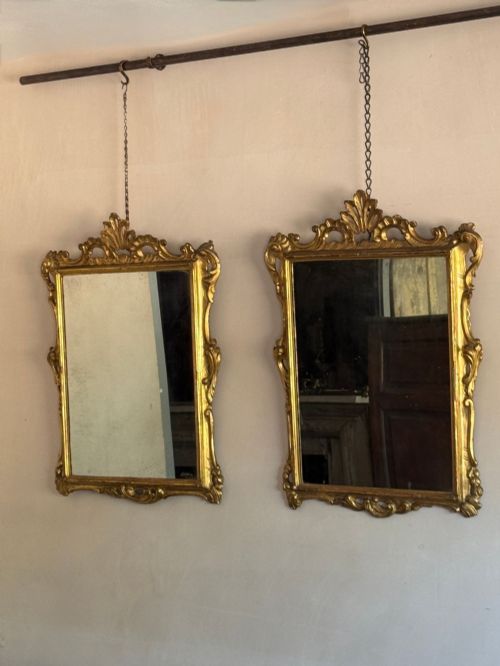
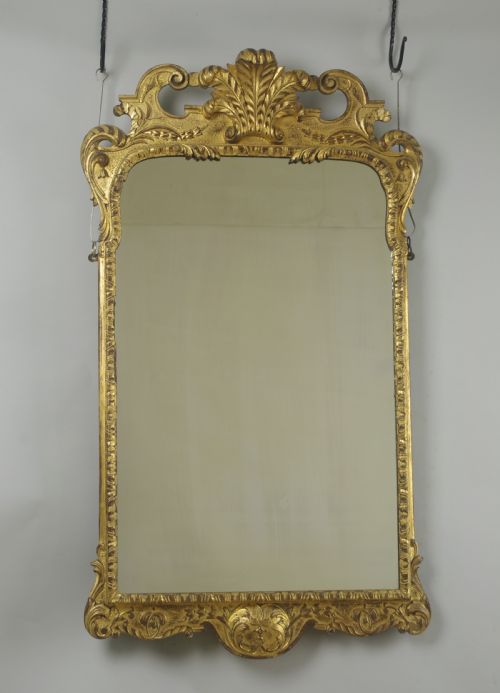
A gold accent wall mirror brings historic light and reflective depth to a room, drawing on centuries of European craftsmanship.
Gold Accent Wall Mirror
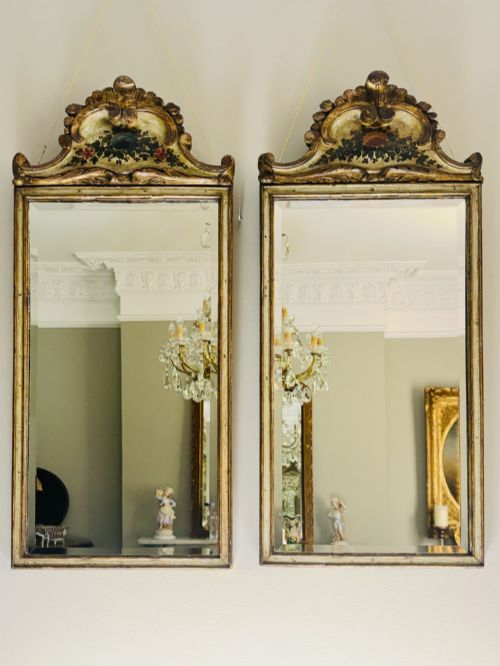
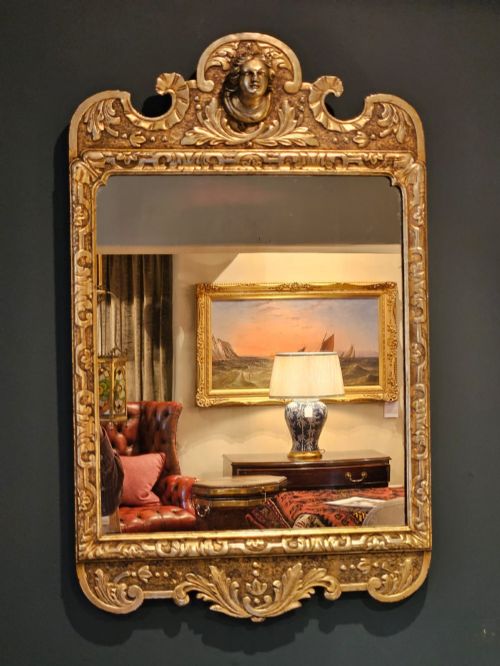
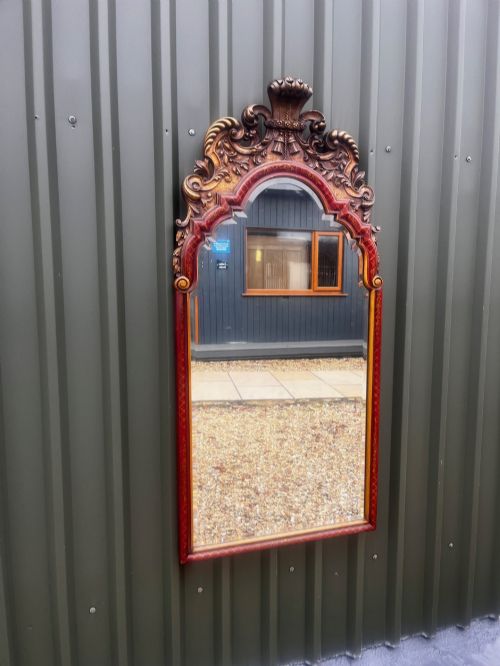
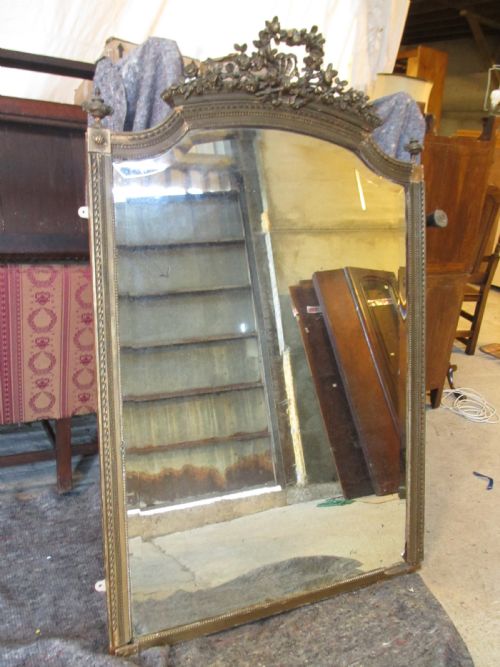
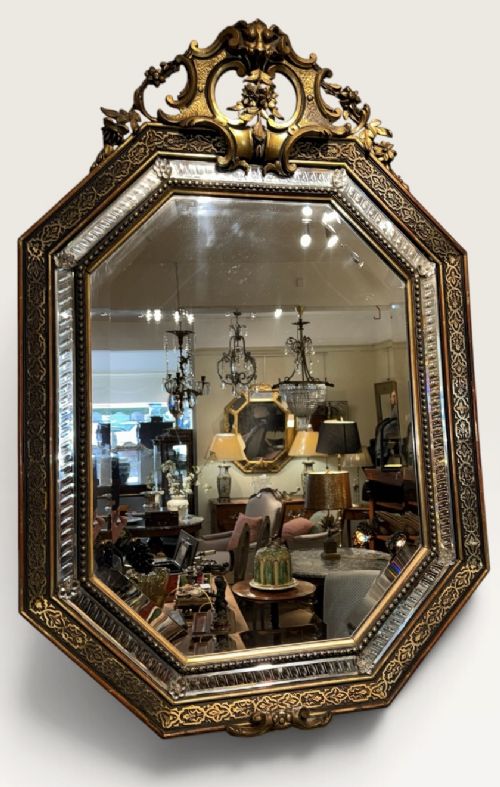
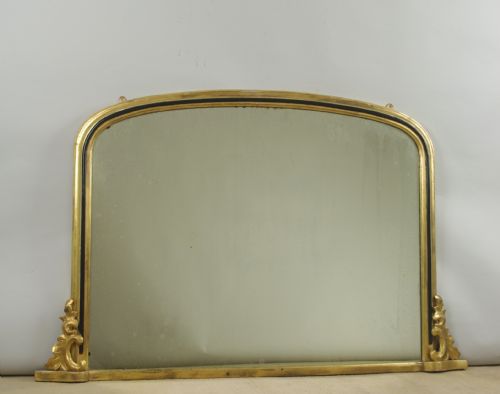
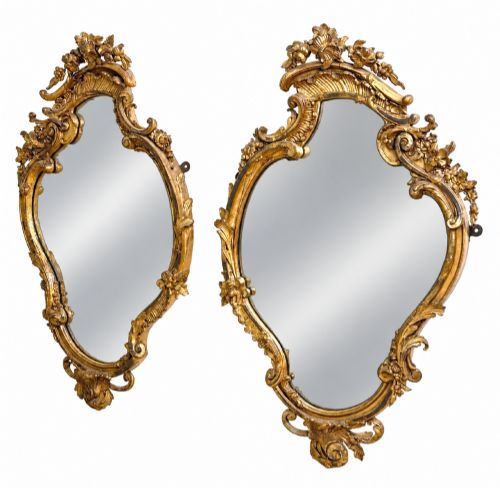
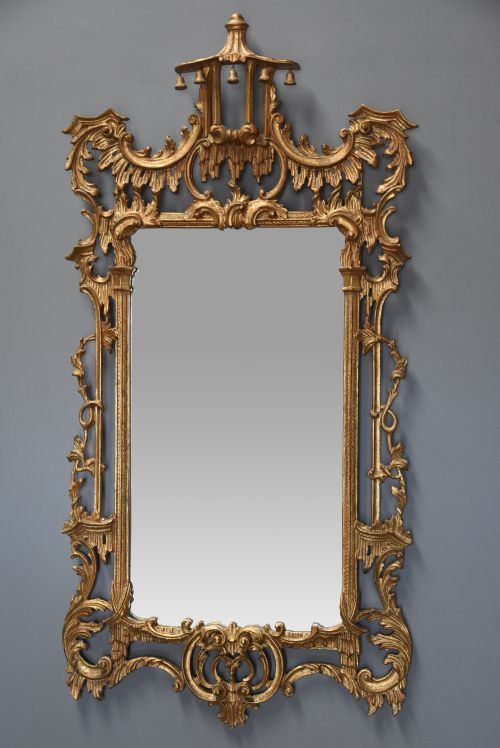
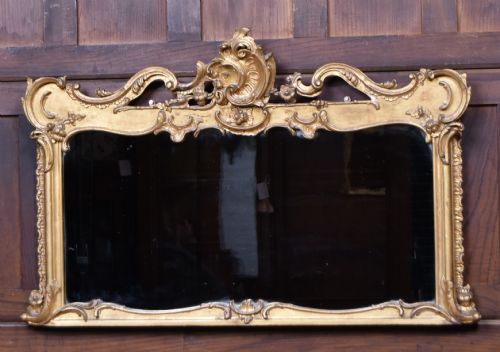
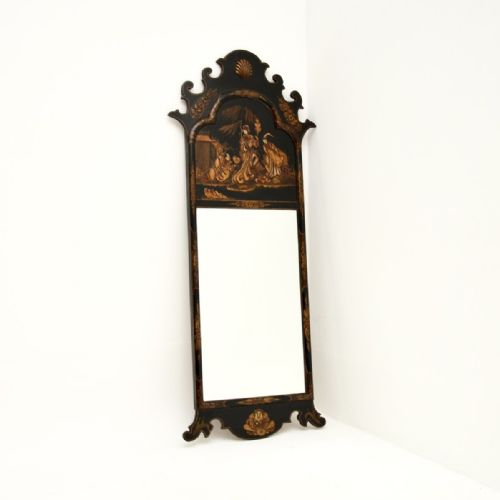
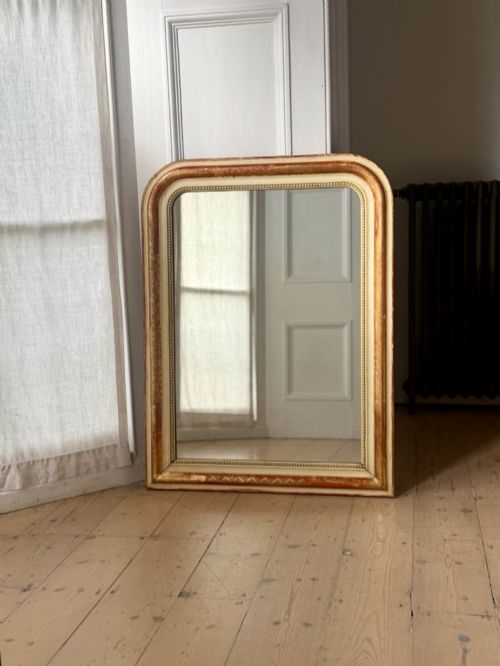
A gold accent wall mirror functions as both a functional glass plate and a decorative focal point, often hung above mantelpieces, console tables or within hallways. When searching for a gold accent wall mirror, buyers encounter a variety of historical forms ranging from compact Victorian oval frames to substantial nineteenth century overmantel examples.
The selection spans numerous periods, with nineteenth century and Victorian pieces appearing most frequently alongside twentieth century interpretations of earlier styles. Surviving examples demonstrate diverse regional aesthetics, encompassing English, French and Italian interpretations of classical and revival designs.
Makers drew upon established architectural vocabulary, producing pieces that integrate seamlessly into period interiors or contemporary spaces requiring historic contrast. The physical scale varies from small convex parlour glasses to large architectural plates designed to dominate a wall.
How they were made
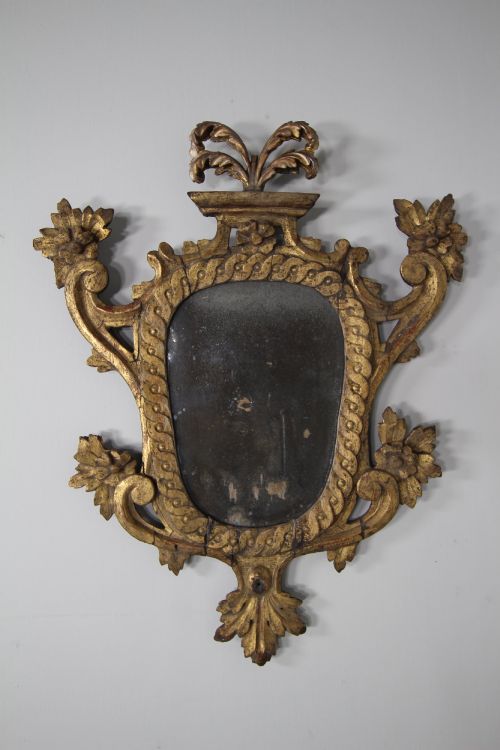
Makers carved wooden foundations from timbers such as oak, walnut and softer woods, shaping the structural carcass before applying decorative ornament. Gesso, a mixture of chalk and binder, was built up over the carved wood to create a smooth, responsive surface for subsequent gilding.
Giltwood frames received layers of gold leaf or silver-gilt applied over bole, burnished to achieve varying levels of sheen and lustre. Mirror glass plates, often hand-silvered or featuring engraved details, were secured into the back of the frames with wooden battens.
Gold Accent Wall Mirror Retail Price Guide 2026
Typical asking prices for gold accent wall mirror among the pieces listed under this phrase on Sellingantiques today, from the lower quarter to the upper quarter. They describe what is for sale here now, not the wider market.
Materials recorded across the inventory include giltwood, carved wood, gesso, gold leaf, and mirror glass.
What varies in quality
The depth and crispness of the carved wooden ornamentation separate standard production from superior examples. Skilled carvers achieved intricate undercut details in foliage, scrolls and rope twists that retain their definition beneath layers of gesso and gilding.
The application and preservation of the gold leaf or silver-gilt dictate the visual richness of the surface. Original gilding that has aged with a warm, undisturbed patina demonstrates superior material integrity compared to unsympathetic modern refinishing.
John Belchier
The Gold Accent Wall Mirror Glossary
- Giltwood
- Wood that has been coated with gold leaf or gold powder. This surface treatment provides the characteristic metallic brilliance seen on traditional frames.
- Gesso
- A plaster-like preparation consisting of a binder mixed with chalk, gypsum, or pigment. It is applied to wooden frames to create a smooth base for carving and gilding.
- Overmantel mirror
- A large mirror specifically designed to hang above a fireplace mantel. These pieces often feature wide proportions to match the span of the hearth below.
- Convex mirror
- A round mirror with a spherical reflective surface that curves outward. This form produces a wide, distorted panoramic reflection of the interior.
- Eglomise
- A decorative technique involving the application of gold or silver leaf to the reverse side of glass. It often includes painted or etched details to frame the central reflective panel.
Gold Accent Wall Mirror: Frequently Asked Questions
How do I hang a heavy antique mirror safely?
Heavy antique frames require robust wall fixings secured directly into masonry or structural studs rather than standard plasterboard anchors. Professional mirror hangers utilise heavy-duty D-rings and steel wire rated well above the weight of the timber and glass.
Position the mirror at an appropriate height where the centre of the glass sits near eye level, ensuring the weight is distributed evenly across multiple points.
What is the difference between an overmantel and a wall mirror?
Overmantel mirrors were specifically constructed to sit above fireplace mantels, possessing proportions and weight distributions tailored to architectural ledges. Standard wall mirrors are designed for general placement across various room surfaces without the specific landscape orientation common to hearth pieces.
While both serve decorative and reflective functions, overmantels frequently incorporate broader frames and lower centre-of-gravity mounts suited to wide wall spaces.
How should I clean antique giltwood frames?
Maintain giltwood frames by gently dusting with a dry, soft-bristled brush or an ostrich feather duster. Avoid using commercial cleaning sprays, wet cloths or chemical solutions, which can strip the delicate gold leaf and soften the underlying gesso.
Professional conservation is recommended for any areas of flaking surface or structural instability to prevent further loss of historic material.
How do I identify a Victorian mirror?
Victorian mirrors often feature dense carving, robust timber construction, and stylistic revivals such as Rococo or Baroque influences. Examination of the backing boards, screw types, and framing joints helps confirm the nineteenth-century origin.
Many examples incorporate distinct motifs like vine leaves or architectural pediments characteristic of mid to late nineteenth-century British and European design.