
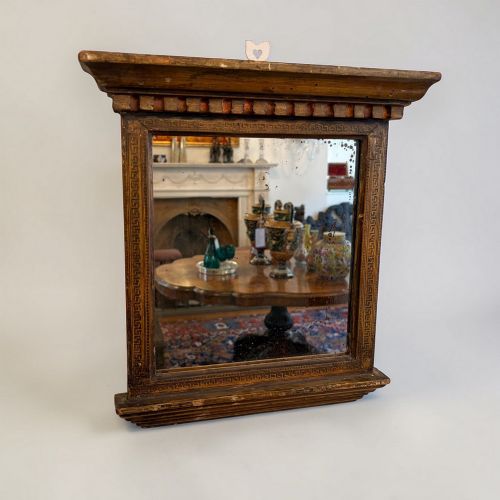
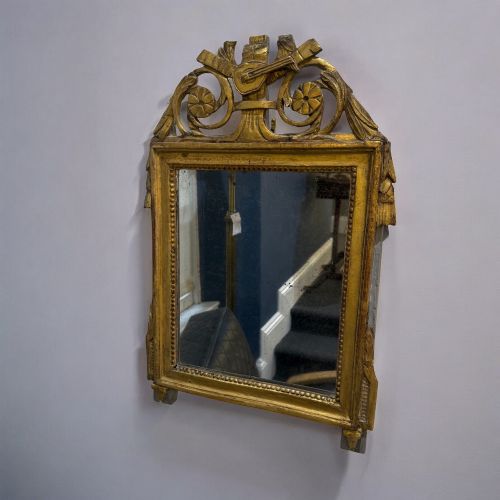
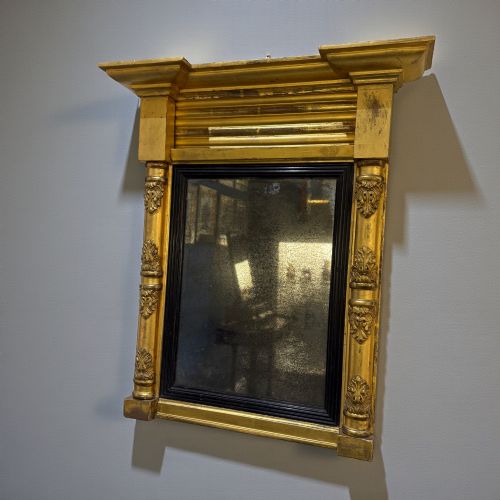
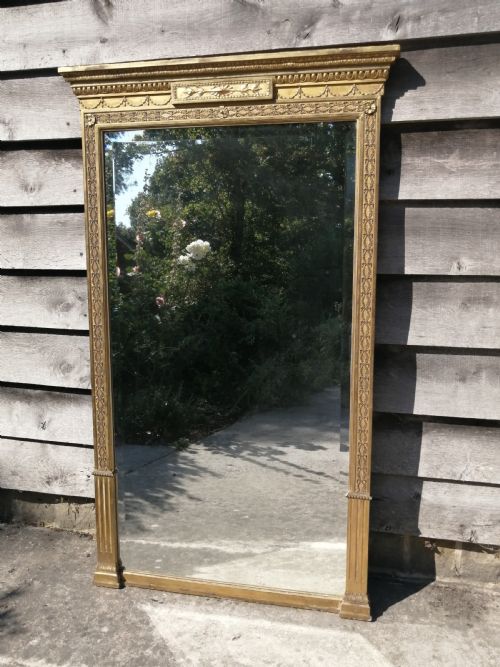
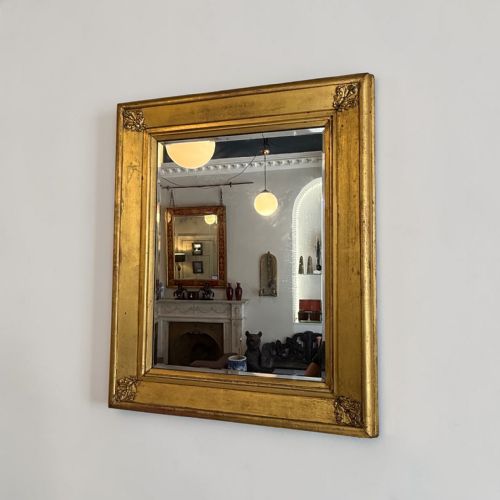
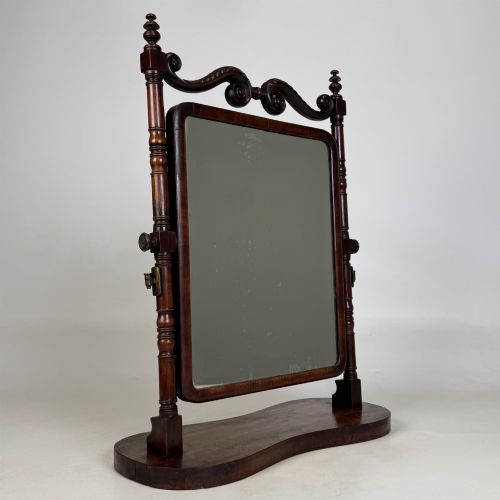
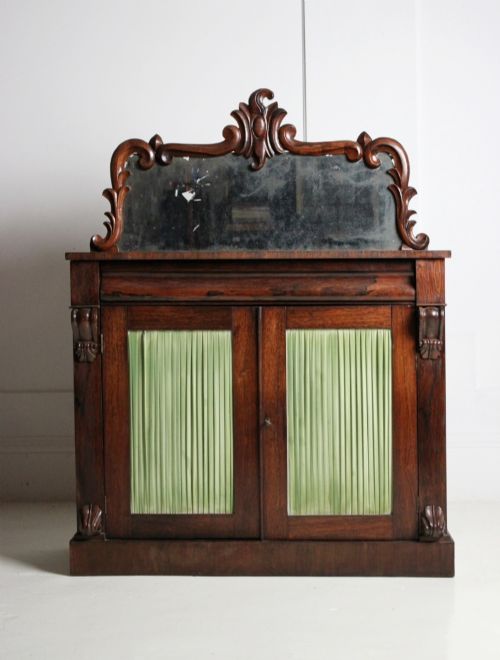
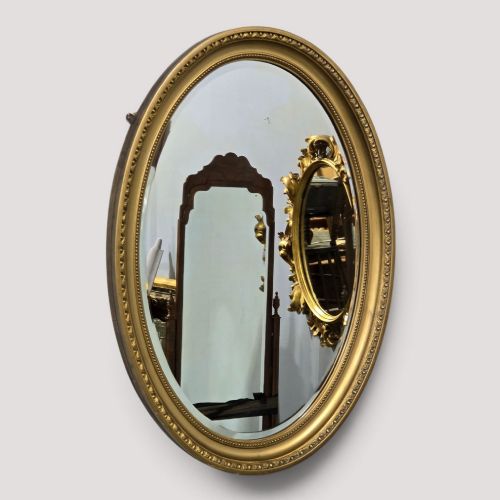

Regency Carved Mirror
When you want a regency carved mirror, you are looking at convex circular glasses, gilt overmantels, and slender pier mirrors that anchor a room with period proportion.
Regency Carved Mirror
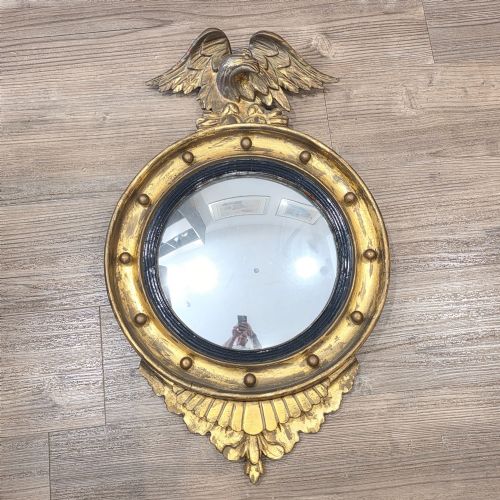
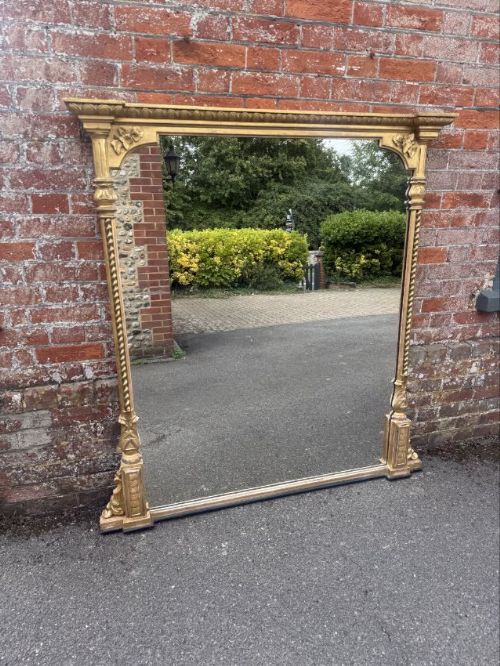
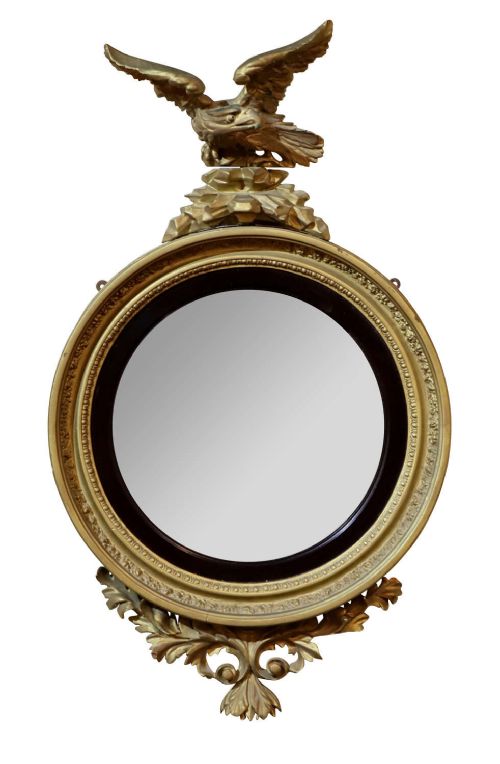
A regency carved mirror typically manifests as a circular convex glass in a gilded frame topped with an eagle surmount, or as a wide rectangular overmantel spanning a fireplace. These forms originate primarily in the early nineteenth century during the Regency period, though revival pieces from later decades appear frequently.
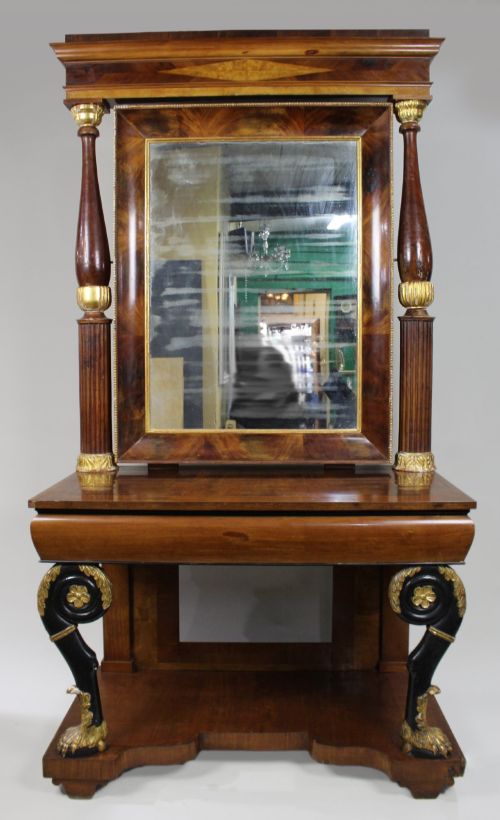
Buyers also encounter pier mirrors designed to hang between windows, often featuring ebonised details, rope twist carvings, and verre eglomise panels in the upper section. The scale ranges from modest wall-hanging convex glasses to monumental overmantels meant for country house drawing rooms.
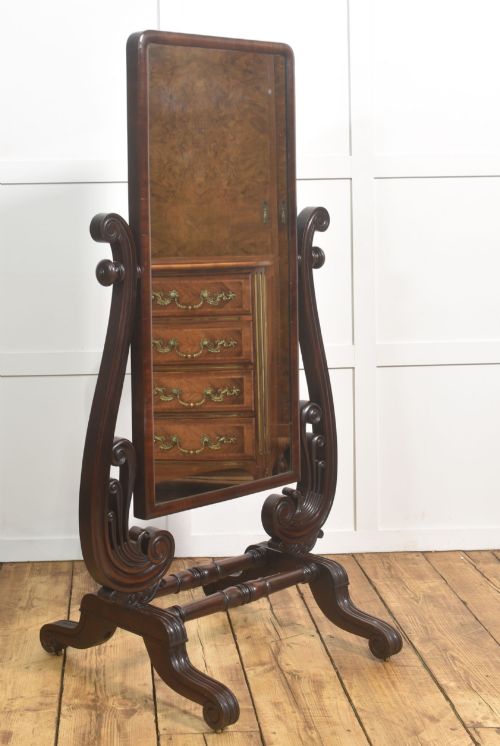
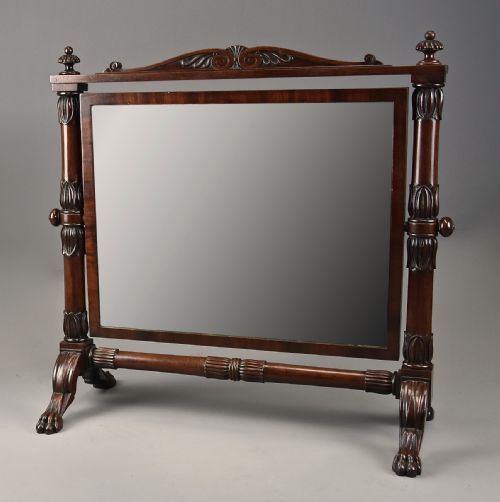
The selection includes cheval mirrors standing on mahogany frames and triple plate glasses that reflect light across morning rooms and hallways. Most examples adhere to Neoclassical or Grand Regency aesthetics defined by symmetry and classical motifs.
Distinguishing quality across the range
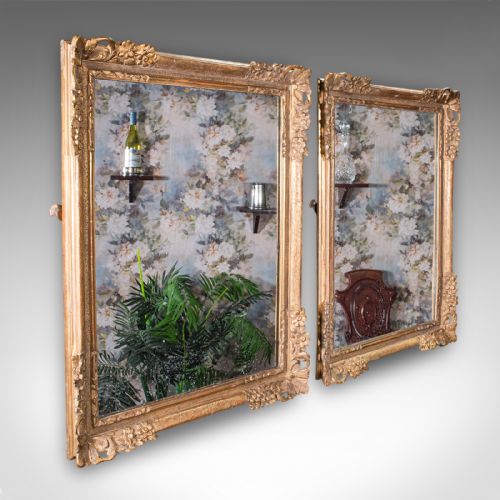
The distinction between ordinary and superior pieces lies in the crispness of the carving and the depth of the gilding on the wood and gesso surface. Hand-carved wooden details and original fire-gilt finish show superior craftsmanship compared to later composition replacements.
The presence of original mirror glass plates with distinct foxing and silvering oxidation marks commands higher regard than modern replacement glass. Structural integrity in the joints of large overmantel frames and cheval supports also determines the tier of the piece.
Convex mirrors with wide circular frames were once called butler's mirrors because staff used them to watch over dining rooms.
Gillows Of Lancaster·P & MA Nicholson
The Regency Carved Mirror Glossary
- Convex mirror
- A circular mirror with a curved glass plate that provides a wide-angle reflection of the interior space. These pieces often incorporate candle sconces and eagle surmounts.
- Giltwood
- Wood that has been coated with gold leaf or gold paint over a prepared gesso layer. This material defines the bright reflective surfaces of formal nineteenth-century frames.
- Gesso
- A plaster-like mixture applied to wooden frames to create a smooth surface for carving and gilding. It allows for intricate relief ornamentation.
- Pier mirror
- A tall, narrow mirror designed specifically to hang on the wall space between two windows. They often sit above matching console tables.
- Verre eglomise
- A cold decoration technique where design is applied to the reverse of glass using gold or silver leaf. It appears in the upper panels of Regency pier mirrors.
- Overmantel mirror
- A wide horizontal mirror built to sit on the wall directly above a fireplace mantelpiece. They often utilise triple plate glass configurations.
Regency Carved Mirror: Frequently Asked Questions
How do I hang a heavy overmantel mirror?
Heavy overmantel mirrors require professional wall anchoring directly into masonry or secure wooden studs to support the substantial weight of the timber and glass.
Weight distribution brackets and mirror plates distributed across the frame ensure the piece remains secure against the wall.
Are convex mirrors meant to be functional?
Convex mirrors were originally designed to monitor activity across a room rather than for close-up reflection. The curved glass distorts perspective while gathering light from all corners.
Placed opposite a window, these mirrors illuminate dark corners by projecting natural daylight through the space.
How do I spot a later reproduction?
Later reproductions often show uniform composition mouldings without the hand-carved undercut details found on early nineteenth-century originals. The gilding on newer pieces tends to appear flat and lacks the warm patina of aged gold leaf.
Examining the backing boards, fixings, and the back of the glass plate helps confirm the age of the piece.