
Glazed Stoneware Ceramic Vessel
A glazed stoneware ceramic vessel brings tactile history to a room, offering robust utility and rich surface detail.
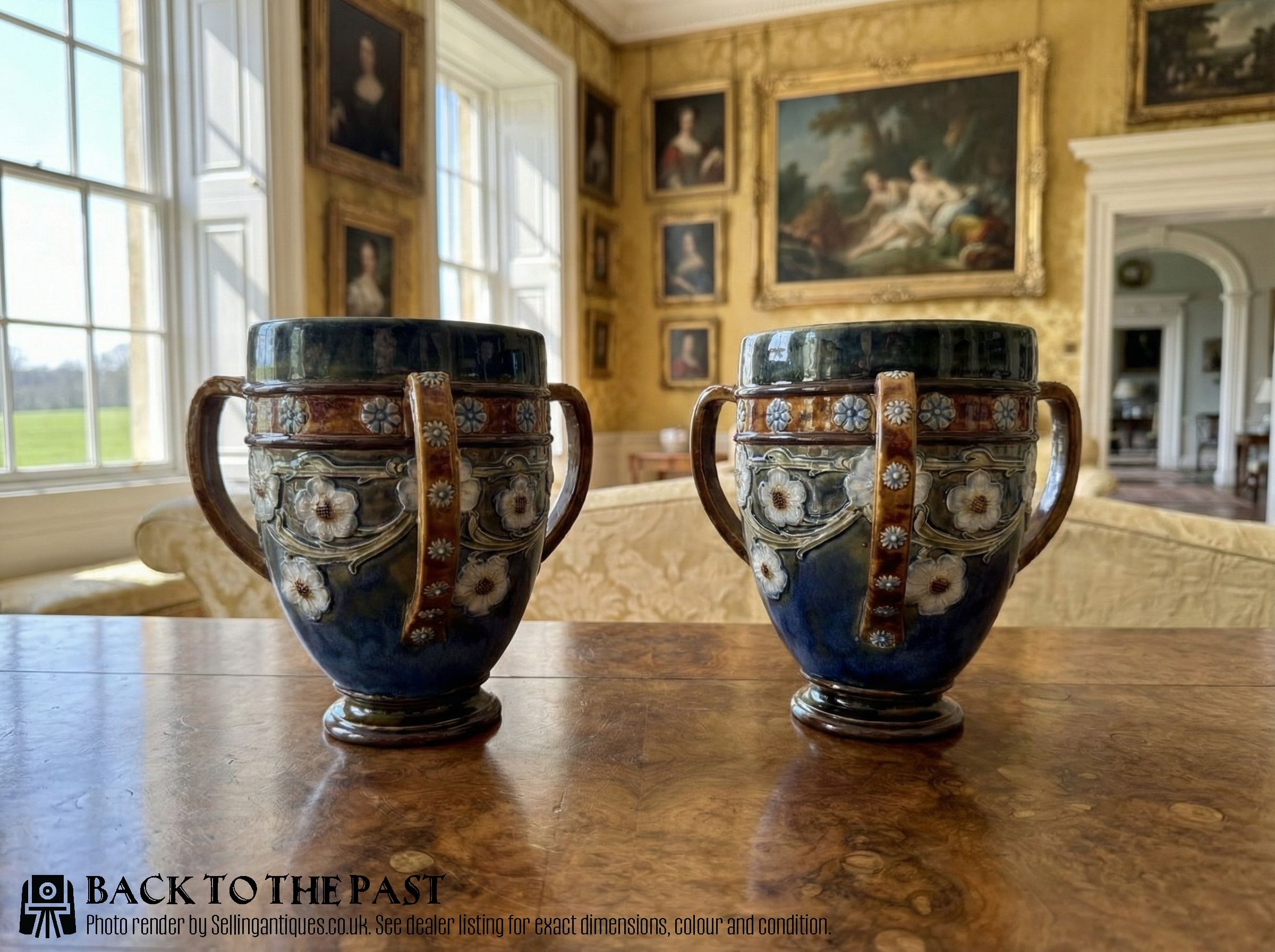
Glazed Stoneware Ceramic Vessel
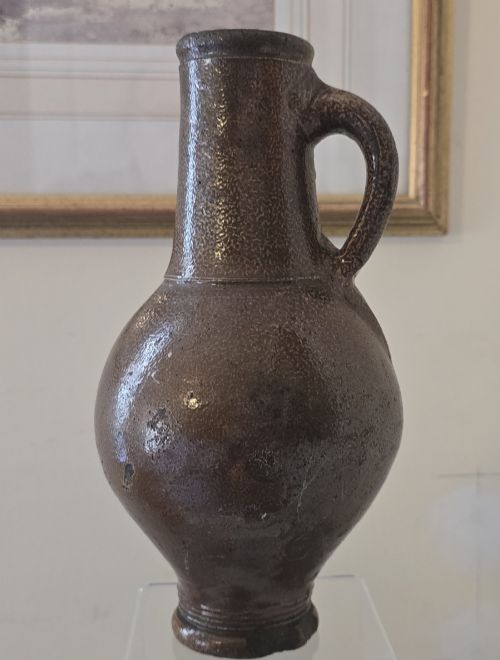
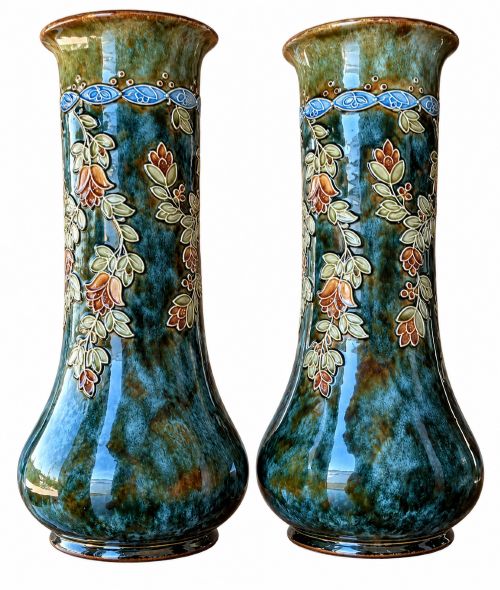
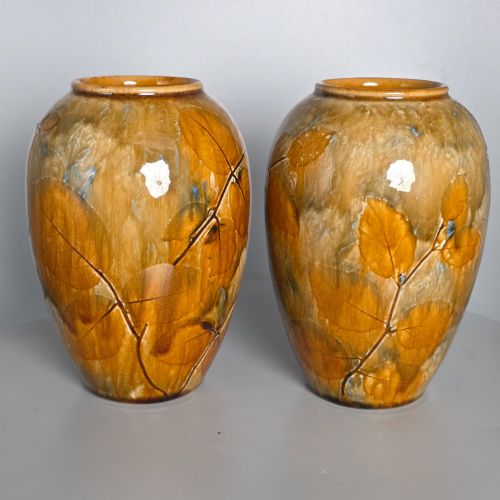
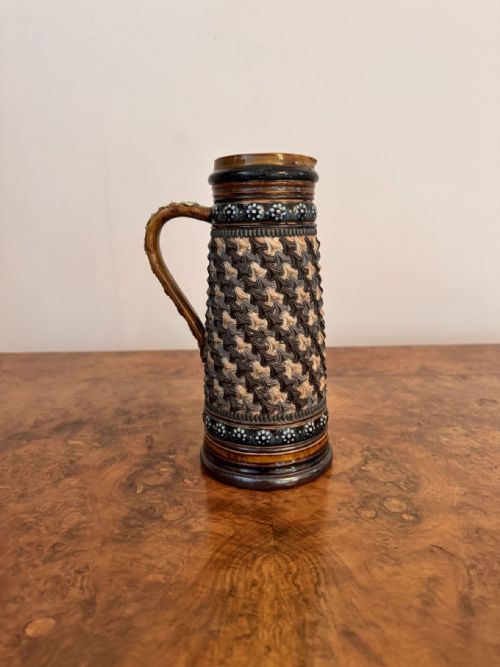
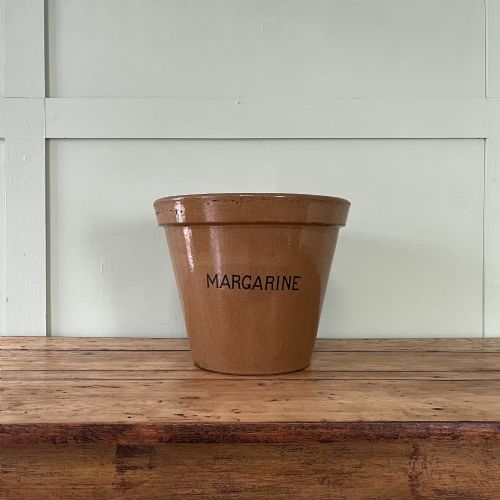
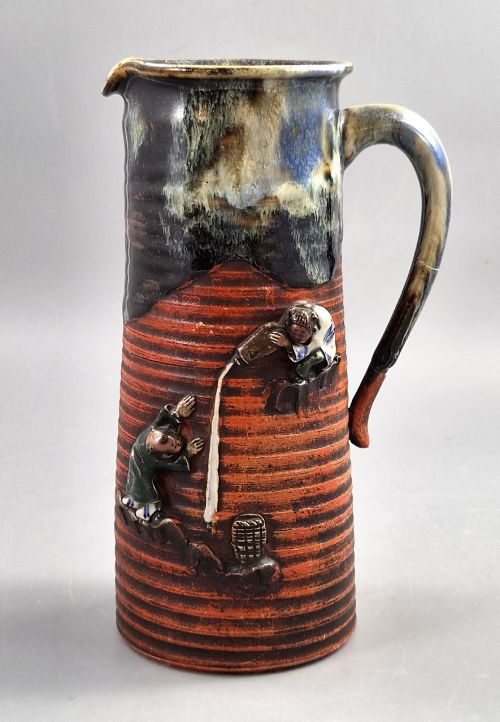
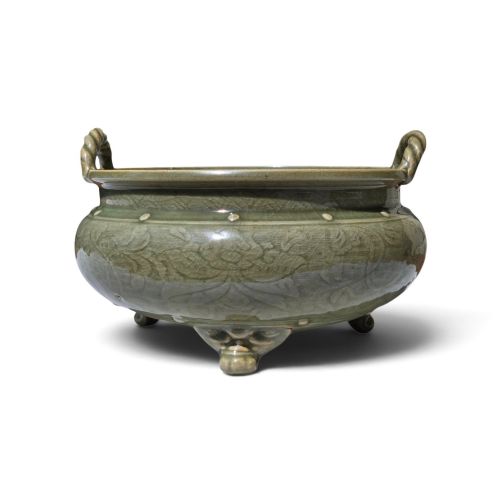
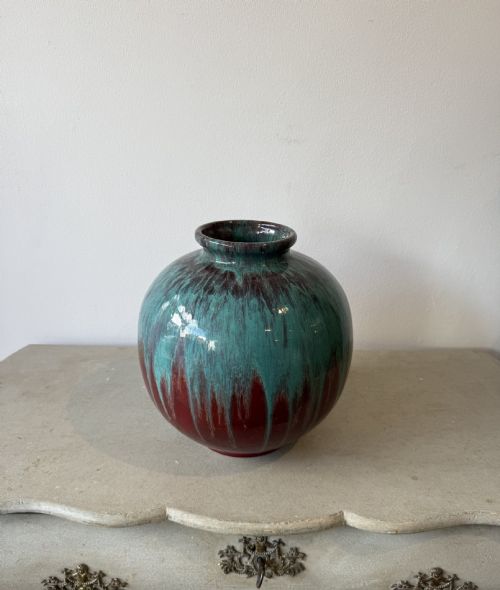
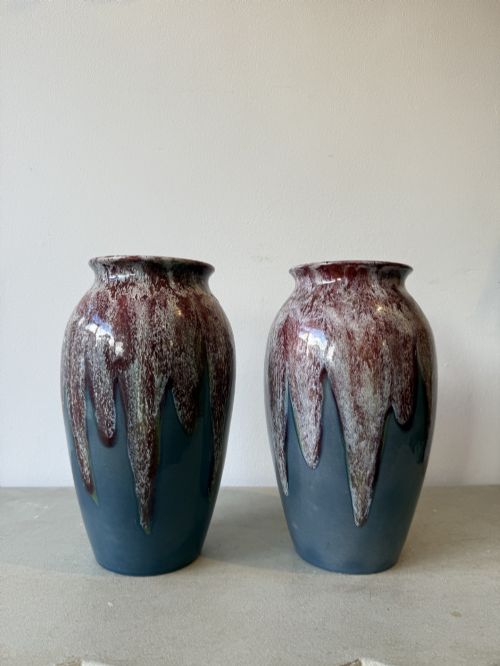
A glazed stoneware ceramic vessel is a durable container shaped from clay, fired at high temperatures, and coated with a vitreous finish. These items range from domestic storage crocks and wine bottles to decorative jardinieres, ewers, and art pottery vases.
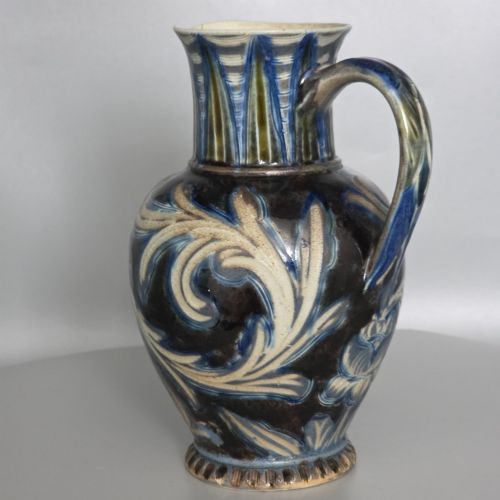
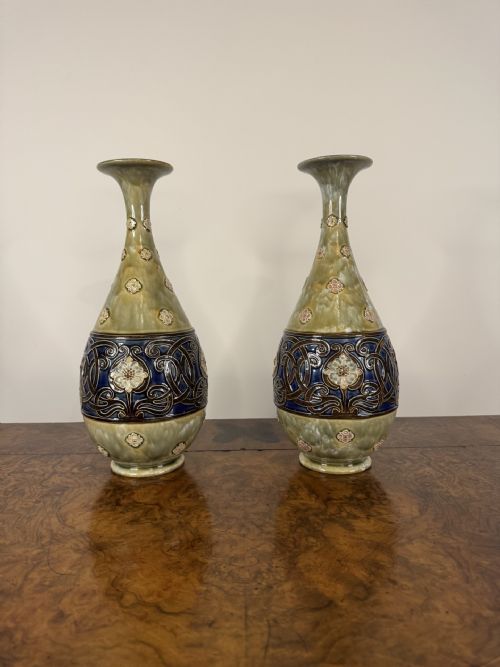
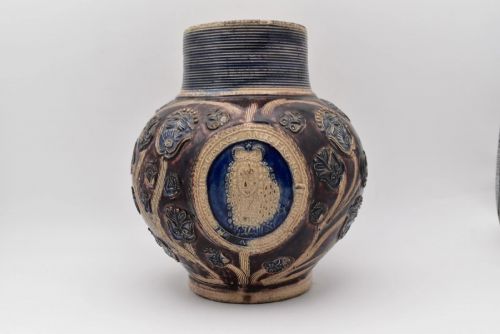
The versions most frequently met on this page span the Victorian and Edwardian periods, with a strong representation of late nineteenth-century and early twentieth-century British art pottery alongside continental salt-glazed German pieces.
Makers utilised these sturdy materials for everyday utility items as well as ornamental mantelpiece showpieces. Buyers encounter forms that bridge the gap between practical kitchen storage and high-art aesthetic movement design.
How they were made
Potters shaped dense clay on a wheel or in moulds before applying glazes, salt glazes, or slip coatings. The chemical composition of the stoneware body allowed for vitrification during firing, creating an impermeable container.
Decorators incised patterns, applied relief motifs, or painted designs directly onto the damp clay surface before a final kiln baking. Salt glazing involved throwing common salt into the hot kiln to react with the silica in the clay, producing a characteristic textured orange-peel skin.
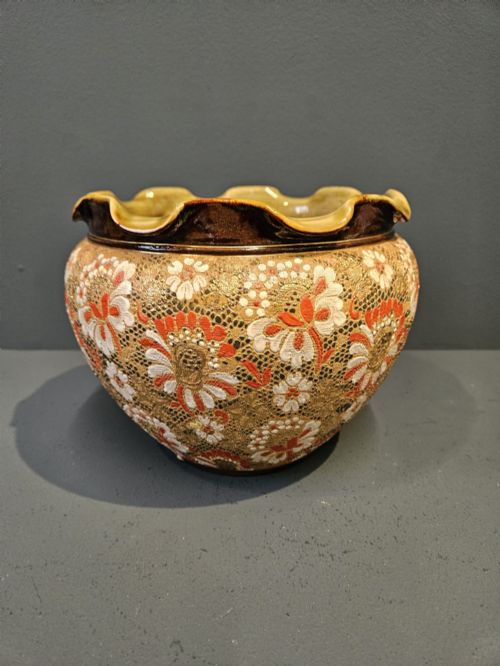
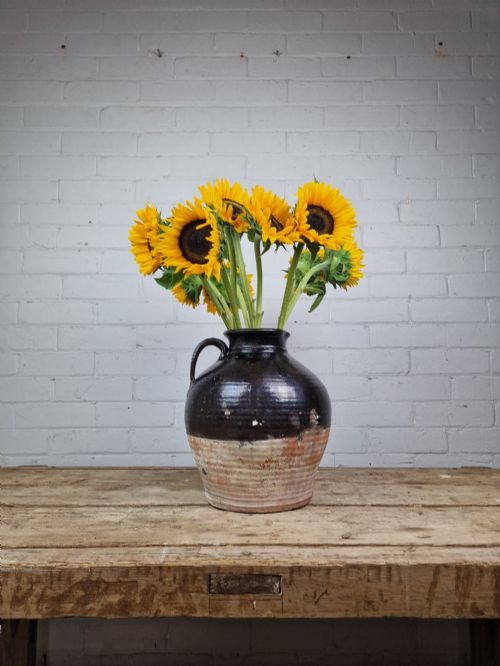
Form categories represented on this page include utilitarian storage crocks, decorative jardinieres, and monumental baluster vases.
What varies in quality
Quality rests in the crispness of the incised ornament, the depth and control of the glaze, and the pedigree of the studio. Pieces finished by recognised artists show superior handling of surface texture and colour.
Heavier throwing, balanced proportions, and careful application of decorative details separate standard utilitarian containers from exceptional exhibition pieces.
Royal Doulton·Doulton Lambeth
The Glazed Stoneware Ceramic Vessel Glossary
- Stoneware
- A type of pottery fired at high temperatures until the clay body vitrifies into a dense, non-porous material. This substance resists liquid absorption and wear.
- Salt glaze
- A glossy, slightly textured finish achieved by introducing salt into the kiln during high-temperature firing. The resulting surface resembles the skin of an orange.
- Slipware
- Pottery decorated with slip, which is a liquid mixture of clay and water applied before firing. Artisans use this technique to trail or paint contrasting patterns.
- Tyg
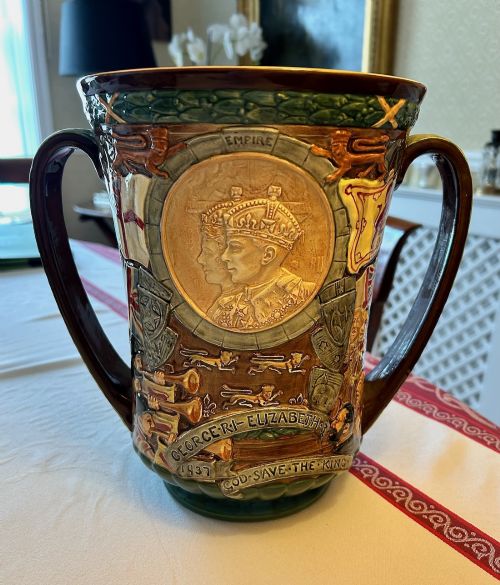
- A large drinking vessel equipped with multiple handles, usually three or four, designed to be passed around a communal table. Historically used in British taverns.
- Baluster
- An architectural shape featuring a rounded, bulging lower body that tapers upward to a narrow neck. Many vases and jugs adopt this silhouette.
Glazed Stoneware Ceramic Vessel: Frequently Asked Questions
How do I date a salt glaze jug?
Dating relies on stylistic markers such as applied royal ciphers, incised stamps, and historical context. Early German examples often show specific moulded medallions or cobalt blue highlights from the seventeenth and eighteenth centuries.
Later Victorian British pieces carry factory ciphers or artist monograms scratched into the base. Comparing the weight, handle attachment, and glaze consistency helps confirm the era.
Where were these vessels used?
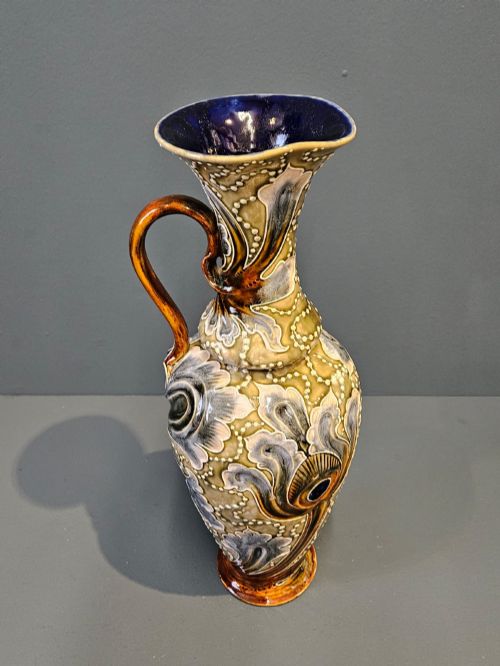
These items served varied roles from tavern tables to grand Victorian parlours. Storage crocks and confit jars held food and liquids in domestic kitchens, while ewers and loving cups marked celebrations.
Decorative jardinieres and baluster vases populated domestic interiors as ornamental displays. Their dense clay bodies made them suitable for both functional pantry tasks and formal interior decoration.
Are these pieces waterproof?
Stoneware and glazed ceramics are inherently non-porous due to the high firing temperatures used in their creation. This vitrified structure prevents liquids from seeping through the clay body.
Consequently, vases and pitchers hold water safely for floral displays without damaging interior surfaces. Salt-glazed and slip-coated varieties remain stable for practical daily use.
What is the difference between earthenware and stoneware?
Earthenware is fired at lower temperatures, leaving the clay porous unless heavily glazed. It requires a surface coating to hold liquids and chips more readily.
Stoneware undergoes intense heat until the material vitrifies into a dense, impermeable substance. This higher firing temperature produces a heavier, more durable vessel that resists chipping and moisture.