
Glazed Side Credenza
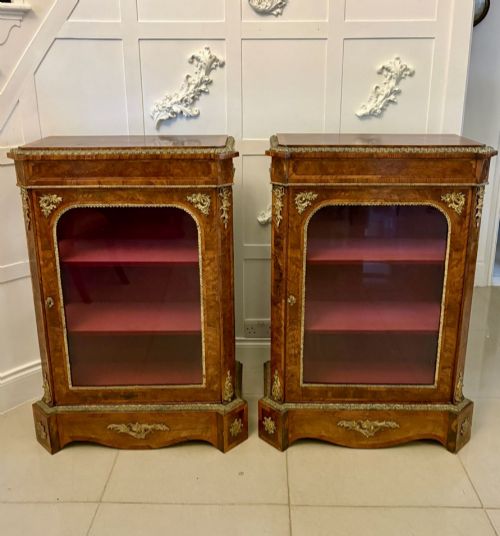
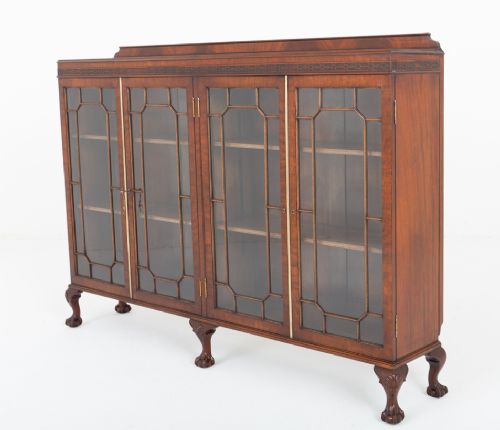
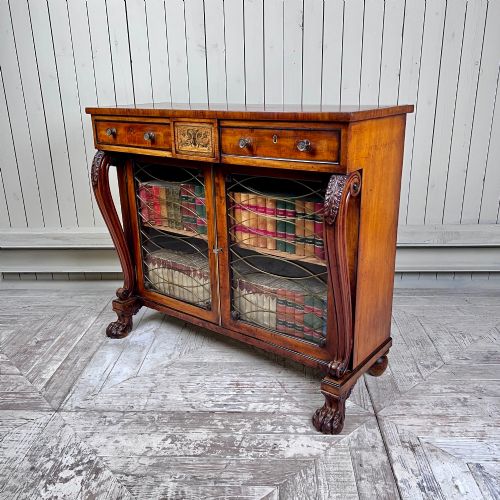
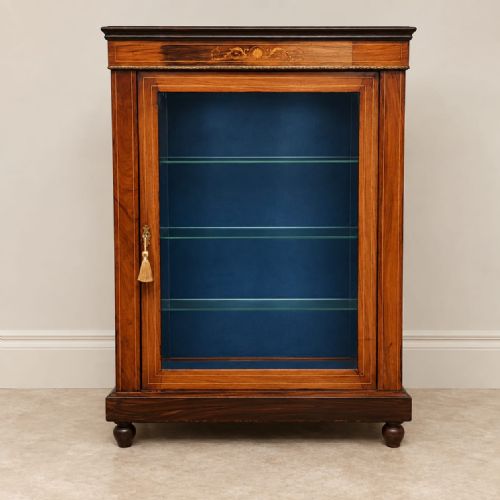
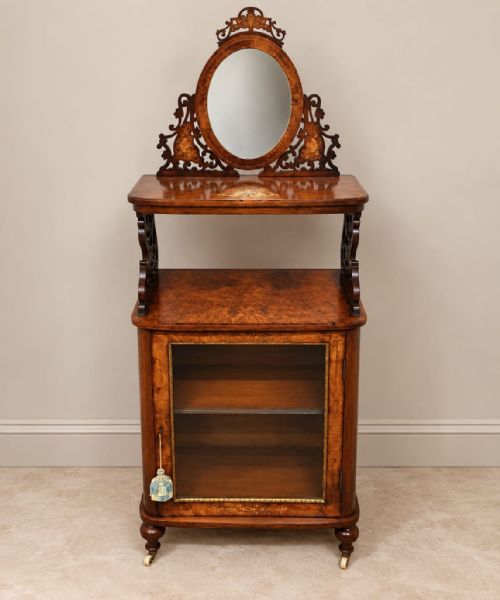
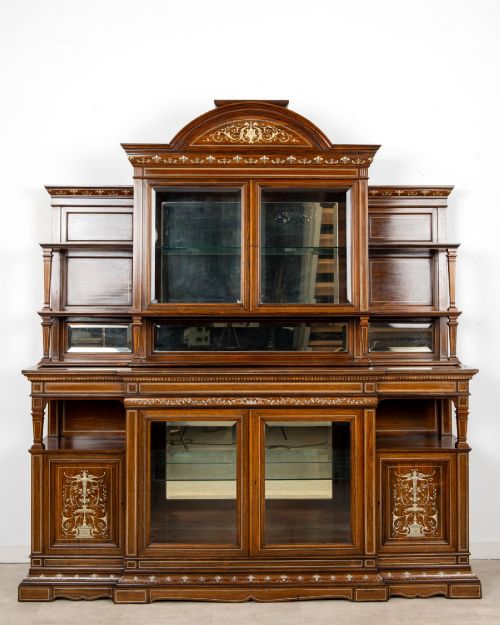
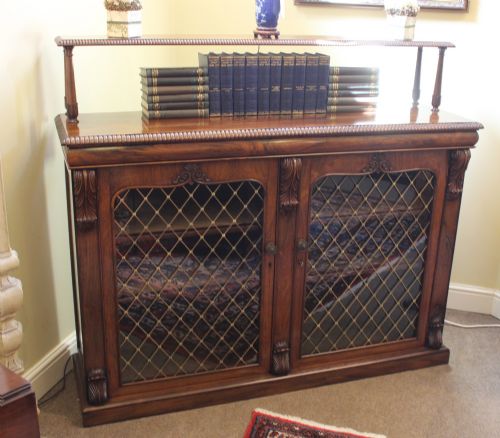
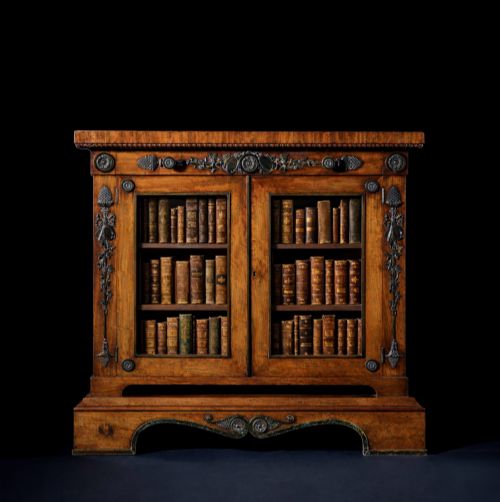
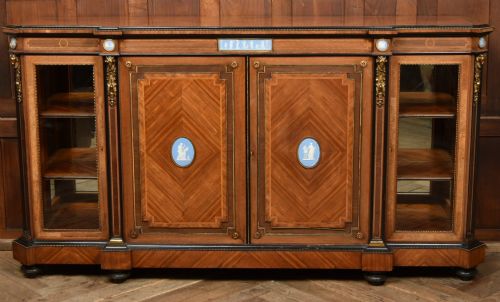
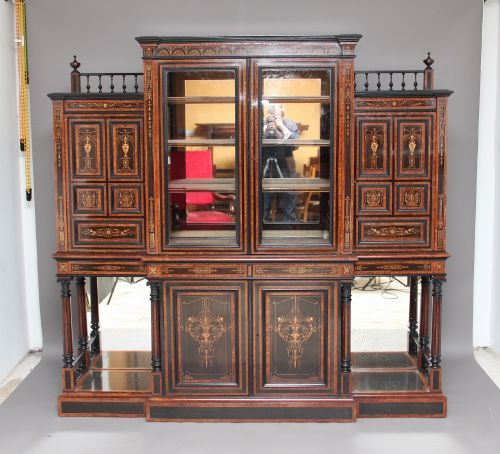
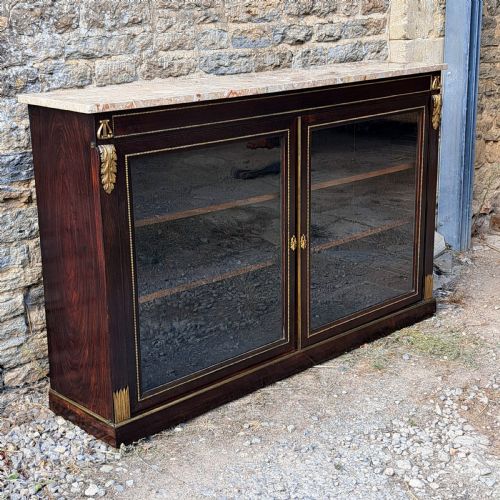
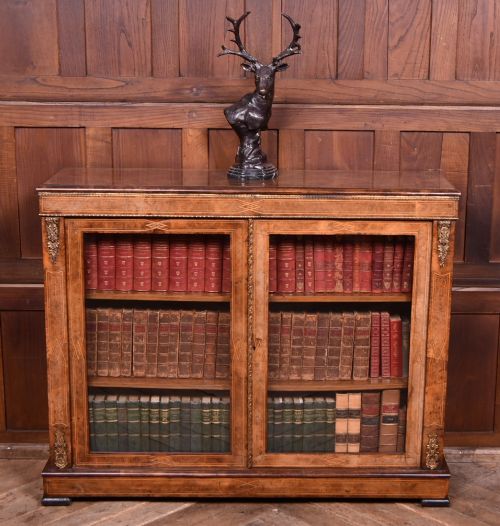
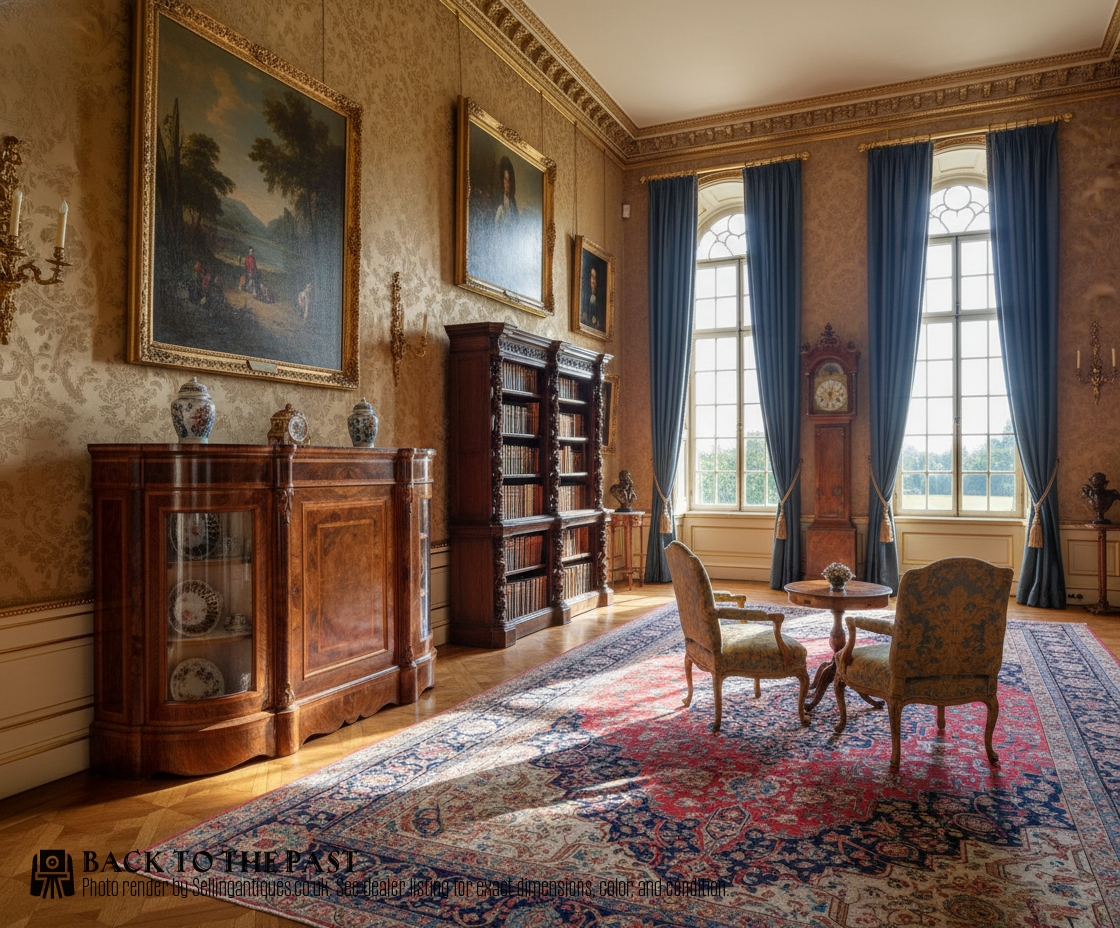
A glazed side credenza offers a polished timber display surface with glass panels for housing prized books or porcelain.

Glazed Side Credenza
A glazed side credenza is a low cabinet designed to sit against a wall, frequently combining glass doors for display with wooden cupboards for storage. These pieces emerge across nineteenth century periods including the Regency and Victorian eras, alongside later Arts and Crafts interpretations.
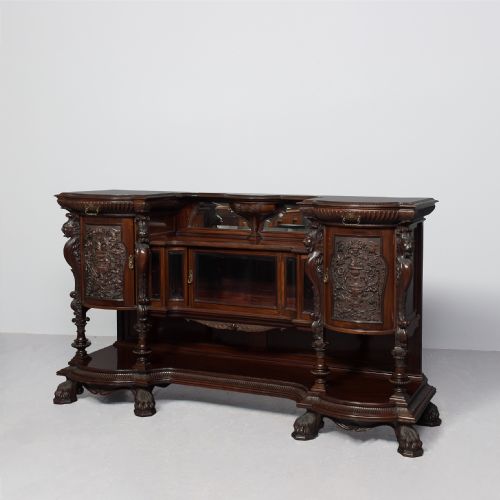
The form encompasses side cabinets, chiffoniers, pier cabinets, and display bookcases fitted with glazed panels. Walnut, mahogany, and rosewood serve as the primary foundational timbers for these domestic storage items.
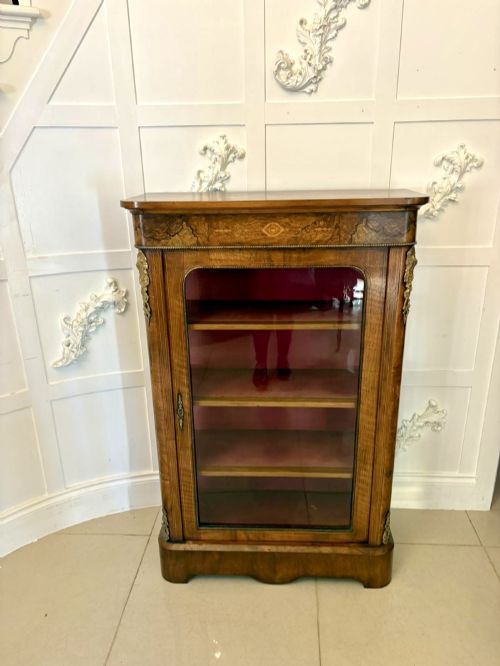
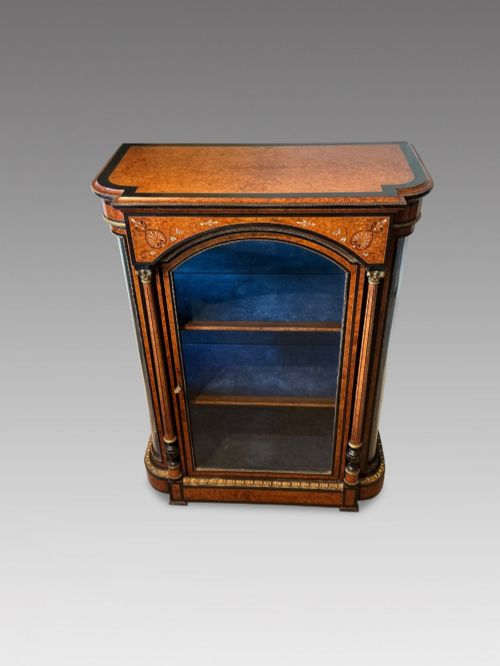
Victorian burr walnut examples featuring inlaid marquetry and gilt metal mounts appear frequently among these listings, alongside earlier Regency mahogany iterations.
Materials and construction
Cabinet makers utilised dense hardwoods such as mahogany, walnut, and rosewood, often applying burr walnut or exotic veneers across primary visible surfaces. Marquetry inlay, brass stringing, and bronze or ormolu mounts punctuate the timber frames.
Transparent glass panes are fitted into hinged doors to enclose shelving, while polished stone or timber tops finish the structure. Cabinet frames rely on traditional joinery methods suited to nineteenth century workshops.
Glazed Side Credenza Retail Price Guide 2026
Typical asking prices for glazed side credenza among the pieces listed under this phrase on Sellingantiques today, from the lower quarter to the upper quarter. They describe what is for sale here now, not the wider market.
Makers occasionally hid velvet linings behind glass doors to make delicate porcelain pieces look properly dramatic.
Judging quality in practice
Quality rests in the selection of timber veneers, where symmetrical burr grain and intricate marquetry display high workshop skill. The precision of brass inlay and the weight of cast ormolu mounts distinguish finer cabinets from simpler production pieces.
Structural integrity reveals itself in the smooth operation of glazed doors and the crispness of carved wooden details. Attribution to known makers adds distinct weight to a piece within this tradition.
Collinson & Lock·Lamb of Manchester·Liberty & Co.
The Glazed Side Credenza Glossary
- Ormolu
- Gilt bronze ornamentation applied to furniture mounts. This technique provides decorative metallic contrast against dark woods.
- Marquetry
- Inlaid patterns formed from pieces of veneer fitted into wood panels. Craftsmen use this to create floral or geometric motifs.
- Pier cabinet
- A narrow cabinet designed to fit wall spaces between windows. These upright display pieces often feature single glazed doors.
- Chiffonier
- A compact sideboard or low cabinet equipped with shelves and doors. The form developed during the Regency period.
Glazed Side Credenza: Frequently Asked Questions
What is a glazed side credenza used for?
These cabinets serve as living room or dining room furniture designed for storing tableware while displaying decorative objects behind glass. The top surface provides an additional area for lamps or ornaments.
Interior shelving accommodates books and collections safely away from dust. The closed lower sections hide utility items out of sight.
How do I date a Victorian credenza?
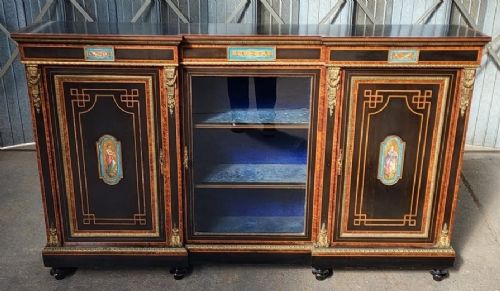
Dating relies on identifying specific timber choices, hardware styles, and decorative motifs associated with particular decades. Victorian pieces span from early Victorian rosewood designs to late nineteenth century ebonised marquetry.
Examining internal construction methods and secondary timbers helps narrow the manufacturing period further.
Are these cabinets suitable for small rooms?
Many side cabinets and pier cabinets are built with shallow depths specifically to fit compact domestic spaces without blocking walkways. Their low profiles maintain an open room atmosphere.
Glass door panels also reflect light and visually lighten heavy timber forms.
What woods were used in these cabinets?
Walnut, mahogany, and rosewood form the vast majority of structural and veneer materials across these periods. Burr walnut and amboyna provide distinctive decorative surfaces.
Secondary woods like oak or pine are typically found inside drawers and on unexposed backs.