

Glazed Glass China Cabinet
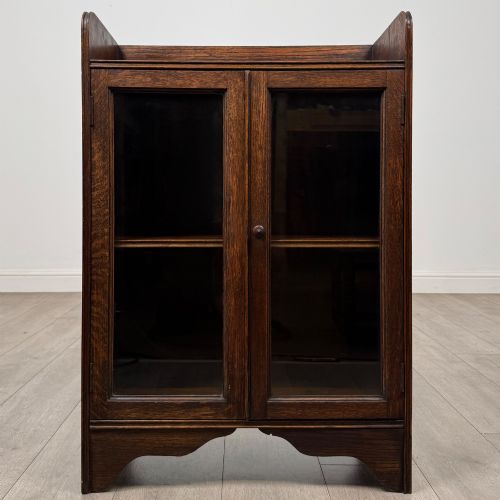
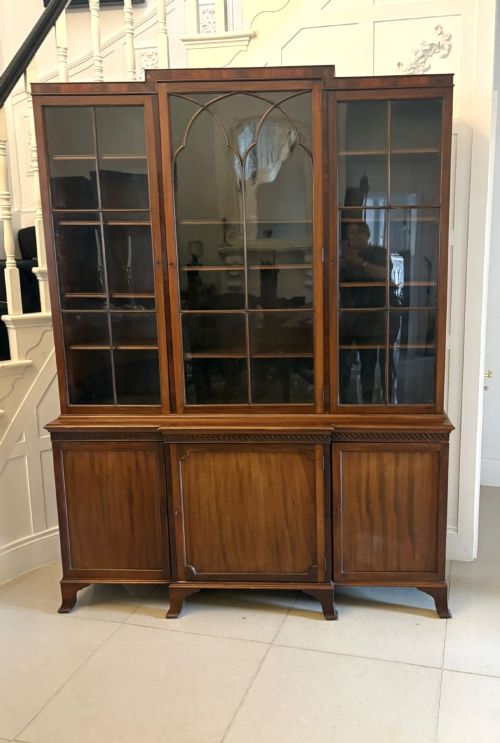
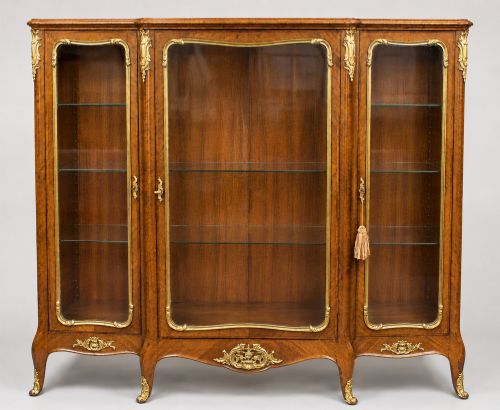
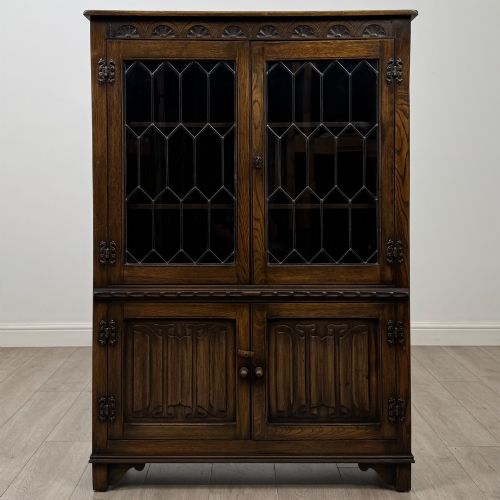
A glazed glass china cabinet organises porcelain behind timber doors while keeping fine items visible in a room.
Glazed Glass China Cabinet
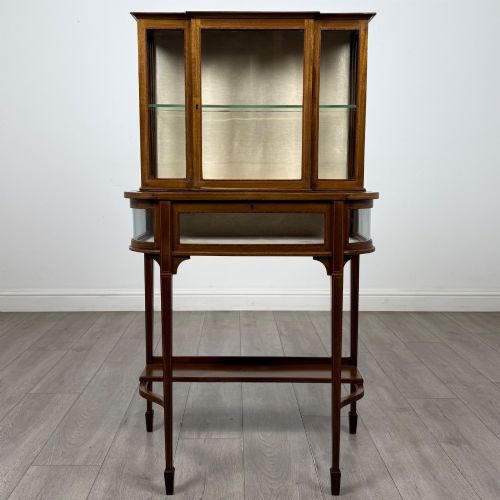
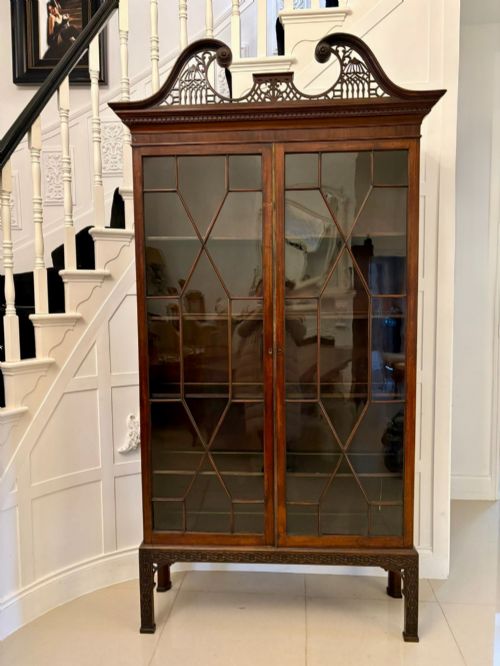
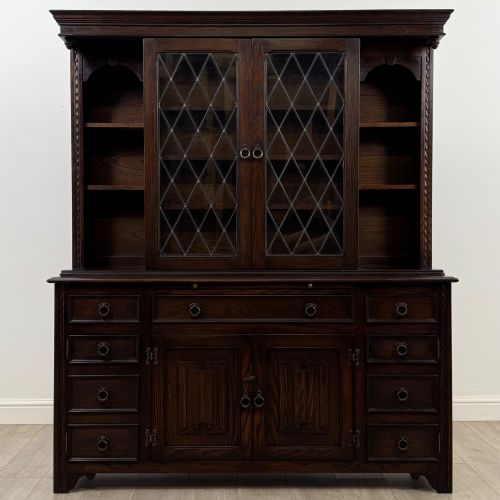
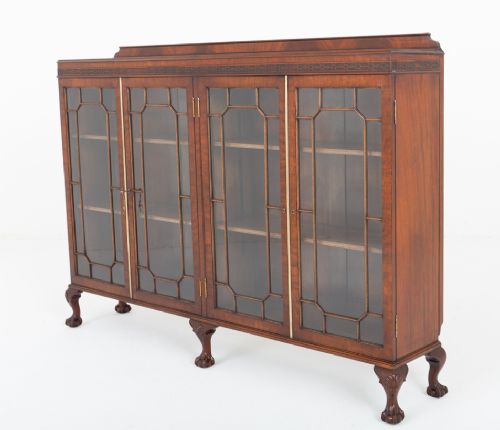
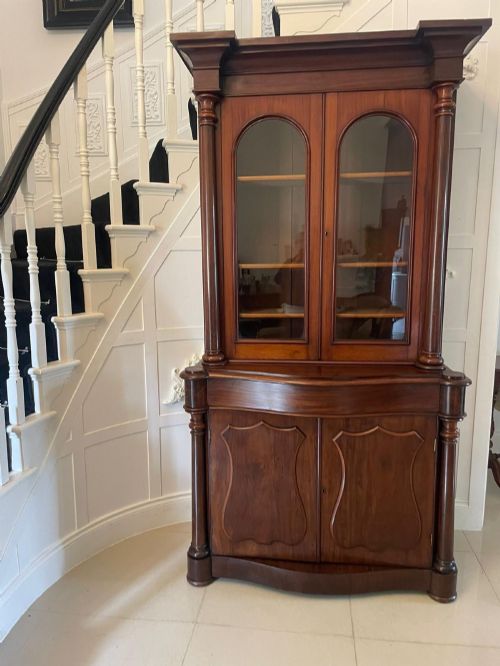
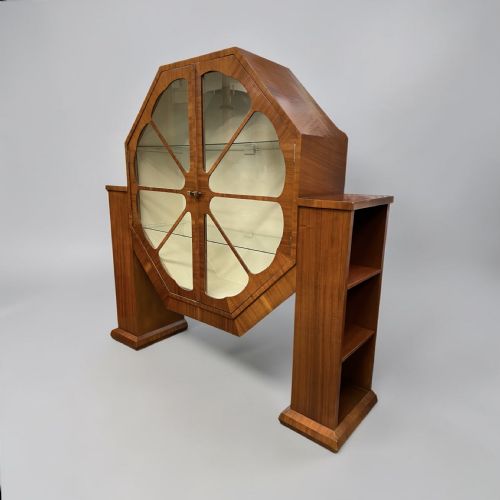
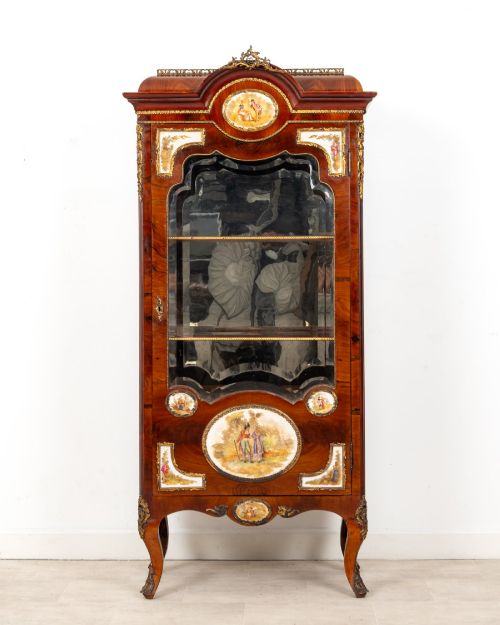
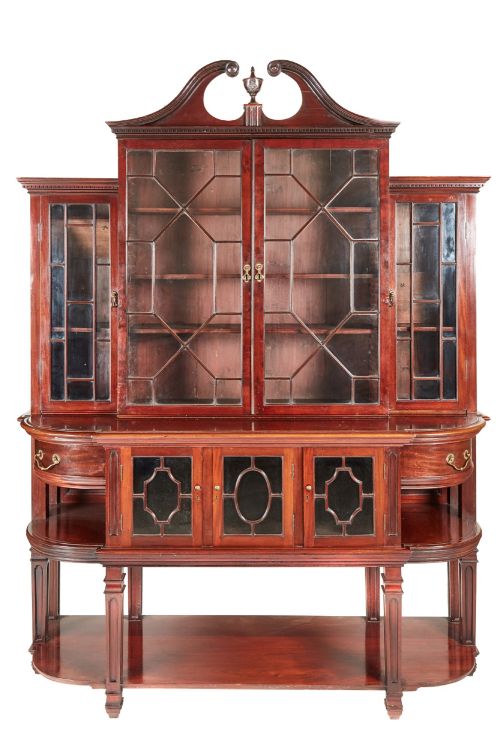
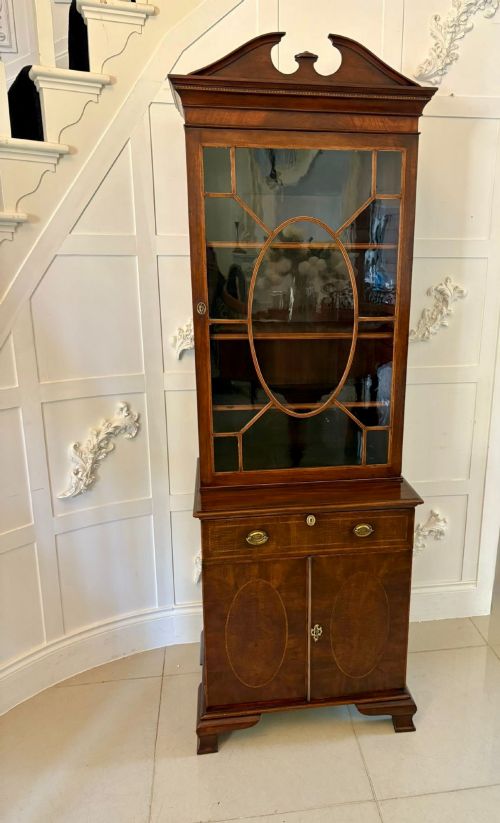
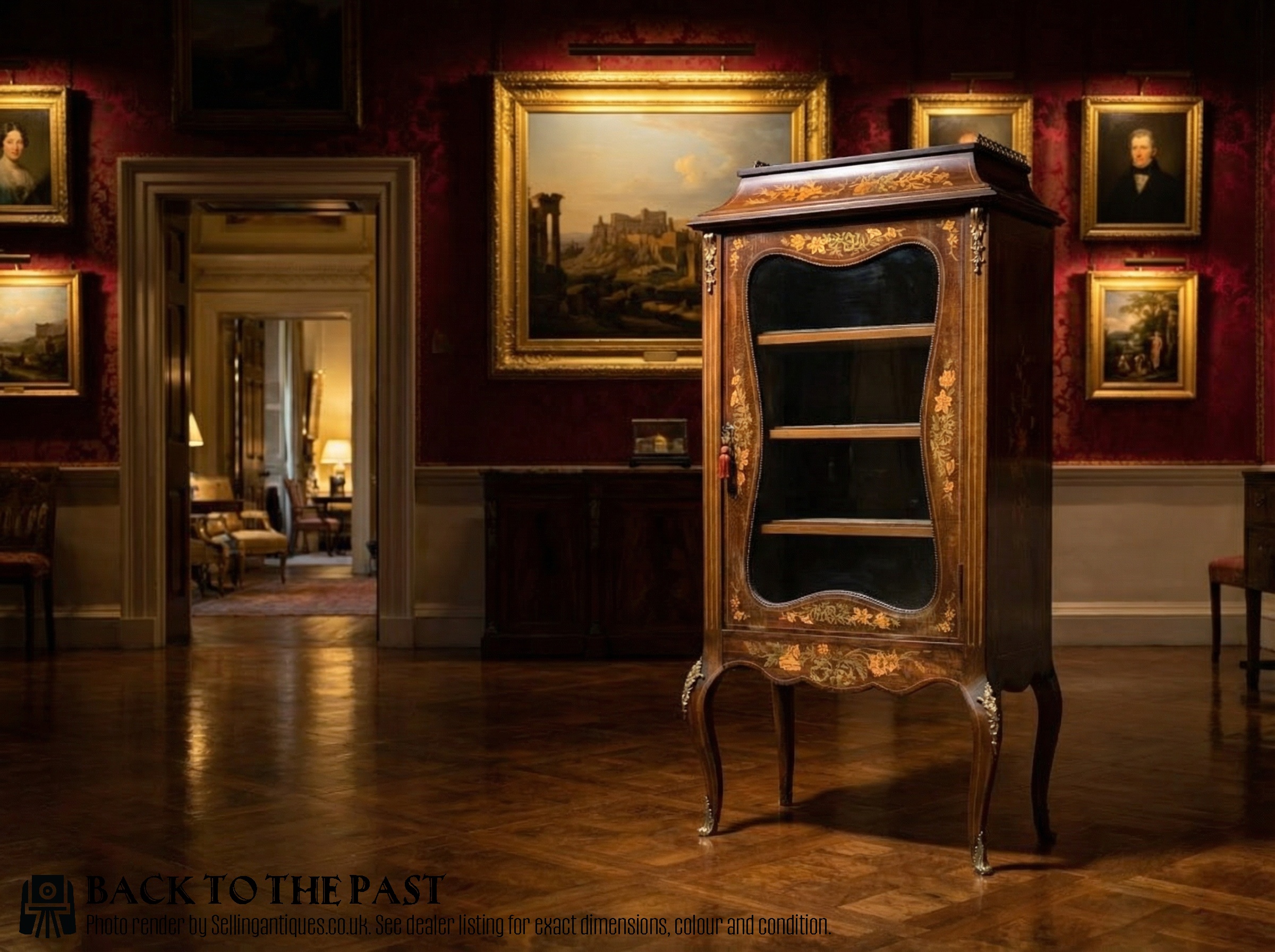
A glazed glass china cabinet serves to house and display ceramic items securely within living spaces and libraries. Buyers searching this phrase encounter substantial timber furniture pieces fitted with transparent panels to exhibit contents.
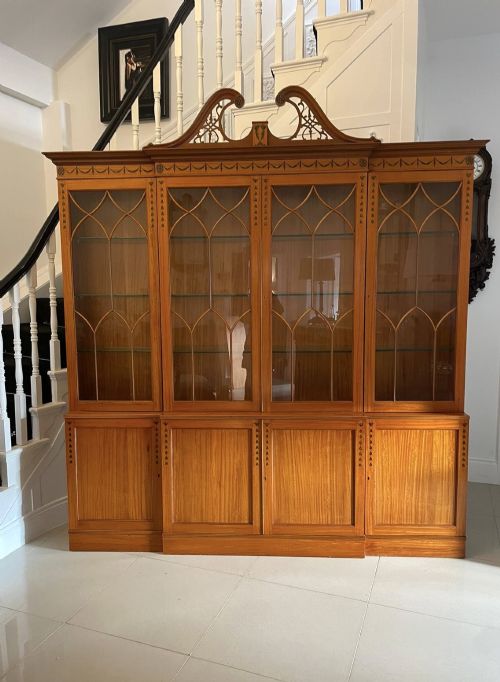
The selections span distinct historical periods from the Victorian era through Edwardian times up to the Art Deco epoch. Forms vary from tall breakfront bookcases and slender pier cabinets to wide side units.
Mahogany and oak dominate the timber selections, often enhanced with satinwood or walnut veneers. These vessels originate from domestic British workshops and continental makers alike.
What varies in quality
Timber selection and grain figure dictate the primary tier of craftsmanship in these cabinets. Heavily figured walnut, select mahogany and finely matched satinwood veneers distinguish higher grade workshops from standard commercial production.
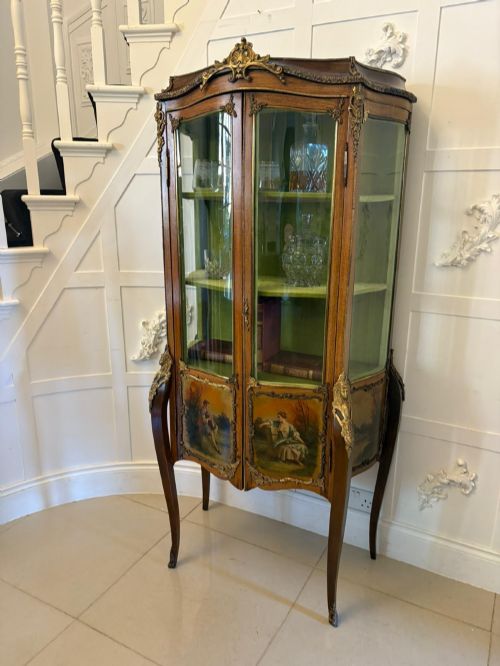
The complexity of the glazing bar arrangement and the precision of inlaid decoration influence the overall refinement of the piece. Cabinets featuring hand-painted motifs or elaborate architectural breakfront cornices represent superior construction.
One sold cabinet from nineteen ten offered an unexpected layer of modern security by incorporating certified safety glass.
Jas Shoolbred·Hampton and Sons·Edwards and Roberts
The Glazed Glass China Cabinet Glossary
- Astragal
- Moulding profiles that hold glass panes within a frame. These narrow wooden bars divide doors into symmetrical geometric patterns.
- Breakfront
- A piece of furniture where the central section projects forward from the side wings. This architectural arrangement creates depth and shadow across the facade.
- Marquetry
- Decorative veneer patterns formed from thin pieces of wood fitted together to create pictorial designs. Craftsmen apply these intricate veneers to cabinet doors and friezes.
- Vitrine
- A glass-sided cabinet designed specifically for displaying porcelain and small ornaments. These pieces typically feature extensive glazing to maximise light penetration.
- Vernis Martin
- A type of simulated Japanese lacquer developed in France during the eighteenth century. Makers applied successive layers of varnish to create glossy decorative surfaces on cabinets.
Glazed Glass China Cabinet: Frequently Asked Questions
Where should I place a china cabinet?
Position the cabinet in a dining room, drawing room or hallway away from direct sunlight to protect timber finishes and stored ceramics.
Ensure the floor surface is level so the large wooden frame and glass doors align correctly during daily use.
How do I clean the glass panels safely?
Wipe the glass panes gently using a soft cloth and a mild vinegar solution applied to the cloth rather than sprayed directly onto the wood.
Keep moisture away from timber surrounds, brass mounts and delicate veneer edges to preserve the original polish.
Can these cabinets hold heavy books?
Many examples double as bookcases with sturdy wooden shelving designed to support substantial volumes alongside lighter porcelain displays.
Check the internal shelf supports and timber thickness before loading heavy items into older units.
How do I identify an Edwardian cabinet?
Edwardian cabinets often feature lighter satinwood finishes, delicate string inlay and Sheraton Revival motifs dating from around nineteen hundred.
Construction methods from this period combine traditional dovetailing with machine-sawn components.