

Louis XV Curio Cabinet
These pieces for a louis xv curio cabinet bring continental display and Rococo flair into a room, offering glazed housing for porcelain and trinkets.
Louis XV Curio Cabinet
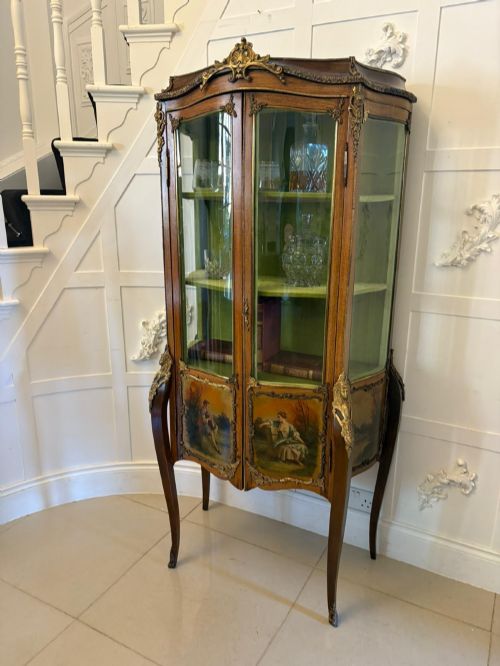
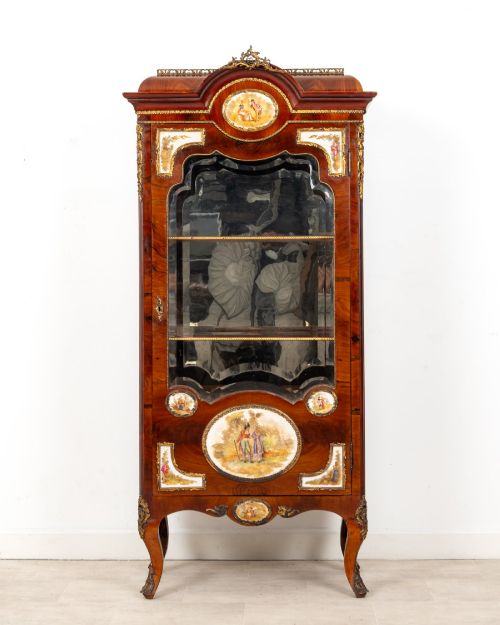
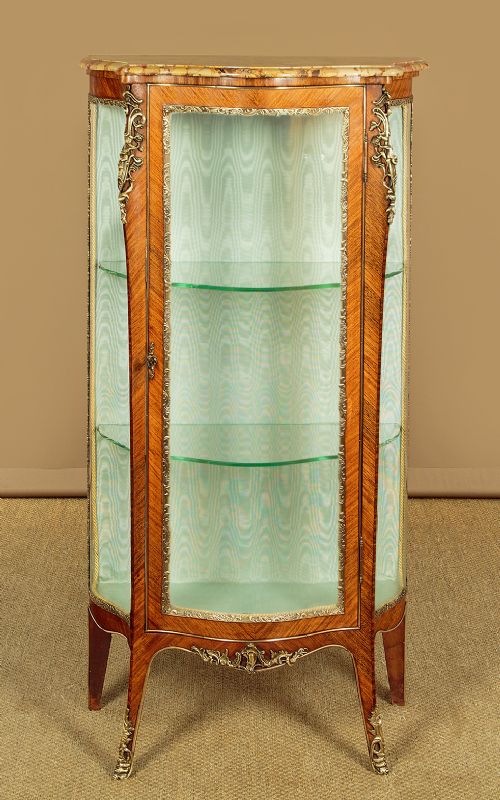
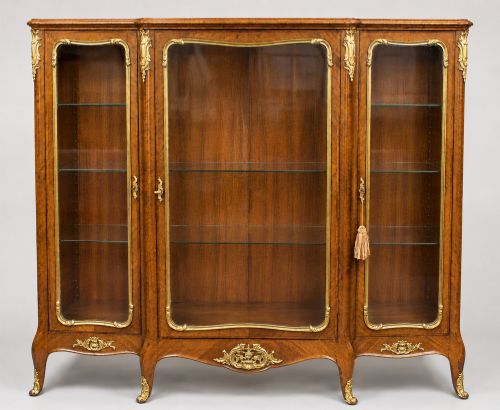
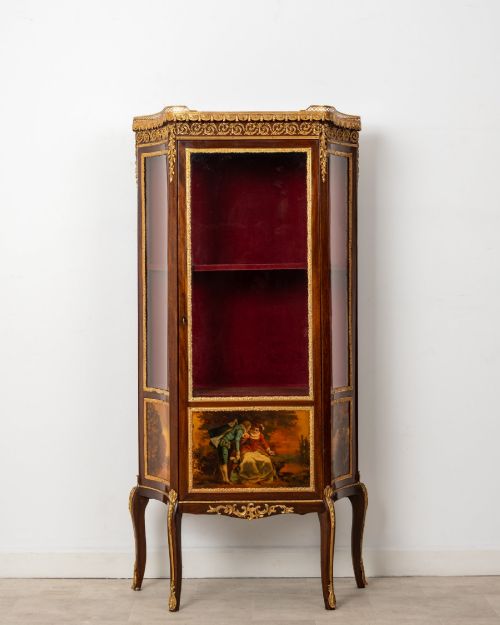
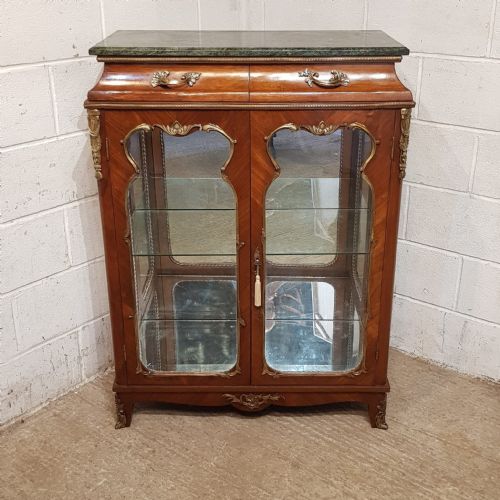
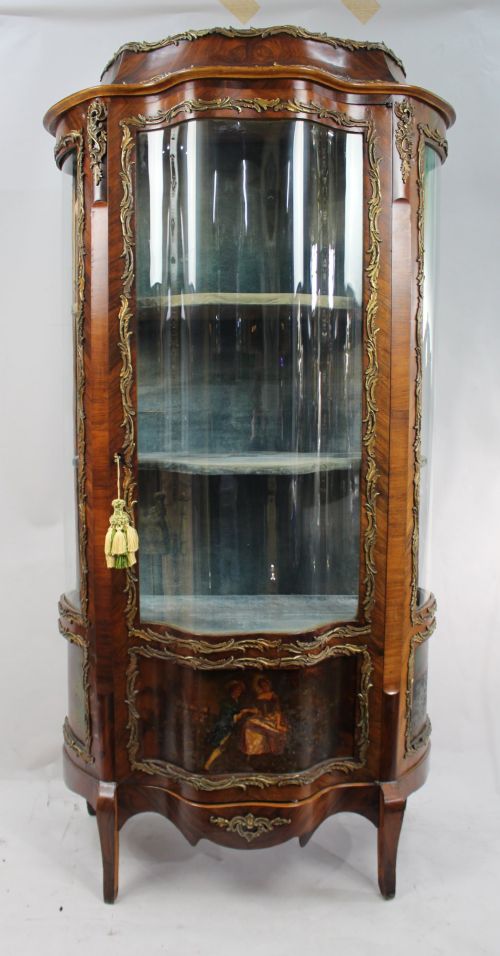
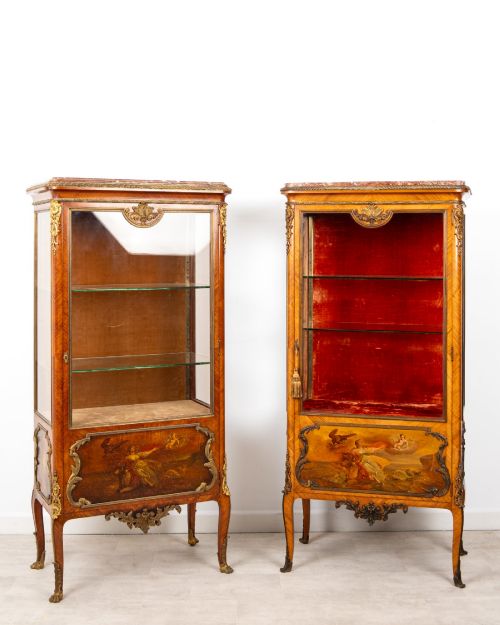
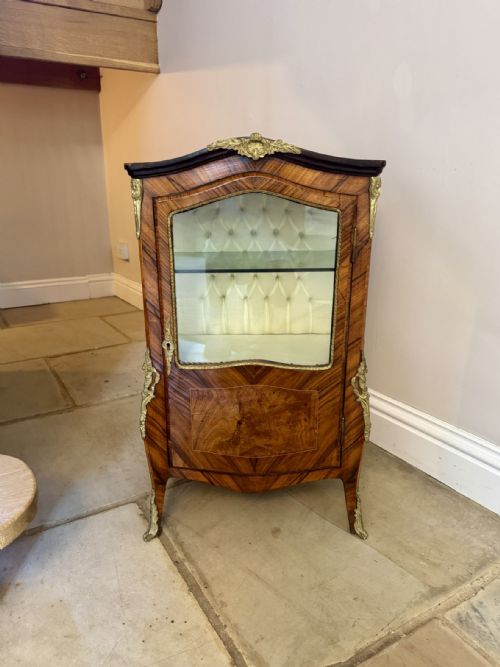
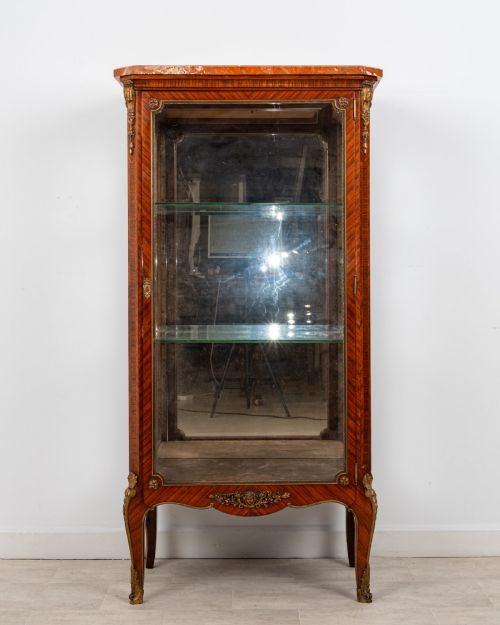
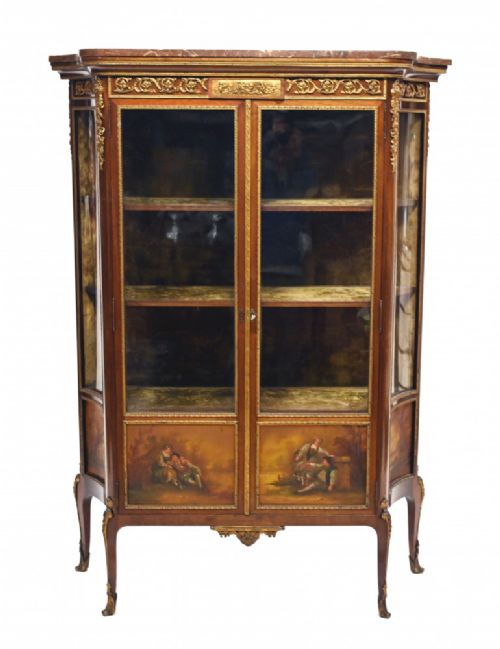
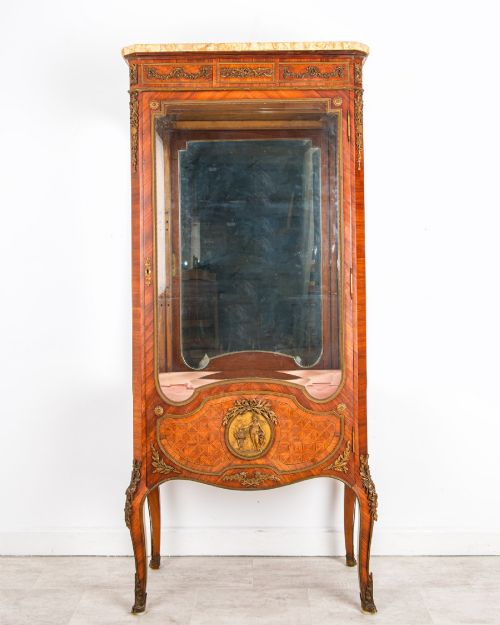
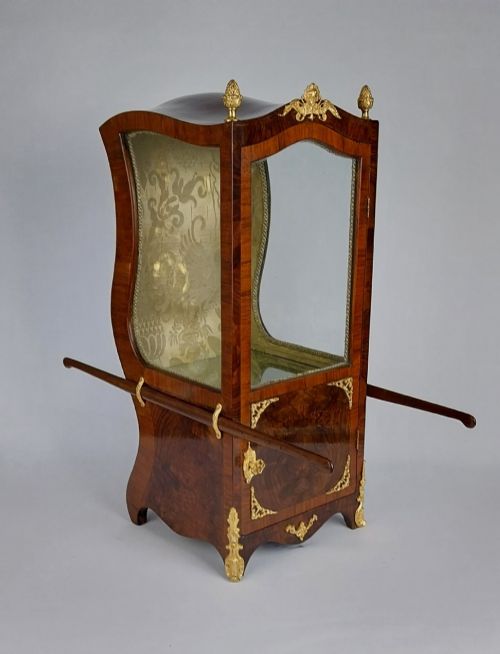
When searching for a louis xv curio cabinet, buyers encounter display furniture rooted in nineteenth-century revival periods, notably Victorian decades and the early twentieth century. The primary forms on this page include tall vitrines, wall-hanging cabinets, bijouterie tables, and display stands.
Makers and workshops of the period drew upon French chateau aesthetics, producing serpentine fronts, glazed sides, and tailored compartments designed specifically to showcase collections.
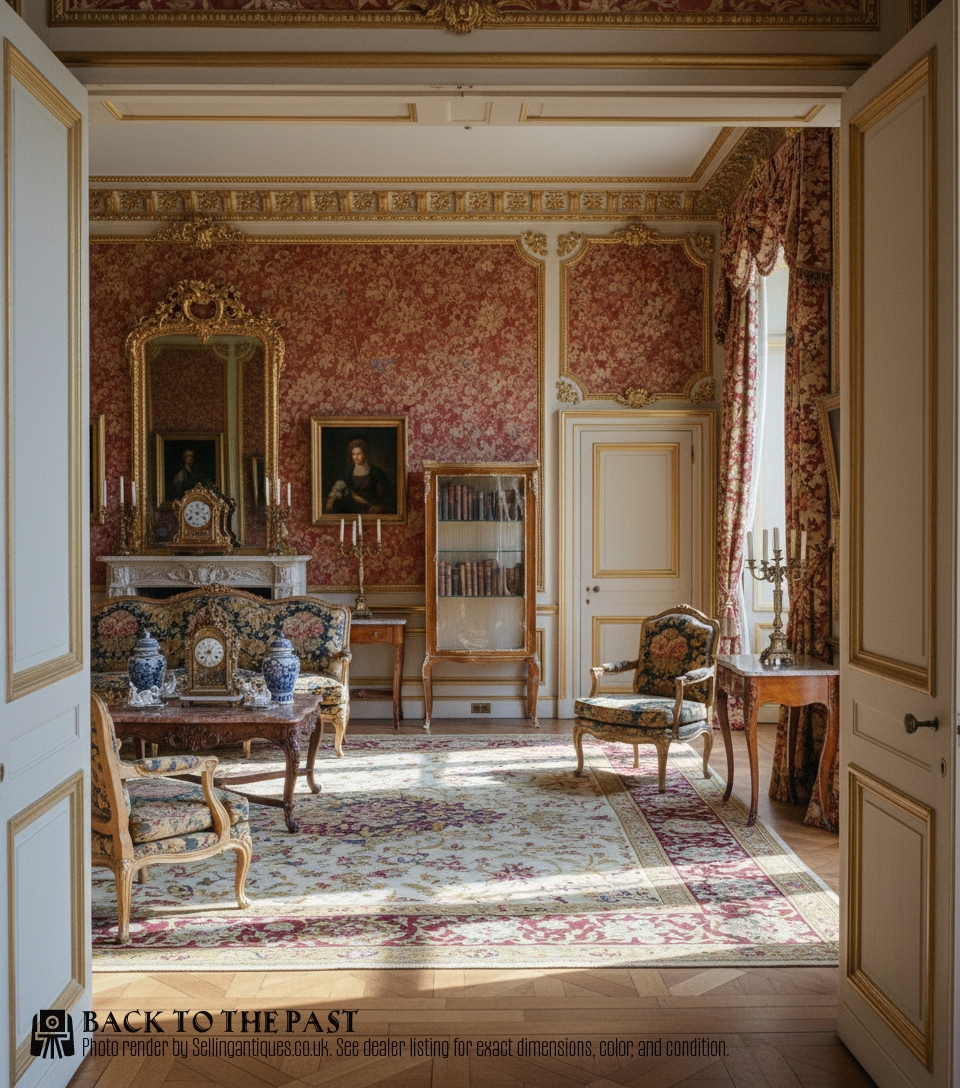
How They Were Made
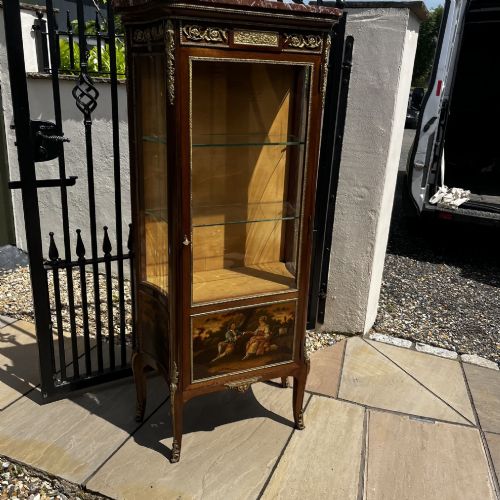
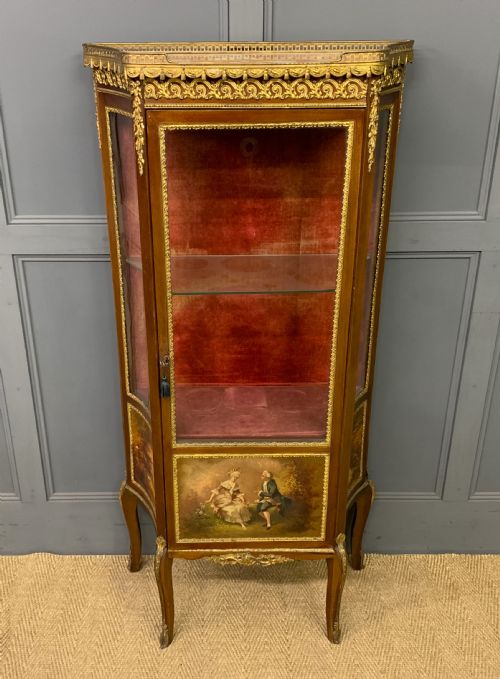
Cabinet makers utilised foundational timbers such as kingwood, mahogany, walnut, and giltwood, frequently incorporating marquetry or parquetry inlays. Surfaces often display painted panels executed in the Vernis Martin technique.
Metalwork played a defining structural and decorative role, with ormulu and gilt bronze mounts framing the glass panels and marble tops.
Louis XV Curio Cabinet Retail Price Guide 2026
Typical asking prices for louis xv curio cabinet among the pieces listed under this phrase on Sellingantiques today, from the lower quarter to the upper quarter. They describe what is for sale here now, not the wider market.
Listings feature woods including kingwood and mahogany alongside glass, marble, and gilt bronze across nineteenth and twentieth-century periods.
What Varies in Quality
The standard of a cabinet rests upon the depth of the casting in the ormolu mounts and the precision of the timber matching across serpentine surfaces. Pieces carrying attribution to known makers or workshops demonstrate superior fluency in classical proportions.
The integration of original marble tops and the preservation of hand-painted Vernis Martin panels distinguish finer examples from standard production pieces.
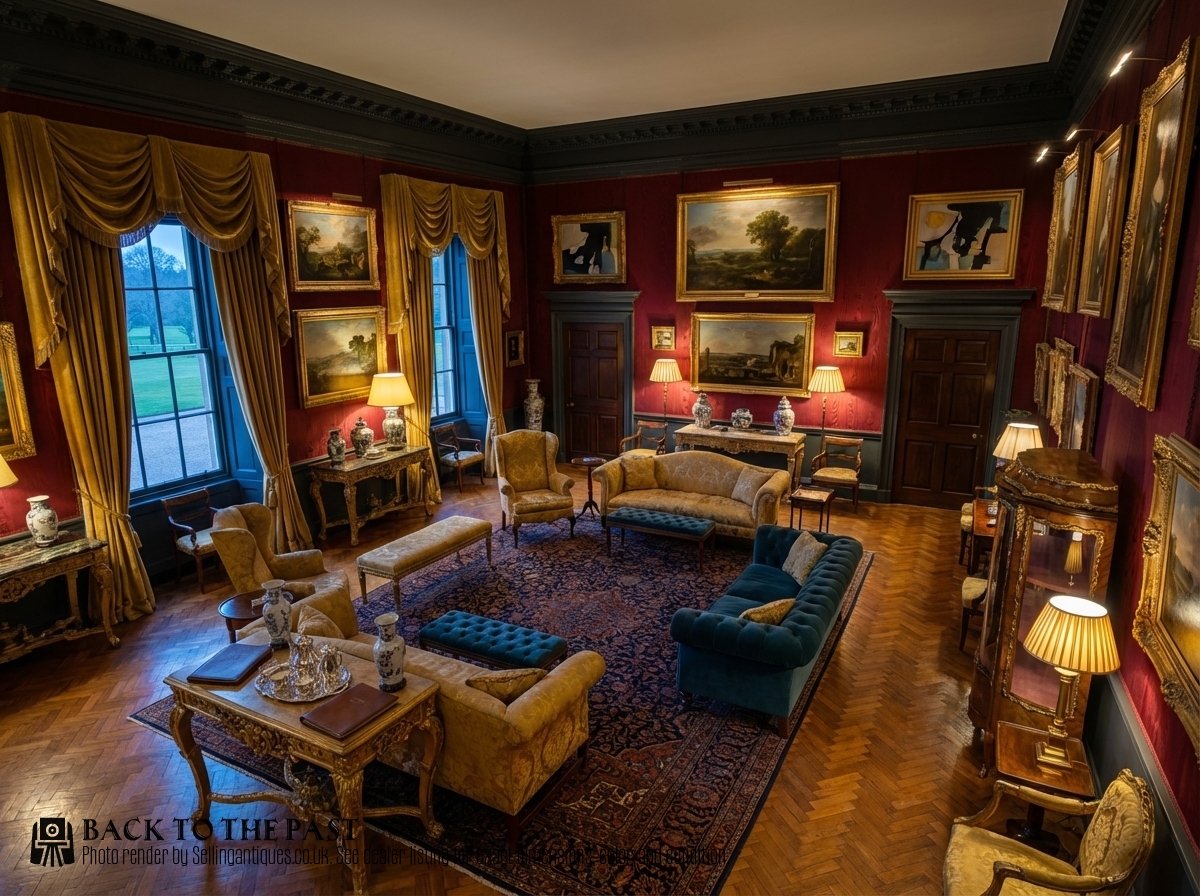
François Linke·G. Durand·Paul Sormani·Gouffel
The Louis XV Curio Cabinet Glossary
- Ormolu
- Gilded bronze used for decorative mounts on furniture. High-quality examples exhibit crisp chasing and deep tooling.
- Vernis Martin
- A simulated Japanese lacquer technique developed in eighteenth-century France and revived later. It involves multiple layers of varnish over painted scenes.
- Bijouterie
- A low display case or table with a glazed top designed for jewellery and small valuables. These pieces often feature velvet-lined interiors.
- Parquetry
- Geometric wood inlay patterns forming decorative surfaces on furniture panels. It relies on contrasting timber grains for visual depth.
Louis XV Curio Cabinet: Frequently Asked Questions
What is a louis xv curio cabinet used for?
These cabinets serve as dedicated display enclosures for porcelain, glassware, and small collectables. The glass panels and internal shelving protect items while keeping them visible from multiple angles.
Historically, they occupied drawing rooms and parlours where hosts exhibited prized possessions to guests. Today, they function similarly in domestic settings to highlight curated personal collections.
How do I date a louis xv curio cabinet?
Dating relies on examining the timber construction methods, mount casting techniques, and secondary woods used internally. Most pieces encountered stem from nineteenth-century revival periods rather than the original eighteenth-century reign.
Stylistic cues such as serpentine profiles, vernis martin panels, and specific ormolu motifs align with Victorian and Edwardian manufacturing standards. Comparing the piece to documented maker output helps narrow the production window.
Where should I place a vitrine cabinet?
Position these cabinets away from direct sunlight to protect interior fabrics and prevent timber warping. Rooms with stable ambient temperatures suit them best.
Because many examples feature glazed sides, placing them near a light source enhances the visibility of the contents. Ensure the floor is level so the glazed doors hang true.
How do I care for marble top cabinets?
Clean marble surfaces with a soft damp cloth and mild neutral soap, avoiding acidic cleaners that etch the stone. Promptly wipe away spills to prevent staining.
Treat the surrounding wood and ormolu mounts separately with appropriate dry dusting methods. Avoid applying liquid polishes directly near the stone joints.