
Small Display Case
A small display case brings order to precious objects, offering glazed protection across periods from the eighteenth century to the twentieth.
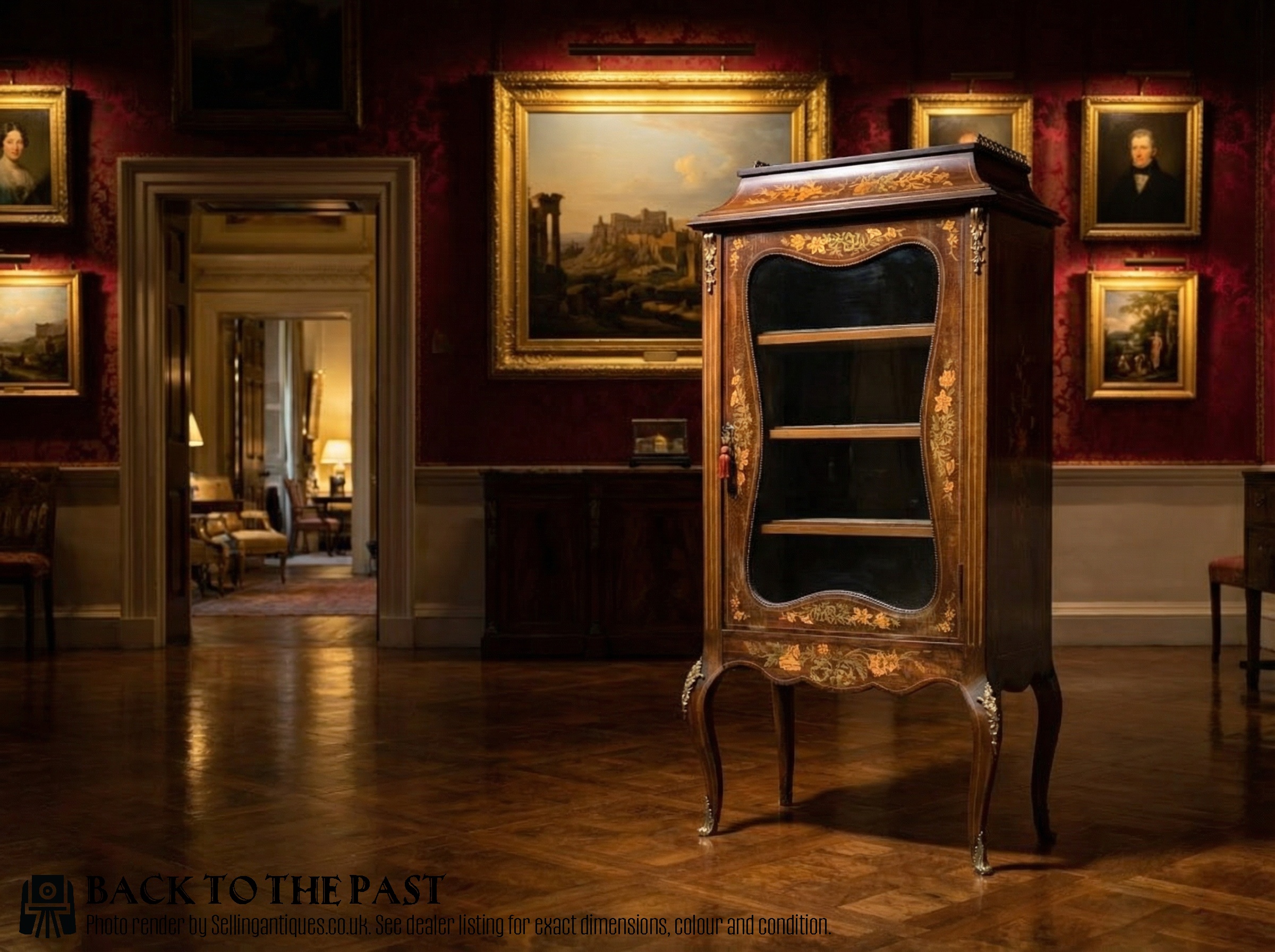
Small Display Case
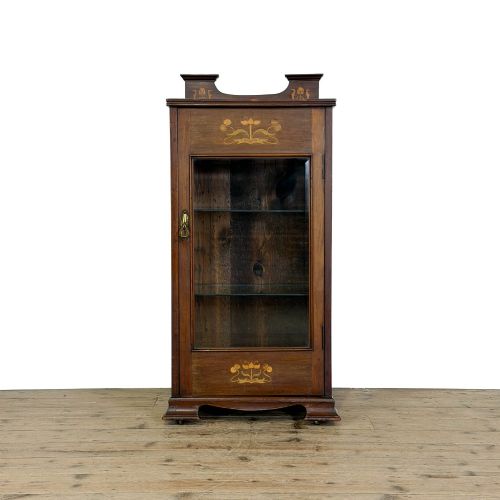
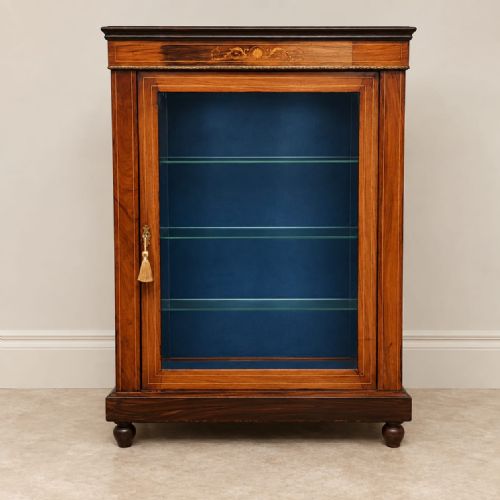
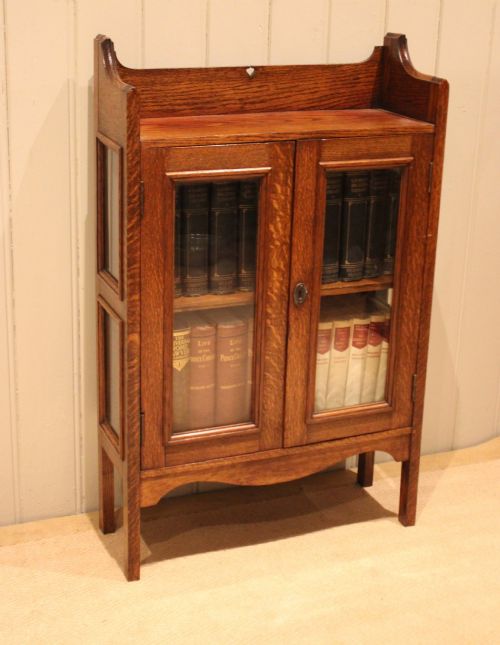
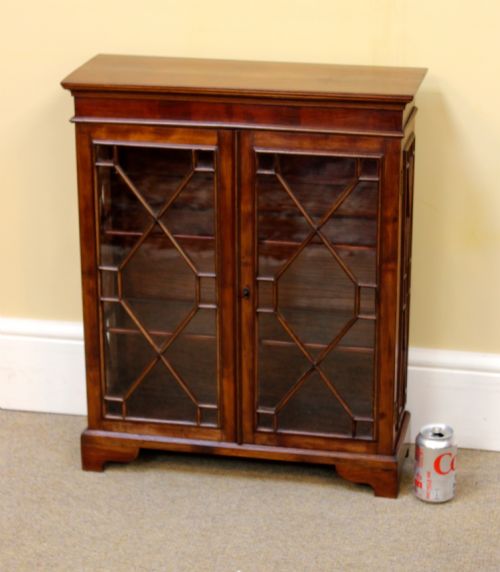
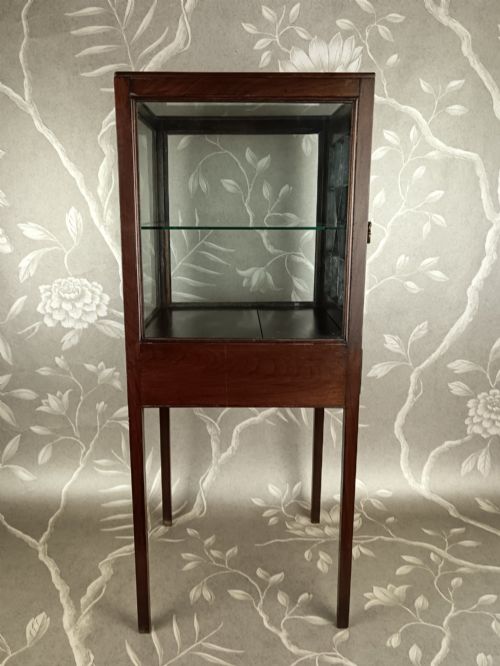
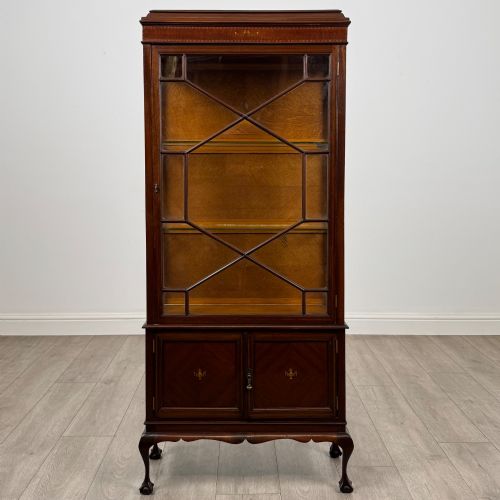
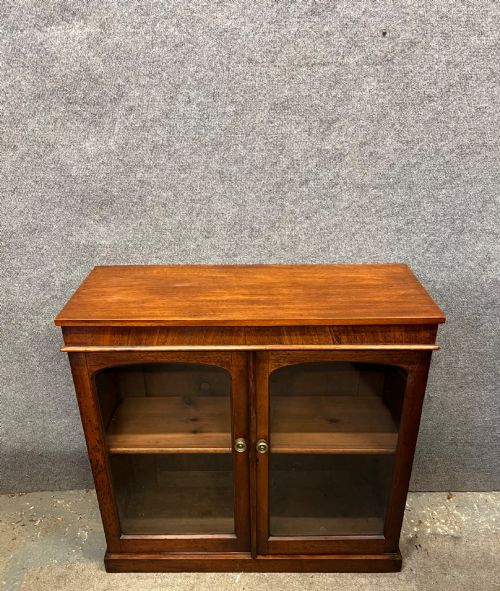
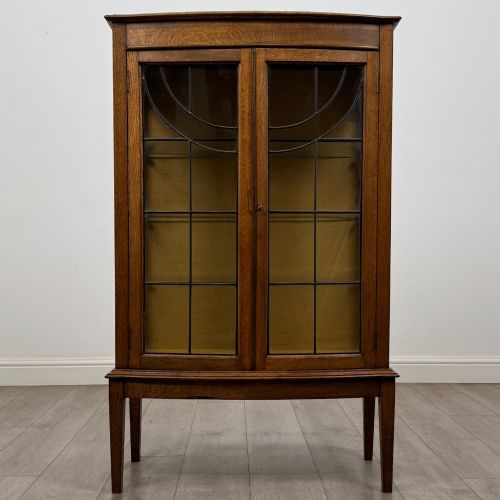
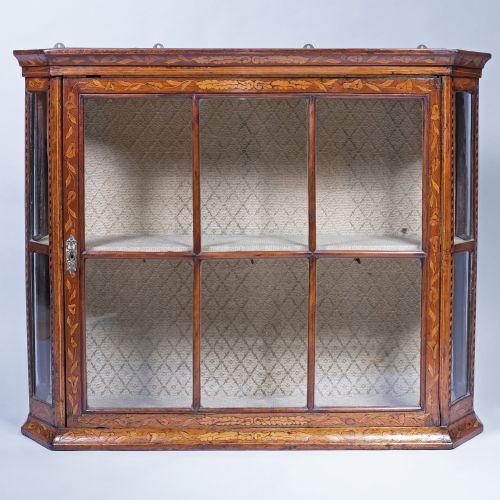
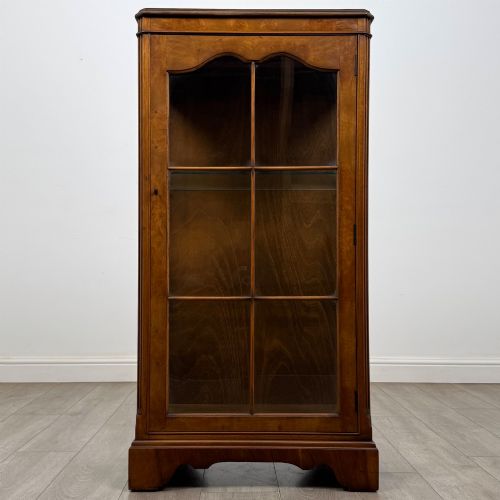
A small display case serves to protect and showcase collections of curiosities, jewellery, books and ornaments within domestic spaces or commercial shops. When searching for a small display case, buyers encounter a variety of forms including table top vitrines, pier cabinets, countertop cases, and miniature wall cupboards.
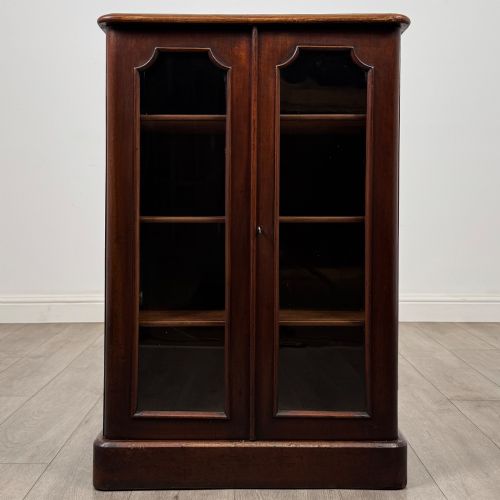
The pieces span multiple eras, with Victorian, Edwardian, and nineteenth-century examples forming the core of the selection. Materials range from traditional timbers like mahogany, walnut, and oak to refined satinwood and kingwood, glazed with glass panels to afford clear visibility.
Domestic variants include corner cabinets and small bookcases adapted for display, whilst commercial counterparts encompass shop show cases and apothecary countertop units. Each configuration provides a distinct method for housing small treasures while maintaining a compact footprint.
How they were made
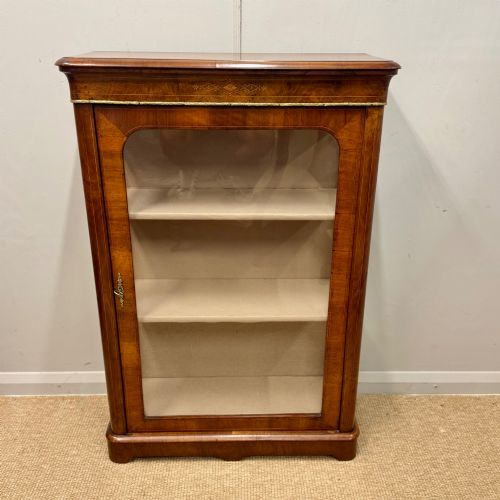
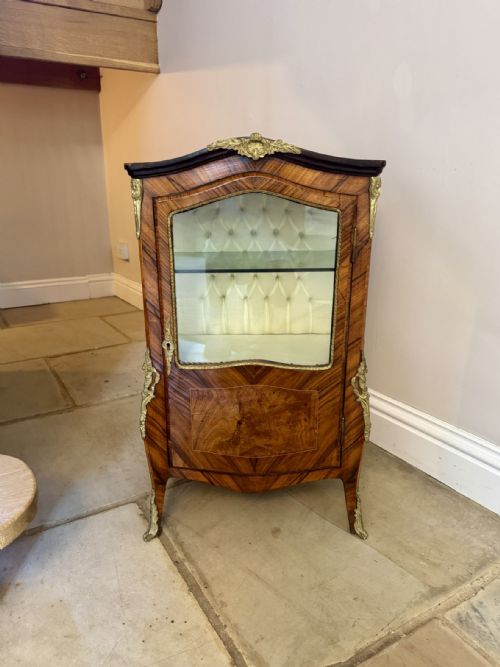
Cabinet makers utilised dense hardwoods such as mahogany, walnut, and oak as the foundational carcass, often applying decorative veneers and marquetry inlay in satinwood or kingwood. Glass panels were integrated into timber doors or bronze, brass, and gilt metal mounts to enclose the display area securely.
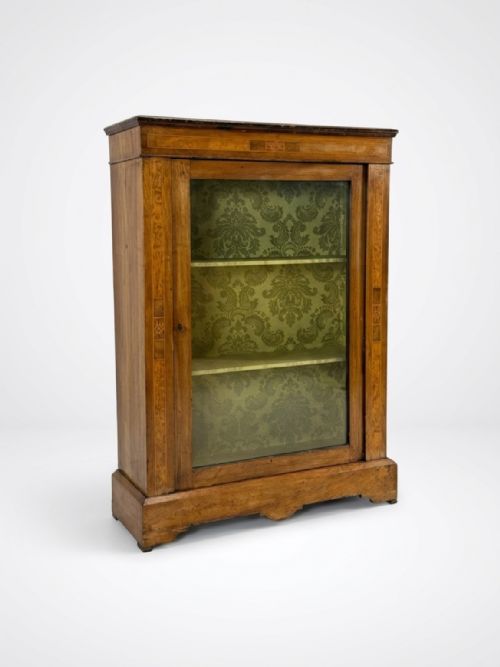
Internal surfaces frequently received fabric linings of velvet or satin to cushion delicate specimens and jewellery. Structural joinery varied from traditional dovetailing in drawers to slender glazing bars dividing the glass panes of bookcases and vitrines.
Materials span plain oak and beech utility shelving through to burr walnut veneer, ormolu mounts, and delicate fabric velvet linings.
What varies in quality
The distinction between ordinary and exceptional pieces rests upon the fineness of the timber figure, the intricacy of marquetry inlay, and the delicacy of brass or ormolu mounts. Master cabinet makers demonstrated superior control in the tightness of joints, the precision of glazing bars, and the harmony of proportion.
Grade is further elevated by original fabric linings, working locks with keys, and untouched patination on the timber surfaces. Lesser examples rely on plain construction with utilitarian finishes, whilst superior items exhibit thoughtful cross-banding and refined serpentine or pedestal forms.
EDWARDS and ROBERTS
The Small Display Case Glossary
- Vitrine
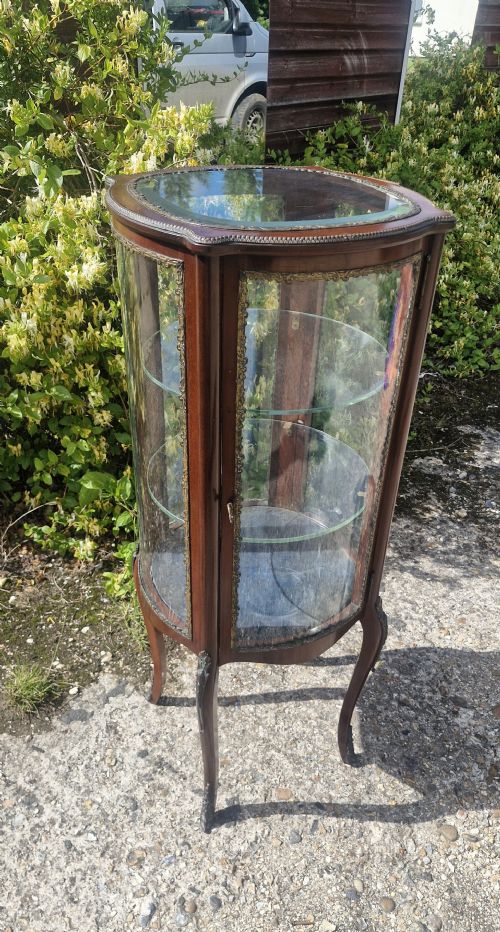
- A glass-fronted cabinet or display case designed specifically for exhibiting fine porcelain, curiosities, or objects d'art. These pieces often feature glazed sides to maximise light penetration.
- Pier cabinet
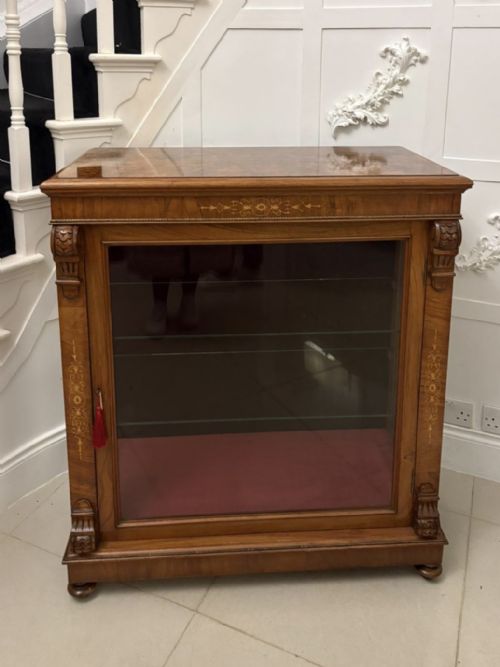
- A tall, narrow cabinet designed to fit against the wall space between windows. Victorian examples commonly incorporate glazed doors and velvet-lined shelving.
- Bijouterie table
- A glass-topped table with a shallow display compartment underneath for jewellery and small collectables. They frequently sit upon slender legs with gilt metal mounts.
- Marquetry
- Decorative woodwork where pieces of contrasting veneer are applied to a structure to form intricate patterns. This technique appeared widely on satinwood and mahogany pieces.
- Ormolu
- Gilded bronze mounts applied to furniture for decorative accent during the eighteenth and nineteenth centuries. The metalwork adds architectural definition to the corners and borders of cabinets.
Small Display Case: Frequently Asked Questions
Where should I place a countertop case?
Countertop cases function well on top of sideboards, tables, or desks where eye-level inspection is easy. They also suit shop settings or studio spaces.
Their enclosed glass design protects delicate objects from household dust while allowing natural light to enter from multiple angles.
How do I identify a Victorian display case?
Victorian pieces frequently utilise solid mahogany, burr walnut, or ebonised timber with heavy glazing bars and brass hardware. Construction dates span from the mid-nineteenth century onward.
Many incorporate velvet linings or mirror backs characteristic of the period's preference for rich interior presentation.
What is the difference between a vitrine and a pier cabinet?
A vitrine is primarily a glass-fronted display cabinet glazed on multiple sides to let light pass through the entire interior. A pier cabinet is traditionally narrower and designed to fit specific wall piers.
Both serve to exhibit prized possessions, but pier cabinets often combine enclosed lower timber sections with upper glazed display areas.