


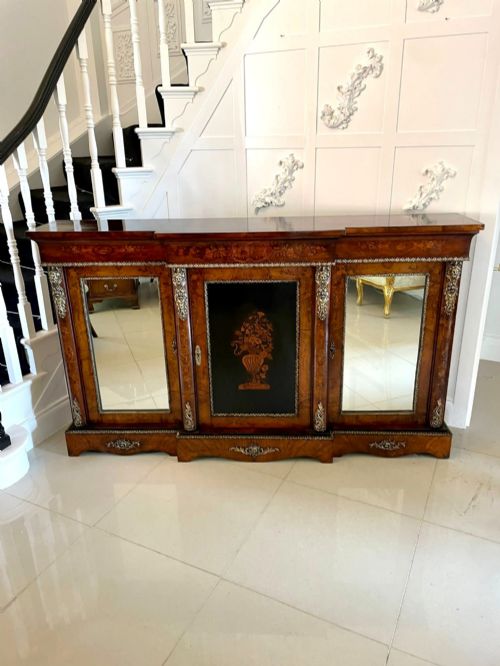
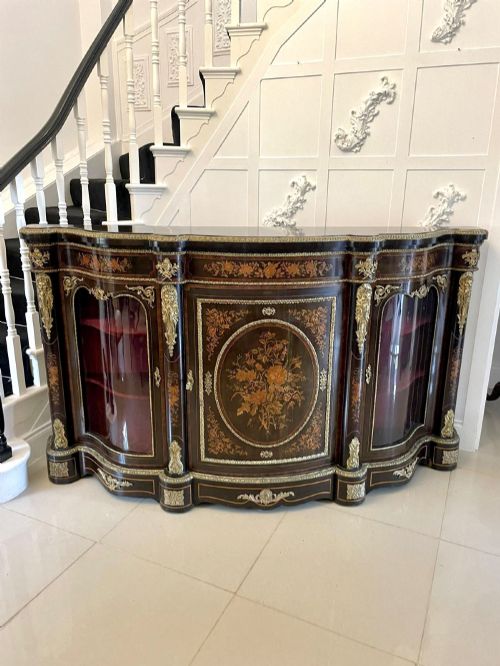
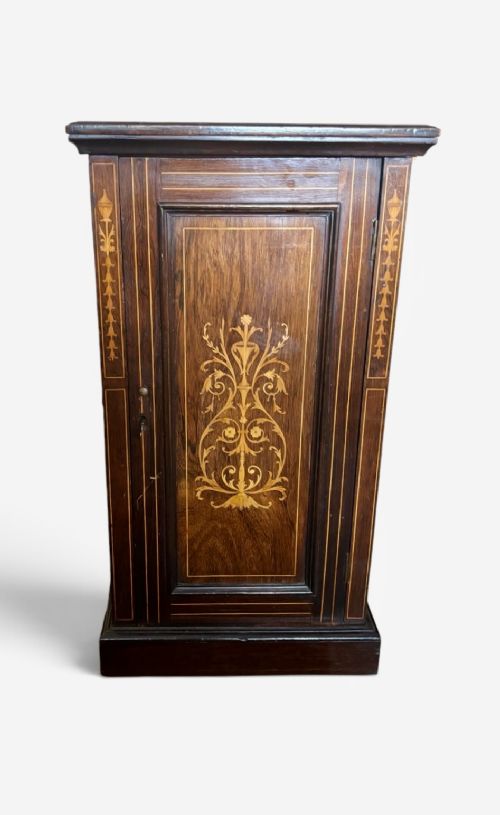
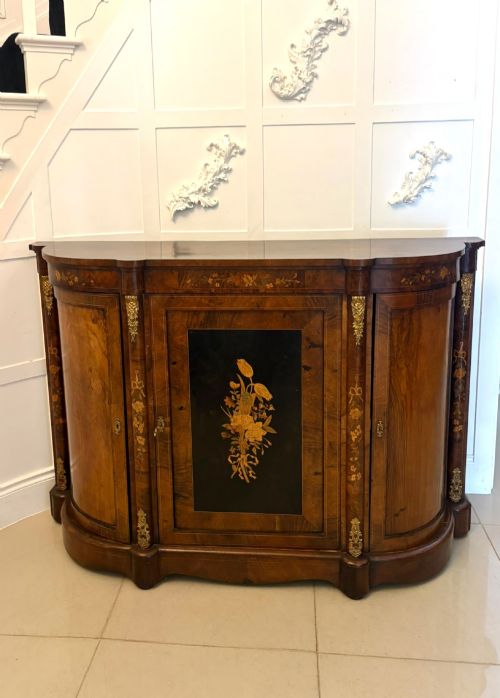
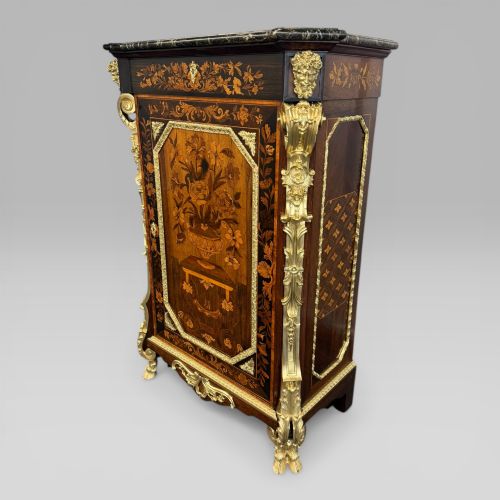
Floral Marquetry Display Cabinet
A floral marquetry display cabinet brings together intricate botanical wood-inlay and glazed presentation space, offering a refined focal point for cherished collections.
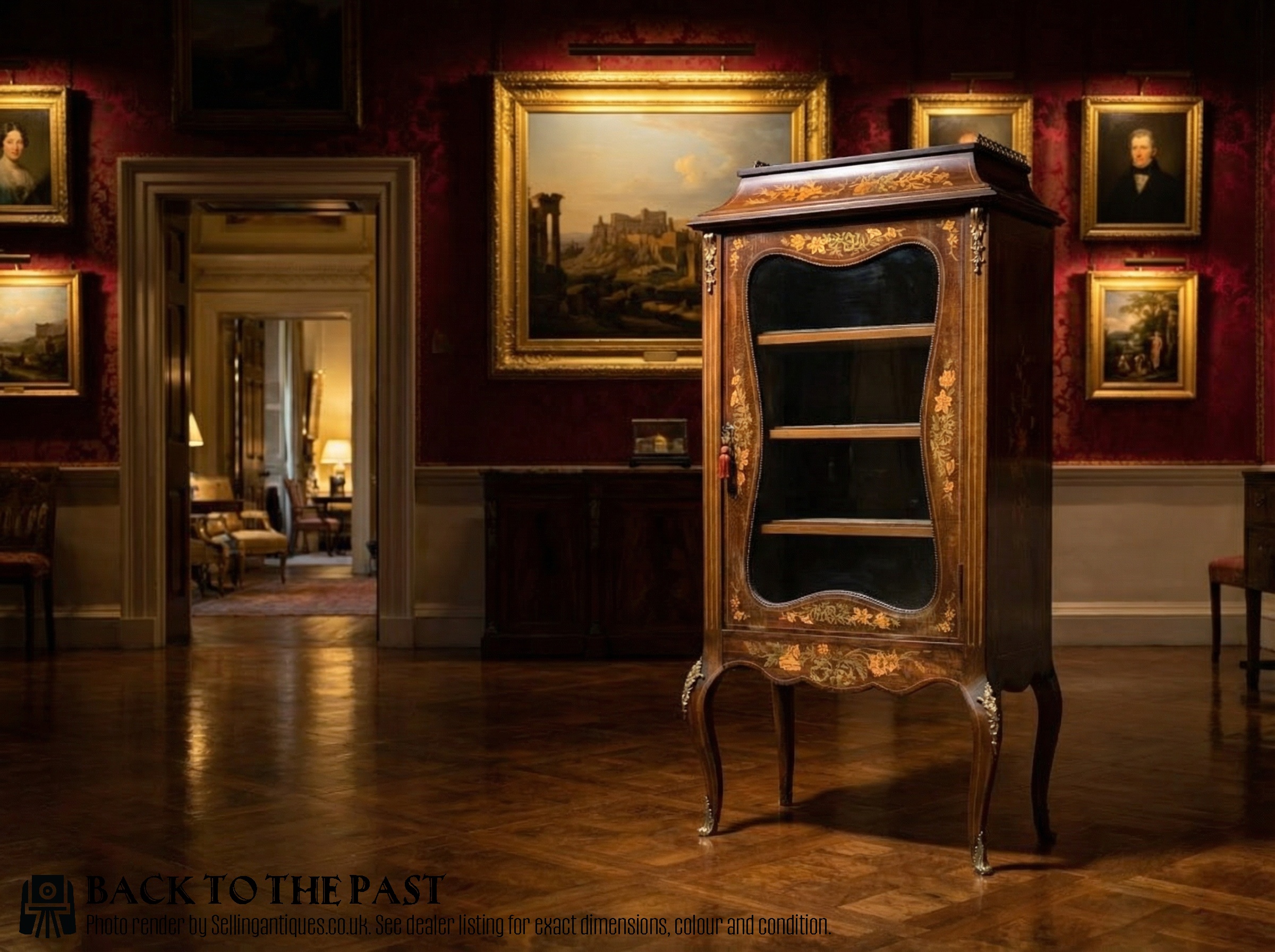
Floral Marquetry Display Cabinet
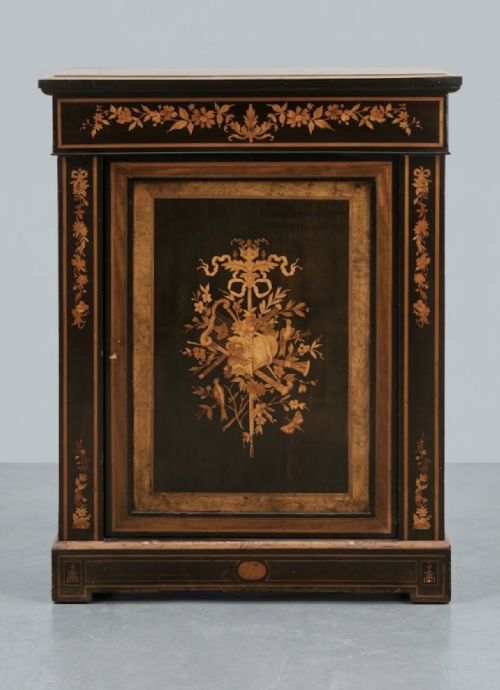
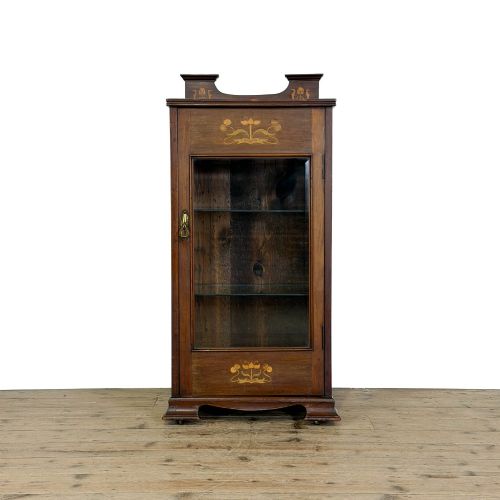
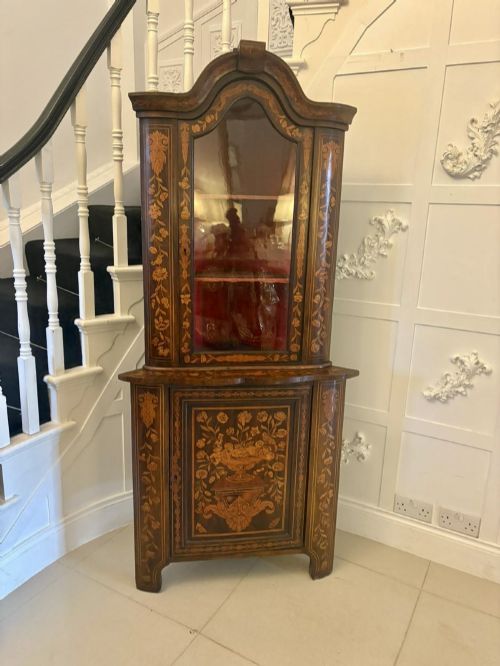
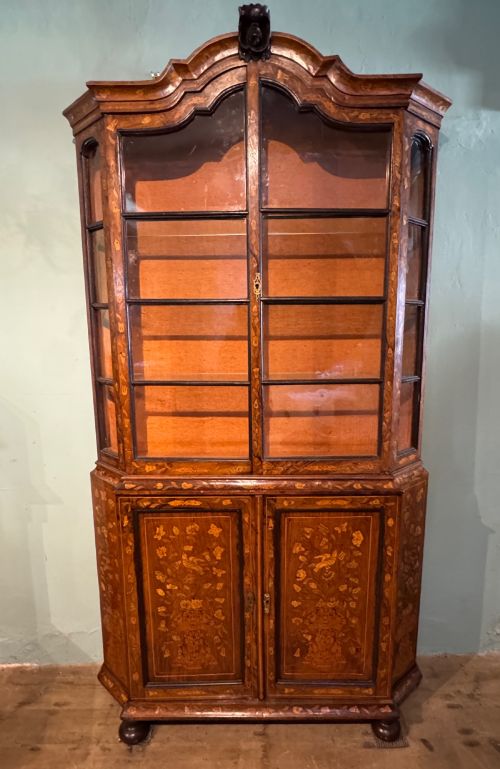
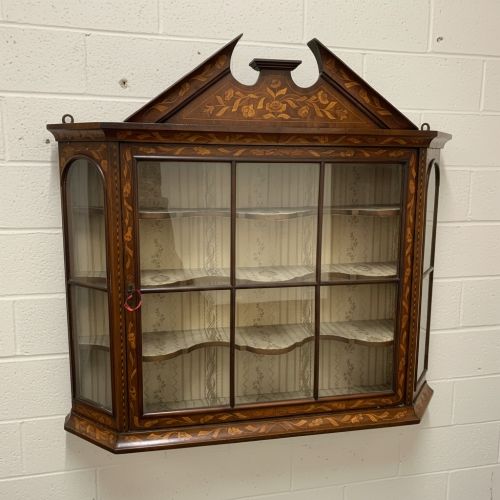
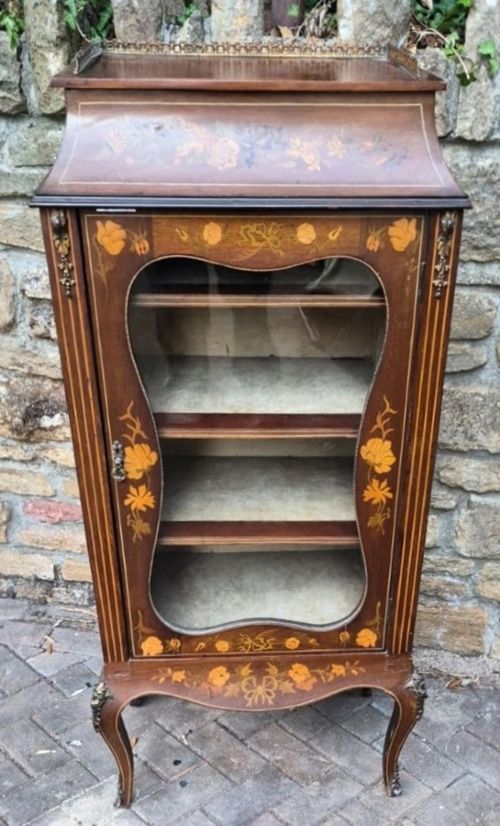
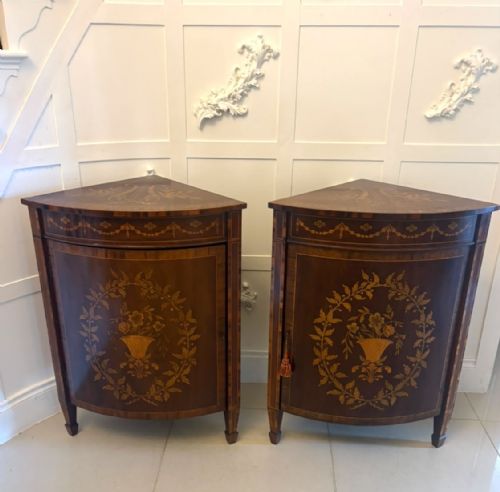
A floral marquetry display cabinet unites decorative botanical timber inlay with functional storage and display, appearing across periods from the eighteenth century through the Edwardian era. These pieces manifest in diverse forms including glazed wall cabinets, corner cabinets, pier cabinets, and serpentine credenzas.
The most common examples on this page date from the Victorian period and the eighteenth century, frequently constructed from walnut or burr walnut. Such cabinets serve to exhibit porcelain and small valuables while demonstrating intricate floral ornamentation across their doors and panels.
How They Were Made
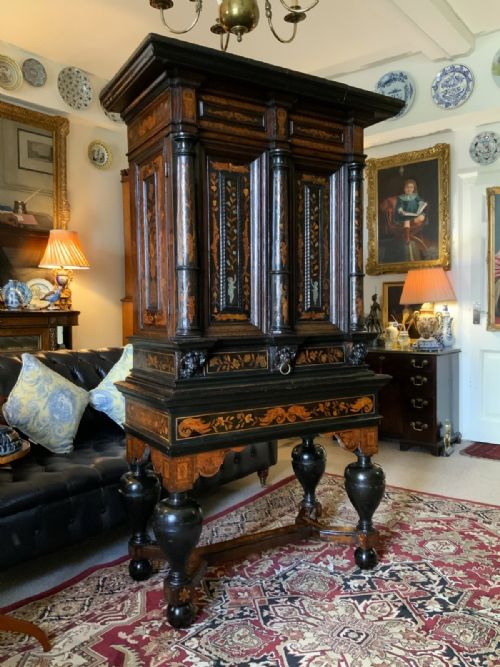
Craftsmen built these cabinets using foundational timbers such as walnut, mahogany, and ebonised wood, overlaid with figured veneers like burr walnut and fruitwood to create varied backgrounds for floral motifs. Ormolu mounts, brass details, and occasional pewter inlay were added to enhance structural edges and decorative panels.
The characteristic floral marquetry relies on precision cutting of contrasting dyed and natural woods, assembled to form elaborate blossom and foliage patterns before being set flush into the cabinet surfaces and polished.
Several seventeenth-century Dutch examples include subtle pewter inlay alongside wood, giving metallic glints to botanical stems.
What Varies in Quality
The fidelity and complexity of the marquetry cutting define the upper tier of pieces, where individual petals and stems display subtle tonal shading through scorched wood techniques rather than plain flat veneers. The choice of primary timber also dictates standing, with highly figured burr walnut and dense mahogany framing the more ambitious compositions.
Structural harmony further separates standard production from exceptional examples, seen in serpentining bombé fronts, integrated ormolu mounts, and retained original glass panes that complement the precision of the cabinetwork.
Edward Holmes Baldock·Edwards and Roberts·Blake
The Floral Marquetry Display Cabinet Glossary
- Marquetry
- Decorative wood veneer arranged in pictorial patterns. Artisans inlay various coloured timbers into a solid ground to form floral or geometric designs.
- Credenza
- A low sideboard or cabinet often fitted with glass doors. Originating in Italy, these pieces gained popularity in Victorian drawing rooms for display.
- Ormolu
- Gilt bronze mounted onto furniture. This decorative metalwork highlights corners, borders, and feet on nineteenth-century cabinets.
- Bombe
- An outward-swelling curved furniture profile. This distinct bulging shape requires advanced woodworking skill to apply veneer smoothly.
- Pier cabinet
- A narrow freestanding cabinet designed to fit wall spaces between windows. These glazed pieces display porcelain and small decorative objects.
Floral Marquetry Display Cabinet: Frequently Asked Questions
What is a floral marquetry display cabinet?
A floral marquetry display cabinet is a glazed storage piece decorated with intricate wood-inlay depicting flowers and foliage. These cabinets combine timber veneers to create detailed botanical imagery across doors and panels.
They were designed primarily for the formal reception rooms of grand homes to exhibit porcelain, glassware, and curiosities while demonstrating the cabinetmaker's decorative skill.
How do I date a marquetry cabinet?
Dating relies on examining the underlying wood species, carcass construction methods, and the stylistic vocabulary of the marquetry. Eighteenth-century examples often feature walnut with Dutch Baroque influences, whereas Victorian pieces frequently employ burr walnut and serpentine shapes.
Secondary woods inside drawers and the formulation of the polish provide further clues to the manufacturing decade.
Where should I place it?
These cabinets suit drawing rooms, studies, or dining spaces where natural light accentuates the timber grain and the intricate floral inlay. Because sunlight can fade dyed veneers and antique wood over time, positioning them away from direct window glare is advisable.
Pairing a narrow pier cabinet with an empty wall space or placing a serpentine credenza against a principal room wall makes effective use of their proportions.
How do I care for antique marquetry?
Maintenance involves keeping the timber away from direct heat sources and sudden humidity shifts, which can cause veneer to lift or wood to split. Gentle dusting with a dry, soft cloth preserves the polished surface.
Occasional application of appropriate wax feeding helps maintain the moisture and lustre of walnut and mahogany without building up heavy residue.