
Glazed Earthenware Urns
These glazed earthenware urns bring hand-thrown warmth and tin-glazed colour to an interior through centuries of ceramic tradition.
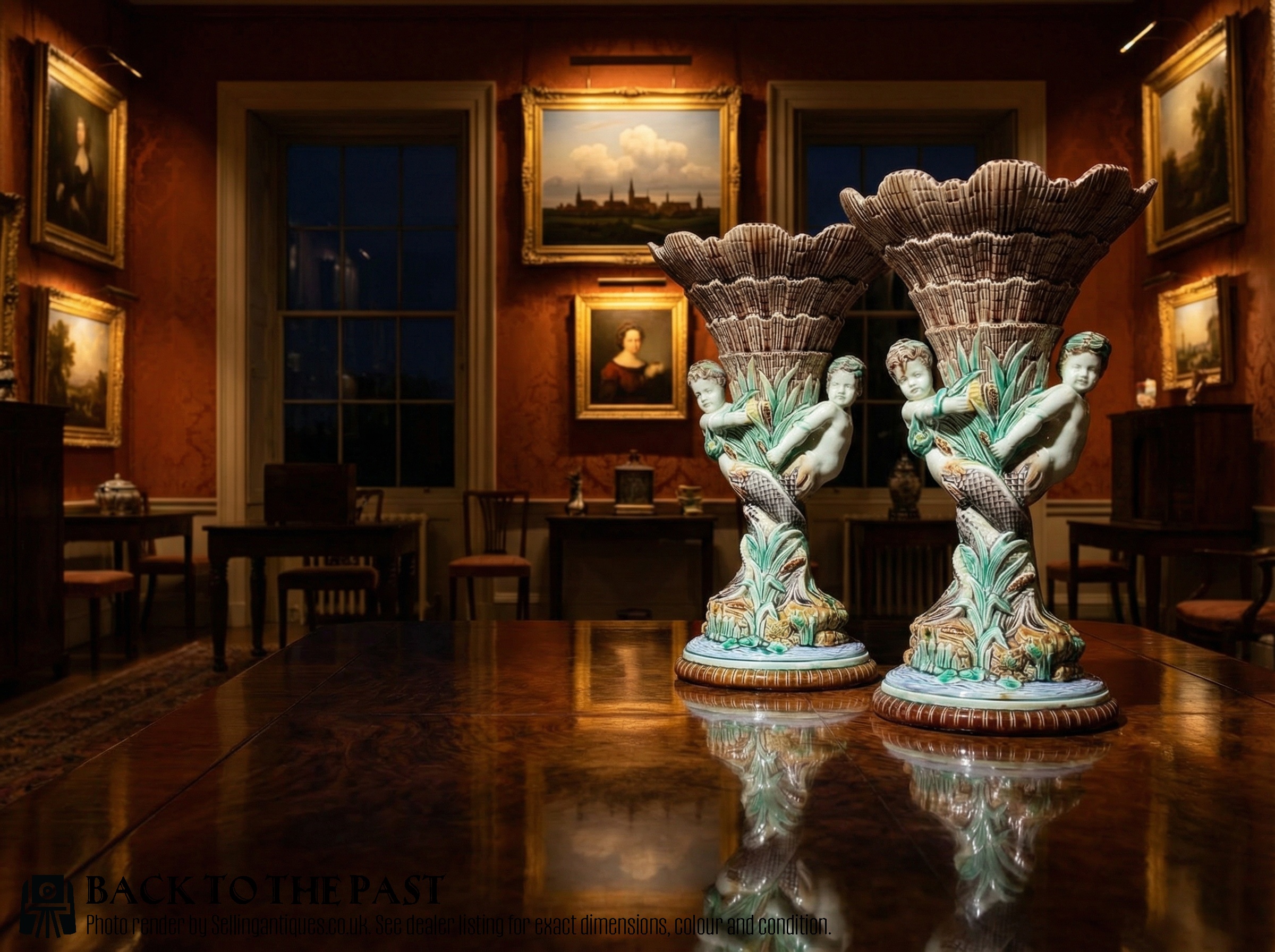
Glazed Earthenware Urns
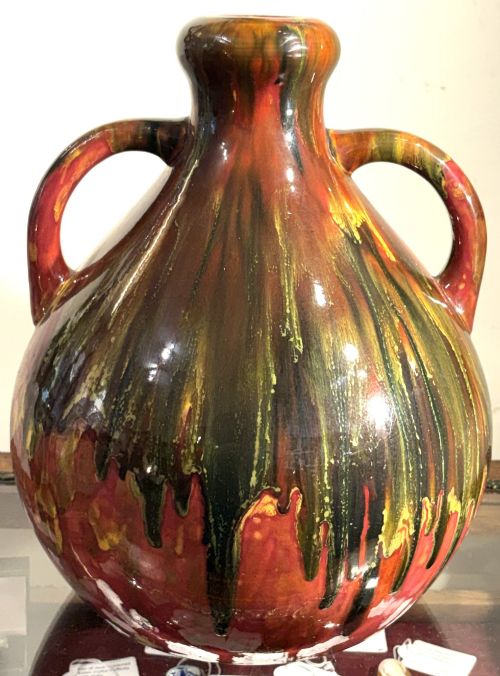
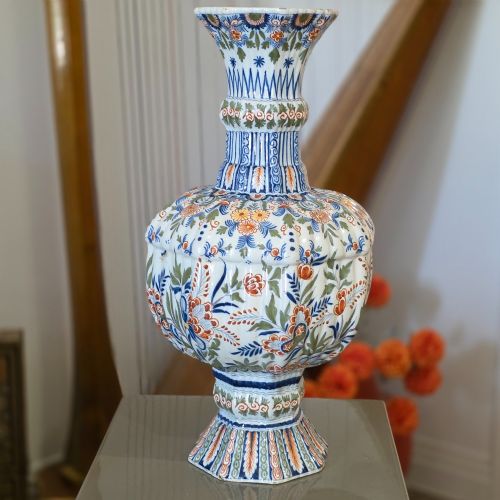
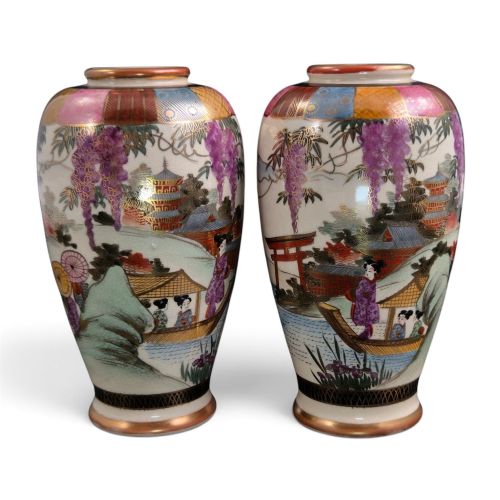
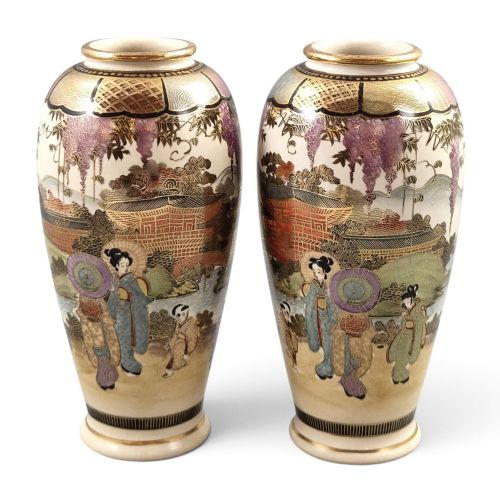
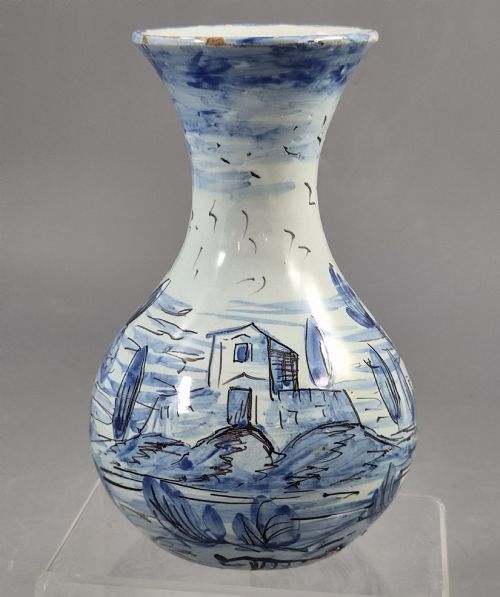
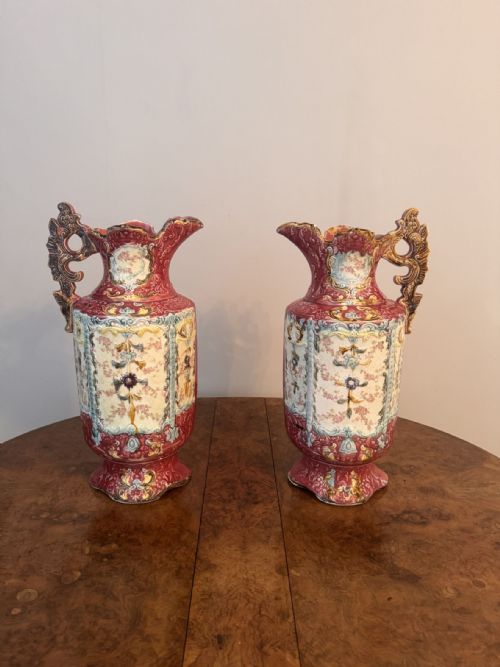
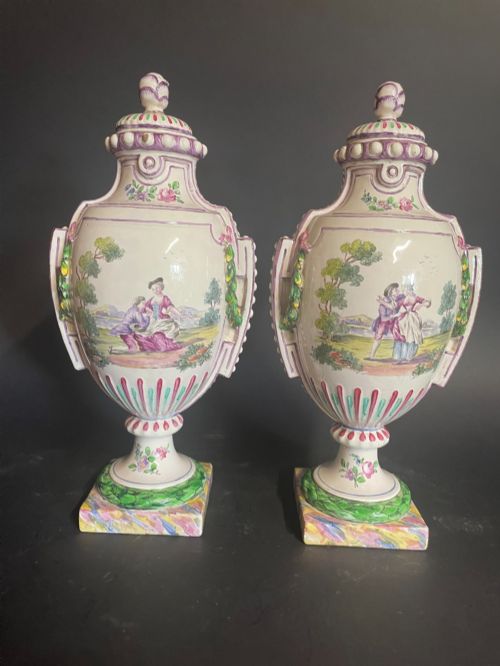
Glazed earthenware urns encompass a diverse selection of ceramic vessels, jars, and vases originating primarily from the eighteenth and nineteenth centuries. Buyers frequently encounter Dutch Delftware, French faience, and Italian majolica alongside Japanese Satsuma pieces and British art pottery.
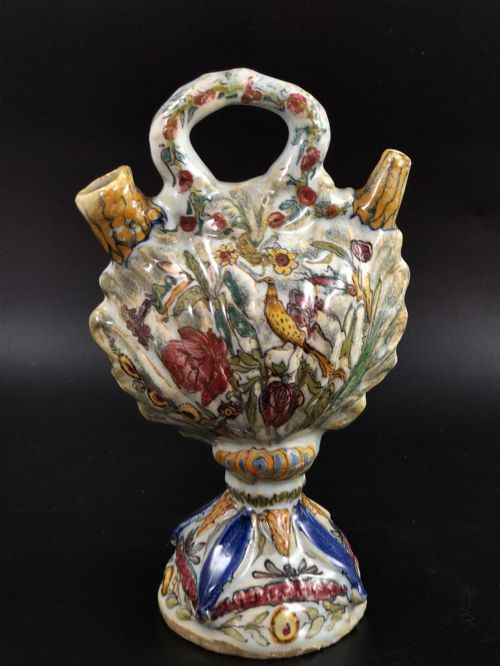
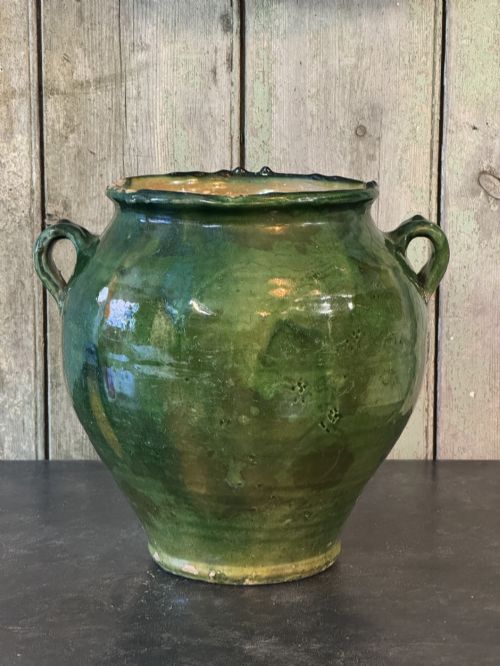
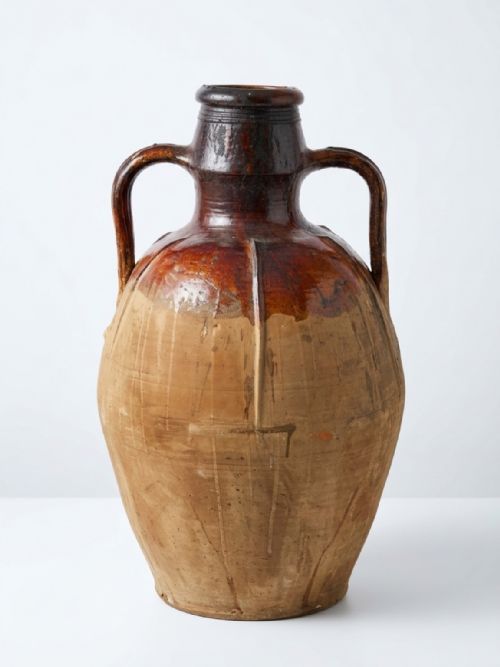
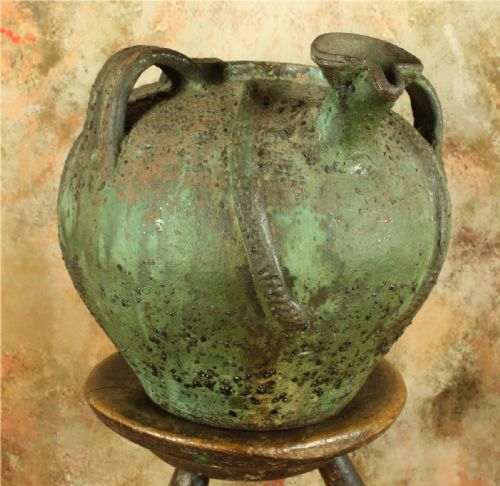
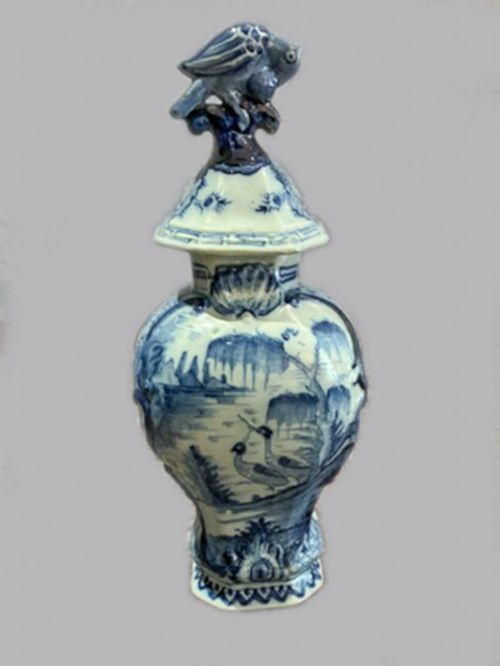
The inventory ranges from grand garden urns and lidded baluster jars to cabinet vases, pilgrim flasks, and confit pots. Many survive in pairs, reflecting their original purpose as decorative garnitures for mantelpieces and tables.
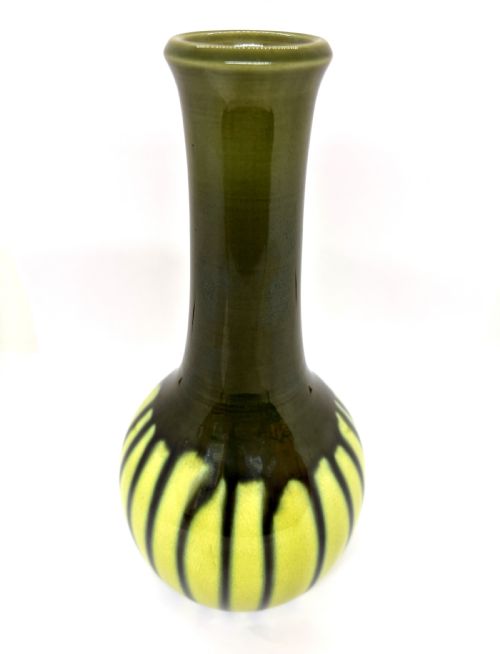
Origins stretch across European workshops and Meiji period Japan, uniting earthenware and terracotta bodies beneath rich glazes, enamel decoration, and occasional gold leaf accents.
Materials and technique
Potters shaped porous earthenware and terracotta bodies on the wheel or pressed them into moulds before applying tin glazes or lead-based transparent coatings. These surfaces provided an opaque white or coloured ground suitable for hand-painted cobalt blue or polychrome enamel decoration.
Kiln firing fused the metallic oxides into the glaze layer, creating the characteristic gloss and depth seen on majolica, faience, and delftware. Subsequent low-temperature firings accommodated delicate enamel pigments and gold leaf detailing on specialised wares.
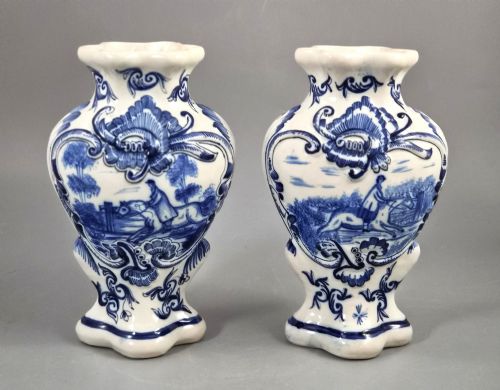
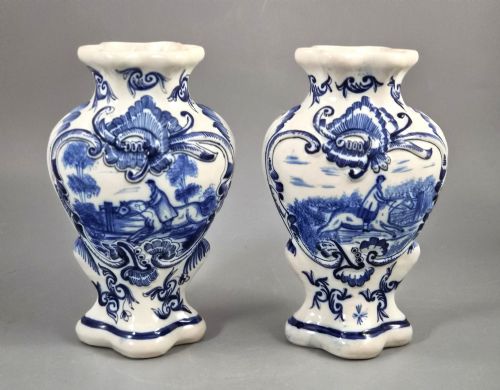
Listings span eighteenth-century delft jars to Victorian majolica planters, uniting tin-glazed earthenware, terracotta, and enamel finishes across multiple European and Japanese traditions.
Quality factors
The distinction between ordinary production and superior work lies in the crispness of the modelling and the control of the brushwork. Master painters achieved fine linework and tonal variation that elevate utilitarian vessels into decorative art.
Glaze consistency and stability during the high-temperature firing determine the visual depth of the piece. Superior examples display smooth, even coverage without excessive pooling or clouding that obscures the painted detail underneath.
Fourmaintraux Courquin·Doulton Lambeth·Cantagalli·Minton·Moorcroft·Mettlach Pottery
The Glazed Earthenware Urns Glossary
- Earthenware
- Porous ceramic pottery fired at relatively low temperatures which requires a glaze to become impervious to liquids. This material forms the fundamental body of majolica, faience, and delftware.
- Tin Glaze
- An opaque white glaze made by adding tin oxide to a lead glaze, providing a smooth background for painted decoration. It defines the appearance of traditional Dutch and English delft pieces.
- Majolica
- Italian tin-glazed earthenware decorated with colourful metallic oxide pigments on an opaque white ground. The style experienced revivals throughout the nineteenth century across European potteries.
- Faience
- French tin-glazed earthenware produced in various regional centres such as Desvres and Sceaux. It adapts stylistic influences from Dutch, Italian, and Chinese ceramics.
- Baluster
- A vase or urn form characterised by a rounded body that tapers toward a narrow neck and rests upon a footed base. This shape appears frequently in eighteenth-century delftware garnitures.
Glazed Earthenware Urns: Frequently Asked Questions
How do I clean an antique glazed urn?
Dust the surface gently with a soft, dry brush to prevent accumulation in crevices and painted recesses. Avoid using water or liquid cleaners on pieces with exposed earthenware bodies or delicate overglaze enamels.
Enamelled and fully glazed pieces tolerate a lightly dampened cloth, but harsh chemical solvents must be avoided entirely to protect the historic glaze chemistry.
Are these urns waterproof for fresh flowers?
Many historic earthenware vessels feature porous bodies or historical hairline fractures that cannot reliably hold water. Inserting a discreet glass or plastic liner inside the vessel protects the antique fabric from moisture damage.
Displaying them dry as decorative ornaments remains the safest approach for fragile tin-glazed earthenware and delicate nineteenth-century art pottery.
How can I tell Dutch delft from French faience?
Dutch delft typically relies on a dense, crisp blue and white palette influenced by Chinese export porcelain. The glaze and body characteristics often reflect specific seventeenth and eighteenth-century Low Country manufacturing techniques.
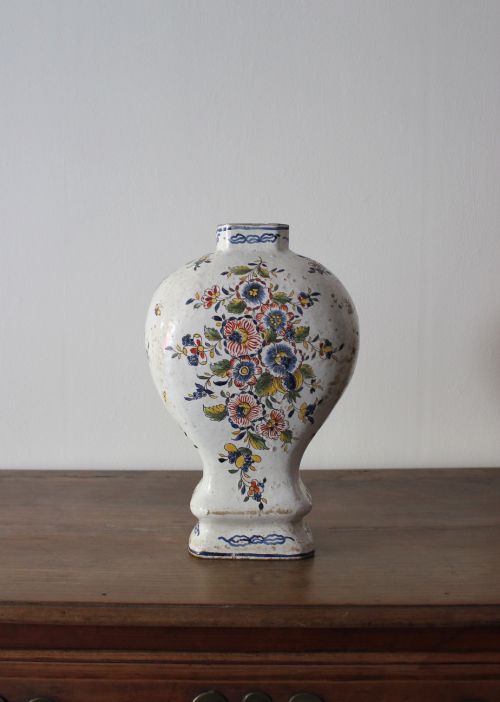
French faience from centres like Desvres or Sceaux frequently incorporates broader polychrome palettes and distinct regional forms such as pilgrim flasks and confit pots.
What is the difference between earthenware and stoneware?
Earthenware is fired at lower temperatures, leaving the ceramic body porous and opaque unless sealed with a complete glaze. It serves as the primary base for traditional delft, majolica, and faience.
Stoneware undergoes a much higher firing temperature that vitrifies the clay body naturally, rendering it completely impermeable to liquids even without a glaze.