




Tubelined Ceramic Urns
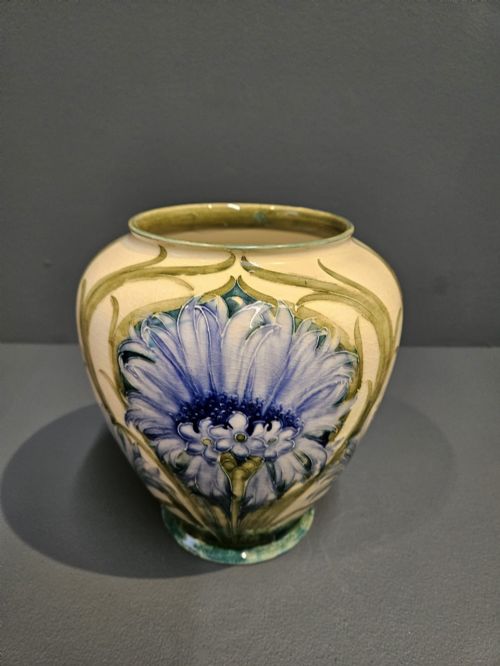
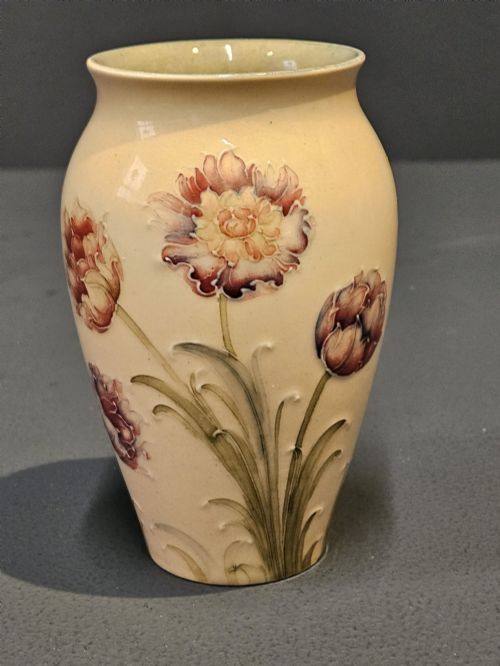
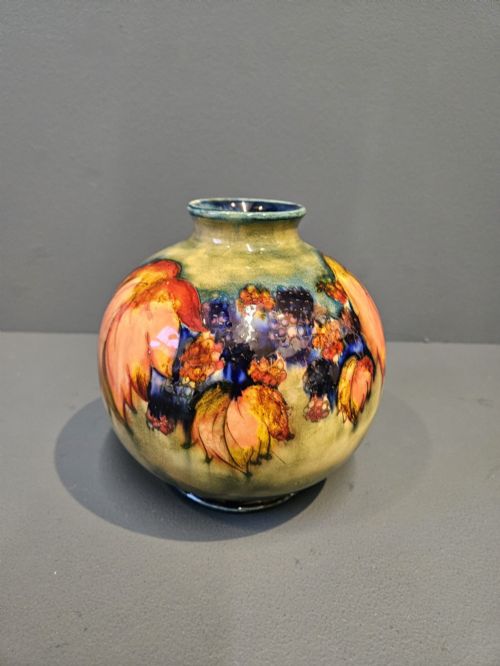
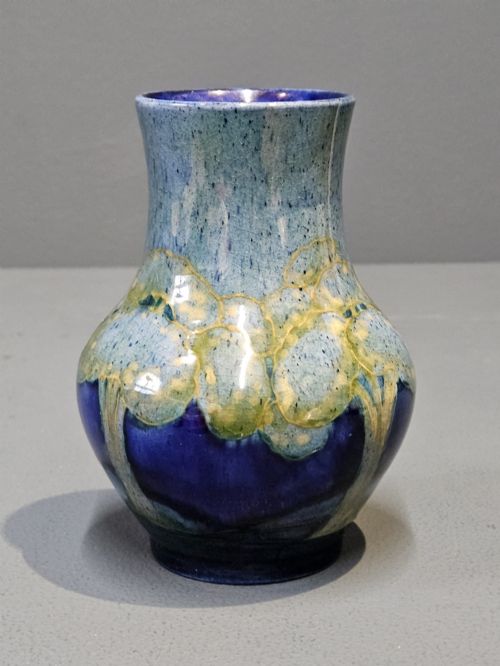
Tubelined ceramic urns bring rich relief and bold colour to a room, offering striking decorative presence through raised clay outlines.
Tubelined Ceramic Urns
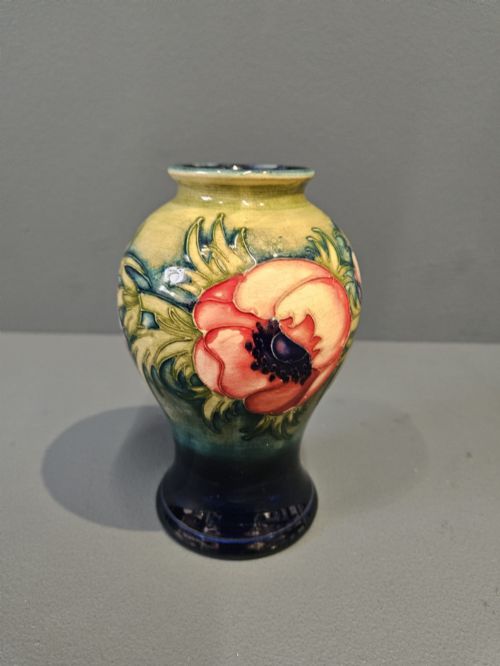
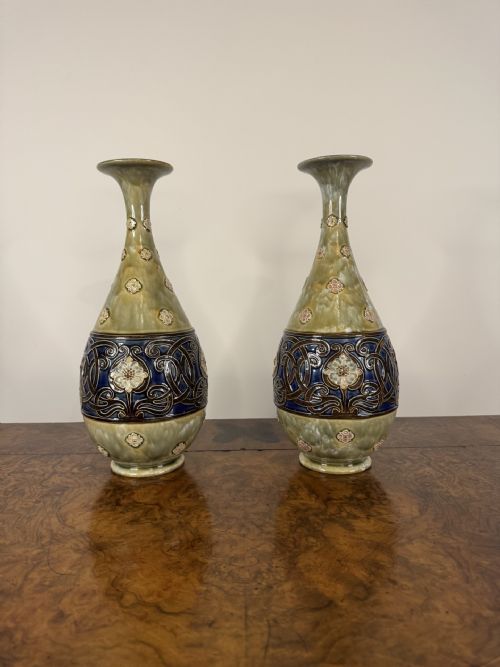
Tubelined ceramic urns encompass decorative vases shaped from earthenware and stoneware, spanning periods from eighteen eighty to nineteen thirty. These pieces emerge in distinct design movements including Art Nouveau, Art Deco, and Arts and Crafts.
How they were made
Makers formed these vessels using earthenware and stoneware bodies, applying liquid clay through a fine nozzle to build raised outlines on the surface. This technique created distinct compartmentalised barriers on the ceramic body before the application of glaze.
Artisans filled the resulting clay cells with coloured ceramic glaze and fired the pieces to achieve glossy finishes or specialist flambé effects. Certain works received additional lustre treatments or painterly signatures from individual studio artists.
Tubelined Ceramic Urns Retail Price Guide 2026
Typical asking prices for tubelined ceramic urns among the pieces listed under this phrase on Sellingantiques today, from the lower quarter to the upper quarter. They describe what is for sale here now, not the wider market.
Listings feature glazed earthenware and stoneware bodies spanning decorative styles from Art Nouveau to Art Deco.
What varies in quality
Quality rests in the precision and definition of the raised clay lines, alongside the depth and complexity of the colour palette within the glazed cells. Master potters achieved cleaner separations and richer tonal variations than commercial workshops.
The artistic pedigree significantly separates standard production items from pieces bearing individual artist signatures, trial glazes, or specialised collaborations with major retailers.
Royal Doulton·Moorcroft·Minton·Charlotte Rhead·Louisa Wakely·William Moorcroft
The Tubelined Ceramic Urns Glossary
- Tubelined
- The technique of applying a fine trail of liquid clay to a ceramic body to form a raised outline for subsequent enamel or glaze infill. This method creates a tactile barrier between colours.
- Flambé
- A mottled, unpredictable glaze effect achieved through reduction firing in a kiln, producing rich crimson and purple streaks. Each fired piece yields a unique surface finish.
- Baluster
- A vertical vessel form featuring a rounded body that tapers toward a narrow neck and flares at the base. This classic silhouette provides stability and visual balance.
- Lustre
- A metallic surface sheen applied over the primary glaze to create iridescent light reflections. The technique requires a specialised low-oxygen firing stage.
Tubelined Ceramic Urns: Frequently Asked Questions
How do I care for tubelined ceramic urns?
Dust these vessels gently with a dry, soft cloth to protect the raised clay outlines and glazed surfaces from abrasion. Avoid exposing them to moisture or harsh cleaning agents.
Display the urns away from direct sunlight to preserve the depth of the coloured glazes over time. Handle them firmly by the body rather than the rim to distribute weight evenly.
How are different periods identified?
Examine the stylistic motifs, such as flowing organic plant forms for Art Nouveau pieces or geometric patterns for Art Deco items. These visual cues align with the active production years of the potteries.
Check the base for factory stamps, impressed dates, and painted artist signatures. These administrative marks provide reliable chronological reference points.
What is the difference between earthenware and stoneware bodies?
Earthenware is a porous, lower-fired ceramic body that requires complete glaze coverage to achieve impermeability. It often supports bright, absorbent surface colours.
Stoneware undergoes a higher firing temperature, resulting in a dense, vitreous, and robust material that resists liquid absorption naturally. This body typically carries heavier utilitarian or decorative glazes.
How were these urns used historically?
These vessels served primarily as interior decorative ornaments on mantelpieces, sideboards, and pedestals within period homes. Their striking profiles added focal points to formal reception rooms.
While capable of holding cut flowers, many examples functioned purely as display art objects to showcase the technical skill of the pottery.