


Glazed Ceramic Statue
A glazed ceramic statue brings tangible presence into a room through moulded clay and fired pigments.
Glazed Ceramic Statue
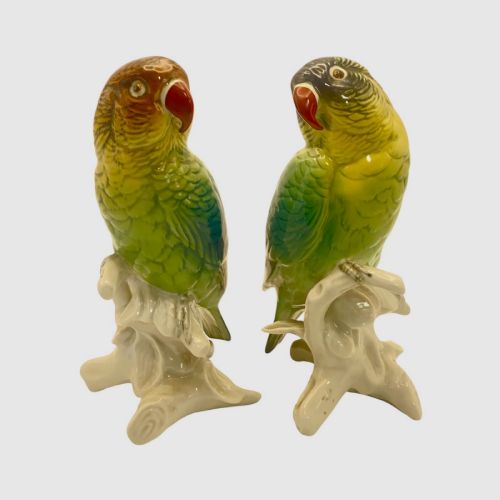
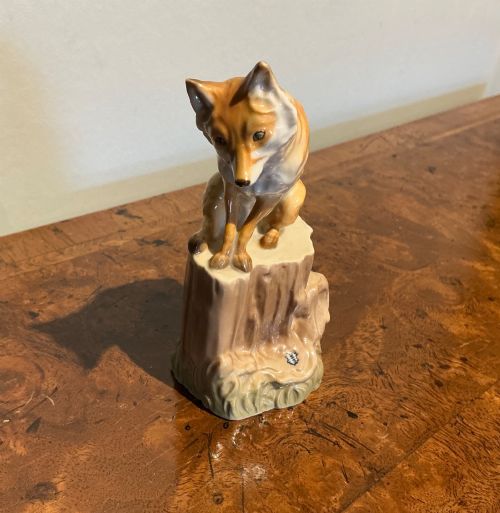
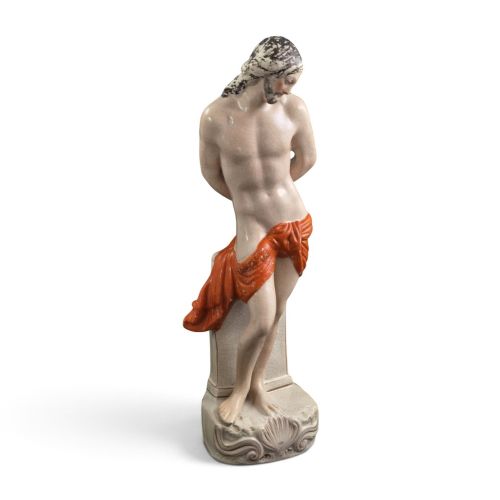
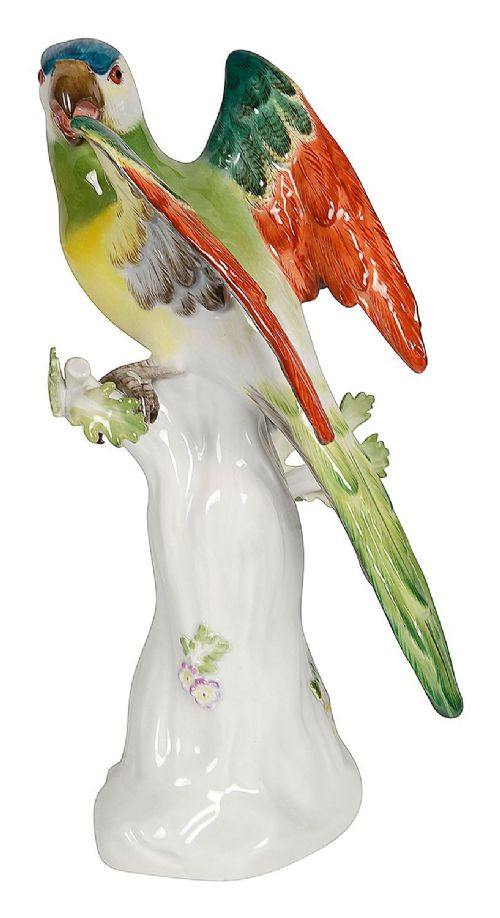
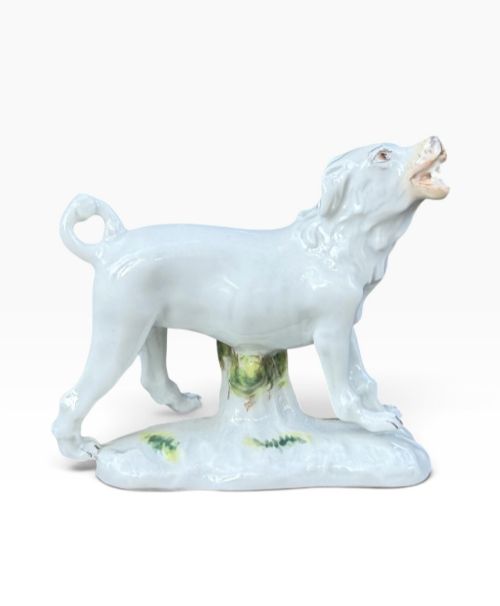
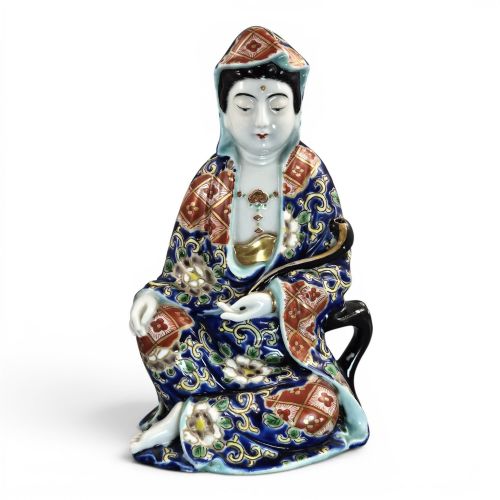
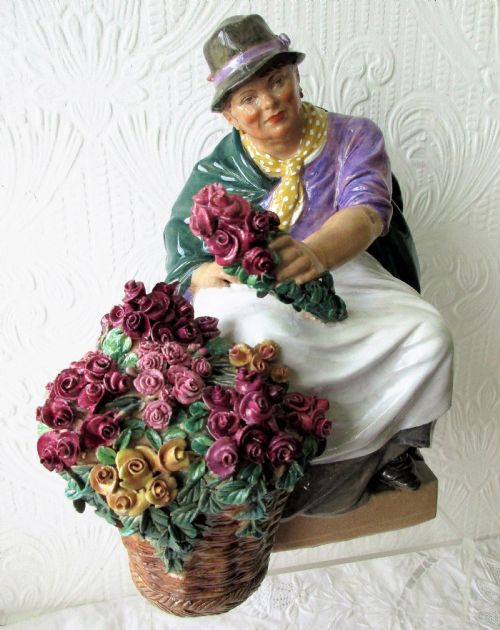
A glazed ceramic statue encompasses figurative works shaped from clay, earthenware, stoneware and porcelain, spanning centuries of global kiln traditions. Buyers encounter varied subjects ranging from animals like pugs, dogs, parrots and lions to human characters including historical figures, literary subjects and mythological deities.
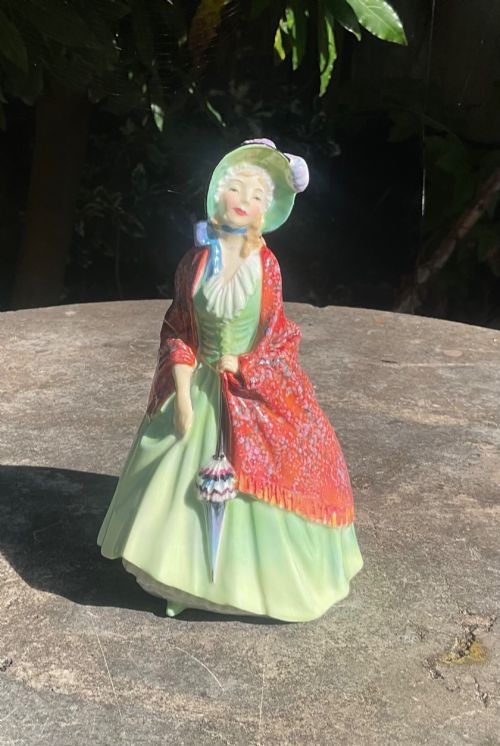
The selections on this page draw heavily from nineteenth-century Staffordshire pottery traditions alongside Continental porcelain, French earthenware and Japanese Meiji period or Chinese dynastic styles. Pieces appear as individual sculptures or matched pairs, serving primarily as decorative display objects in domestic interiors.
Materials and production methods
Makers formed these sculptures using earthenware, terracotta, stoneware or porcelain pastes, often shaping the clay by hand or pressing it into moulds before applying liquid metallic oxides and vitreous coats. Firing the pieces in kilns vitrified the body and fixed the coloured enamel or transparent glazes to the surface.
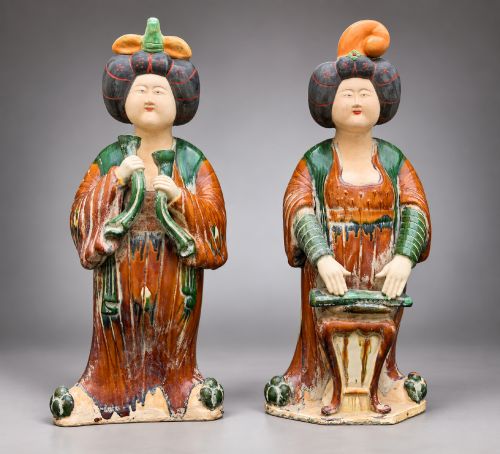
Certain workshops introduced specialised decorative enhancements such as hand-painted enamel details, Sancai multi-coloured lead glazes, or applied gold leaf to accentuate specific sculptural contours. Bases were occasionally left unglazed or mounted separately upon ebonised timber stands.
Distinctions in execution
The sophistication of the painted or transferred enamel palette further divides standard commercial output from masterworks produced by established porcelain manufactories and notable studio ceramicists. Provenance, historical authenticity of the glaze, and the preservation of delicate limbs or ears dictate the standing of individual examples.
Karl Ens·Royal Doulton·Charles Vyse·Royal Dux Bohemia·Meissen
The Glazed Ceramic Statue Glossary
- Earthenware
- Porous pottery fired at lower kiln temperatures, requiring an opaque or transparent glaze to ensure watertightness. This ceramic body underpins many nineteenth-century domestic figures.
- Pearlware
- A refined type of earthenware developed in the eighteenth century featuring a subtle bluish tint within the transparent lead glaze. It provided a paler ground that resembled true porcelain.
- Sancai
- A traditional three-colour lead glaze technique originating in China, typically combining amber, green and creamy white tones. These overlapping colours run naturally across the pottery body during firing.
- Okimono
- A Japanese term for a decorative置物 or freestanding ornament designed for display on a shelf or tokonoma alcove. These sculptures often depict deities, historical figures or animals with intricate carving.
- Blanc de Chine
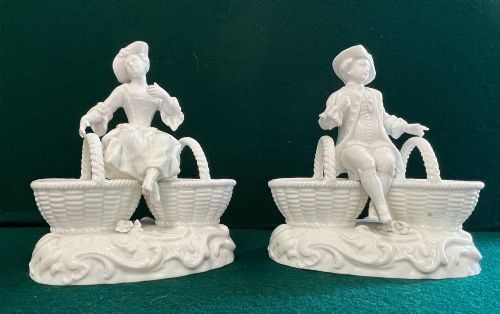
- A white porcelain produced in China featuring a glossy glaze that fuses completely with the white paste beneath. European factories later emulated this monochrome aesthetic.
Glazed Ceramic Statue: Frequently Asked Questions
How do I identify a glazed ceramic statue?
Examine the underside or base for exposed clay bodies, factory stamps, incised signatures or painted marks left by the potter. The weight, glaze opacity and manufacturing seams often reveal whether a piece is hand-sculpted, slip-cast or press-moulded.
Studying the crackle patterns and surface wear helps distinguish older historical pieces from modern reproductions. Comparing the potting technique with known examples from specific periods confirms the origin.
Were these figures meant for display?
Most sculptural ceramics served as decorative mantelpiece ornaments, cabinet figures or tabletop centrepieces within domestic interiors. Certain examples, such as funerary figures or devotional statues, held ritual or spiritual significance in their original cultures.
Over time, these objects transitioned from functional or symbolic items into collectible works of art prized for their craftsmanship. Displaying them safely involves placing them away from direct sunlight and heavy foot traffic.
How should I clean my ceramic sculpture?
Dust the surface gently using a soft, dry artist's brush or a feather duster to prevent particulate buildup in crevices. Avoid using abrasive cloths, harsh chemical cleaners or submerging antique pieces in water, as old glazes and painted enamels can be fragile.
If deeper cleaning is required, consult a professional conservator to assess the stability of the glaze and any historical repairs. Regular, gentle maintenance preserves the original finish without risking damage to the ceramic body.
What causes crazing on glazed ceramics?
Crazing appears as a fine network of microscopic cracks across the glassy surface layer, caused by the glaze contracting at a different rate than the clay body during cooling. This natural ageing process often develops over decades as moisture interacts with the porous ceramic underneath.
While crazing can help confirm the age of an older earthenware or porcelain piece, it requires careful monitoring to ensure no staining penetrates the cracks. Environmental stability helps prevent further stress on the glazed finish.