


Glass Transfer Printing Art
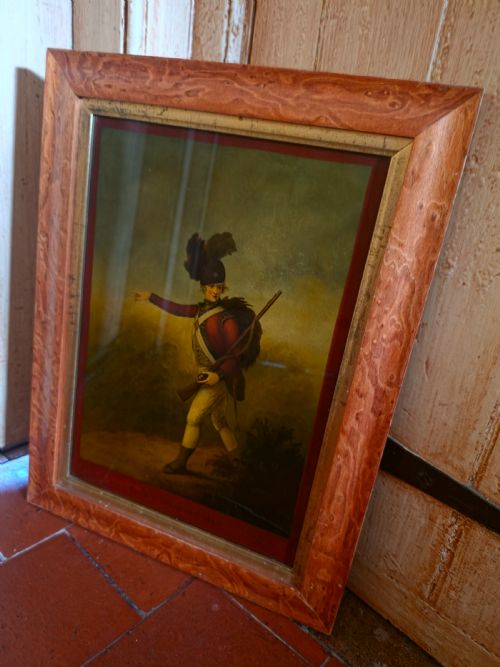
Glass transfer printing art offers striking historical portraits and military scenes rendered through intricate reverse glass printing.
Glass Transfer Printing Art
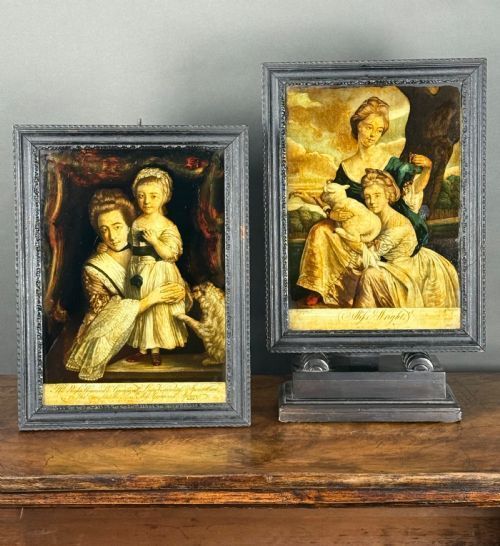
Glass transfer printing art encompasses historical wall art and framed pictures produced using reverse glass painting and reverse glass printing techniques. Collectors encounter pieces originating from the Georgian, Regency, and nineteenth century periods.
Makers and artists such as W. Bishop and Richard Phillips contribute to this category alongside prints executed after Frye. Buyers frequently find framed prints depicting notable historical personages and literary characters like the lady of the manor.
Materials and construction
Makers create glass transfer printing art by applying paper prints or engravings directly onto glass panels before transferring the image. Artisans then enhance the reverse side using oil paint, pigment, and various paints to achieve depth and colour.
Finished panels sit securely within protective wood frames, frequently finished in gilt wood or giltwood. The physical process requires precise alignment so that the image reads correctly when viewed through the front of the glass.
Listings feature works spanning the Georgian and Regency periods through to the nineteenth century, utilising glass, paper, oil paint, and gilt wood.
Distinctions in quality
Quality in glass transfer printing art rests upon the crispness of the initial print transfer and the subtlety of the subsequent hand colouring. Finer examples retain their original pigment vibrancy without extensive flaking or moisture damage behind the glass.
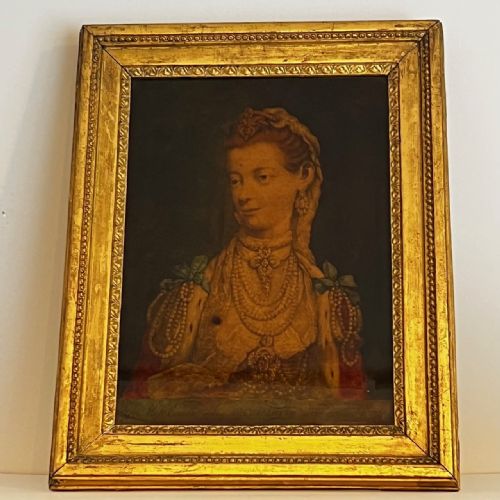
The sophistication of the subject matter and the skill demonstrated in portraits like those of Queen Charlotte or Princess Caroline elevate certain pieces. Original framing matching the period of the glass adds significant coherence to the object.
W. Bishop·Richard Phillips
The Glass Transfer Printing Art Glossary
- Reverse glass print
- An image transferred onto the back of a glass sheet and viewed from the front. This technique protects the delicate paper and pigments from atmospheric dirt.
- Mezzotint
- A printmaking method that produces rich tonal gradations through roughening the copper plate. Eighteenth century artisans adapted this method for glass transfers.
- Chrystoleum
- A nineteenth century technique where a photograph or print on paper is made translucent and hand painted from behind. These pieces often depict Victorian beauties.
- Giltwood
- Wood carved and covered with a thin layer of gold leaf. This material frequently frames Georgian wall art.
Glass Transfer Printing Art: Frequently Asked Questions
What is glass transfer printing art?
Glass transfer printing art consists of historical wall art where printed images are adhered to glass and painted from behind. These pieces capture royal portraits and military scenes from the eighteenth and nineteenth centuries.
Collectors prize them for their unique glossy surface and the intricate hand applied pigments visible through the glass pane.
How do I date these pieces?
Dating relies on the subject matter, costume details, and framing styles associated with the Georgian, Regency, and Victorian eras. Portraits of monarchs like Queen Charlotte or King George III offer clear chronological anchors.
The materials used in the backing and the type of glass also provide clues to the age of the piece.
Where were they displayed?
These framed pictures hung in domestic parlours and formal reception rooms as fashionable wall art during the Georgian and Regency periods. Their reflective surfaces caught candlelight effectively in dim interiors.
Today they suit studies and living rooms where historical portraits create a traditional atmosphere.
How do I care for them?
Display glass transfer printing art away from direct sunlight to prevent the underlying pigments and paper from fading. Keep them in stable humidity conditions to protect the fragile bond between the glass and the paint layers.
Clean the glass surface gently with a dry cloth and avoid introducing moisture near the edges of the frame.