
Glass Front Display Cupboard
A glass front display cupboard offers a clear view of treasured objects while keeping them safe from dust.
Glass Front Display Cupboard
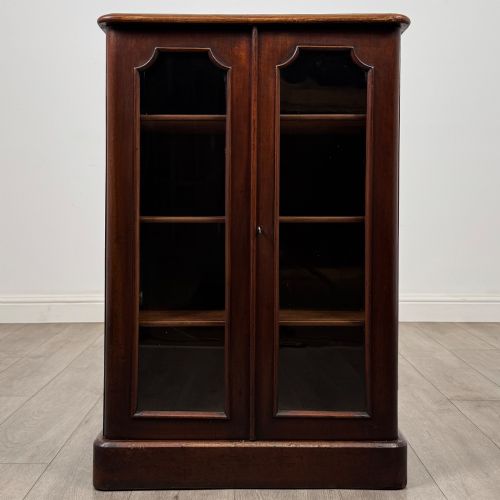
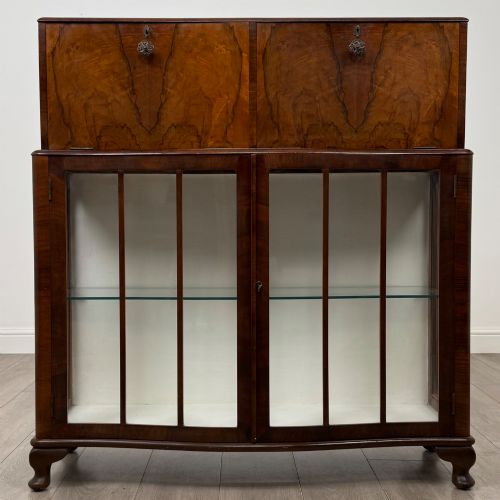
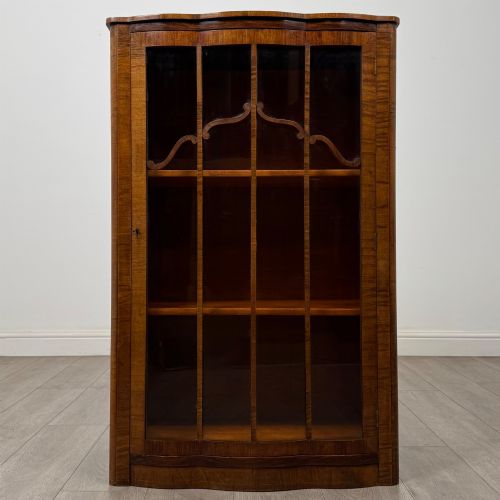
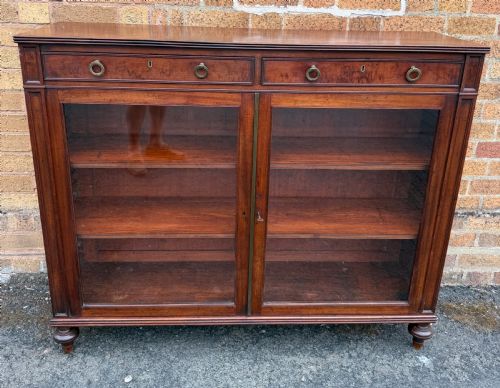
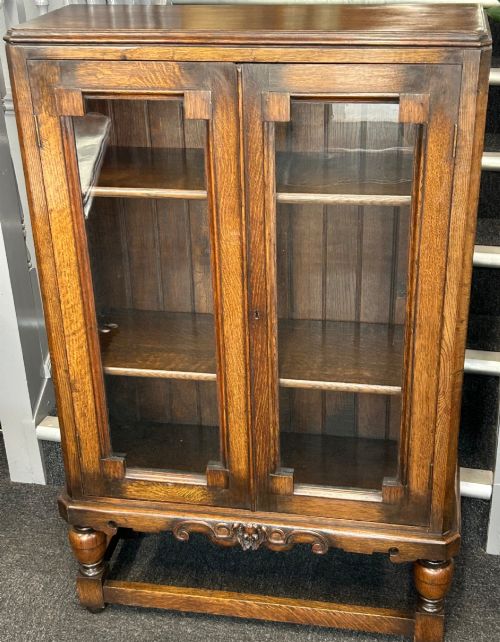
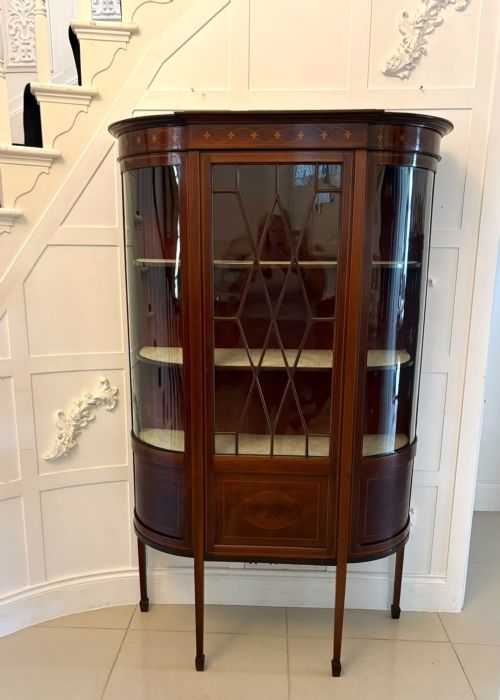
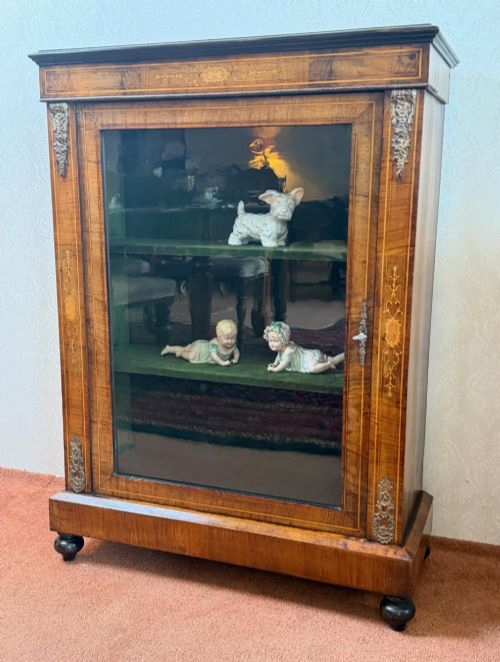
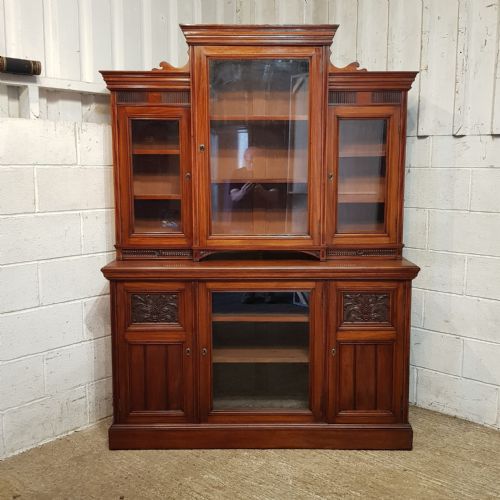
A glass front display cupboard brings together storage and visibility, giving pride of place to porcelain, books, and collections. When searching this phrase, buyers encounter everything from tall breakfront bookcases to compact pier cabinets designed to sit against a wall.
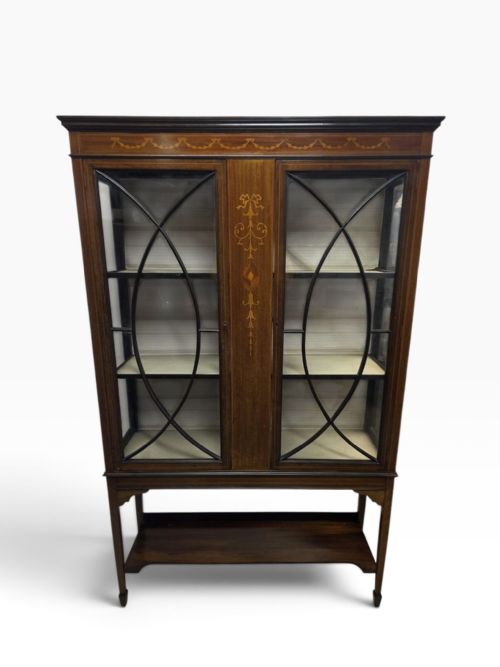
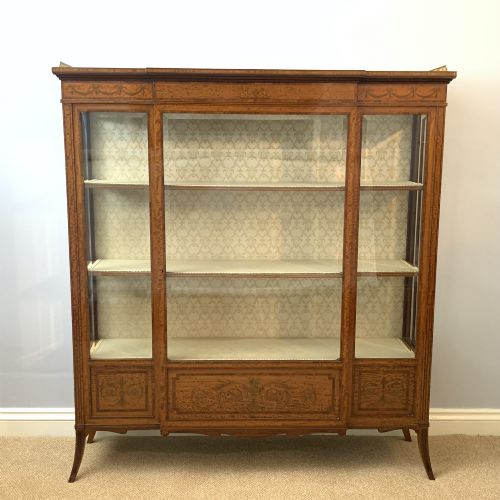
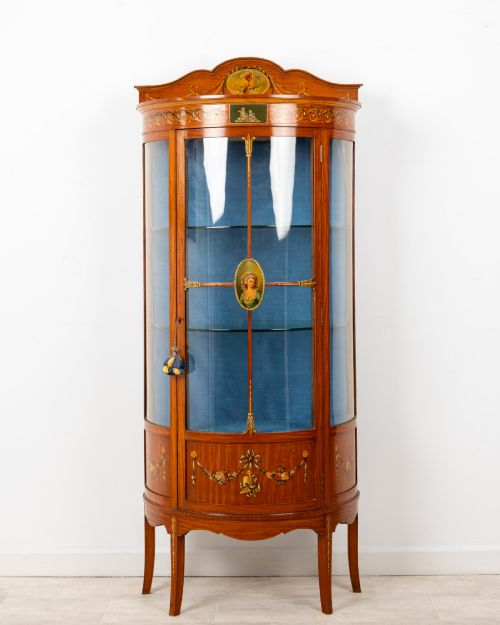
The selection ranges across several eras, with Edwardian mahogany models and nineteenth-century walnut pieces appearing frequently. Styles stretch from classical Georgian proportions to decorative Sheraton Revival satinwood and bold Art Deco lines.
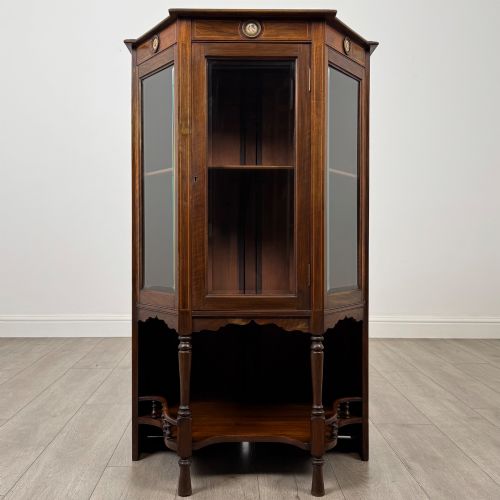
Forms adapt to different rooms and spaces, including corner cabinets that utilise neglected angles and slender vitrines built to house delicate ornaments.
How they were made
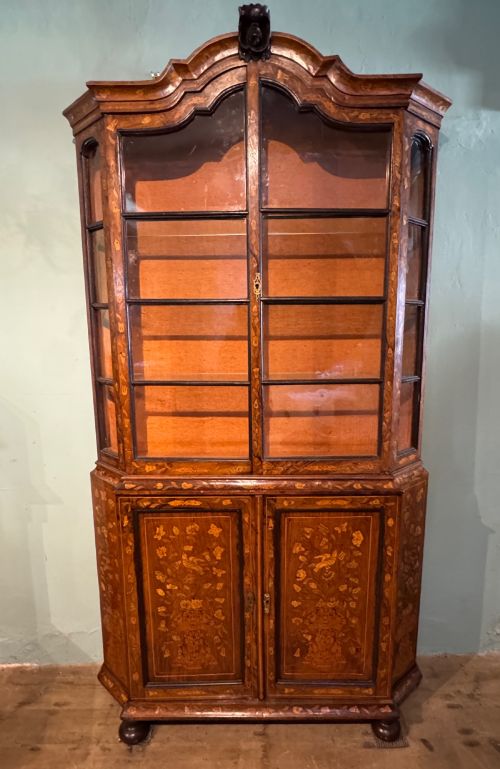
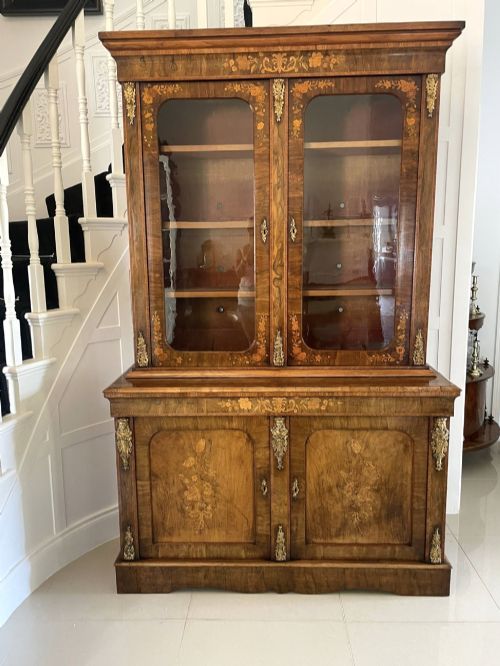
Cabinet makers relied primarily on timbers such as mahogany, walnut, and satinwood, often selecting burr veneers or figured grains to catch the light on broad surfaces. Inlays of contrasting wood and delicate brass mounts or ormolu details frequently accent the primary timber.
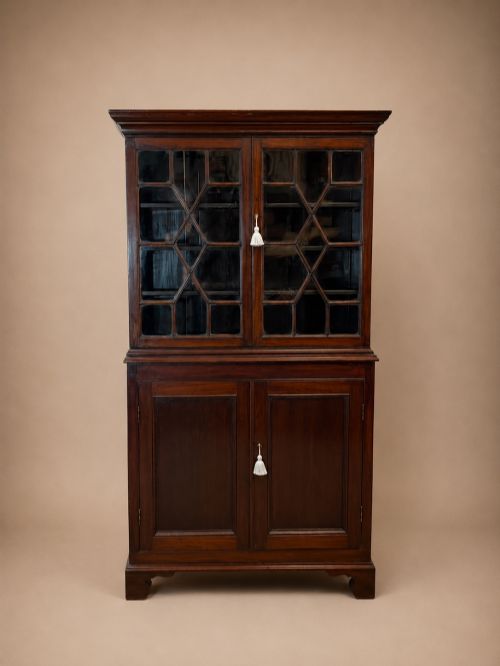
Glazing bars divide the glass panels into geometric patterns, supporting the panes while contributing to the overall decorative scheme. Structural integrity relies on traditional joinery, sturdy shelving, and solid carcases designed to support heavy volumes or ceramic collections.
Glass Front Display Cupboard Retail Price Guide 2026
Typical asking prices for glass front display cupboard among the pieces listed under this phrase on Sellingantiques today, from the lower quarter to the upper quarter. They describe what is for sale here now, not the wider market.
Listings feature glazed cabinets spanning the nineteenth and early twentieth centuries, constructed from mahogany, walnut, oak, and satinwood.
What varies in quality
The standard of timber selection and veneer matching dictates much of the visual appeal, separating simple utilitarian storage from showpieces commissioned for principal rooms. Finely figured burr walnut and hand-painted satinwood demand greater skill from the maker than plain mahogany or standard oak.
Refinement in decorative details distinguishes superior examples, from the crispness of marquetry inlays to the weight and cast of ormolu mounts. The balance of proportions and the delicacy of the glazing bars show the confidence of the workshop behind the piece.
Edwards & Roberts·Maple & Co.
The Glass Front Display Cupboard Glossary
- Vitrine
- A glass-fronted cabinet or display case specifically designed for showing porcelain, glass, and small objects. These pieces often feature glass on the sides as well as the front to maximise illumination.
- Pier cabinet
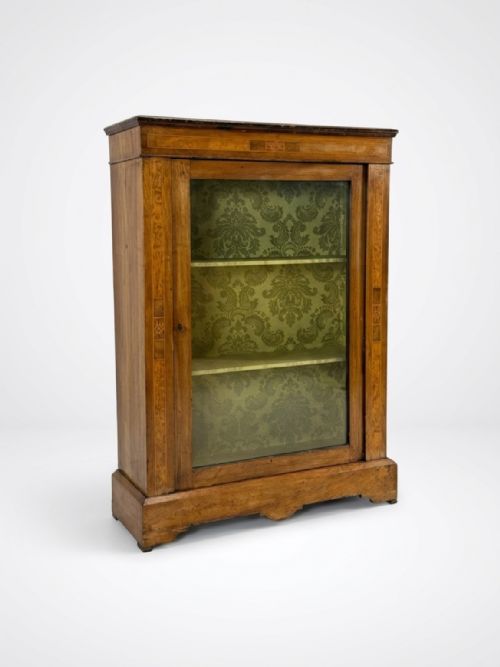
- A low cabinet built to stand against the narrow section of wall between windows. Victorian examples in walnut or mahogany frequently incorporate glazed doors and gilt bronze mounts.
- Breakfront
- A piece of furniture whose central section projects forward from the flanking wings. This architectural arrangement creates depth and breaks up the linear profile of large bookcases and cabinets.
- Marquetry
- The art of applying decorative veneer pieces in wood, metal, or shell to form intricate patterns and pictures. Dutch examples from the nineteenth century often display elaborate floral designs covering the entire surface.
- Bijouterie
- A specialised display cabinet with a glazed top and shallow compartment for showing jewellery and medals. Edwardian versions in mahogany allowed items to be viewed from above.
- Ormolu
- Gilt bronze ornamentation applied to the corners, feet, and friezes of fine cabinets. The technique adds metallic contrast to dark walnut and mahogany surfaces.
Glass Front Display Cupboard: Frequently Asked Questions
What fits inside a corner cabinet?
Triangular shelving inside a corner cupboard accommodates ceramics, glassware, and small books while making efficient use of awkward wall junctions. These pieces turn empty angles into deliberate display spaces.
Measuring the depth of the interior shelves ensures larger plates or tall volumes clear the frame before the glazed door closes.
How do I care for polished wood?
Natural timber surfaces respond best to occasional cleaning with mild products and protection from direct sunlight to prevent fading. Maintaining a stable indoor temperature stops the wood from drying out.
Checking that brass hinges and locks remain properly aligned keeps the doors hanging true over decades of daily use.
Where should I place a pier cabinet?
Pier cabinets work well against narrow wall spaces where a full-sized bookcase would overwhelm the room. Their compact footprints allow them to stand between doorways or beside windows.
Positioning them away from direct heat sources protects the fragile veneers and fine glass panels from thermal stress.
What is the difference between a vitrine and a bookcase?
A vitrine prioritises the display of ornamental objects with glass panels on multiple sides and light interiors. Bookcases generally feature heavier wooden carcases and deeper shelves designed primarily for holding volumes.
Many nineteenth-century examples blur these categories by combining adjustable bookshelves below with glazed display areas above.