





Glass Bell Jar Dome
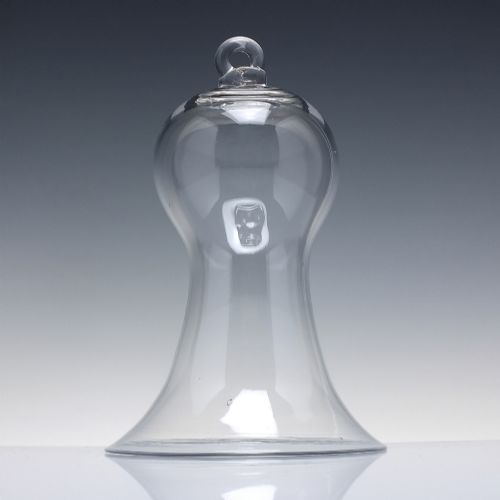
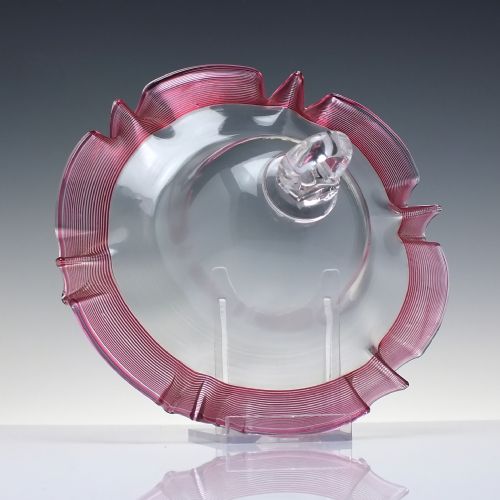
These glass bell jar dome pieces offer a protective transparent cover for cherished ornaments, delicate taxidermy specimens and botanical displays.
Glass Bell Jar Dome
A glass bell jar dome serves as a traditional display enclosure, protecting delicate objects from dust while offering clear visibility from all angles. When searching for a glass bell jar dome, buyers encounter various configurations designed to house taxidermy, beadwork bouquets, and clock movements.
The selections span the Victorian, Edwardian, Georgian, and 1900 periods, encompassing English craftsmanship in both round and oval formats. Many examples incorporate wooden bases made from ebonised wood, beech, oak, or pine to support the transparent cover.
Materials and Construction
Makers produced these enclosures using blown or moulded clear glass combined with sturdy wooden plinths. Bases often feature ebonised finishes, oak, beech, or pine, sometimes lined with velvet, felt, or fabric to cushion the interior displays.
Certain utilitarian pieces utilise cast iron for garden cloches, while decorative parlour versions rely on finely turned wooden bases. The glass itself remains free of modern manufacturing marks, often showing the subtle weight and thickness characteristic of nineteenth-century production.
Glass Bell Jar Dome Retail Price Guide 2026
Typical asking prices for glass bell jar dome among the pieces listed under this phrase on Sellingantiques today, from the lower quarter to the upper quarter. They describe what is for sale here now, not the wider market.
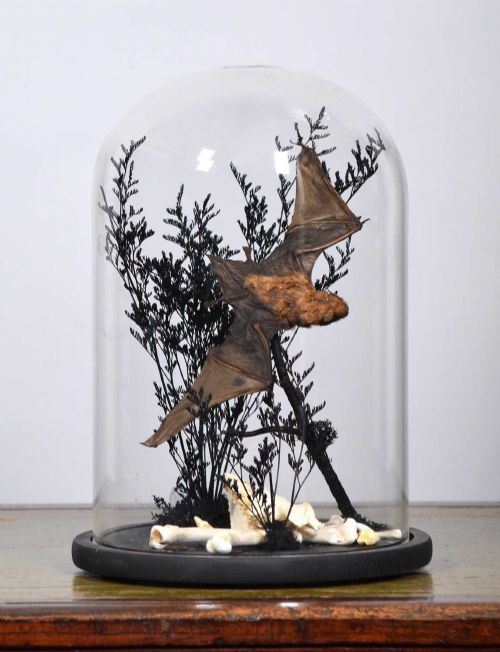
Some Victorian domes kept dust off stuffed snow buntings and pipistrelle bats, proving that nineteenth-century domestic life had a delightfully wild side.
Distinctions in Quality
Quality rests upon the clarity and thickness of the glass dome alongside the proportional balance of the wooden base. Superior examples display minimal distortion within the blown glass and tight joints where the timber meets the groove.
The refinement of the turned wooden base and the inclusion of original internal linings such as velvet or felt elevate the piece. Taller proportions designed for taxidermy specimens or clock movements command particular interest due to their scale.
The Glass Bell Jar Dome Glossary
- Cloche
- A bell-shaped glass cover traditionally utilised in gardens to protect plants or indoors as a display dome. The term derives from the French word for bell.
- Ebonised wood
- Timber treated with a dark stain or finish to imitate ebony. This dark surface provides a high-contrast foundation that highlights the clarity of the glass dome above.
- Taxidermy showcase
- A specialised display enclosure featuring internal mounts for preserved birds, animals, or botanical specimens. These cases protect fragile biological exhibits from environmental degradation.
- Diorama dome
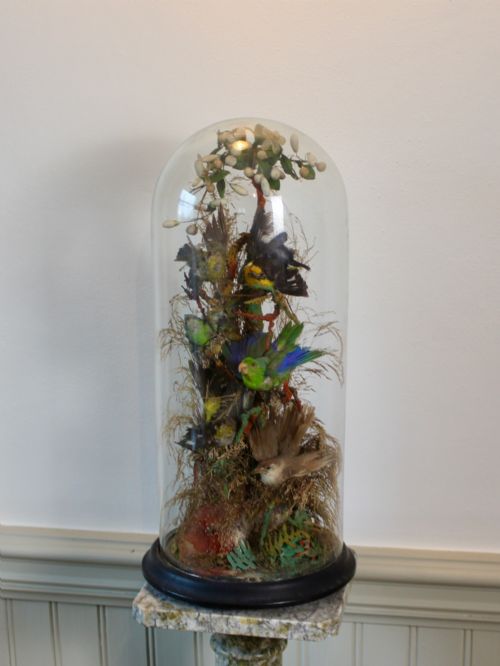
- An enclosed display case housing a three-dimensional scene or composition. These arrangements often include naturalistic backgrounds alongside preserved wildlife or artificial flora.
Glass Bell Jar Dome: Frequently Asked Questions
What fits inside a glass bell jar dome?
These enclosures accommodate a variety of decorative and natural objects including taxidermy specimens, botanical arrangements, and clock movements. Interior items require careful measurement to ensure clearance beneath the curved glass.
Historically, owners placed French beadwork bouquets, stuffed birds, and delicate ornaments beneath the glass to keep them free from dust and handling damage.
How do I clean a glass dome safely?
Cleaning requires removing the glass cover from its wooden base to prevent moisture damage to the timber and internal linings. Warm soapy water and a soft cloth suffice for the glass exterior.
Interior cleaning should be undertaken with extreme care, particularly with older taxidermy or fabric elements that deteriorate upon contact with liquids.
Are wooden bases usually original to the dome?
Many surviving examples retain their fitted wooden plinths, which often feature grooves designed to seat the rim of the glass securely. Pine, oak, beech, and ebonised wood represent the typical timbers encountered on these pieces.
Slight movement in the wood over time remains normal for items originating from the nineteenth and early twentieth centuries.
How do I distinguish Victorian from Edwardian domes?
Victorian examples generally date from the mid to late nineteenth century and frequently accompany elaborate taxidermy compositions or floral beadwork. These pieces often feature heavily ebonised or polished timber bases.
Edwardian versions, produced around the turn of the twentieth century, tend to utilise simpler oak or beech plinths with clean lines suited to functional display.