





19th Century Glass Dome
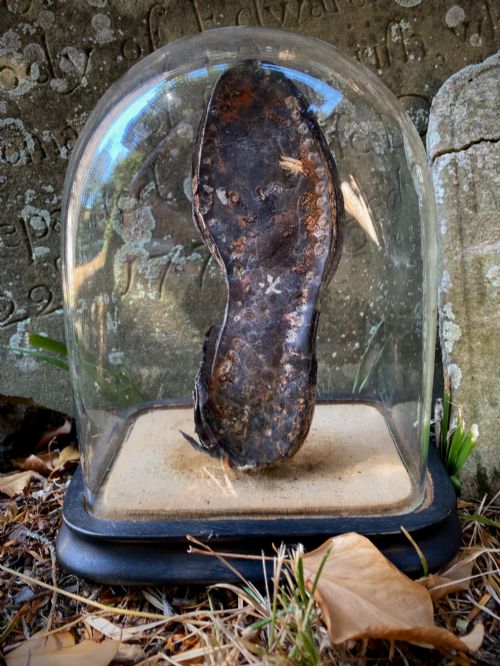
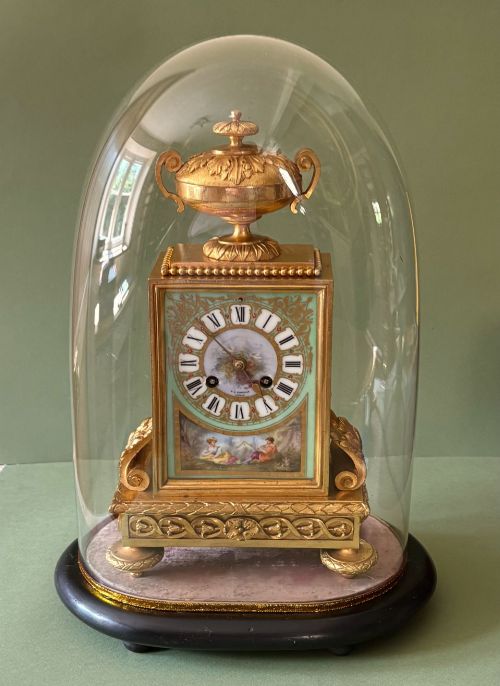
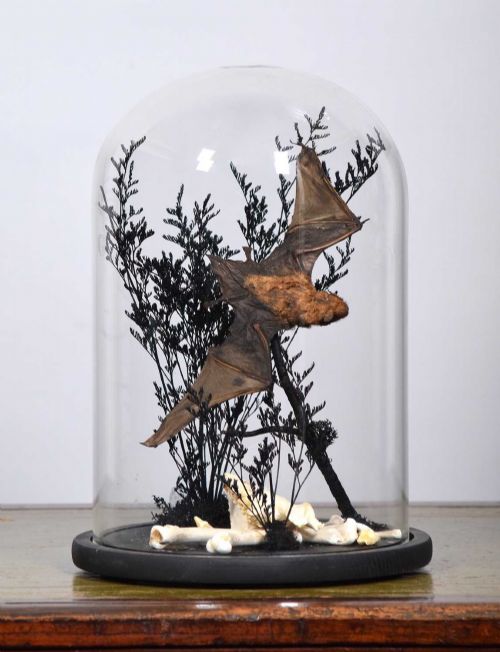
These 19th century glass dome covers protect delicate mantel clocks, taxidermy specimens and wax work dioramas while offering clear display.
19th Century Glass Dome
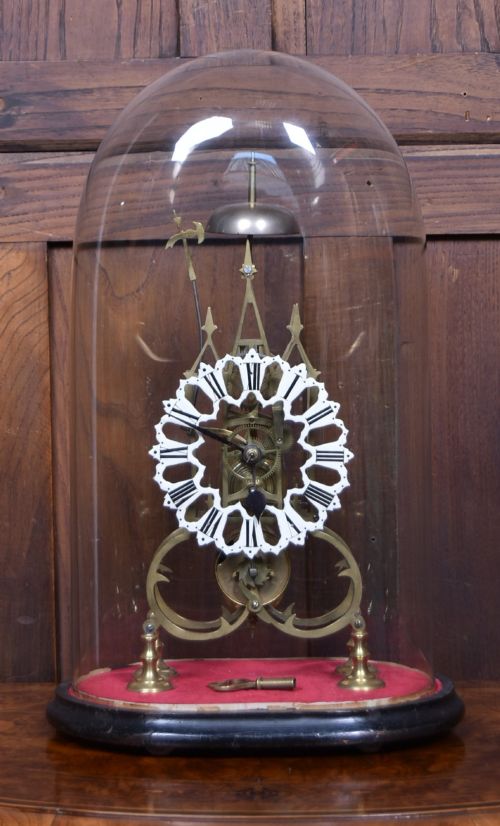
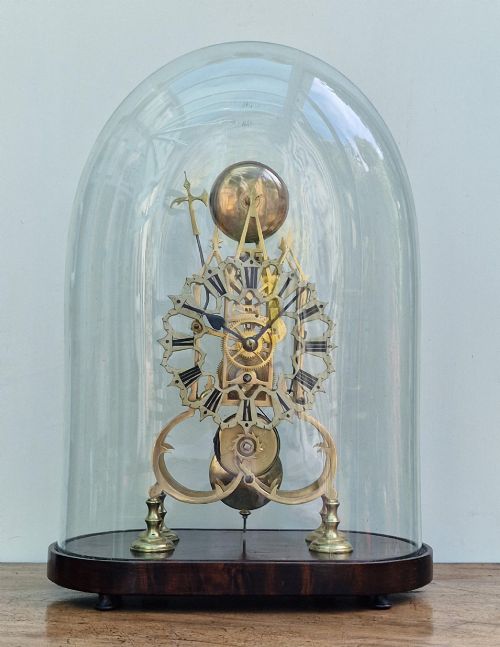
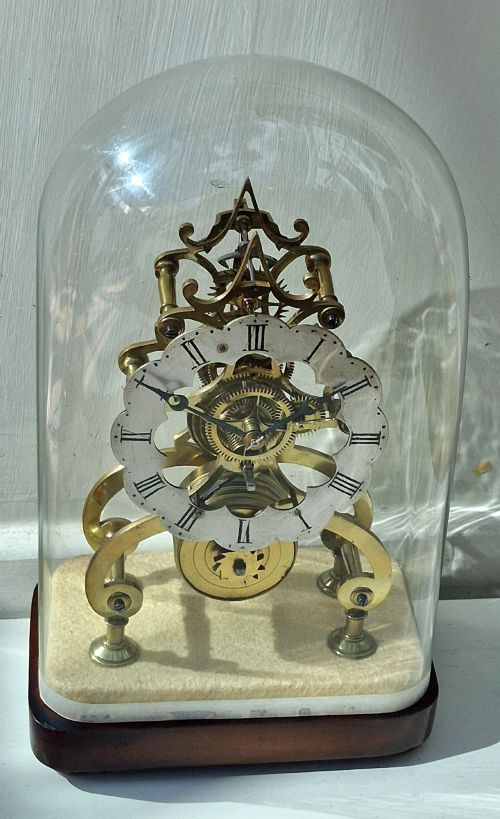
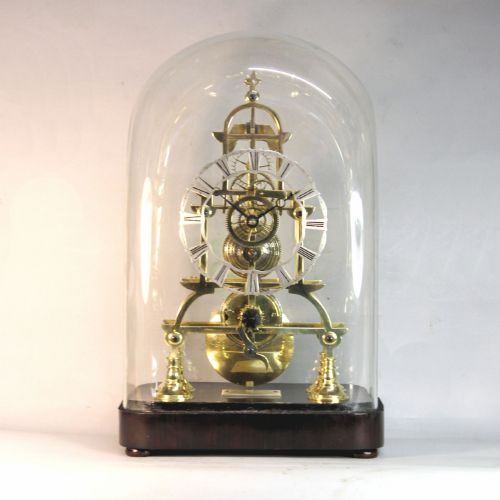
A 19th century glass dome serves as a protective transparent cover for cherished objects, keeping dust away from intricate items. These covers appear frequently on this page paired with skeleton clocks, portico clocks and taxidermy specimens.
The objects residing beneath these glass covers include porcelain mounted mantel clocks, still life arrangements of fruits, and stuffed birds. Many sit directly on designated bases made from ebonised wood or mahogany.
Buyers encountering this search phrase often find round or square glass domes originating from English and French workshops. The form ranges from small miniature cases to large display domes resting on timber plinths.
How They Were Made
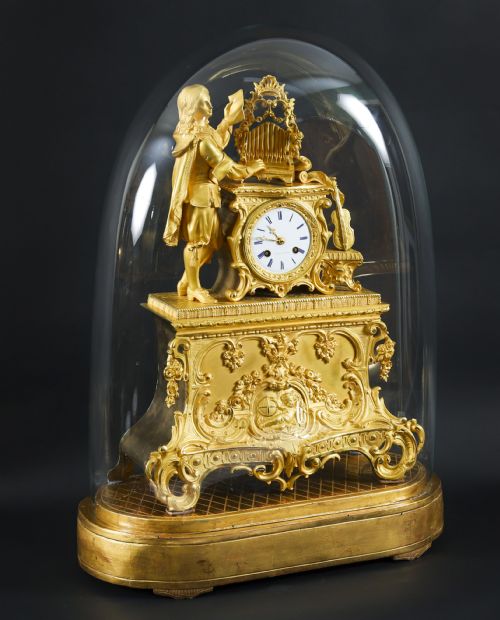
Many assemblies incorporate metal elements such as brass and ormolu for feet, stands and decorative mounts. Internal displays often combine natural materials like leather, wax and taxidermy specimens fixed securely within the wooden plinth.
19th Century Glass Dome Retail Price Guide 2026
Typical asking prices for 19th century glass dome among the pieces listed under this phrase on Sellingantiques today, from the lower quarter to the upper quarter. They describe what is for sale here now, not the wider market.
Listings feature 19th century glass domes combined with brass, ormolu, ebonised wood, mahogany and porcelain.
What Varies In Quality
Quality rests in the clarity and thickness of the blown glass cover, where superior examples display fewer internal bubbles and even distribution. The accompanying wooden base demonstrates craftsmanship through precise joinery and refined timber selection like burr yew-wood.
Higher tier pieces retain their original matching components, including the correct hand blown dome paired securely with its specific ebonised stand and fitted clock or taxidermy specimen.
Richard Winter of Chieveley·James Gardner·Allen Colyer
The 19th Century Glass Dome Glossary
- Glass dome
- A transparent blown glass cover used to protect and display fragile objects. These items rest on wooden bases.
- Ebonised wood
- Timber treated to resemble ebony, frequently used for the circular and oval bases of display domes. This dark finish provides a contrasting frame for the glass above.
- Skeleton clock
- A timekeeper constructed with open plates that expose the inner gear train. These mechanical clocks frequently sit beneath glass domes to prevent dust accumulation.
- Ormolu
- Gilded bronze applied to clock cases and mounts. This decorative metalwork often accompanies glass domes on French mantel clocks.
- Taxidermy dome
- A preserved animal specimen arranged under a glass cover. Victorian examples frequently feature birds or small animals mounted on naturalistic bases.
19th Century Glass Dome: Frequently Asked Questions
What fits under a glass dome?
These protective covers house delicate items such as skeleton clocks, porcelain mounted timekeepers and taxidermy specimens. They also shelter wax work dioramas and still life arrangements.
The covered objects remain visible from all angles while staying shielded from household dust and accidental handling.
Are the wood bases original?
Many display domes retain their original ebonised wood or mahogany bases, which feature grooves designed to hold the glass cover securely.
Matching bases often show consistent wear aligned with the age of the glass above them.
How do I clean a glass dome?
Maintenance involves lifting the glass cover carefully from its wooden base using both hands. Standard glass cleaner applied to a soft cloth removes dust safely.
The underlying object remains undisturbed while the transparent cover receives attention.
How old is a glass dome?
Period pieces from the nineteenth century exhibit distinct manufacturing traits like hand blown glass thickness and weight. Makers produced these items alongside Victorian clocks and taxidermy displays.
Examination of the timber base and glass clarity helps confirm the nineteenth century origin.