

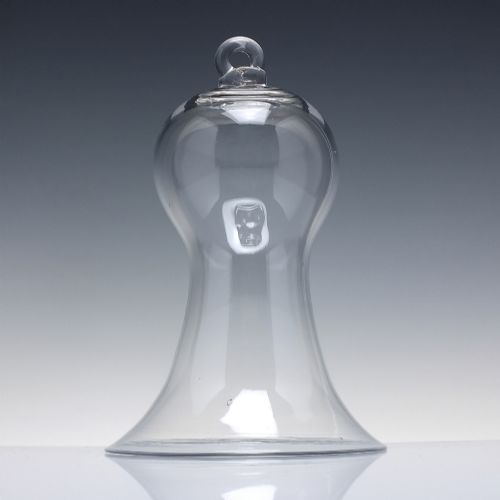

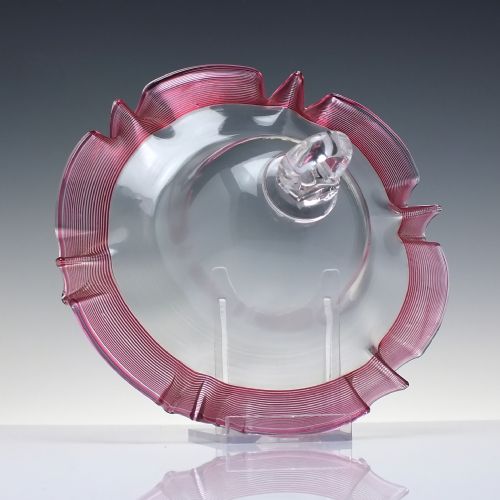


Clear Glass Bell Cover
A clear glass bell cover protects cherished ornaments and taxidermy specimens beneath a curved canopy.
Clear Glass Bell Cover
A clear glass bell cover is a protective housing designed to showcase delicate objects, taxidermy, clocks, and botanical specimens. These pieces appear across Victorian, Edwardian, and later periods, serving both decorative and practical domestic functions.
Most examples encountered here date from the Victorian and Edwardian eras, often accompanied by wooden bases made from ebonised wood, beech, oak, or pine. Collectors also find specialised forms such as garden cloches and cheese dishes.
The primary purpose remains display and preservation, keeping dust and moisture away from fragile items. Originating largely from English workshops, these covers reflect the period's fascination with natural history and interior decoration.
Materials and construction methods
The covers themselves are formed from glass, frequently noted as hand-blown, creating smooth transparent domes designed to fit snugly onto a matching base. This glass-making process produces subtle variations in thickness and optical clarity.
Bases are constructed from timber such as oak, beech, pine, and ebonised wood, sometimes lined with fabric, velvet, or felt to cushion the displayed object. Copper fittings appear on specific garden cloche sets alongside quarter-inch glass.
Clear Glass Bell Cover Retail Price Guide 2026
Typical asking prices for clear glass bell cover among the pieces listed under this phrase on Sellingantiques today, from the lower quarter to the upper quarter. They describe what is for sale here now, not the wider market.
Many a Victorian taxidermy specimen found everlasting peace beneath a heavy glass dome.
Assessing quality in antique domes
Quality rests in the uniformity and clarity of the glass canopy, where minimal bubbles and smooth curves distinguish finer specimens. Older hand-blown glass often displays characteristic surface ripples that reveal its age and method of manufacture.
The construction of the wooden base dictates much of the overall value, with well-turned timber mouldings and intact internal linings representing superior craftsmanship. Original paired bases and fitted wooden surrounds retain greater historical integrity.
The Clear Glass Bell Cover Glossary
- Bell cover
- A rounded glass dome used to protect and display ornaments, clocks, or specimens. It rests upon a flat base made of wood or other materials.
- Cloche
- A bell-shaped glass cover traditionally utilised in gardens to protect young plants, or adapted as a tableware cover for cheese. The term shares French origins with the word for bell.
- Taxidermy showcase
- A glass dome paired with a base, specifically intended for housing preserved animals or birds. These enclosures protected delicate feathers and fur from dust and pests.
- Ebonised wood
- Timber treated with a dark stain or finish to imitate ebony. This dark surface provided a contrasting frame for transparent glass domes.
- Collector's dome
- A specialised glass cover designed to display natural history specimens, pocket watches, or curiosities. They are often taller to accommodate three-dimensional arrangements.
Clear Glass Bell Cover: Frequently Asked Questions
What fits under a glass bell cover?
These covers typically house delicate items such as taxidermy birds, pocket watches, clocks, botanical specimens, and small ornaments.
They protect fragile objects from dust while allowing clear visibility from all angles.
How do I date a glass dome?
Dating relies on the manufacturing traits of the glass and the style of the wooden base. Victorian and Edwardian examples often feature hand-blown glass with minor imperfections and traditional timber mouldings.
Examining the type of wood, such as ebonised pine or oak, provides further clues to the era.
Were these domes used outdoors?
Certain variations, specifically garden cloches, were designed for outdoor horticultural use to shelter plants from frost. These often incorporate heavier glass and metal frames.
Domestic display domes, however, were strictly intended for indoor tabletops and mantelpieces.
How should I clean antique glass?
Antique glass requires gentle cleaning with a soft cloth and mild glass cleaner to preserve its fragile surface. Care must be taken around older hand-blown glass to avoid undue pressure.
Wooden bases should be dusted separately and kept away from excess moisture.