




Glass Bell Jar Cover
These glass bell jar cover pieces protect treasured objects beneath clear glass, bringing period character and practical display to any room.
Glass Bell Jar Cover
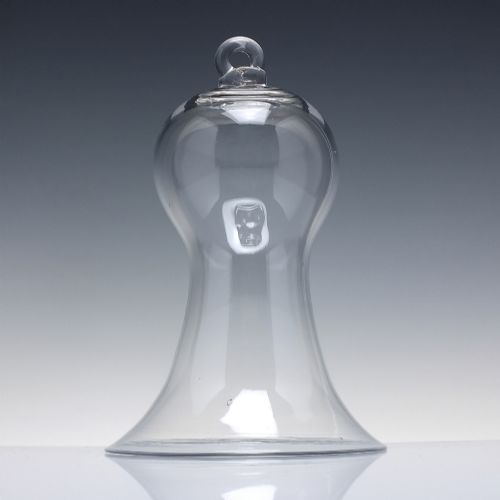
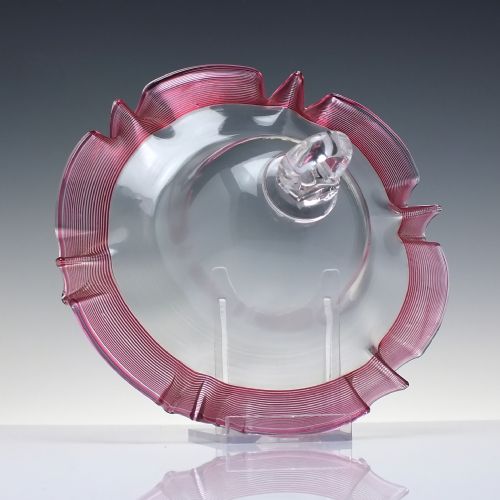
A glass bell jar cover protects delicate curiosities and ornaments under a clear glass enclosure. The pieces on this page span the Georgian, Victorian, and Edwardian eras, with Victorian examples appearing most frequently.
Forms range from simple display domes to tall specimen cases and clock covers. Makers designed them for taxidermy, botany, and mantel clocks, creating practical showcases for fragile domestic items.
Origins are predominantly English, featuring oval, round, and tall proportions. These covers sit atop timber bases made from ebonised wood, beech, oak, or pine.
How They Were Made
The glass elements rely on hand-blown glass techniques, resulting in clear glass with characteristic minor bubbles and surface movement. Artisans shaped these covers to fit snugly over matched wooden bases.
Bases utilise ebonised wood, beech, oak, or pine, often lined with fabric, velvet, or felt to cushion the displayed objects. Joinery on the timber bases ranges from simple turned mouldings to neat rectangular profiles.
Glass Bell Jar Cover Retail Price Guide 2026
Typical asking prices for glass bell jar cover among the pieces listed under this phrase on Sellingantiques today, from the lower quarter to the upper quarter. They describe what is for sale here now, not the wider market.
Victorian households loved a good bell jar, turning the parlour into a mini-museum where stuffed owls stared stoically at mantel clocks.
What Varies in Quality
Clarity and weight of the glass set the standard across these pieces. Thicker hand-blown glass with minimal distortion represents superior production.
The finish of the wooden base dictates overall quality. Solid timbers like oak and beech, paired with intact velvet or felt linings, indicate careful period craftsmanship.
The Glass Bell Jar Cover Glossary
- Glass bell jar cover
- A transparent glass dome used to cover and protect ornaments, clocks, and specimens. It sits upon a fitted wooden base.
- Display dome
- An alternative term for a glass cover used to showcase collectibles and taxidermy. These housings keep dust away from fragile items.
- Ebonised wood
- Timber treated to imitate ebony, commonly used for Victorian display bases. This dark finish provides a formal contrast to clear glass.
- Taxidermy showcase
- A tall glass cover specifically utilised to house preserved birds or animals. These enclosures protected delicate feathers and mounts.
- Cloche
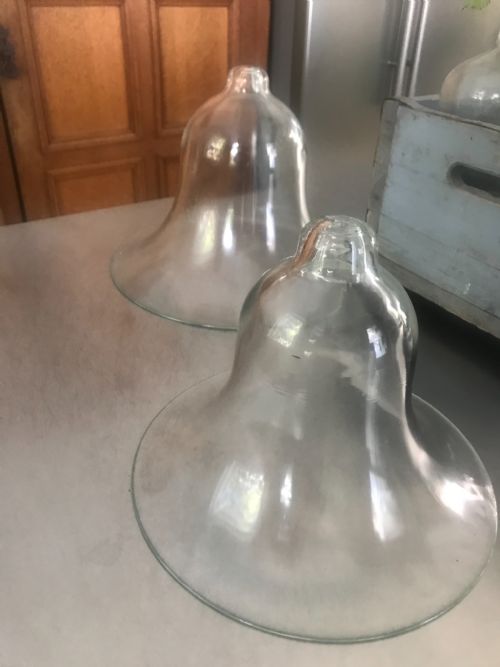
- A bell-shaped glass cover originally used in gardens or for food, adopted for interior display. The term shares origins with bell-shaped vessels.
Glass Bell Jar Cover: Frequently Asked Questions
What fits under a glass bell jar cover?
These covers house delicate items such as taxidermy specimens, botanical collections, and mantel clocks. Owners also place porcelain figurines, ornaments, and pocket watches beneath them.
The enclosed space protects fragile items from dust and accidental damage while keeping them fully visible.
How do I date a glass bell jar cover?
Dating relies on the thickness of the glass, the wood of the base, and the style of the enclosed object. Victorian and Edwardian examples often feature hand-blown glass with subtle imperfections.
Timber choices such as ebonised wood or pine provide further clues to the manufacturing period of the base.
How should I clean my glass dome?
Clean the clear glass using a soft cloth and mild glass cleaner, lifting the cover carefully from its wooden base. Avoid harsh abrasives that might scratch the antique material.
Treat the wooden base and its fabric or velvet lining with dry dusting only to preserve the original finish.