





Clear Glass Display Cloche
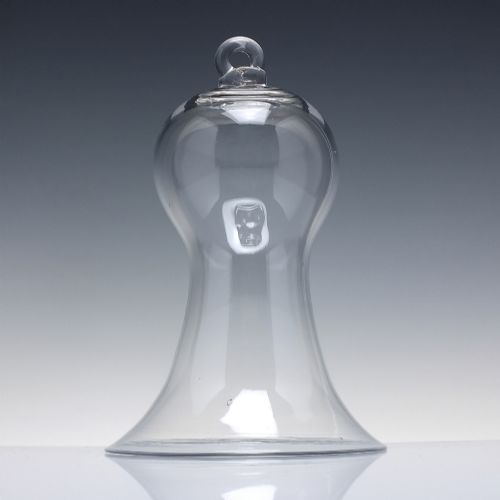
A clear glass display cloche preserves fragile objects and curiosities beneath a protective transparent bell.
Clear Glass Display Cloche
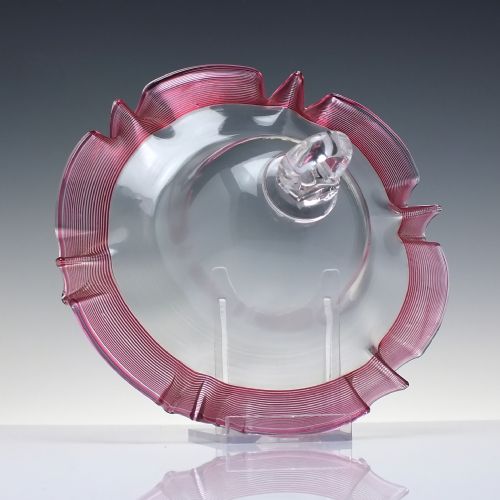
When you search for a clear glass display cloche, you encounter tall, wide, and ovoid forms designed to cover specimens, clocks, and ornaments. The examples on this page span the Victorian and Edwardian periods, stretching from the mid nineteenth century into the early twentieth century.
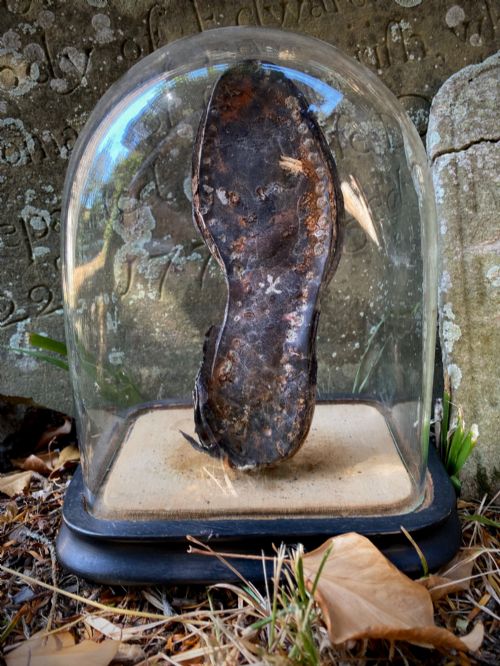
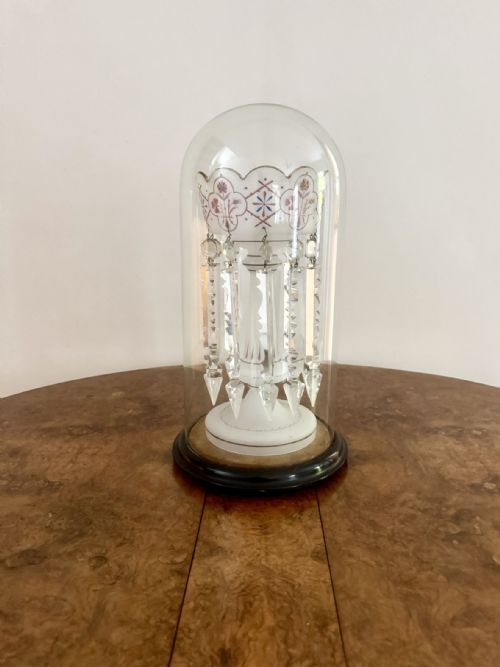
You will regularly find Victorian and Edwardian iterations accompanied by fitted bases lined with velvet, baize, or fabric. These housings protect delicate contents such as clocks, still life fruit arrangements, and diorama displays from dust.
How they were made
The glass elements were typically mouth-blown to achieve the characteristic bell, ovoid, or tall cylindrical profiles. Artisans formed these transparent covers to sit flush within turned wooden bases.
Bases utilised timber such as oak, beech, and pine, frequently finished with ebonising or fitted with marquetry decoration. Interior floors were lined with baize, felt, velvet, or fabric to cushion the display items.
Clear Glass Display Cloche Retail Price Guide 2026
Typical asking prices for clear glass display cloche among the pieces listed under this phrase on Sellingantiques today, from the lower quarter to the upper quarter. They describe what is for sale here now, not the wider market.
Listings span the Victorian and Edwardian eras, incorporating glass, oak, beech, pine, velvet, and baize.
What varies in quality
Quality rests in the clarity and consistency of the glass, where superior domes display fewer bubbles, striations, and thickness variations. The weight and timber selection of the underlying base also separate standard utility cases from finer cabinet pieces.
Proportion and scale dictate the visual success of the piece, particularly in tall specimens and wide clock domes. The integration of the wooden plinth with its baize, velvet, or fabric lining determines the overall harmony of the ensemble.
The Clear Glass Display Cloche Glossary
- Cloche
- A bell-shaped glass cover used to protect delicate objects, specimens, or plants. The term derives from the French word for bell.
- Taxidermy dome
- A glass cover specifically utilised to house preserved birds, animals, or biological specimens. These enclosures protected vulnerable taxidermy from dust and handling.
- Ebonised wood
- Timber treated with a dark finish to imitate ebony. This dark wood frequently forms the base for Victorian display covers.
- Baize
- A coarse woolen material resembling felt. It often lines the interior floor of display domes and clock cases.
- Mantel lustre
- A decorative glass ornament often associated with period display pieces. These items sat on fireplace mantels alongside matching domes.
Clear Glass Display Cloche: Frequently Asked Questions
What fits under a clear glass display cloche?
These glass covers house a variety of objects including clocks, taxidermy specimens, botanical displays, and still life compositions.
Interior items frequently rest on fabric or velvet lined wooden bases designed to match the dimensions of the glass bell.
How do I date a Victorian display dome?
Victorian and Edwardian pieces are identified through construction traits in the wooden base, glass thickness, and accompanying contents.
Earlier examples from the mid nineteenth century often feature heavier glass and simpler turned timber plinths compared to later Edwardian variations.
Were these domes made for clocks?
Many large and ovoid glass covers served specifically to protect carriage clocks, mantel clocks, and clock movements.
Clock domes shielded delicate mechanical parts from dust while allowing continuous visibility of the dial.
What timbers were used for the bases?
Bases commonly utilised native English timbers such as oak, beech, and pine. Ebonised finishes and marquetry work appeared on finer display cases.