

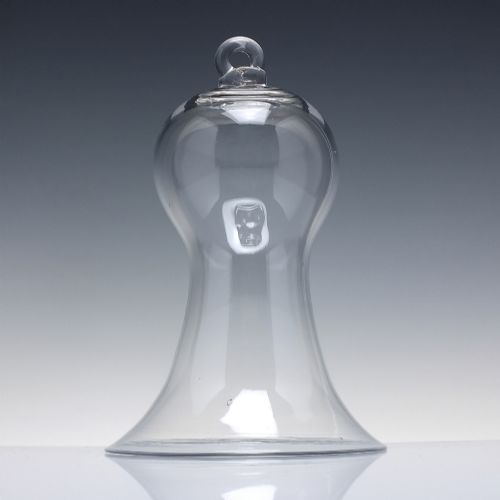
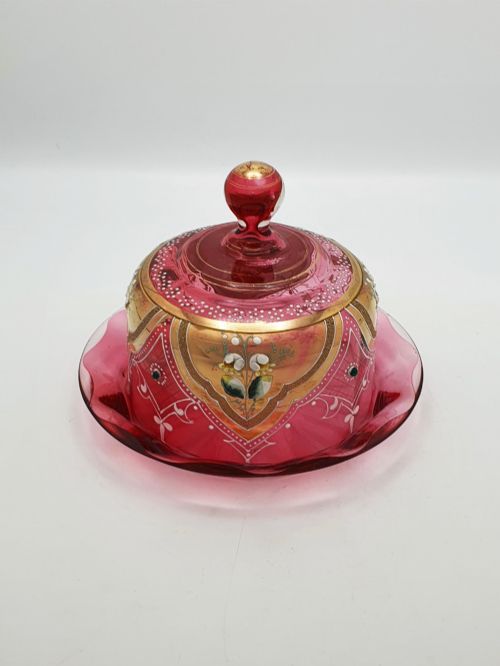


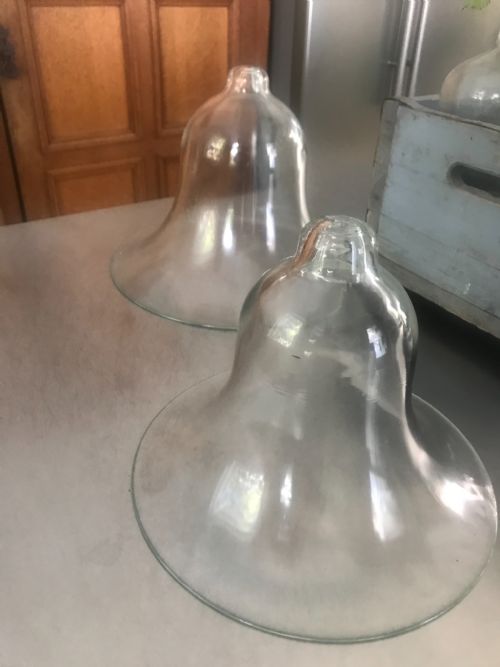


Vintage Glass Bell Cover
These vintage glass bell cover selections offer protective and decorative housings for cherished objects, prized for their ability to showcase delicate items while keeping dust at bay.
Vintage Glass Bell Cover
A vintage glass bell cover serves as a transparent shield for display items, curiosities, and serveware across various historical periods. When searching for a vintage glass bell cover, buyers encounter diverse forms ranging from tall display domes to specialised cheese dishes.
The pieces span several eras including Victorian, Edwardian, and the 1900s, reflecting changing domestic and decorative priorities. Most items combine clear glass elements with fitted wooden bases, ebonised wood, or silver plate.
Display domes and cloches dominate the selection, often utilised historically for taxidermy, clocks, or botanical specimens. Alternative forms include covered cheese dishes with glass covers and garden cloches.
Materials and construction
The primary material is glass, frequently described as hand-blown, clear, or cranberry glass, shaped into bell and dome profiles. Production methods rely on traditional glassblowing and forming techniques native to the nineteenth and early twentieth centuries.
Bases are constructed from various woods such as beech, oak, pine, and ebonised wood to support the heavy glass covers securely. Additional materials include silver plate, copper, and fabric accents seen in specific serveware and display cases.
Vintage Glass Bell Cover Retail Price Guide 2026
Typical asking prices for vintage glass bell cover among the pieces listed under this phrase on Sellingantiques today, from the lower quarter to the upper quarter. They describe what is for sale here now, not the wider market.
Some Victorian taxidermy domes required tiny internal wooden platforms just so the stuffed birds could look you squarely in the eye.
Factors of quality
Quality in a glass bell cover rests upon the clarity and weight of the glass, noting the presence of bubbles or ripples from period manufacturing. Superior pieces maintain their original matching wooden bases or fitted silver plate stands without replacement or heavy modification.
The proportion and symmetry of the blown glass dome distinguish finer examples from standard utilitarian production. Preserved internal components, such as original fabric linings or turning platforms, elevate the integrity of the piece.
The Vintage Glass Bell Cover Glossary
- Cloche
- A bell-shaped glass cover traditionally used in gardens for plant protection or indoors for food and displays. The term derives from the French word for bell.
- Display Dome
- A large glass cover paired with a base, designed to protect and exhibit objects such as taxidermy, clocks, or ornaments. These pieces often feature a circular or oval wooden footprint.
- Cranberry Glass
- A rich red or pink transparent glass coloured with gold chloride during production. It appears frequently in nineteenth-century serveware and decorative items.
- Taxidermy Showcase
- A specialised housing comprising a glass cover and a wooden base intended to preserve and display prepared specimens. Bases often include grooves to seal the cover tightly against dust.
- Silver Plate
- A layer of silver applied to a base metal core, commonly utilised for the stands and mounts of period cheese dishes and covers. This technique offered the appearance of solid silver at a lower cost.
Vintage Glass Bell Cover: Frequently Asked Questions
What is a glass bell cover used for?
These covers were historically employed to protect delicate items like clocks, botanical specimens, and taxidermy from dust and damage while allowing uninterrupted viewing.
In dining contexts, smaller versions served as cheese dishes to keep food fresh on the table.
How do I date a Victorian glass dome?
Dating relies on stylistic clues from the wooden base, the manufacturing characteristics of the glass, and the intended object of display.
Victorian examples often feature heavy hand-blown glass paired with ebonised or mahogany-finished timber bases.
Are the wooden bases original to the glass?
Most period domes retain their matching wooden bases, which were manufactured specifically to fit the groove or rebate of the glass cover.
Inspecting the underside of the base often reveals construction marks and wear consistent with the age of the glass.
How should I clean an antique glass dome?
Cleaning requires gentle handling using soft cloths and mild glass cleaner to avoid scratching the historical surface.
Wooden bases should be dusted carefully and treated with appropriate furniture wax according to the timber finish.