



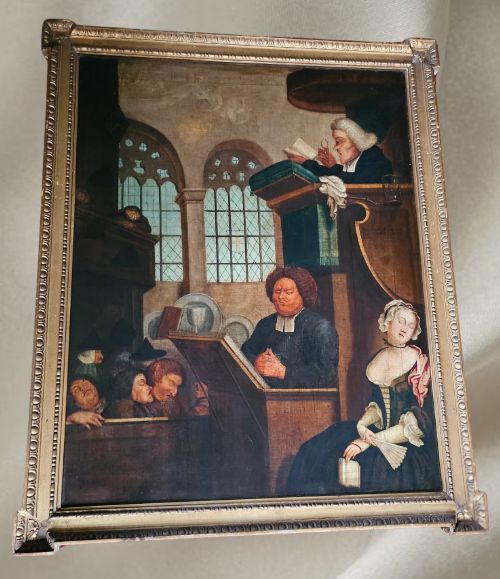
Gilt Wood Picture
Gilt wood picture pieces unite carved wooden frames and historic artworks across Georgian, Victorian, and later eras.
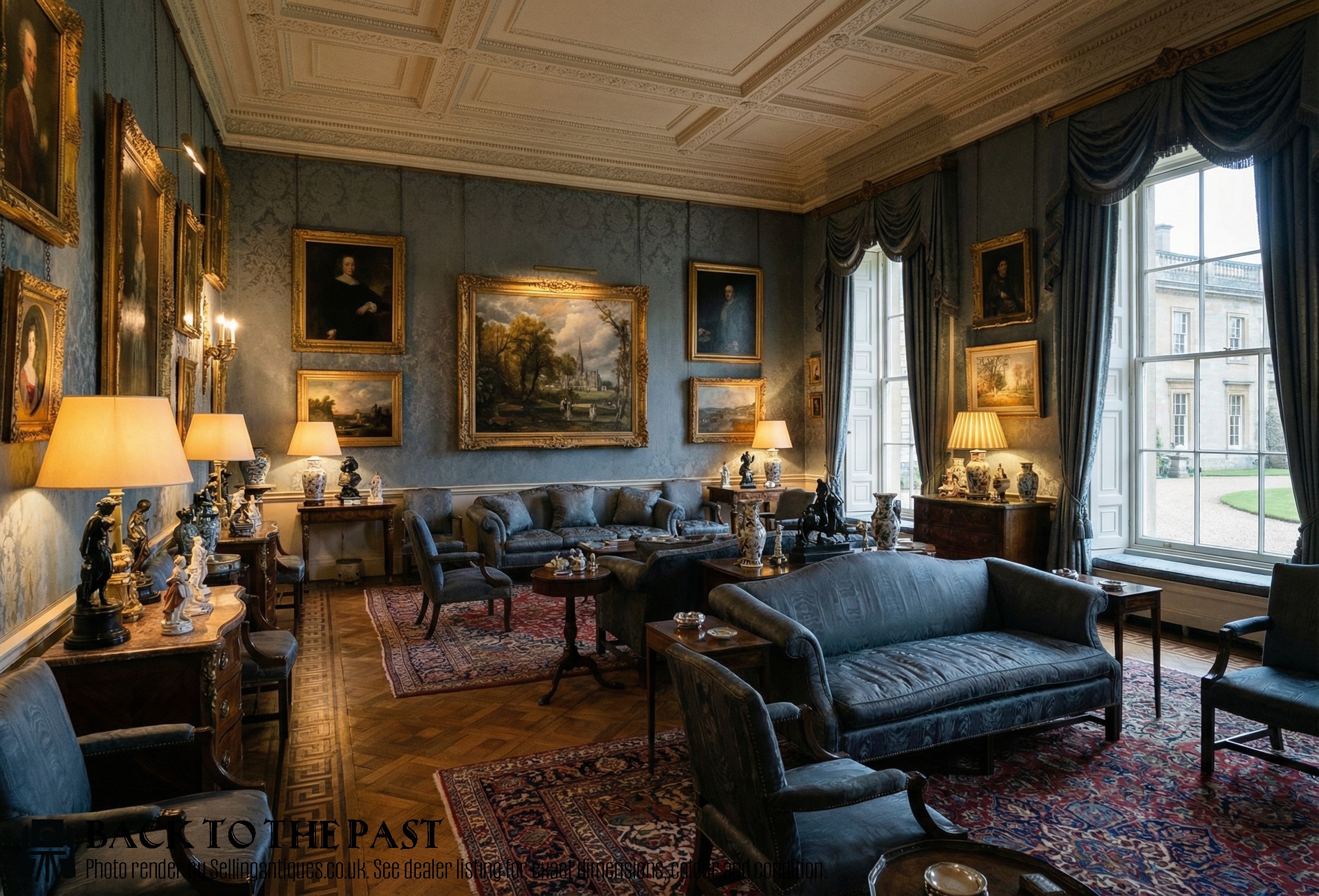
Gilt Wood Picture
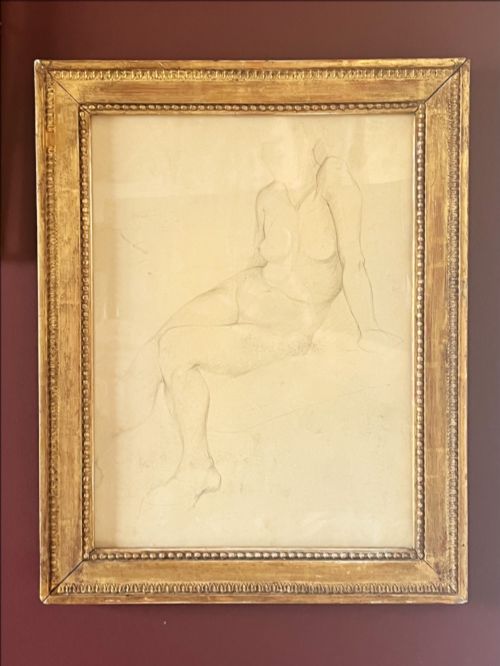
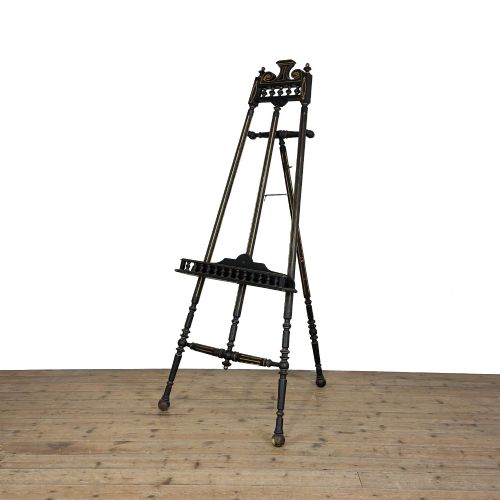
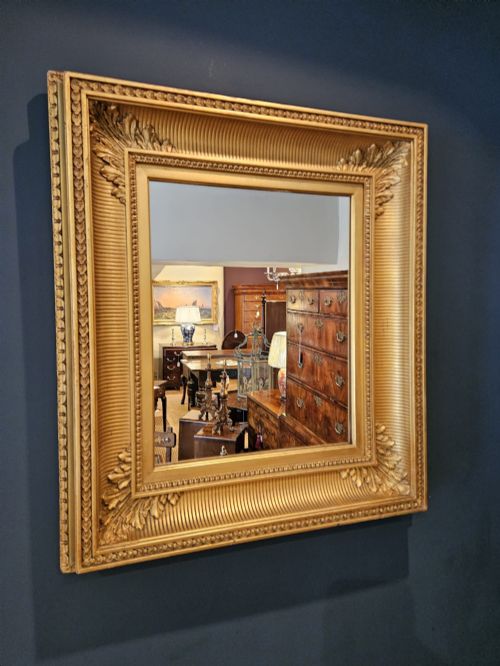
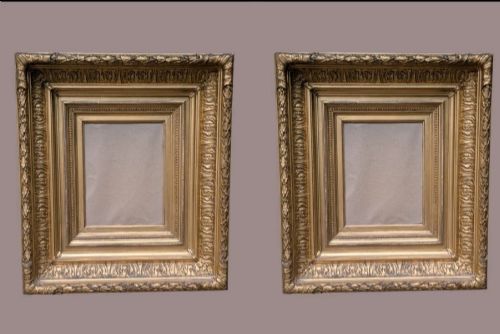
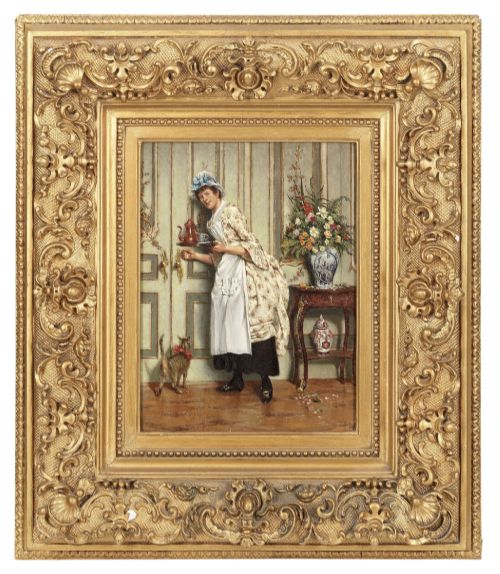
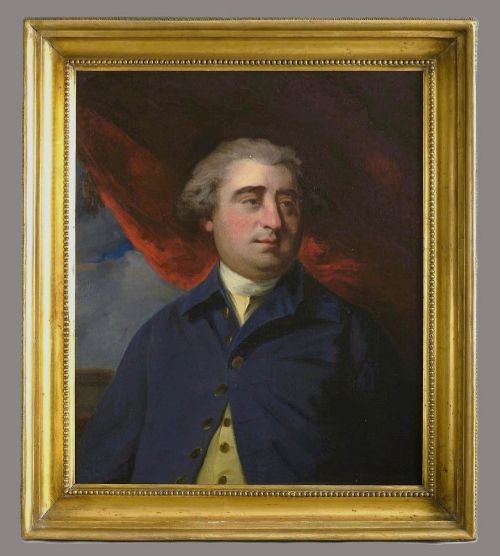
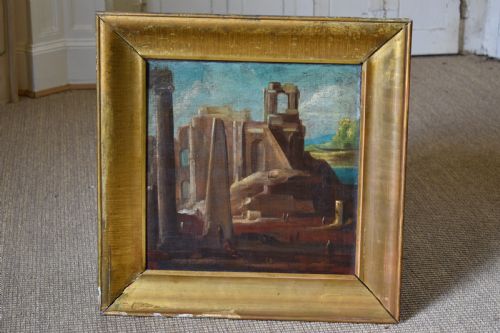
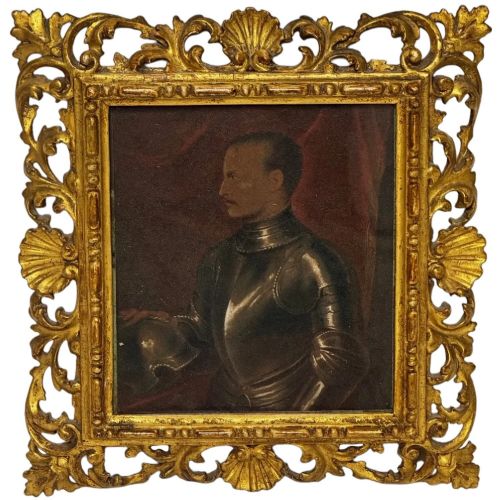
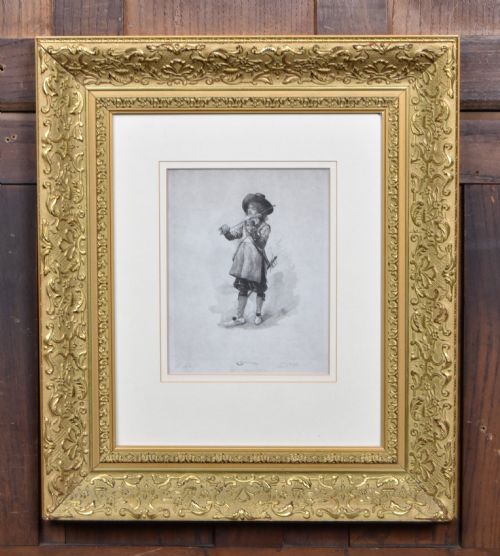
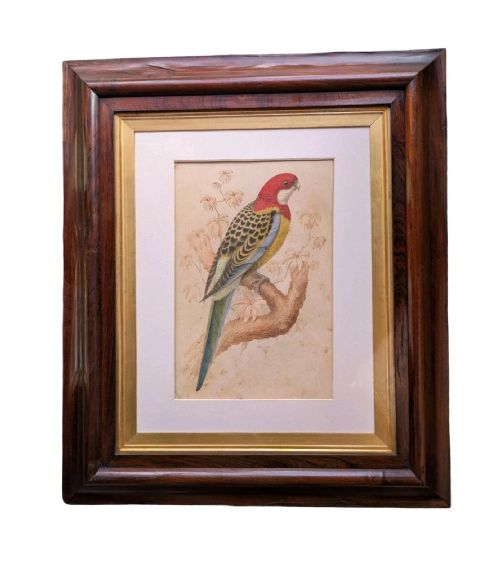
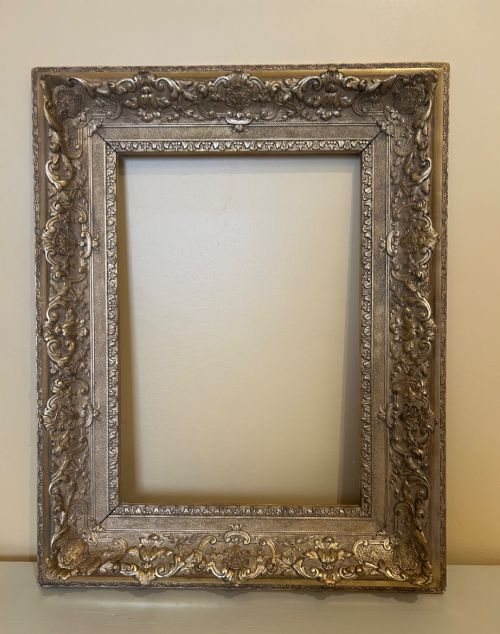
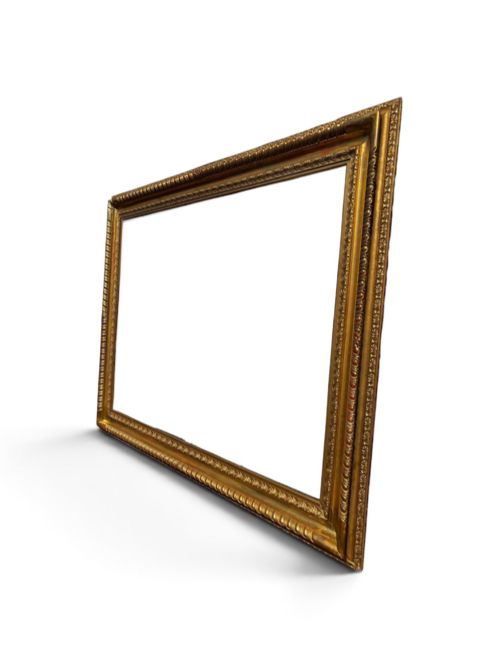
A gilt wood picture combines a historic frame with an artwork, mirror, engraving, or textile piece. Examples range from empty Florentine carved mouldings to complete oil paintings, watercolours, and needlework panels housed within gold leaf surrounds.
The selection on this page spans the seventeenth century through to the mid-twentieth century, capturing Georgian, Victorian, Regency, and Edwardian periods. Buyers encounter oil portraits, landscape paintings, prints, and decorative wall mirrors sharing common gilded wooden housings.
Many entries pair specific mounting styles, such as deep swept frames, egg and dart beadings, or acanthus leaf decorations, with period canvases and drawings. The variety extends from miniature portrait frames to large overmantle mirrors and landscape scenes.
How They Were Made
Carved wooden bases form the structural foundation of these items, shaped from timber before receiving decorative surface treatments. Artisans applied layers of gesso, a plaster-like preparation mixture, to smooth the wood and build up intricate relief ornaments such as scrolls, leaves, and corner cartouches.
Gold leaf or gilt application followed, adhering thin sheets of precious metal over the prepared gesso ground to achieve a bright reflective surface. Oil paintings, engravings, and photographs were then secured within the rebates, often protected by glass depending on the medium.
Listings feature wood, gesso, gold leaf, glass, and canvas across pieces dating from the 17th century to the 1930s.
What Varies in Quality
Craftsmanship in the carving and gesso work determines the definition of relief ornament, distinguishing crisp hand-carved acanthus leaves and swept corners from softer moulded composition details. The depth of the wooden moulding and the purity of the gold leaf application contribute significantly to the visual presence of the piece.
The integrity of the partnership between the picture and its frame influences the character of the object, as original pairings retain historical cohesion. Preservation of the underlying wood, stability of the gesso, and the condition of the historic canvas or paper insert further separate standard decorative items from finer examples.
Chapman Brothers Chelsea·William Bazeley And Sons·Hubard Gallery
The Gilt Wood Picture Glossary
- Gesso
- A prepared mixture of chalk, gypsum, and glue used as a base for moulding relief decoration on wooden frames.
- Giltwood
- Timber that has been coated with gold leaf or gilding material across its visible surfaces.
- Rebate
- The recessed internal ledge inside a frame designed to hold the picture, canvas, or glass securely in place.
- Swept frame
- A moulding style featuring undulating, sweeping curves, characteristic of ornate Rococo and Victorian designs.
- Carlo
- A specific historic frame profile style popular during the Georgian period.
Gilt Wood Picture: Frequently Asked Questions
How do I hang a heavy gilt wood picture?
Heavy carved wood and gesso frames require secure wall fixings distributed evenly across the structure, often utilising heavy-duty picture wire or mirror plates screwed directly into the wooden subframe. Professional wall anchors suited to brick or stud walls ensure the weight of the timber and glass is supported safely.
Positioning the piece at eye level allows the gilded surface to catch ambient light effectively while relieving strain on older joints and hanging rings.
Are these frames original to the paintings?
Many pieces retain their original period frames, such as Georgian oil paintings housed in contemporary Carlo mouldings or Victorian works in matched gesso surrounds. Other listings pair antique frames with later artworks or present empty frames intended for interior design projects.
Examining the rebate size, nail types, and wear patterns helps determine whether the artwork and its gilded housing have a shared history.
How should I clean a gilded frame?
Dusting gently with a soft, dry brush or feather duster prevents accumulation without disturbing fragile gold leaf or flaking gesso surfaces. Moisture, chemical sprays, and abrasive cloths must be avoided entirely to protect the historic metallic finish.
Professional conservators should handle deeper cleaning or repairs if the gesso shows signs of loosening from the wooden base.
What periods do these pieces come from?
The selection includes items spanning from the seventeenth century through to the mid-twentieth century, with strong representations from the Georgian, Victorian, and Edwardian eras. Each period displays distinct stylistic traits, from seventeenth-century Baroque austerity to ornate Victorian Rococo revival sweeps.
Checking the listed date provides the primary guide to the age of both the artwork and its surrounding frame.