

Gilt Porcelain Saucer
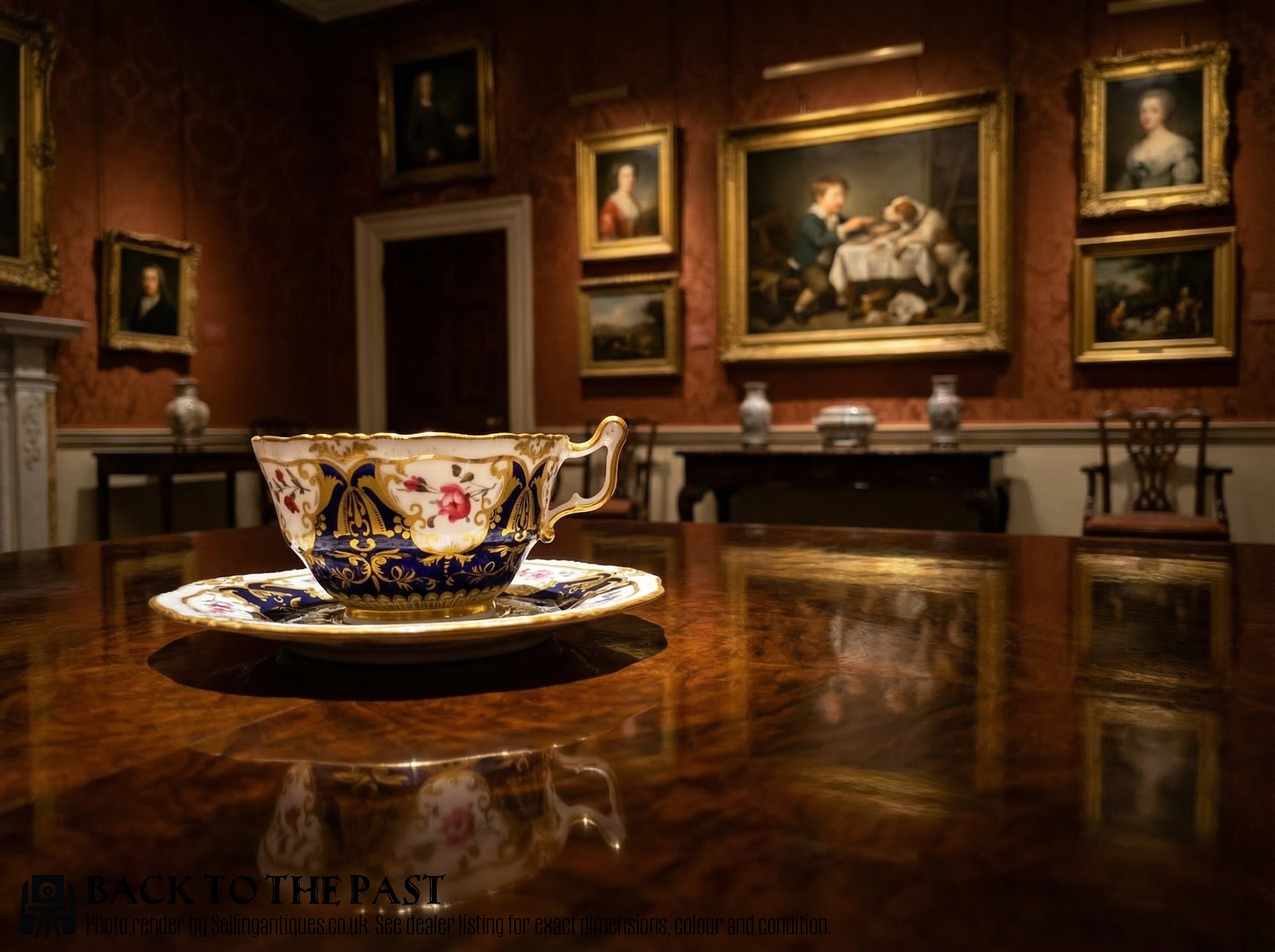
When you handle a gilt porcelain saucer, you hold centuries of refined craft in the palm of your hand.
Gilt Porcelain Saucer
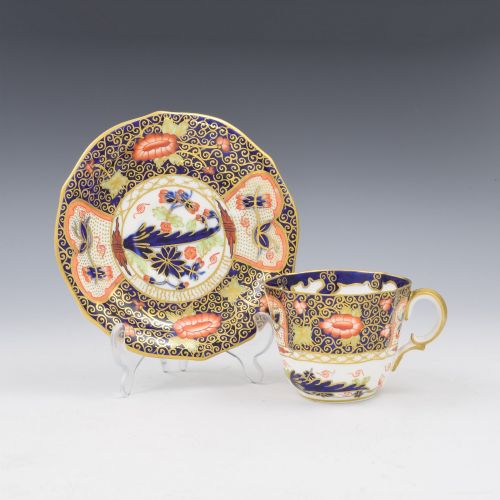
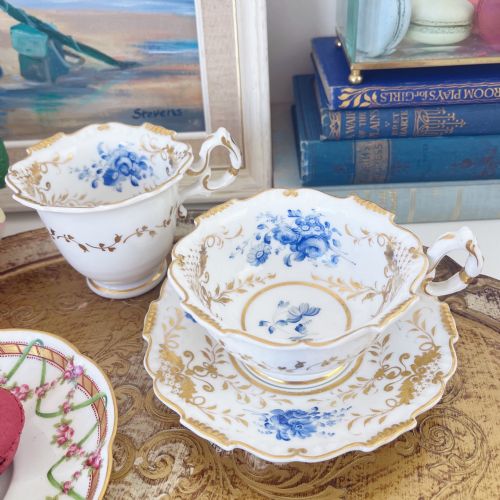
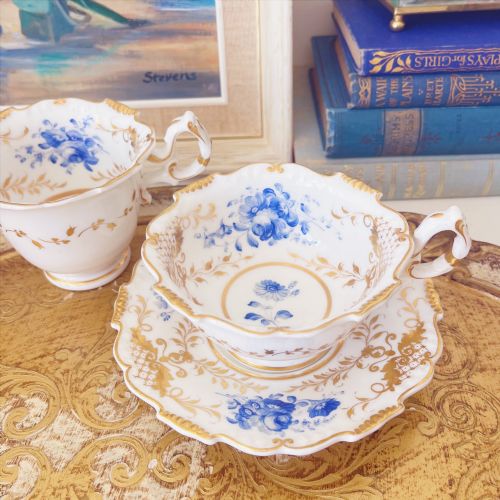
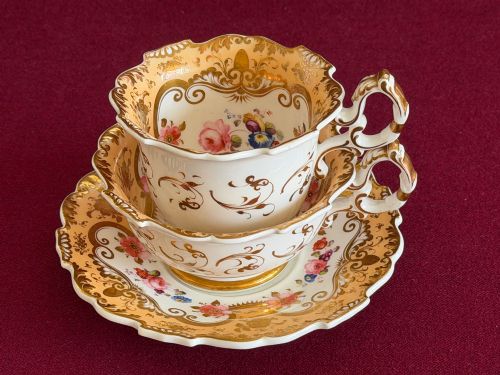
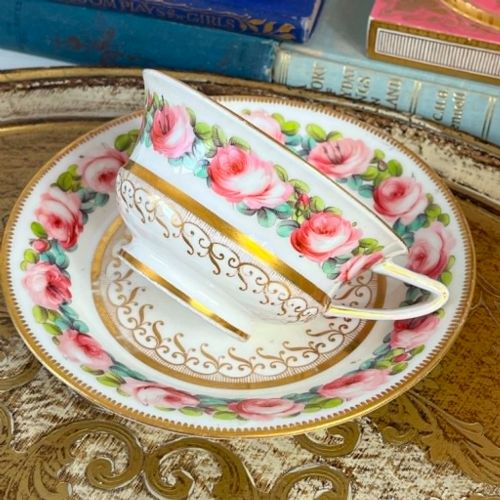
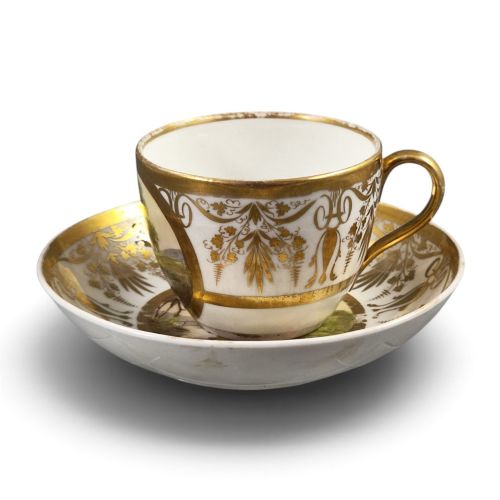
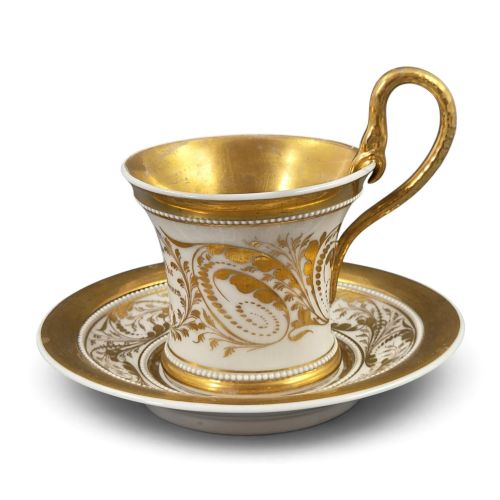
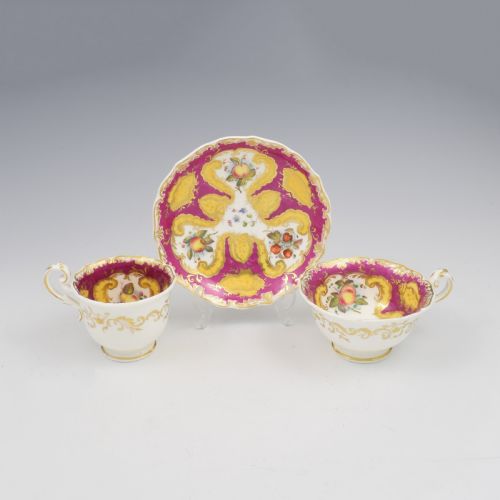
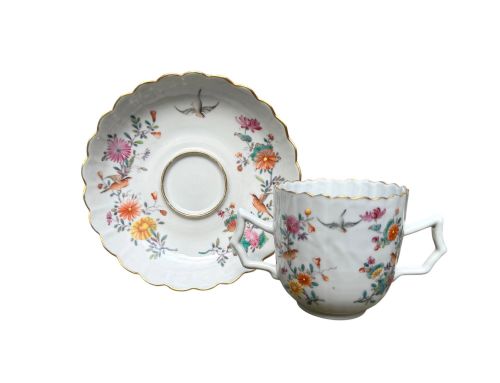
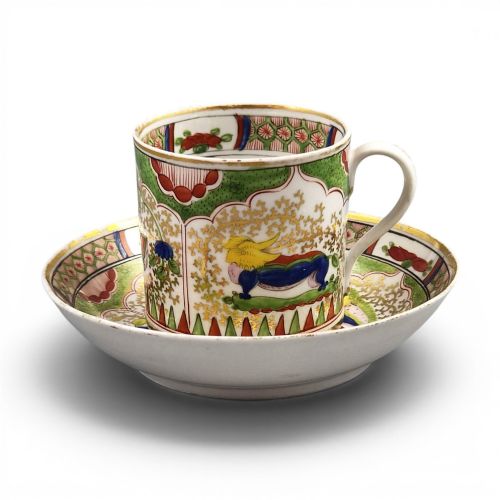
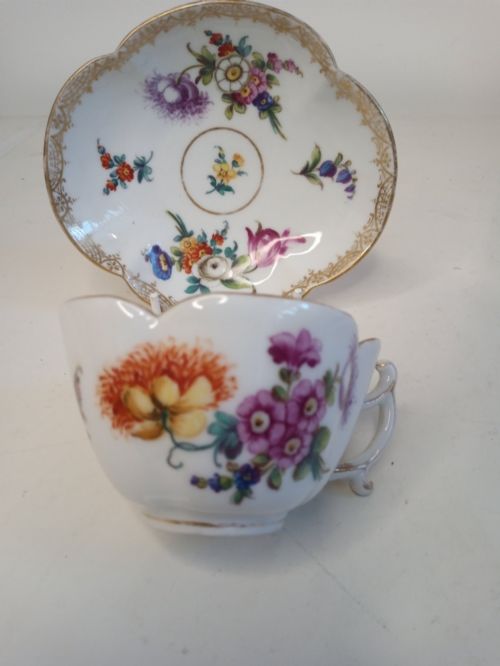
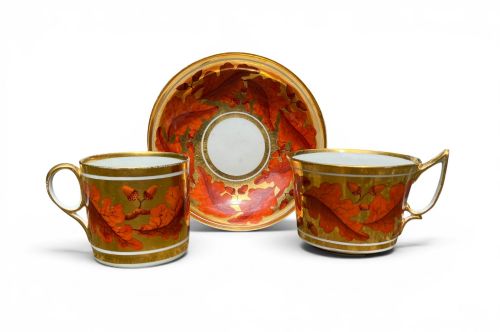
A gilt porcelain saucer sits as part of a drinking service or survives as an individual cabinet piece, originating across European and Asian potteries. When searching for a gilt porcelain saucer, buyers encounter forms spanning the eighteenth century through to the Edwardian period, often accompanied by matching cups.
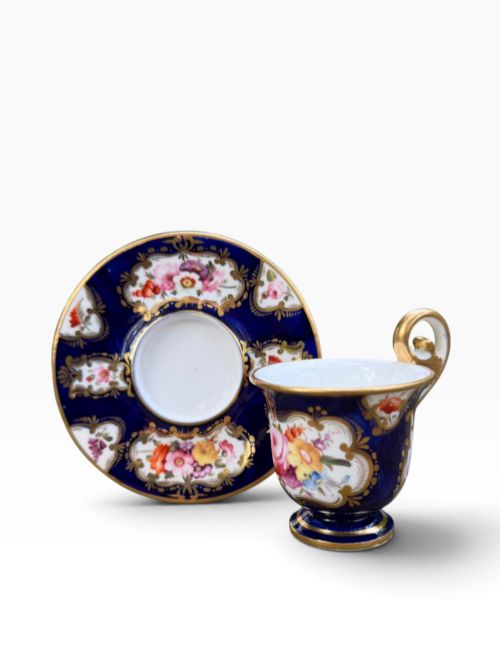
The pieces on this page emerge from Georgian, Regency, and Victorian eras, alongside Chinese export commissions and continental workshops. They reflect changing tastes from handpainted landscapes to rich cobalt borders and intricate gilded detailing.
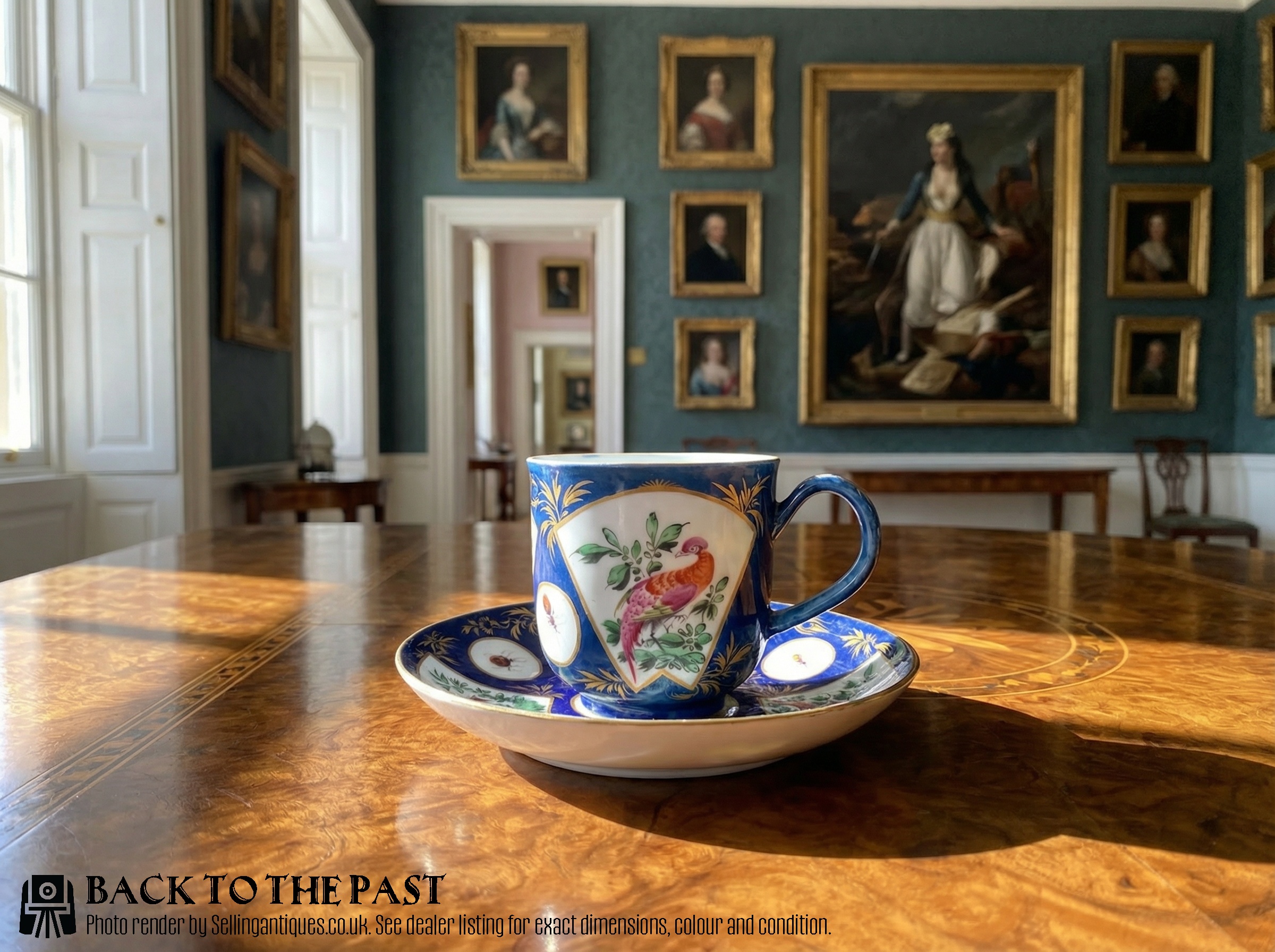
Materials and methods
Potters shaped these saucers from porcelain, soft-paste porcelain, bone china, or ceramic, applying enamel colours and gold leaf by hand. Gilding was layered and fired onto the ceramic body before being polished to a bright finish or left with a matte texture.
Factories utilised specialised porcelain pastes and handpainted motifs, ranging from delicate floral sprays to intricate transfer-printed designs. Gold gilt and enamel pigments fused with the glaze during kiln firings, securing the decoration for daily use or display.
Gilt Porcelain Saucer Retail Price Guide 2026
Typical asking prices for gilt porcelain saucer among the pieces listed under this phrase on Sellingantiques today, from the lower quarter to the upper quarter. They describe what is for sale here now, not the wider market.
Some nineteenth-century makers painted hidden insects inside cups to surprise drinkers as their tea slowly disappeared.
Measures of quality
Quality rests in the precision of the handpainting, the weight and translucency of the porcelain body, and the crispness of the gilding. Superior examples display finely burnished gold leaf and meticulously detailed miniature scenes rather than heavy, uniform transfers.
The reputation of the maker and the preservation of the delicate enamel work dictate the standing of a piece within its period. Exceptional saucers combine flawless potting with complex gilt borders that retain their original shine.
Royal Crown Derby·H & R Daniel·Spode·Coalport·KPM Berlin·Meissen·Royal Worcester·Vienna Porcelain
The Gilt Porcelain Saucer Glossary
- Soft-Paste Porcelain
- An artificial porcelain composition fired at lower temperatures than hard paste, common in eighteenth-century English factories. It produces a warm, creamy glaze that absorbs enamel colours deeply.
- Bone China
- A porcelain body strengthened with bone ash, developed in England to create a durable, highly translucent material. It became the standard base for fine tea services through the nineteenth century.
- Gilding
- The application of gold leaf or gold powder onto the ceramic surface for decoration. Artisans burnished the dried gold to achieve a reflective shine against the white porcelain ground.
- Enamel
- Opaque glass-like pigments fused to the glazed porcelain during firing. These colours provide the vibrant reds, blues, and greens seen on handpainted floral and landscape motifs.
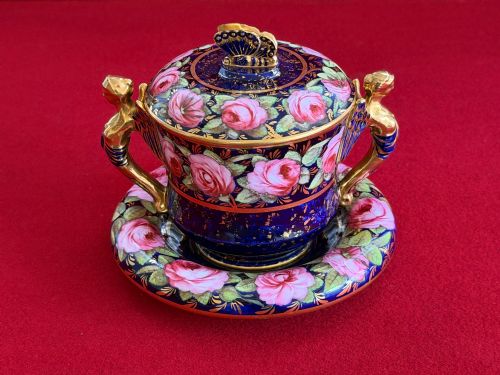
- Trembleuse Cup and Saucer
- A specialised vessel pairing with a saucer featuring a raised ring in the centre to hold the cup securely. This design prevented spills among nobility during morning chocolate or tea.
Gilt Porcelain Saucer: Frequently Asked Questions
Were these saucers used daily?
Many of these saucers formed part of working tea and coffee services used in fine households during the Georgian and Victorian eras. Their survival in good condition suggests owners handled them with care.
Finer cabinet pieces served primarily for display in parlours and drawing rooms, preserving their handpainted gilding from the wear of regular washing.
How do I distinguish eighteenth-century pieces?
Eighteenth-century pieces often feature soft-paste porcelain bodies that show a warmer, slightly creamy tone when held to the light. The potting can feel heavier or present minor surface imperfections typical of early firing techniques.
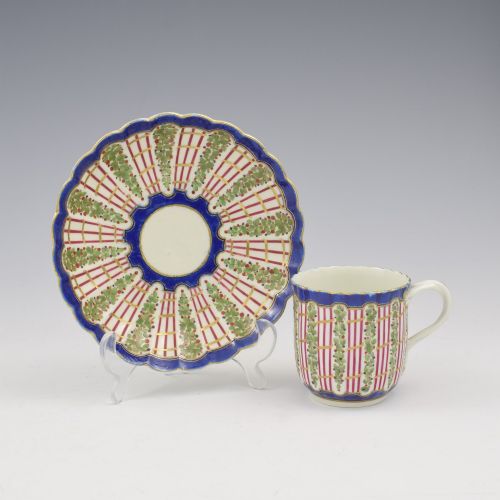
Handpainting from this era relies on specific enamel palettes, such as famille rose or hop trellis patterns, applied directly over the glaze without modern transfer aids.
Why do some saucers lack cups?
Cups frequently suffered chips or breaks over centuries of use, leaving surviving saucers behind as independent cabinet pieces. Saucers also sometimes served standalone functions as small stands or butter plates.
Collectors often acquire individual saucers to appreciate the artistry of specific factories and handpainters without needing a complete set.