


Gilt Porcelain Pin Dish
These gilt porcelain pin dish examples bring practical elegance to a dressing table, combining refined ceramics with delicate metallic detailing.
Gilt Porcelain Pin Dish
A gilt porcelain pin dish is a small receptacle designed for holding small items like pins and trinkets, typically defined by ceramic bodies enhanced with gold leaf or gilding. When exploring this selection, buyers encounter pieces spanning the nineteenth and twentieth centuries, encompassing Victorian, Edwardian, and mid-century eras.
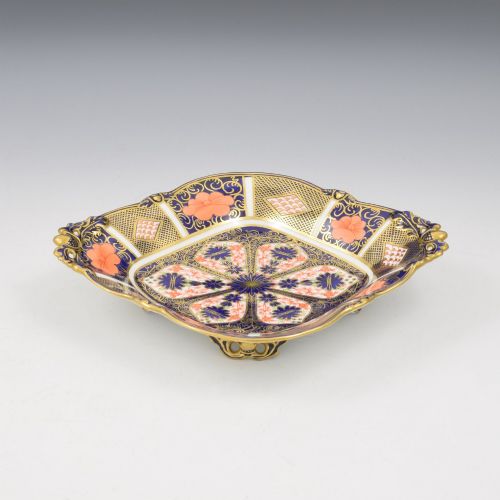
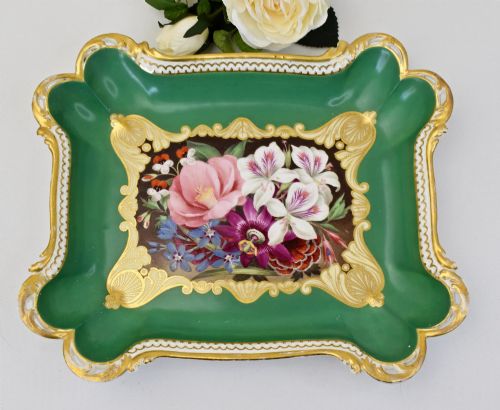
The forms vary from simple shaped trays to fan-shaped plates, shell dishes, and rectangular serving trays. These items often feature hand-painted floral sprays, fruit motifs, or traditional Imari patterns.
Origins range widely across English factories such as Royal Worcester, Worcester, Carlton Ware, and Wedgwood, alongside continental pieces like French ormolu and champlevé enamel trays.
Materials and manufacture
The foundation of each piece is ceramic, utilising porcelain, bone china, or earthenware, which is then shaped into dishes, trays, or plaques. Cobalt glaze and enamel are frequently applied to add rich colour beneath or alongside the painted details.
Gold leaf and general gilding provide the characteristic metallic borders and highlights that define the aesthetic of these items. Skilled hands painted floral sprays, butterflies, and fruit directly onto the porcelain surface before final firing.
Several pieces feature hand-painted fruit signed by artists who clearly spent a lot of time staring at pears.
Evaluating quality and execution
Quality in these pieces rests heavily on the precision of the hand-painted decoration and the crispness of the gilt work. Items featuring signed artistry or complex patterns show a higher level of workshop skill.
The integrity of the porcelain body, the depth of the glaze, and the preservation of the gold leaf over time distinguish finer examples from standard production pieces.
Royal Crown Derby·Doe and Rogers·Carlton Ware·Royal Worcester·Barr Flight and Barr·Wedgwood
The Gilt Porcelain Pin Dish Glossary
- Gilt
- Covered thinly with gold leaf or gold paint. This technique adds metallic highlights to the edges and surface patterns of the ceramic.
- Porcelain
- A white vitrified translucent ceramic material of high quality. It serves as the primary body for the majority of these small dishes and trays.
- Imari
- A style of Japanese export porcelain characterised by underglaze blue and overglaze red, gold, and green. English factories later adopted and adapted these distinctive patterns.
- Champlevé
- An enamelling technique where troughs or cells are sunk in the metal surface and filled with enamel. These areas are then fired and polished smooth.
- Ormolu
- Gilded bronze used for decorative mounts and frames. It appears alongside enamel and porcelain in continental pieces.
Gilt Porcelain Pin Dish: Frequently Asked Questions
What is a gilt porcelain pin dish used for?
These small dishes were traditionally placed on dressing tables or sideboards to hold loose pins, rings, and small trinkets. They kept delicate items secure and organised.
Today, they function well in similar domestic roles or serve as decorative accent pieces on display surfaces.
How do I care for antique gilt porcelain?
Clean these items gently using a soft, dry cloth to remove dust. Avoid harsh chemical cleaners or abrasive sponges that can wear away the delicate gold leaf and painted details.
Keep them out of direct sunlight to prevent fading of the enamel colours and hand-painted fruit or floral motifs.
How can I tell the period of a dish?
Dating relies on maker marks, factory styles, and the specific decorative motifs typical of periods like the Victorian or Edwardian eras. Hand-painted signatures can also help narrow down the production timeframe.
Material composition, such as the use of bone china versus earthenware, offers further clues to the age of the piece.
Are all these dishes English?
While a significant portion of the selection originates from renowned English potteries like Royal Worcester and Wedgwood, continental examples also appear.
Items featuring French ormolu and champlevé enamel demonstrate the broader European influence alongside domestic production.