
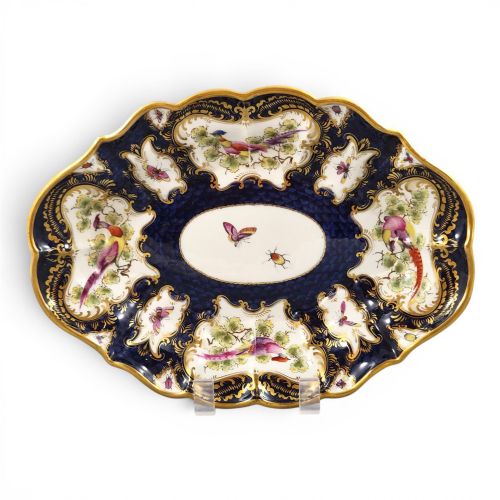


Royal Worcester Cabinet Dish
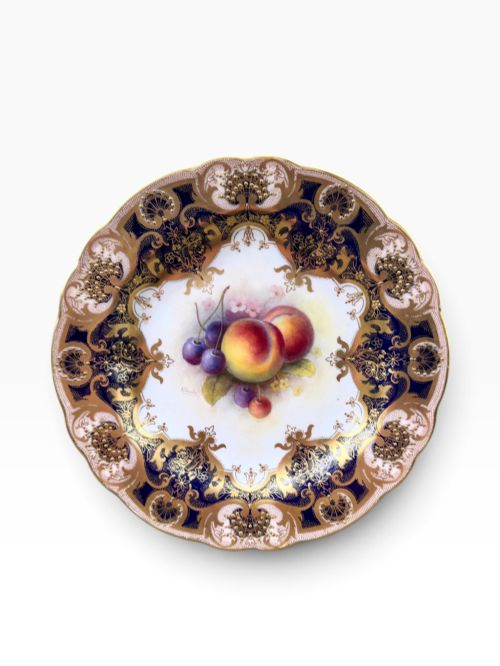
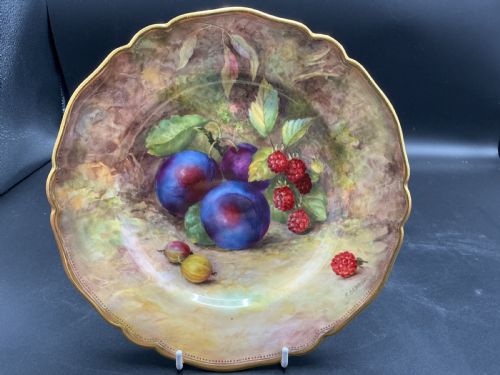
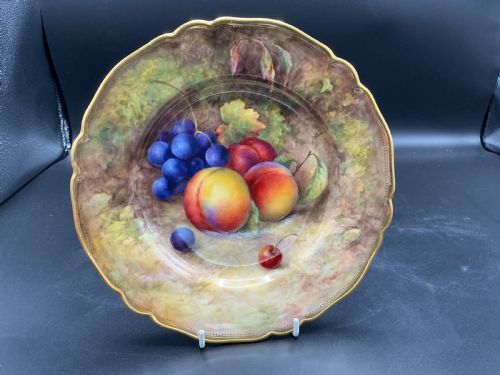
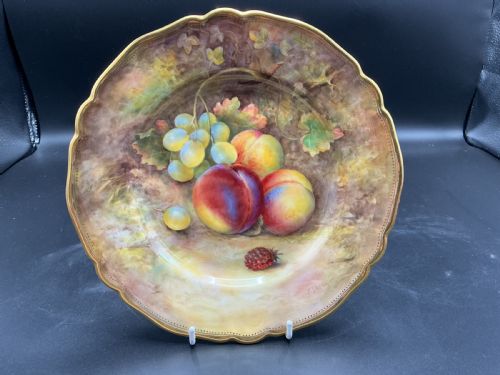
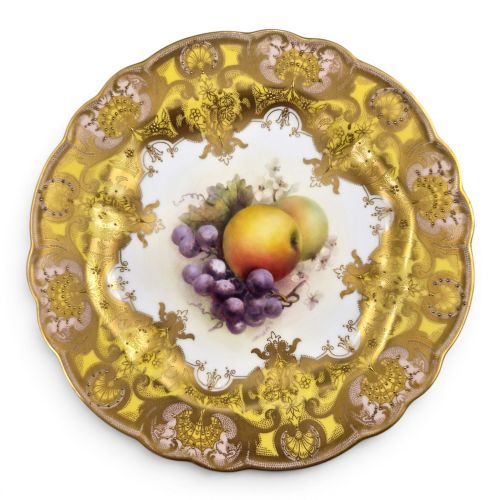
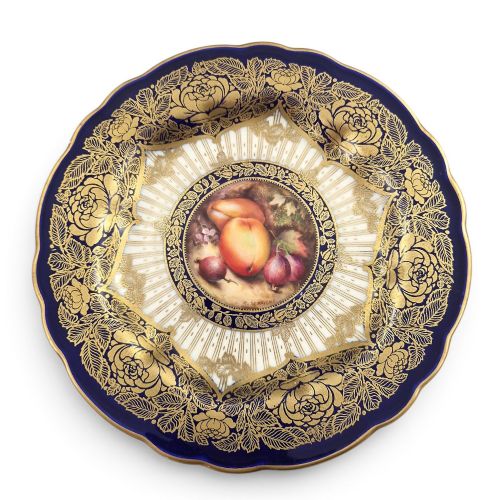
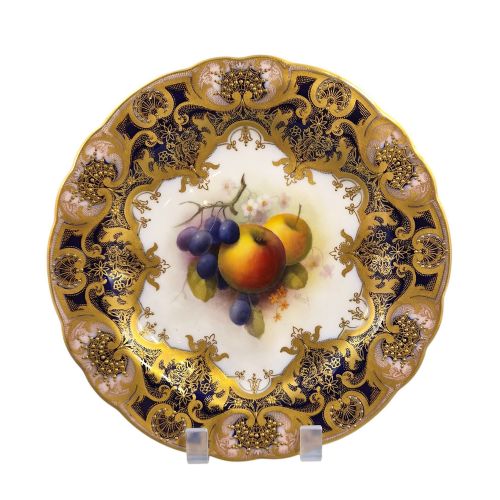
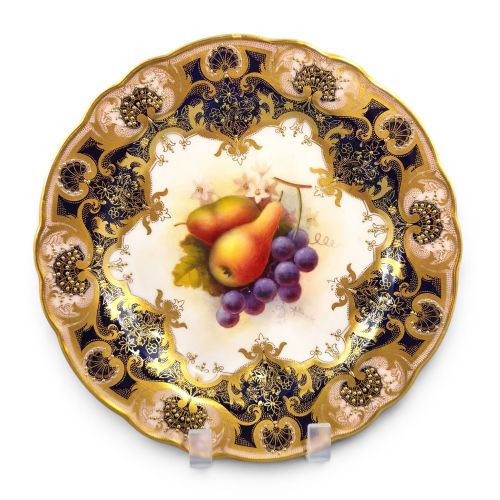
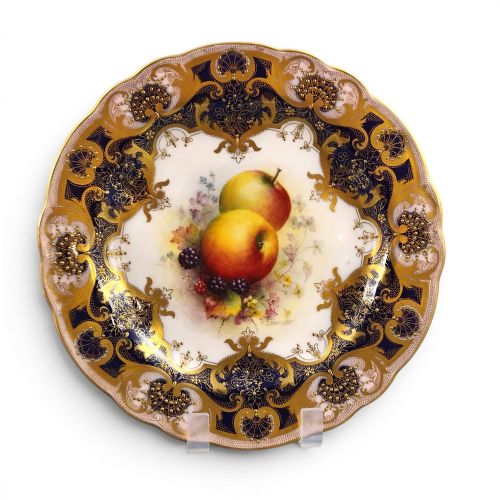
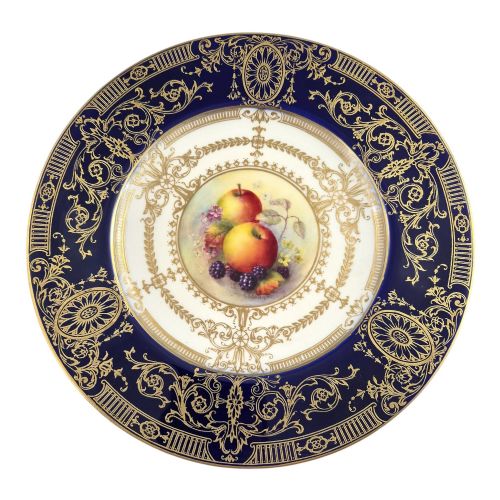
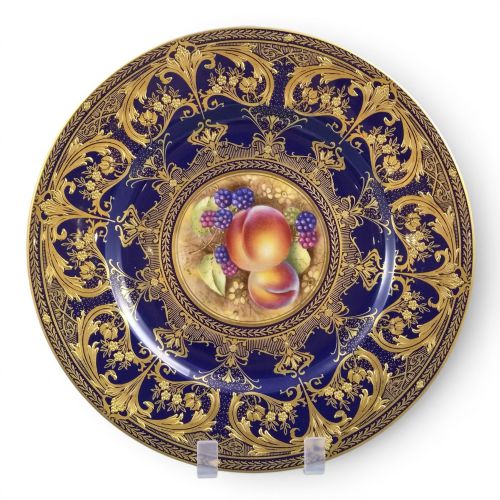
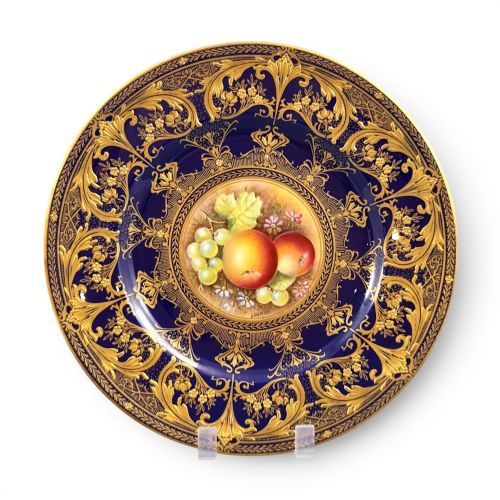
These royal worcester cabinet dish examples combine hand-painted fruit, intricate gilding, and fine porcelain from workshops operating across the late nineteenth and twentieth centuries.
Royal Worcester Cabinet Dish
A royal worcester cabinet dish represents the pinnacle of British ceramic artistry, designed primarily for display rather than everyday dining. When exploring this selection, buyers encounter various forms including cabinet plates, decorative plates, dessert dishes, soup dishes, and porcelain trays.
The pieces span multiple decades, drawing from Edwardian elegance through Art Deco periods into the mid-twentieth century. Most examples feature intricate painted fruit studies, floral arrangements, or cobalt borders highlighted with tooling.
Makers and artists working for the pottery produced distinctive shapes, such as rope-edge plates and pierced cabinet pieces. These items originate from a tradition of high-end porcelain manufacture that prioritized rich enamel colours and elaborate gilding.
Materials and methods
The foundation of every piece relies on porcelain, bone china, and fine bone china, shaped into plates, trays, and dishes. Artisans applied meticulous paint layers, enamel, and gilt enamel directly onto the ceramic body.
Gold leaf and extensive gilding frame the central painted motifs, often applied by hand and tooled to catch the light. Skilled painters signed their fruit and floral studies, utilising firing techniques that permanently set the delicate pigments.
Several plates feature realistic fruit so detailed that nineteenth-century guests occasionally reached out to test if they were real.
Distinguishing quality
Quality rests heavily on the identity of the artist whose signature appears on the surface, as demonstrated by works from recognised painters. The complexity and realism of the hand-painted fruit or floral subjects separate standard productions from masterworks.
The richness of the gilding and the precision of the tooled gold borders dictate the visual impact of the piece. Additionally, the crispness of moulded details, such as rope edges or pierced rims, influences the overall standing of an item.
Albert Shuck·Richard Sebright·Brian Leaman·Grainger and Co·Charles Baldwyn
The Royal Worcester Cabinet Dish Glossary
- Cabinet plate
- A decorative ceramic plate intended for display in a cabinet or on a wall rather than for practical table use. These typically feature intricate hand-painted subjects and lavish gilding.
- Bone china
- A type of soft-paste porcelain containing bone ash, known for its high strength, chip resistance, and translucent quality. It served as the primary canvas for detailed enamel painting.
- Gilding
- The application of gold leaf or gold paint to ceramic surfaces, particularly around rims and borders. Skilled artisans often tooled this gold to create textured patterns.
- Blue scale
- A distinctive underglaze blue pattern resembling fish scales, often used as a rich background framing central motifs. It required precise hand application by skilled decorators.
- Enamel
- Vitreous material fused to the porcelain surface through firing, providing vibrant and durable colour. It forms the basis of the detailed fruit and floral imagery.
Royal Worcester Cabinet Dish: Frequently Asked Questions
How do I date a piece?
Dating relies on factory date codes marked on the underside of the porcelain, alongside stylistic clues such as Edwardian borders or Art Deco forms. Examining the specific painting style and artist signature also helps narrow down the period of production.
Matching the recorded active years of painters provides further chronological accuracy. Catalogues and factory records remain essential tools for placing an item in its correct decade.
Were these dishes used for dining?
Cabinet pieces were primarily manufactured for visual display in drawing rooms rather than for serving food at the table. Their delicate painted surfaces and extensive gilding made them unsuitable for everyday culinary use.
Certain forms like soup dishes and dessert dishes had practical origins, but surviving examples with detailed artist signatures were treated as decorative works of art.
How should I display them?
Displaying these items safely requires sturdy wall hangers designed for plates or dedicated cabinet stands lined with protective material. Keeping them away from direct sunlight preserves the vibrancy of the hand-painted enamels and gold leaf.
Grouping pieces by shared characteristics, such as rope edges or similar floral themes, creates a cohesive historical arrangement in a room.
What does a signature mean?
A signature indicates the specific artist who hand-painted the central fruit or floral study on the ceramic surface. Master painters specialised in realistic fruit composition and commanded high regard within the pottery.
Signed pieces generally attract greater attention from collectors because they attribute the artistry to a known individual rather than anonymous studio hands.