

Edwardian Hand Painted China
Edwardian hand painted china brings porcelain, bone china, and enamel forms together with delicate brushwork.
Edwardian Hand Painted China
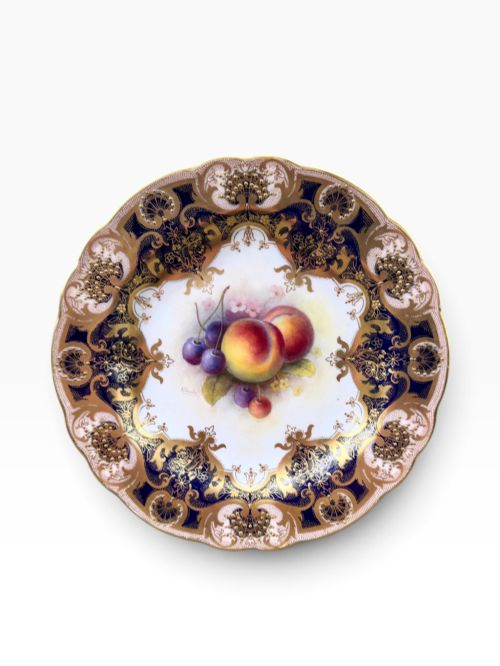
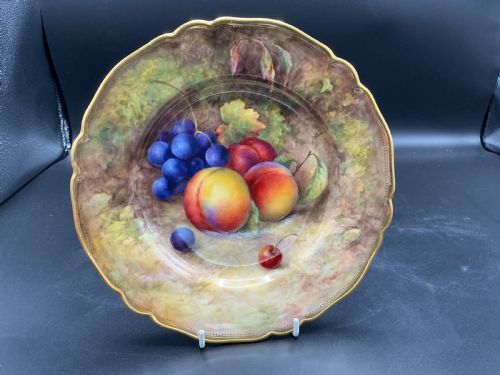
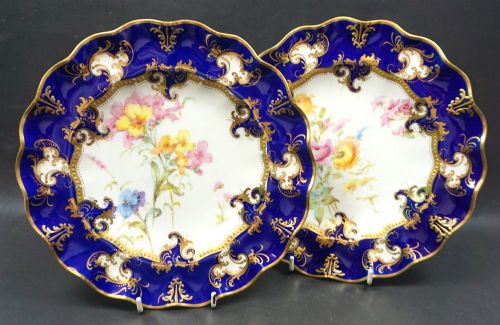
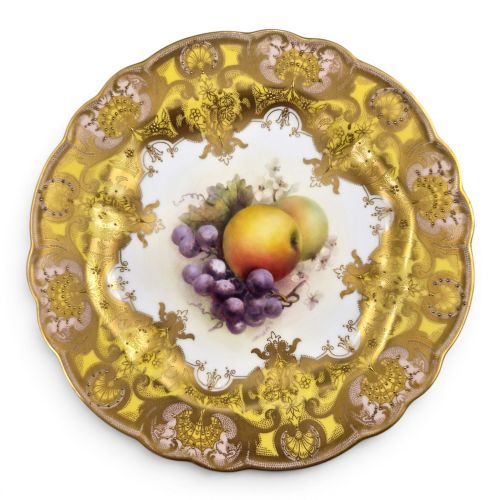
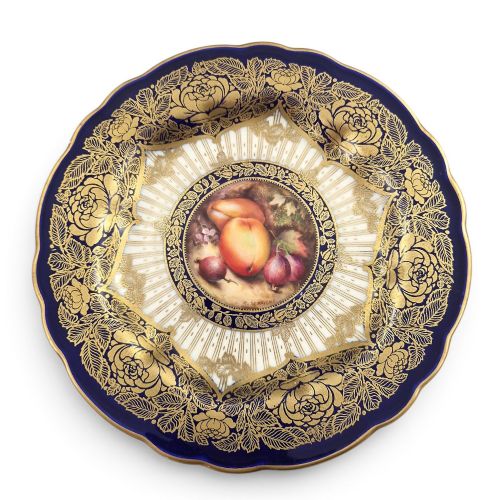
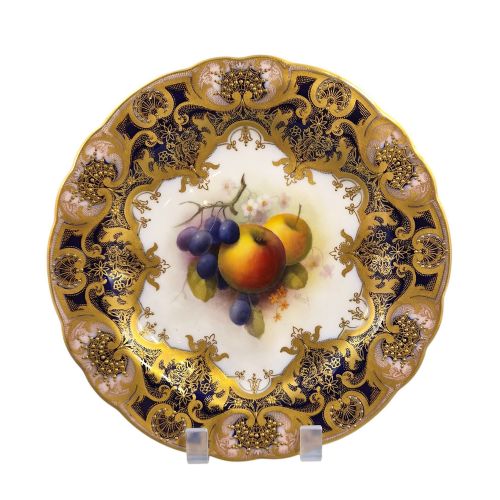
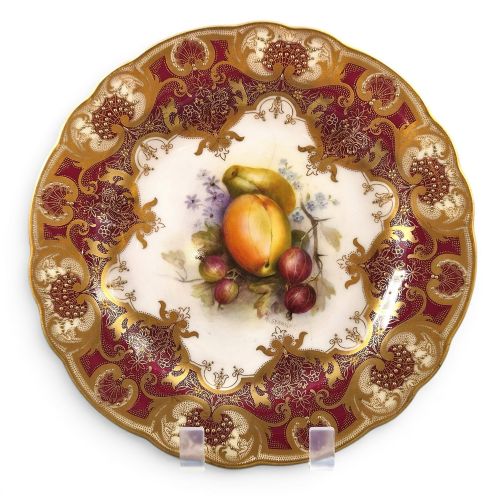
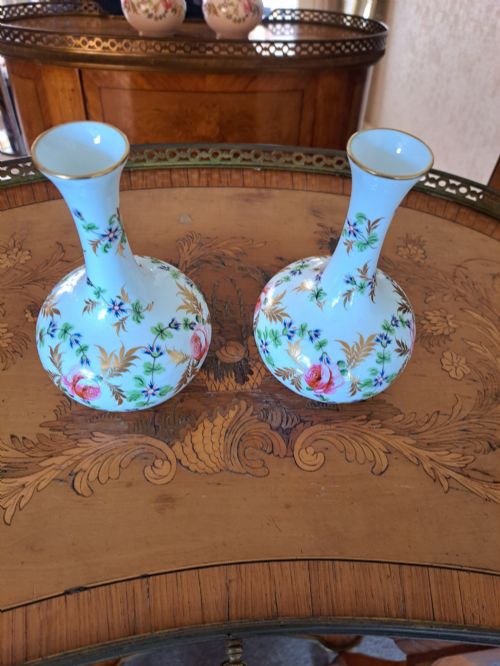
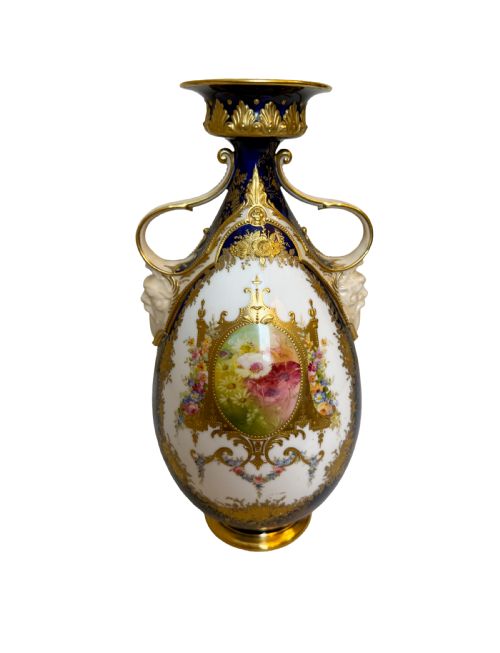
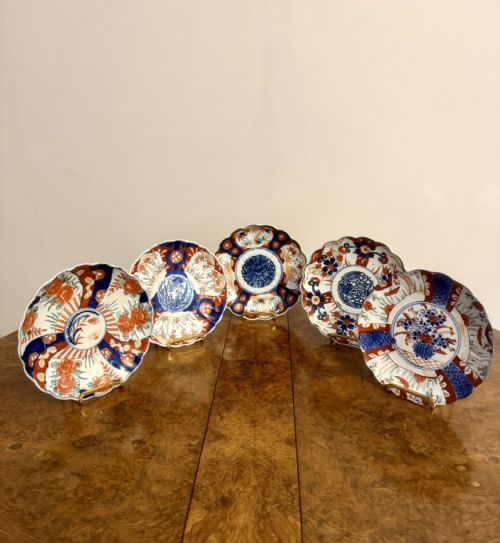
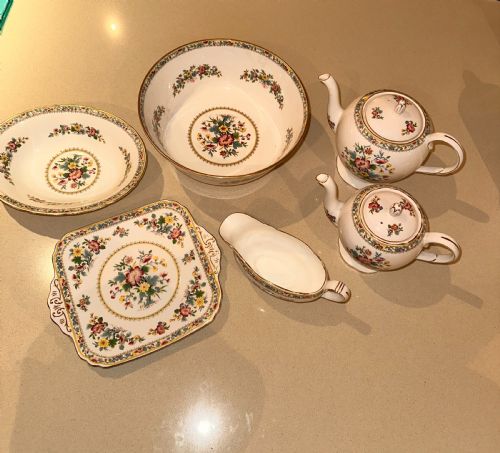
When you search for edwardian hand painted china, you encounter cabinet plates, decorative dishes, vases, and display furniture intended for visual appreciation rather than daily service.
The objects stem predominantly from the Edwardian period and surrounding decades, featuring porcelain and bone china bodies adorned with floral, fruit, or animal subjects.
Makers such as Royal Worcester, Royal Crown Derby, and Royal Doulton dominate the selection, often bearing the signatures of notable artists.
How edwardian hand painted china was made
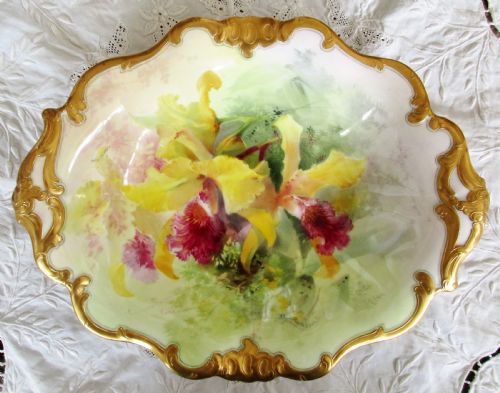
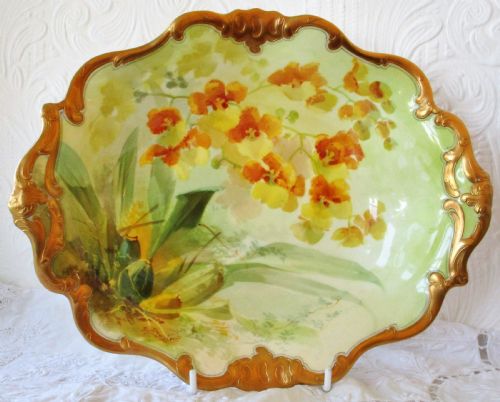
Artisans utilised porcelain and bone china as the primary canvas, applying intricate enamel pigments by hand before firing.
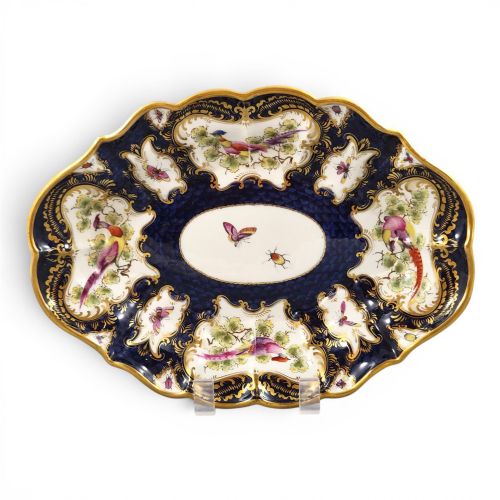
Gilding, gold leaf, and gilt detailing frequently accent the painted scenes, complementing the polished ceramic surfaces.
Highland cattle, swans, and storks gaze out from porcelain surfaces across the centuries.
What varies in quality
The standing of a piece rests upon the skill of the painter, particularly when signed by known studio artists.
The precision of the tooled gilding and the complexity of the ceramic form separate standard wares from exceptional examples.
Royal Worcester·Royal Crown Derby·Royal Doulton·Coalport·Grainger and Co
The Edwardian Hand Painted China Glossary
- Cabinet plate
- A decorative ceramic plate intended for display in a cabinet rather than for dining use. These often feature elaborate painted subjects and gilt borders.
- Bone china
- A type of soft-paste porcelain incorporating bone ash for enhanced durability and translucency. It forms the base for many fine decorative items.
- Gilding
- The application of gold leaf or gold powder to ceramic surfaces. This finish outlines panels or highlights raised decorative mouldings.
- Enamel
- Opaque glass-like paint applied to porcelain and fired to achieve vibrant permanent colours. It provides the pigment for detailed botanical and animal scenes.
- Vitrine
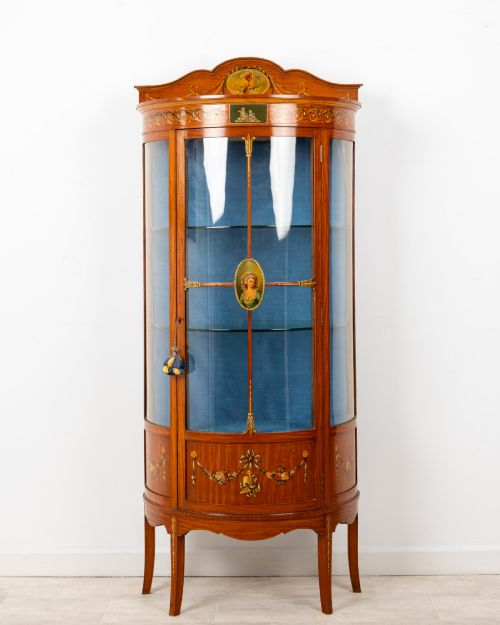
- A glass-fronted display cabinet designed to showcase porcelain collections. These pieces often incorporate satinwood or mahogany timbers.
Edwardian Hand Painted China: Frequently Asked Questions
How do I display cabinet plates?
Cabinet plates are traditionally housed behind glass in dedicated display cabinets or vitrines to protect their delicate enamel surfaces from dust and damage.
Wall mounting using specialised hangers is another option, provided the plates are secured safely.
Are these pieces meant for daily use?
These ceramics are intended primarily for display and decorative purposes rather than practical dining.
The delicate hand-painted enamels and gold leaf details require careful handling and cleaning to preserve their condition.
Who painted these porcelain items?
Many pieces were decorated by named artists working for major potteries, such as Richard Sebright or Albert Shuck at Royal Worcester.
Signatures or monograms often appear on the front or reverse of the porcelain.
What materials make up these objects?
The items consist mainly of porcelain and bone china decorated with enamel pigments and finished with gilt or gold leaf accents.
Display furniture associated with these collections utilises woods like satinwood and mahogany.