

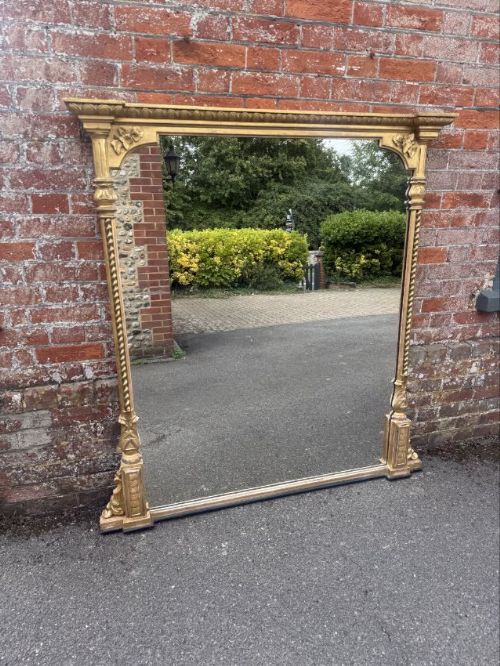
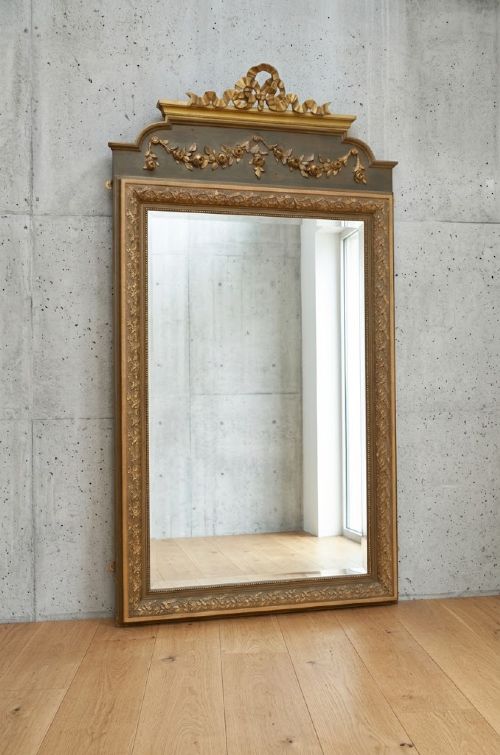
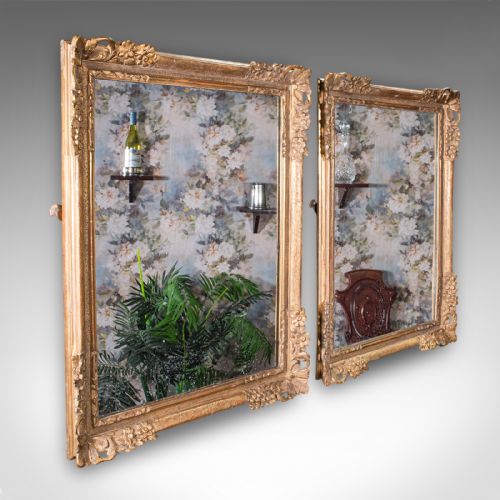
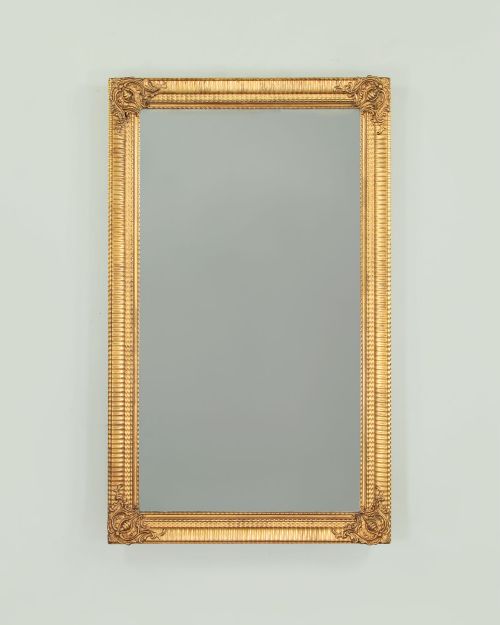
Gilt Framed Overmantel
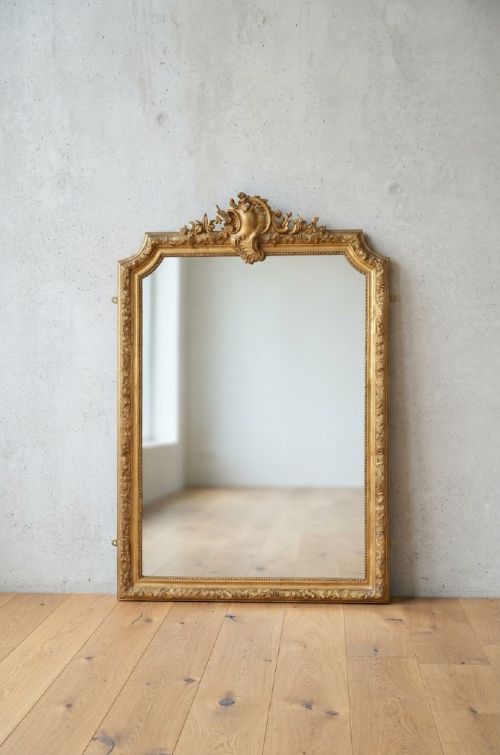
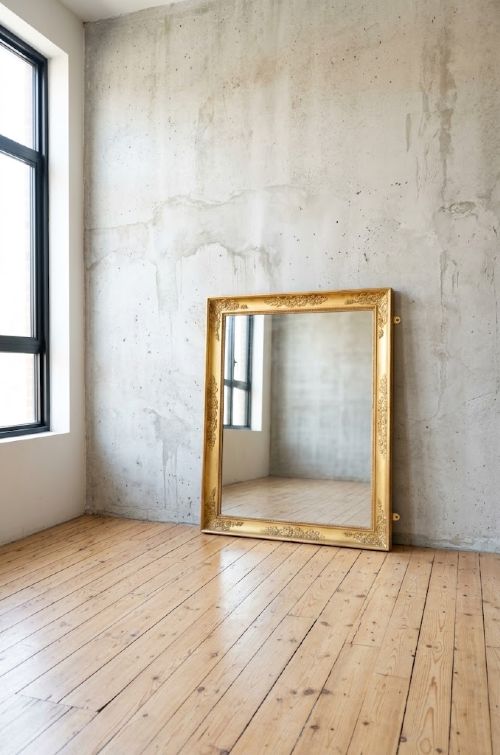
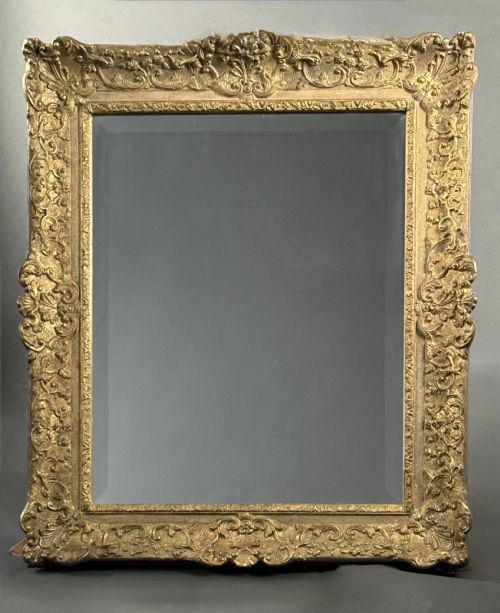
These gilt framed overmantel pieces bring period light and architectural scale to a room, hung traditionally above a mantelpiece.
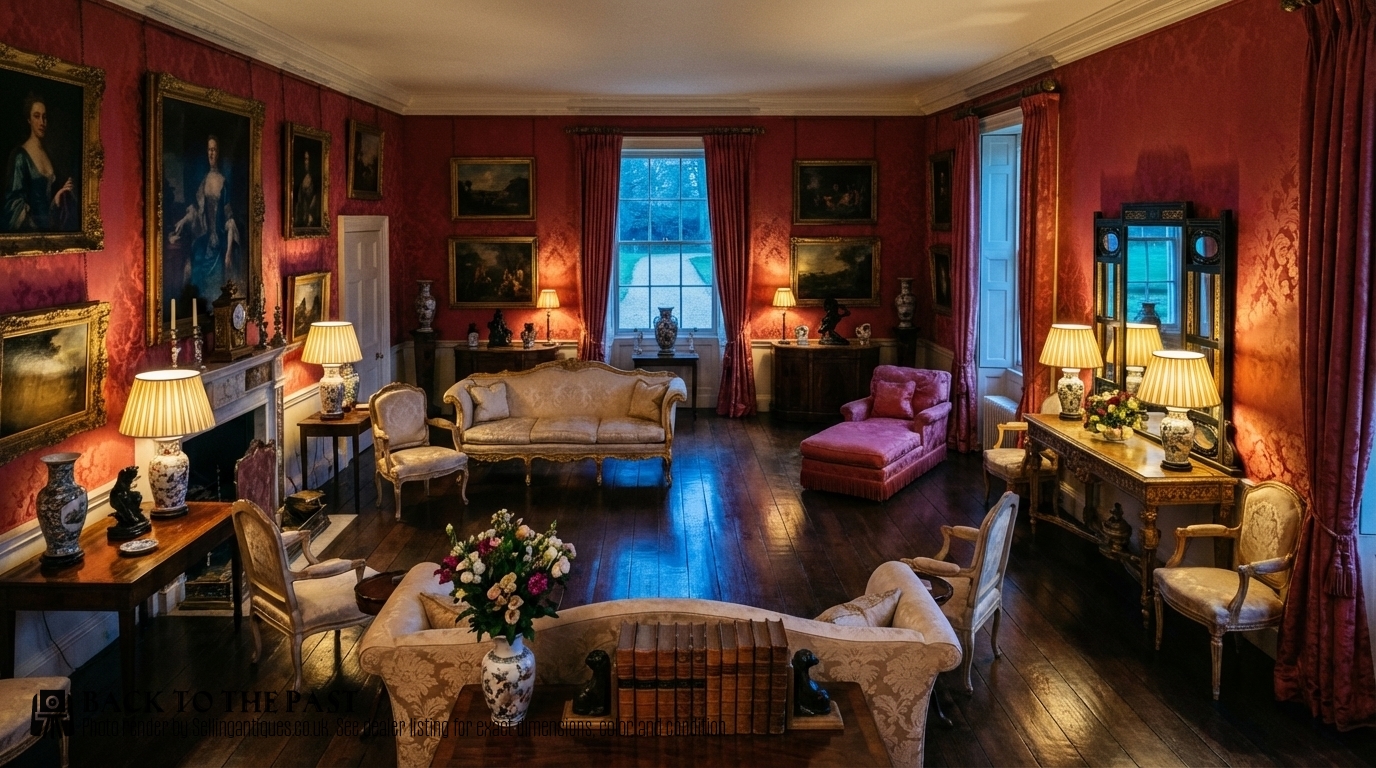
What a gilt framed overmantel is
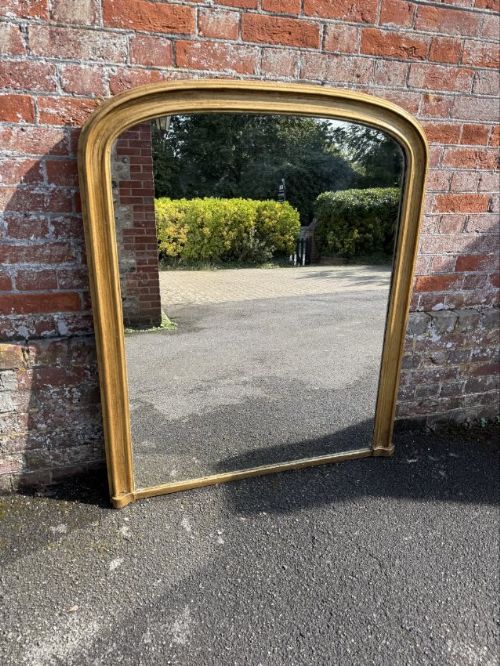
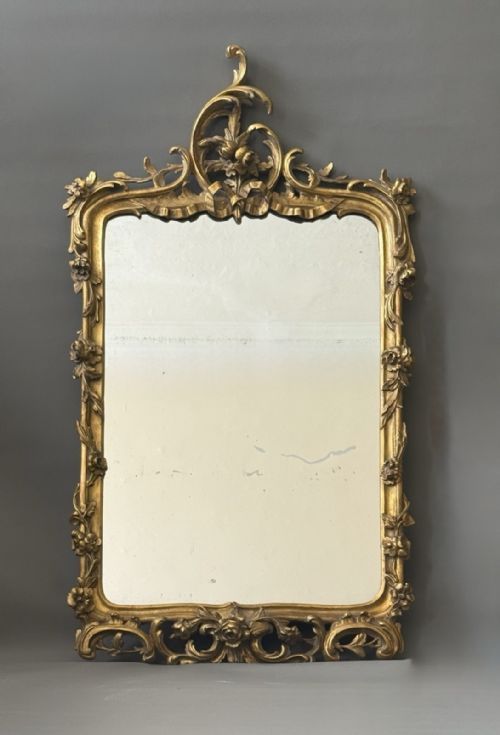
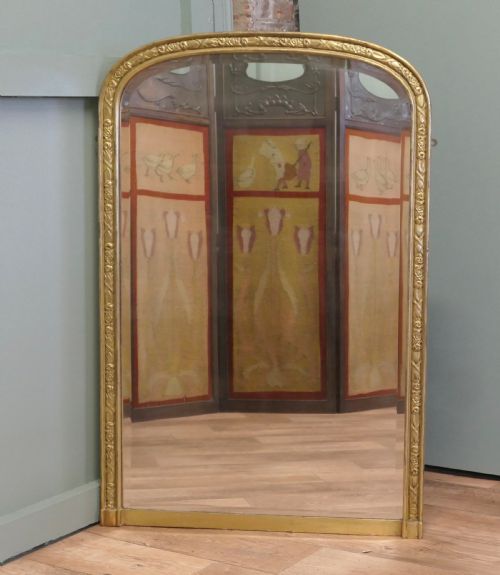
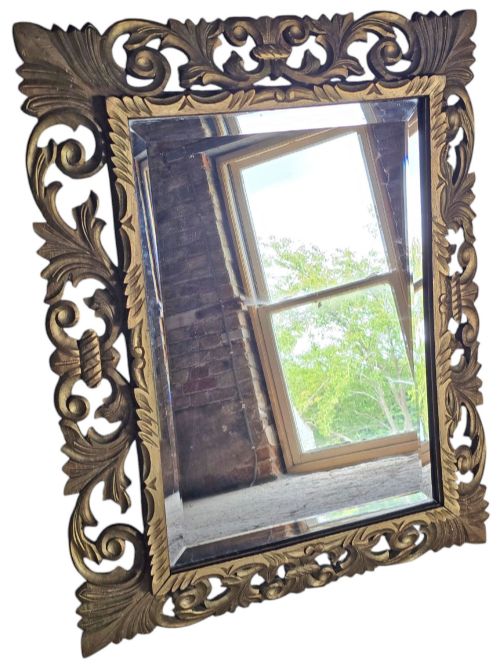
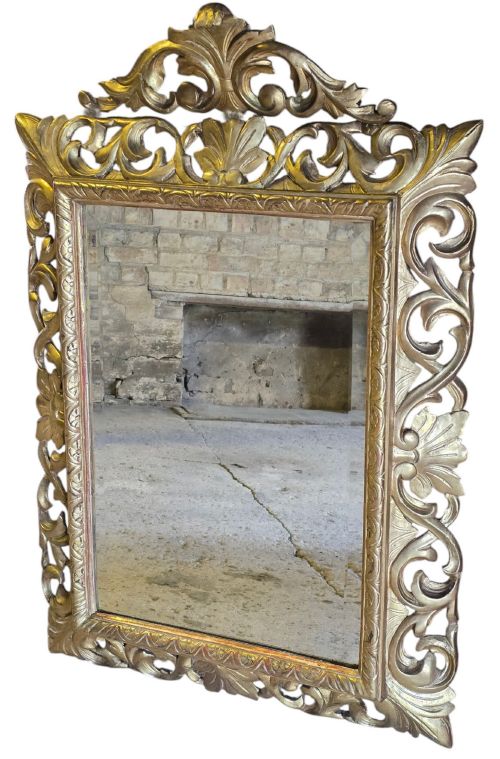
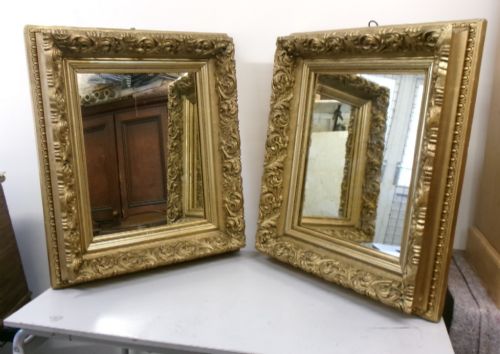
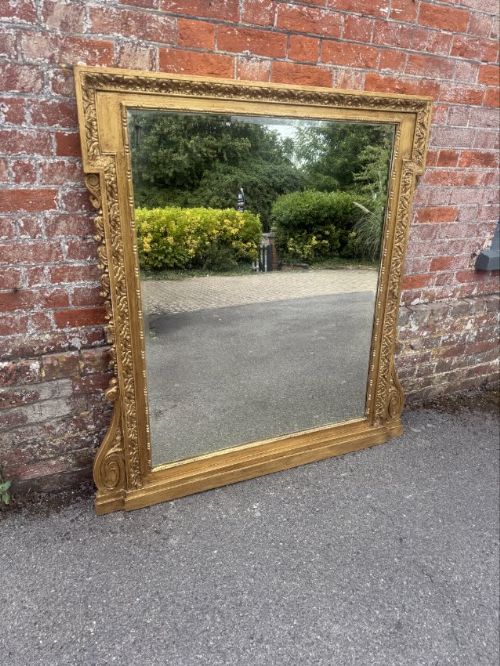
A gilt framed overmantel functions primarily as a substantial architectural mirror designed to sit directly above a fireplace. The pieces seen here span the nineteenth century, the Edwardian era, and the early twentieth century, taking the form of overmantel mirrors and wall mirrors.
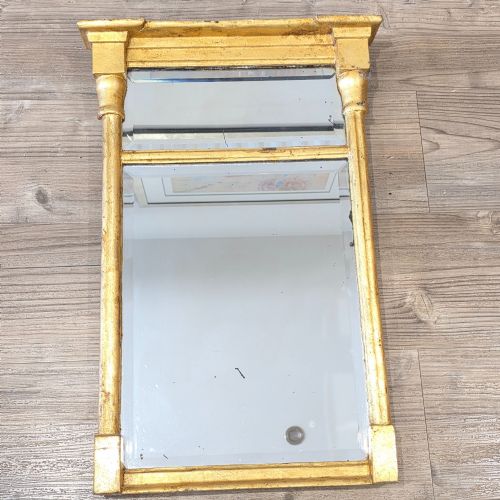
Most examples encountered on this page date from the nineteenth century, alongside Edwardian and 1920s variants. Forms range from simple large designs to compartmental and three-plate landscape formats, as well as distinct oval shapes.
Stylistic influences include Regency, French Chateau, and Aesthetic Movement designs. These pieces often incorporate arched tops, carved tulip motifs, or fern decorations within their overall presentation.
What varies in quality
Quality rests in the depth and crispness of the carved wood and gesso ornamentation, distinguishing sharp artisanal work from softer mouldings. The application of gold leaf also dictates the visual richness of the surface.
The integrity of the mirror glass and the complexity of the frame design, such as multi-plate compartmental layouts or unusual carved motifs like ferns, separate standard examples from finer works.
Retail Price Guide 2026
Typical UK retail prices for gilt framed overmantel, calculated from the Sellingantiques database of over a million retail prices indexed since 2003. This retail price guide relies exclusively on Sellingantiques data; no external sources or auction records are used, so the figures do not describe the wider market.
Listings feature nineteenth century, Edwardian, and 1920s pieces utilising giltwood, ebonised wood, gesso, and mirror glass.
The Gilt Framed Overmantel Glossary
- Giltwood
- Timber that has been gilded with gold leaf. This material gives the frames their characteristic metallic sheen.
- Gesso
- A plaster-like mixture applied to wood and carved before gilding. It allows for intricate decorative relief work on the frame.
- Compartmental mirror
- A mirror glass divided into multiple distinct sections within a single frame. This format is frequently seen in Regency overmantels.
- Ebonised wood
- Timber stained or treated to resemble ebony. It provides a dark contrast against gilt details in Aesthetic Movement pieces.
- Overmantel
- A large mirror or painting made to hang specifically above a mantelpiece. These pieces often anchor the decorative scheme of a reception room.
Frequently Asked Questions
How do I hang an overmantel mirror safely?
These large mirrors require secure attachment directly into structural wall studs using heavy-duty brackets suited to the substantial weight of wood, gesso, and glass.
Professional installation is recommended to support the horizontal span safely above a fireplace opening.
Where should an overmantel be placed?
Traditionally positioned centrally on the chimney breast above the mantelpiece, these large mirrors reflect light across the room and create a sense of expanded space.
They also function effectively on large expanse walls in principal reception rooms without a fireplace.
What defines a Regency overmantel?
Regency examples typically feature restrained architectural lines, compartmental glass plates, and classical decorative motifs reflecting early nineteenth-century taste.
They often utilise three-plate landscape configurations that emphasise horizontal breadth.
How do I identify an Aesthetic Movement mirror?
Aesthetic Movement pieces from the late nineteenth century frequently combine ebonised wood with gilt highlights and painted surfaces.
They reject excessive ornamentation in favour of disciplined, artistic composition.