



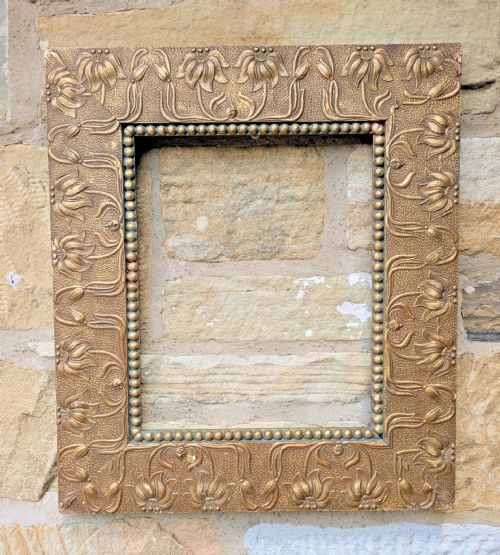


Gilt Edge Wall Mirror
A gilt edge wall mirror brings brightness and reflected depth to a room, drawing the eye with metallic gleam and carved form.
Gilt Edge Wall Mirror
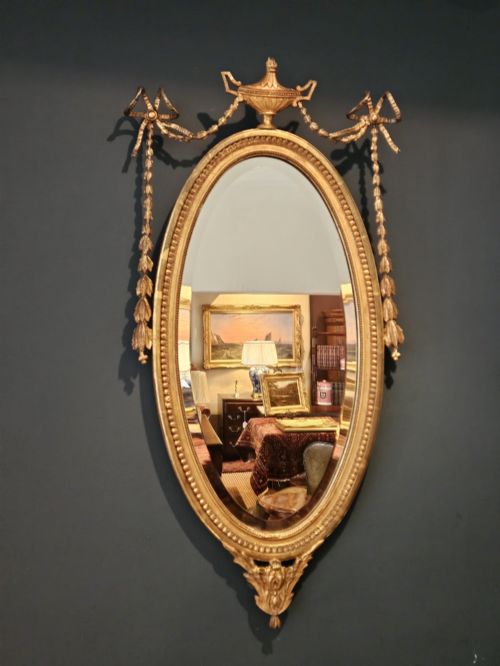
A gilt edge wall mirror is a reflective glass panel framed in gilded wood, gesso, or brass, designed to hang upon a wall or rest above a mantelpiece. You will frequently encounter Victorian and nineteenth-century examples on this page, alongside earlier revivals and mid-twentieth-century Italian pieces.
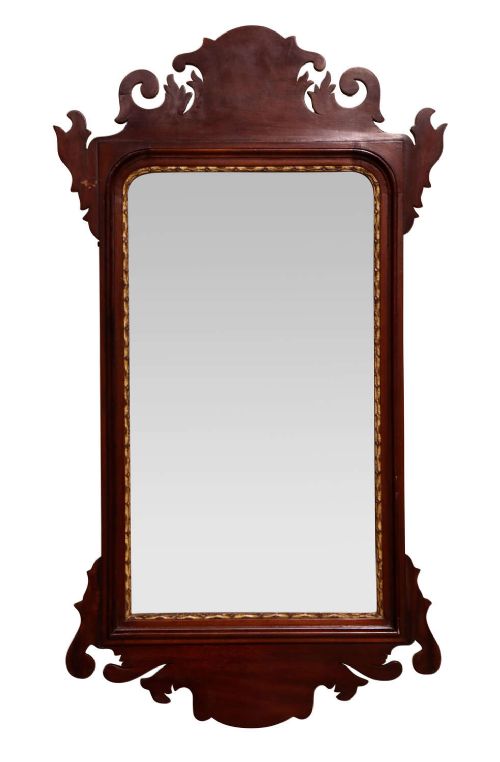
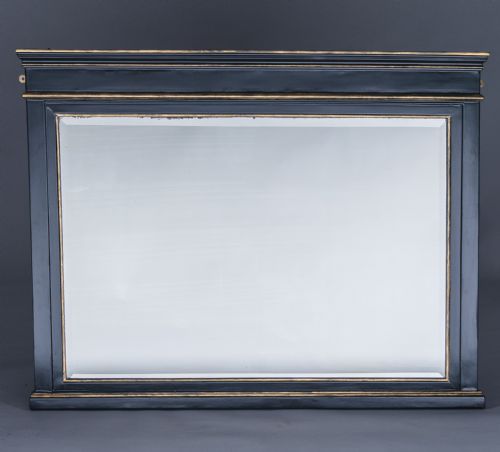
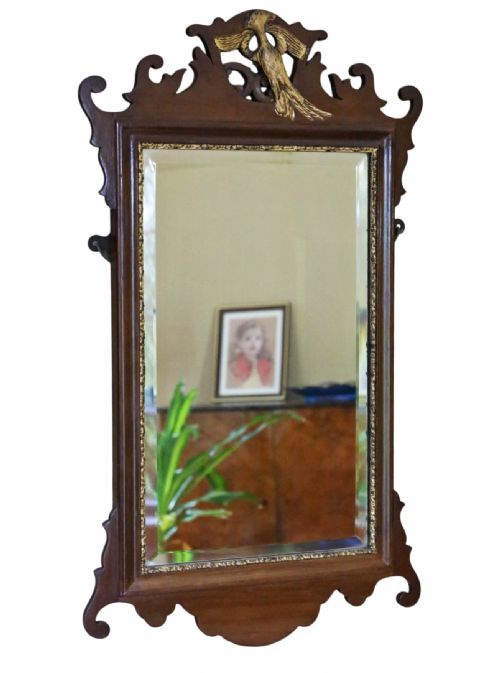
Forms span simple oval hanging frames to large overmantel mirrors and intricate fretwork wall mirrors. The selection encompasses diverse stylistic influences, from French Louis Philippe and Florentine Rococo to Aesthetic Movement and Georgian Revival.
These mirrors served both practical and decorative functions in historic interiors, placed to amplify natural daylight from windows and reflect candle or gas lighting in the evening. Their survival depends upon the resilience of the original gilt surface and the stability of the underlying wooden or gesso structure.
Materials and construction
Makers fashioned the core structures from woods such as mahogany, walnut, and plain timber, often applying a layer of gesso to build up decorative relief detail before gilding. This mixture of chalk and size provided a smooth bed for the application of gold leaf or metallic gilt finishes.
Frames frequently combine carved wooden elements with moulded gesso ornaments, particularly in ornate Victorian and French overmantel designs. Brass also appears as a primary framing material in select nineteenth-century wall hanging mirrors.
Glass panels include bevel-edged plates and margin-edged designs, sometimes accompanied by ebonised wood accents or painted highlights that contrast with the dominant gilt surface.
The listings span the nineteenth and twentieth centuries, featuring wood, gesso, brass, and mahogany materials shaped into oval, rectangular, and overmantel forms.
Assessing quality and craftsmanship
Quality rests in the crispness of the carved or moulded ornament and the depth of the gilding. Finer pieces display hand-carved wooden details or meticulously built-up gesso relief that retains sharp contours rather than blurred edges.
The integration of the mirror plate matters greatly. Superior examples utilise heavy bevel-edged glass secured properly within the rebate, showing age through natural foxing rather than crude modern replacements.
The Gilt Edge Wall Mirror Glossary
- Giltwood
- Wood that has been coated with gold leaf or a gold-coloured metallic finish. This surface treatment gives the frame its characteristic luminous metallic sheen.
- Gesso
- A plaster-like mixture applied to a wooden base to create a smooth surface for gilding or to build up raised ornamental details. It allows for intricate moulded decoration on the frame.
- Overmantel mirror
- A large horizontal mirror designed specifically to hang on the wall directly above a fireplace mantel. These pieces often anchor the decorative scheme of a principal reception room.
- Fretwork
- Thin wood cut into decorative patterns using a fretsaw, frequently seen on eighteenth-century revival mirrors. It adds delicate openwork texture to the frame profile.
- Bevel edge
- A glass plate whose outer edges are cut and polished at an oblique angle. This technique creates a prismatic border that catches and refracts light.
Gilt Edge Wall Mirror: Frequently Asked Questions
How do I hang a heavy overmantel mirror safely?
Heavy overmantel mirrors require secure fixings anchored directly into wall studs or masonry using substantial brackets. The weight must be distributed evenly to prevent strain on the antique frame joints.
Professional installation is recommended for large nineteenth-century pieces, ensuring the hanging wire or integrated D-rings can support the considerable combined weight of the wood and thick glass plate.
What is the difference between an overmantel and a wall mirror?
An overmantel mirror is traditionally wider than it is tall, proportioned specifically to sit horizontally above a fireplace opening. Standard wall mirrors are produced in various vertical, square, and oval formats for general room placement.
While both share gilt edges and reflective glass, their historical placement dictated their dimensions and framing emphasis.
Can I date a mirror by its glass?
Older glass often displays subtle imperfections, slight waviness, and natural oxidation spots known as foxing. Hand-beveled edges on nineteenth-century plates also indicate traditional polishing methods.
Replacement glass is common in antique mirrors, so inspecting the backing boards and fixings helps determine if the plate is original to the frame.