


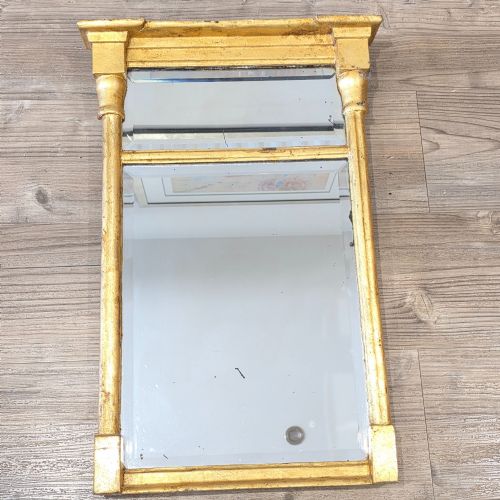
Overmantel Mirror Wood
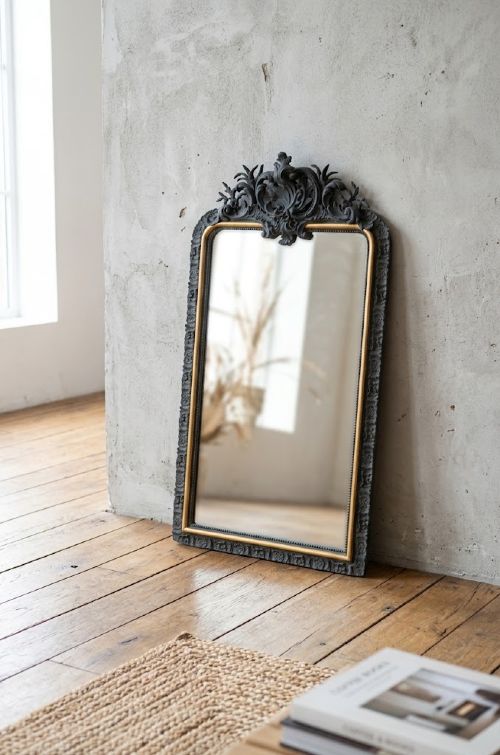
When sourcing an overmantel mirror wood frame, you are selecting a substantial architectural focal point designed to sit above a fireplace and reflect light across a room.
Overmantel Mirror Wood
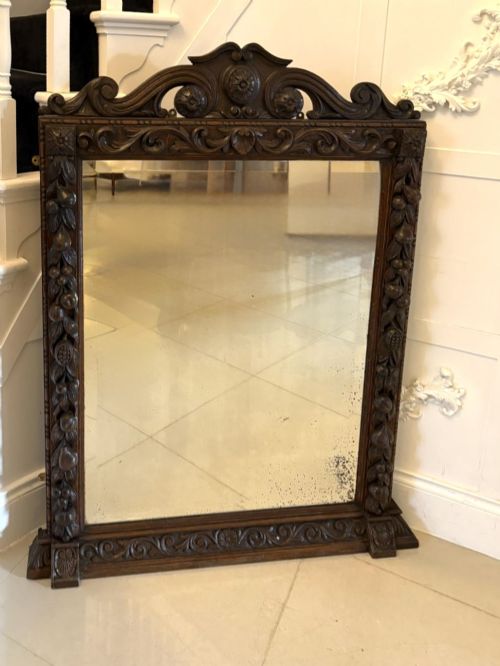
An overmantel mirror wood piece is traditionally designed for placement directly above a mantelpiece, serving as a commanding focal point in a reception room or parlour. These mirrors span numerous periods, frequently emerging from the nineteenth century in both English and French aesthetic traditions.
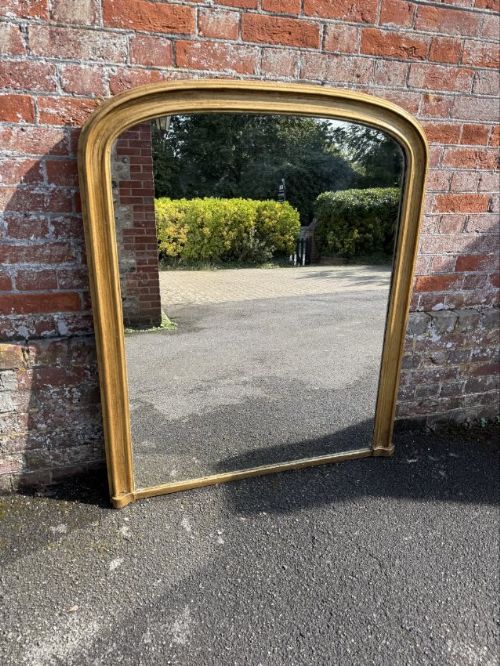
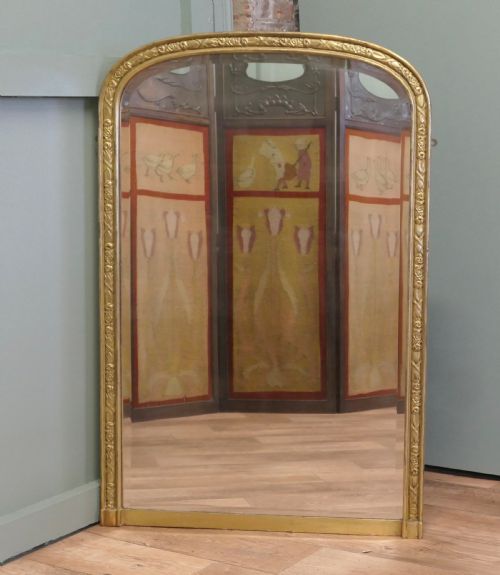
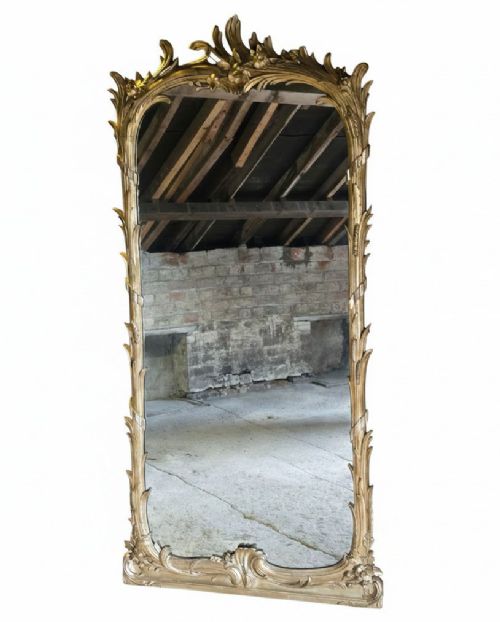
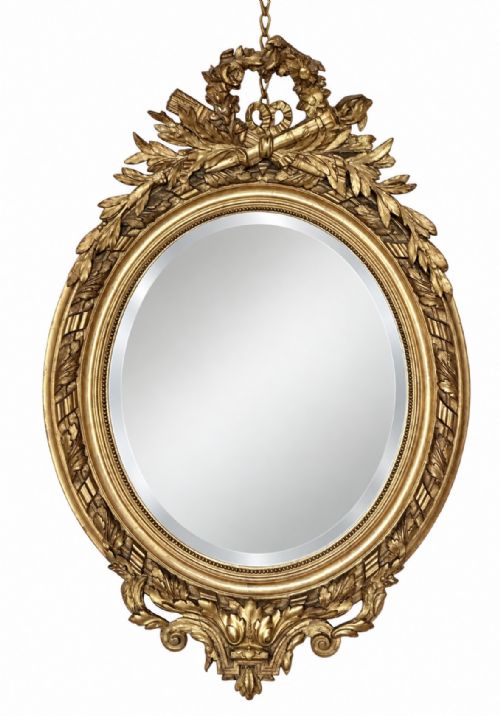
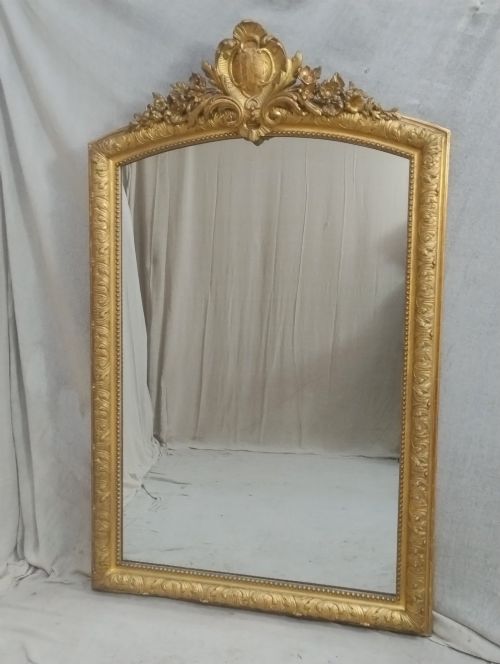
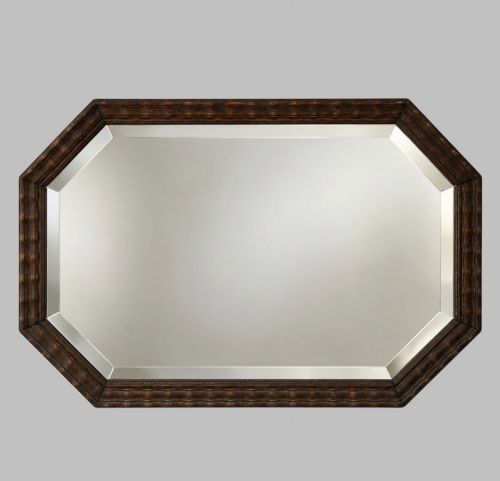
Buyers encounter various forms, including grand arched top designs, rectangular triptych plates, and ornate gilt frames featuring classical revival motifs. English and French variations dominate the selection, showing distinct regional ornamentations from the Regency, Victorian, and Edwardian eras.
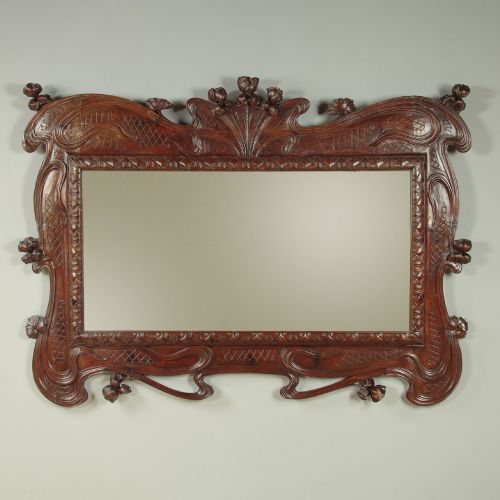
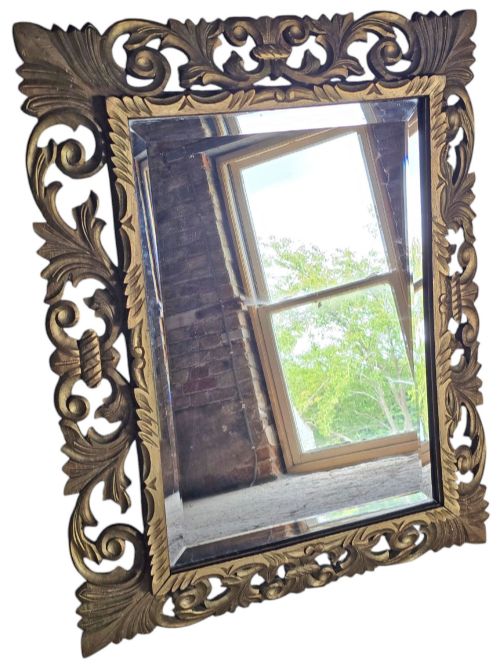
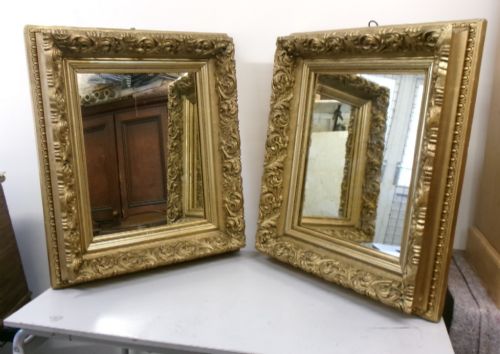
The inventory encompasses substantial architectural items intended for permanent wall hanging, utilising sturdy timber foundations such as oak, walnut, and mahogany. Many pieces integrate applied gesso ornamentation over a carved wooden base to achieve high relief detailing.
How they were made
Makers constructed the structural frames using solid timber such as oak, pine, mahogany, or walnut, joined securely to withstand heavy glass plates. Artisans then applied layers of gesso - a mixture of chalk and binder - directly onto the wooden substrate to build up elaborate three-dimensional relief carvings.
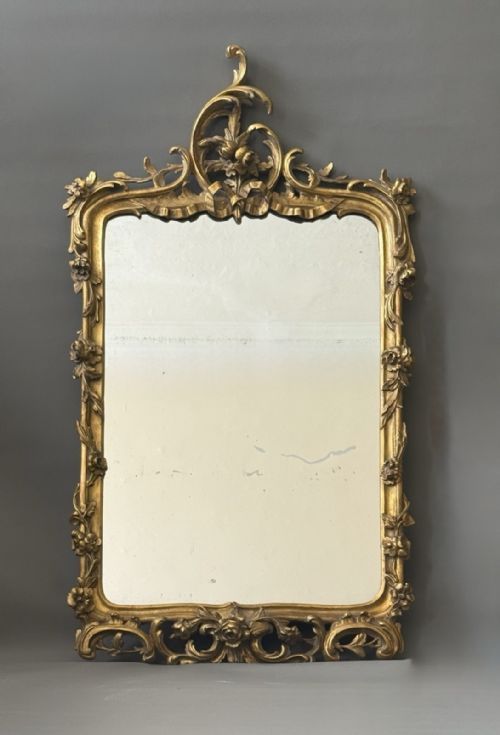
Gilding techniques involved laying thin leaves of gold onto the prepared gesso surface, often burnished to create a bright metallic finish alongside painted or ebonised wood treatments. Reflective surfaces utilise antique mirror plates, including mercury glass and early bevelled plate glass secured within the rebate.
Listings feature eighteenth-century French gilt mirrors alongside nineteenth-century Victorian carved oak and Regency mahogany overmantel designs.
What varies in quality
The depth and crispness of the carved wooden ornament distinguish superior examples from simpler production pieces, revealing the carver's direct hand. Heavy, well-proportioned frames maintain structural integrity at large scales, whereas inferior construction shows warping or brittle gesso loss.
The preservation of the original mercury or antique glass plate contributes significantly to the character of the object, alongside intact period gilding that displays natural ageing rather than unsympathetic repainting.
Waring and Gillow·E James Bruton Road London
The Overmantel Mirror Wood Glossary
- Gesso
- A prepared mixture of chalk, gypsum, and glue used as a base for moulding intricate relief decorations on wooden frames before gilding.
- Giltwood
- Timber that has been coated with fine gold leaf or gold paint, frequently utilised across decorative frames from the eighteenth and nineteenth centuries.
- Trumeau
- A decorative wall mirror or panel featuring painted scenes or carvings above the glass plate, originating in French interior design.
- Mercury glass
- A type of silvered glass produced by pouring a mercury amalgam between double-walled blown glass, creating a distinctive mottled reflection.
- Pier mirror
- A tall wall mirror specifically designed to hang on the narrow wall space between windows.
Overmantel Mirror Wood: Frequently Asked Questions
Where should an overmantel mirror be hung?
These mirrors traditionally hang centrally on the chimney breast directly above the mantelpiece shelf, anchoring the vertical space of the fireplace.
Because of their substantial weight, they require secure wall fixings anchored directly into structural brickwork rather than plaster alone.
How do I identify a nineteenth-century frame?
Nineteenth-century examples frequently feature heavy carved wood and gesso construction, often utilising red bole undercoats beneath the gold leaf.
Close inspection of the timber joints, backboards, and plate glass characteristics helps confirm the period of manufacture.
What is the difference between an overmantel and a pier mirror?
Overmantel mirrors are typically wider than they are tall or feature arched tops specifically proportioned to span the width of a fireplace mantel.
Pier mirrors are narrower and taller, designed to fit the specific wall space between two adjacent windows.
Can I clean antique mirror glass safely?
Original mirror plates, particularly fragile mercury glass, require minimal moisture and gentle cleaning to avoid damaging the silvered backing.
Using a soft dry cloth prevents moisture from seeping behind the edges of the plate and degrading the historic reflective coating.