

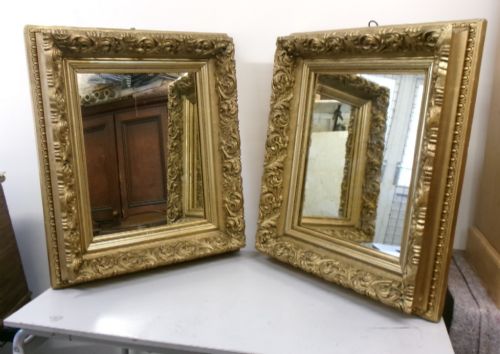


Gold Wood Wall Mirror
A gold wood wall mirror brings reflective depth and architectural warmth to a room, drawing the eye with carved gilt surfaces and period proportions.
Gold Wood Wall Mirror
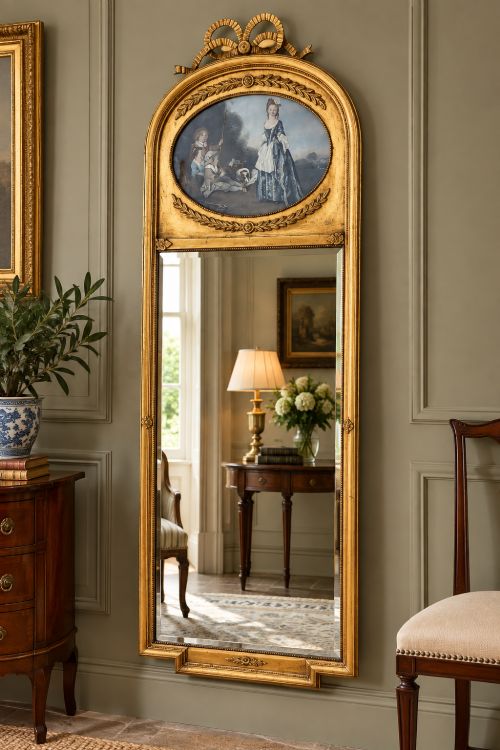
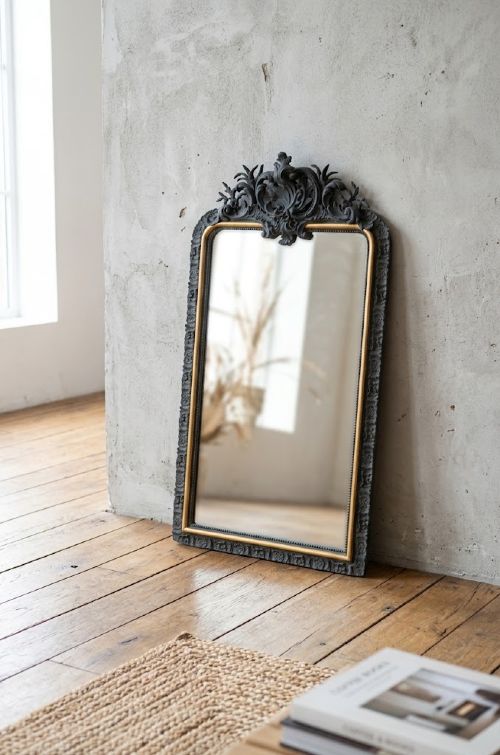
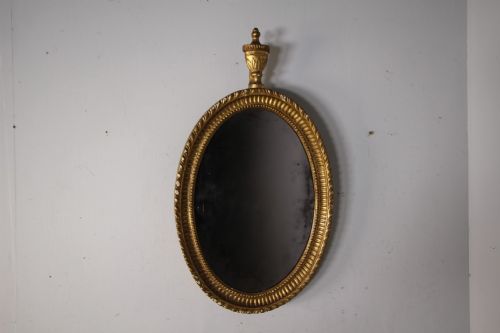
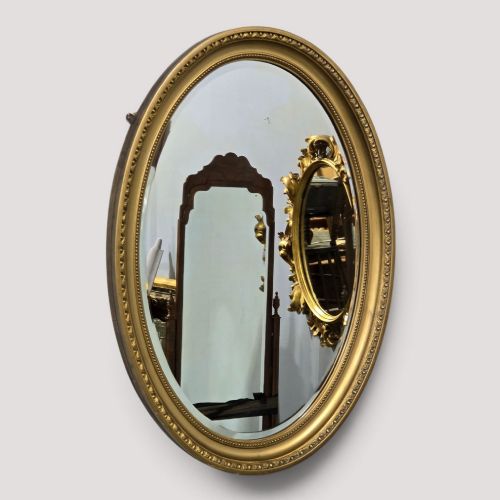
When you search for a gold wood wall mirror, you encounter a diverse array of antique forms designed to catch and amplify light within an interior. The selection ranges from compact English oval frames and convex circular glasses to monumental French overmantels and tall pier mirrors.
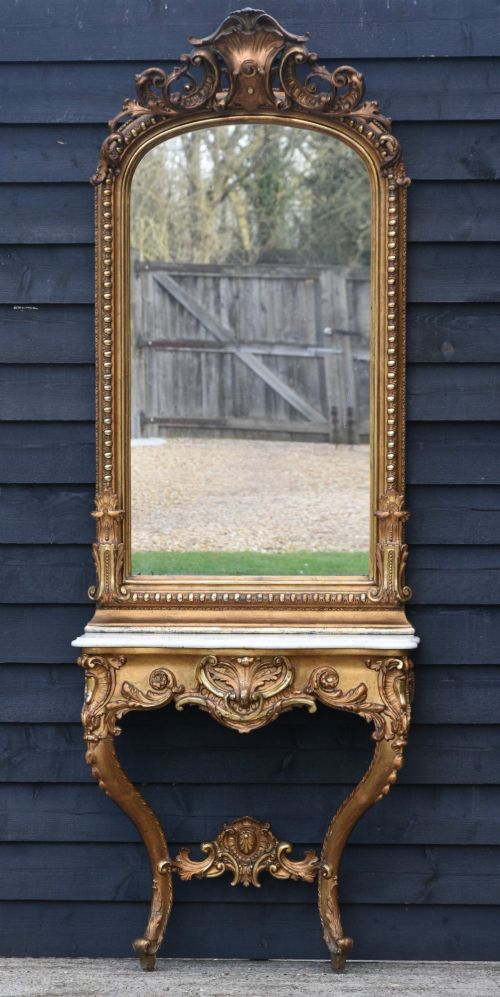
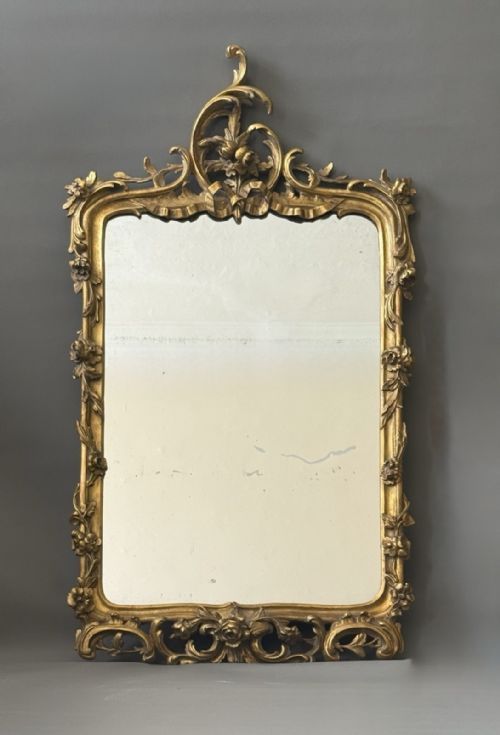
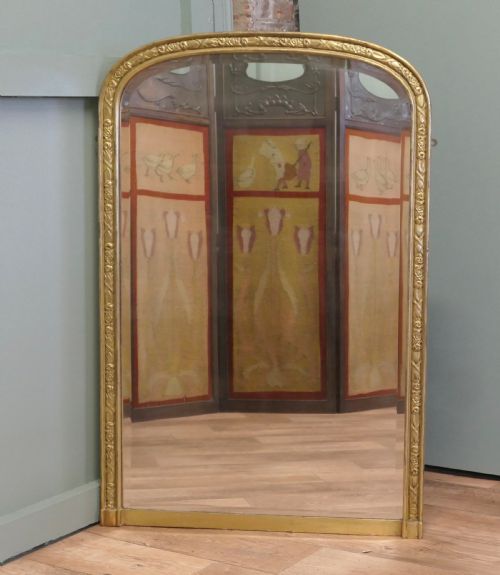
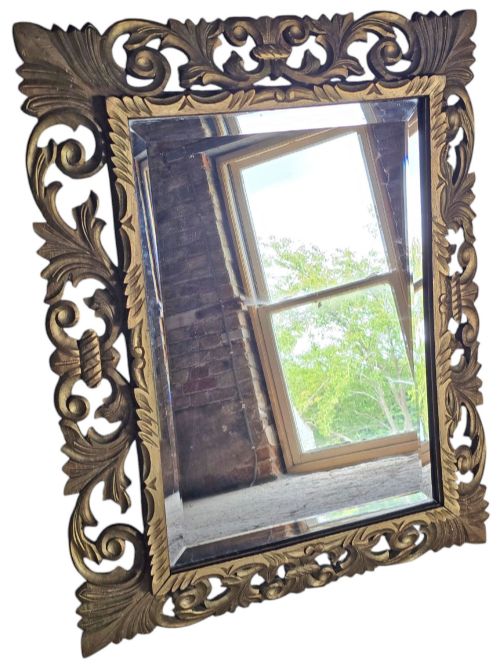
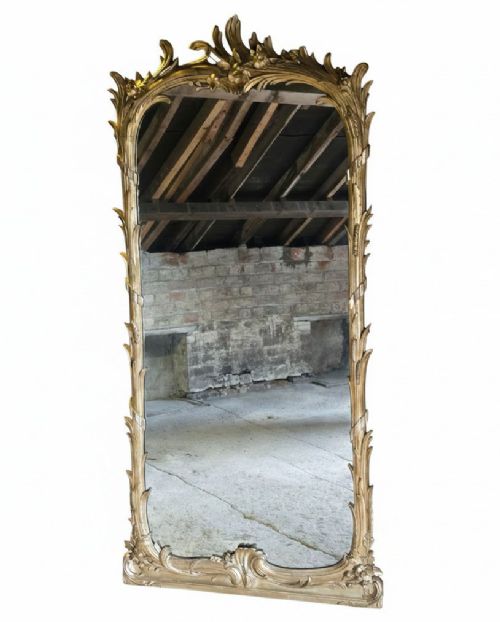
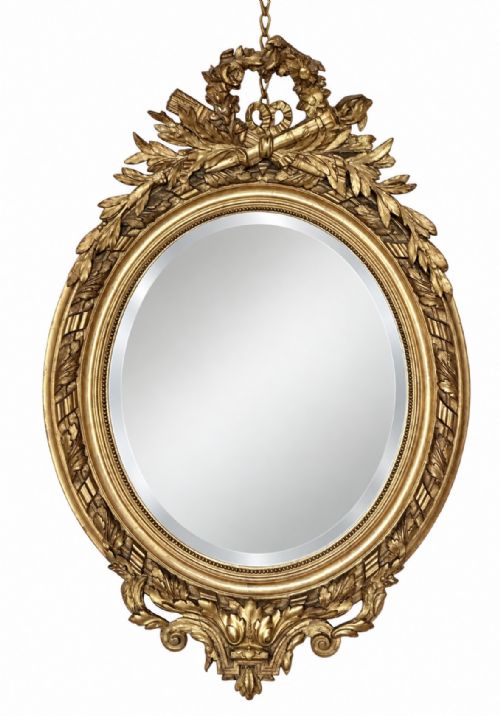
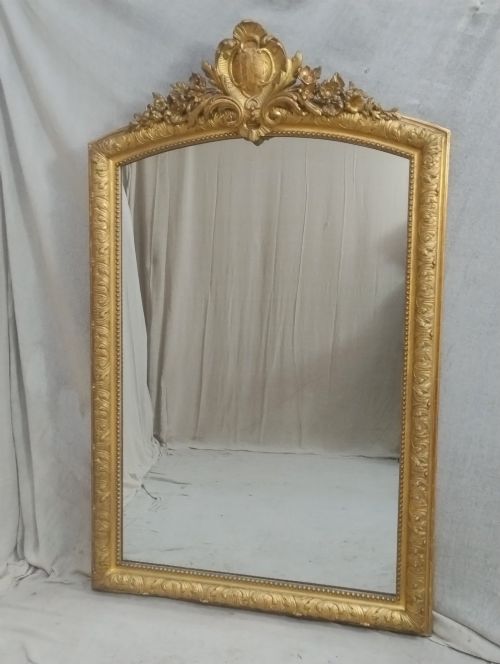
The version you are most likely to meet on this page is a nineteenth-century carved wood and gesso piece, often featuring neoclassical or rococo revival ornamentation. These mirrors frequently display arched tops, rope-twist mouldings, or elaborate acanthus leaf decoration.
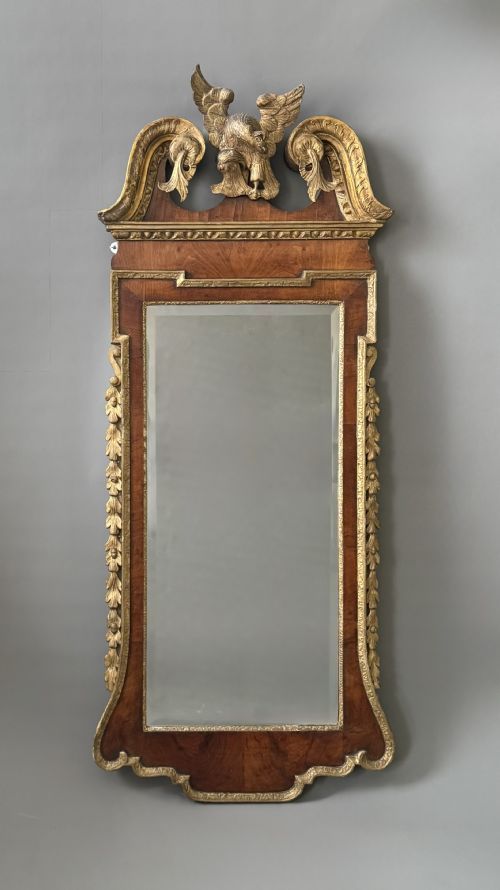
Origins span across English workshops and continental European centres, particularly France and Italy, with styles shifting from Georgian walnut and parcel gilt to ornate Victorian and Belle Époque giltwood.
How they were made
Carved timber forms the structural core of these pieces, providing a stable wooden foundation for intricate surface enrichment. Artisans shaped pine, mahogany, or walnut before applying layers of gesso to build up high-relief decorative details such as floral carvings and scrolls.
Gilding techniques involved the careful application of gold leaf or paint over the prepared gesso ground, creating a luminous metallic finish that ages with a characteristic patina. Many plates consist of silvered glass or historic mercury glass, which exhibits characteristic foxing and mottling over time.
Listings span the eighteenth, nineteenth, and early twentieth centuries, featuring materials such as giltwood, gesso, mercury glass, and carved timber.
What varies in quality
The distinction between standard examples and exceptional works lies primarily in the crispness and depth of the hand-carved ornamentation. Superior frames display undercut foliage and finely modelled gesso rather than soft, moulded composition details.
Originality of components also dictates standing, with untouched antique mirror plates and period gilding holding greater authority than later replacements. The architectural proportions and the harmony between the carved crest, the frame, and the glass plate separate ordinary items from monumental statement pieces.
The Gold Wood Wall Mirror Glossary
- Giltwood
- Wood that has been coated with gold leaf or gold paint. This finish creates a bright reflective surface that defines classical and revival mirror frames.
- Gesso
- A plaster-like mixture applied to wood frames and carved or moulded into decorative reliefs before gilding. It provides a smooth base for gold leaf.
- Overmantel Mirror
- A large horizontal mirror designed specifically to hang above a fireplace mantelpiece. These pieces often feature arched tops to fit architectural chimney breasts.
- Pier Mirror
- A tall mirror designed to hang on the narrow section of wall between two windows. They frequently coordinate with matching console tables positioned beneath them.
- Girandole
- A decorative wall mirror featuring attached candle sconces on the frame. The polished glass and gilt surface reflect the candlelight to brighten dark rooms.
- Mercury Glass
- Silvered glass produced using a double-walled blowing technique with a mercury amalgam. It develops characteristic dark spots and foxing over centuries.
Gold Wood Wall Mirror: Frequently Asked Questions
How do I hang a heavy antique mirror safely?
Large giltwood frames require secure attachment directly into wall studs or masonry using heavy-duty brackets suited to the weight of the timber and glass.
Consult a professional installer to assess the wall structure and ensure the hanging wire or integrated mirror plates support the load permanently.
What is mercury glass?
Mercury glass is an early type of silvered mirror plate created by pouring a liquid silver-mercury mixture between double-walled blown glass.
Over decades, chemical breakdown causes the reflective backing to mottle and develop characteristic dark patches known as foxing.
How do I clean antique giltwood frames?
Dust giltwood frames gently using a very soft, dry brush to remove surface particles without disturbing fragile gesso or gold leaf.
Avoid liquid cleaners, modern detergents, or abrasive cloths, as moisture and friction easily damage historical water gilding.
How do I date an antique mirror?
Dating relies on examining the construction of the wooden backboards, the method of joinery, and the bevel or flatness of the glass plate.
Stylistic cues such as acanthus leaf carvings, rope-twist borders, and crest details further connect the piece to specific periods like the Regency or Victorian eras.