
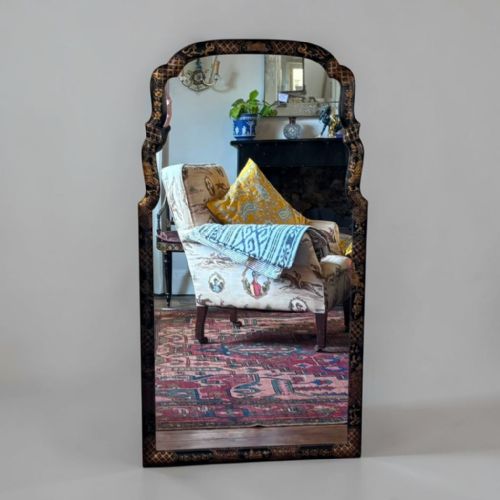
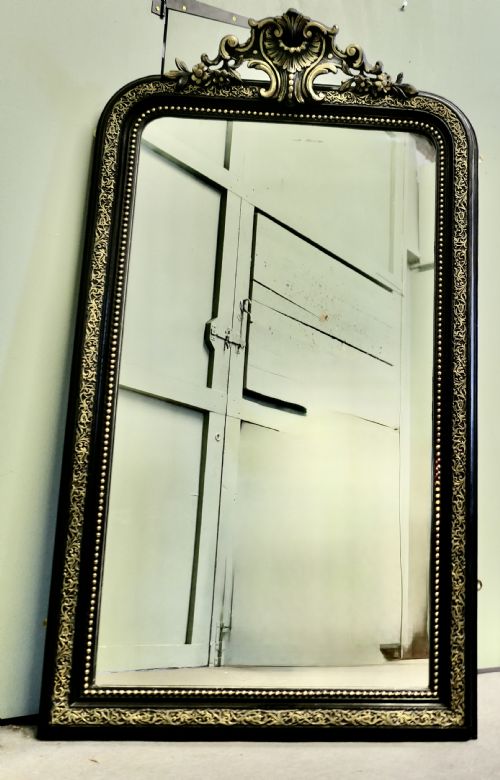
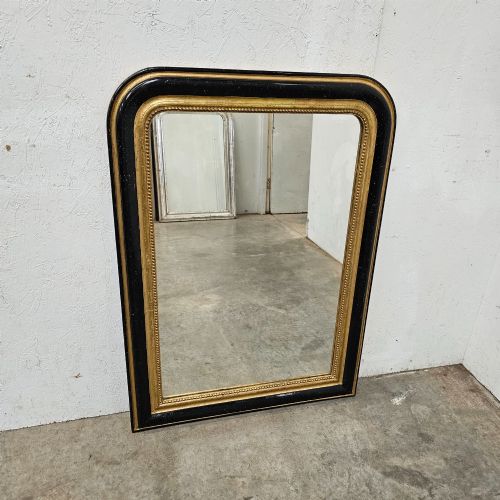
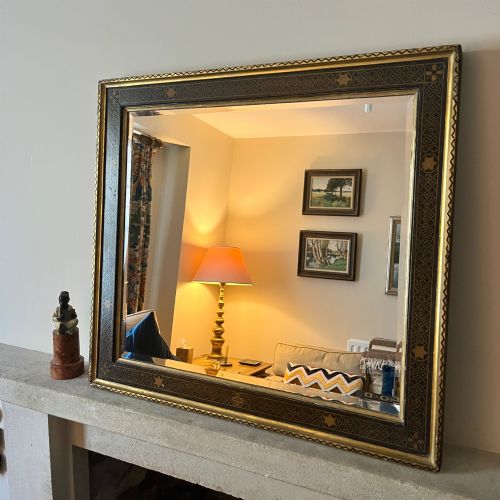

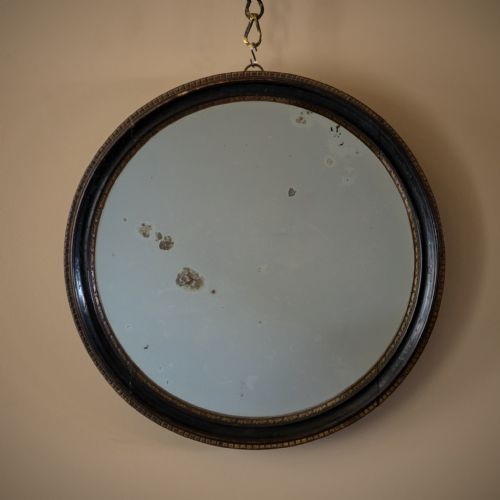


Black Gilt Frame Mirror
A black gilt frame mirror brings dark contrast and bright metallic detail to a room, drawing the eye with rich Victorian and nineteenth-century character.
Black Gilt Frame Mirror
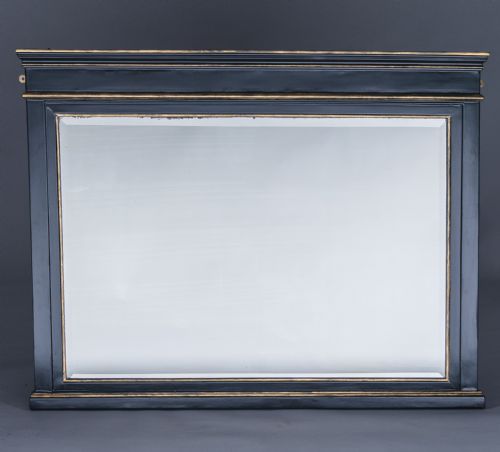
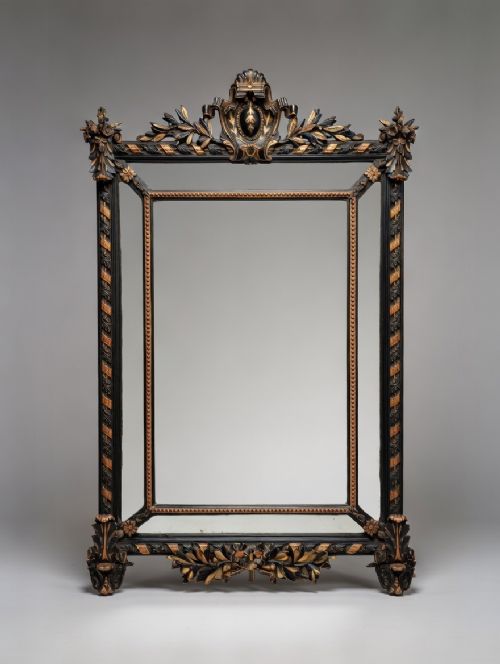
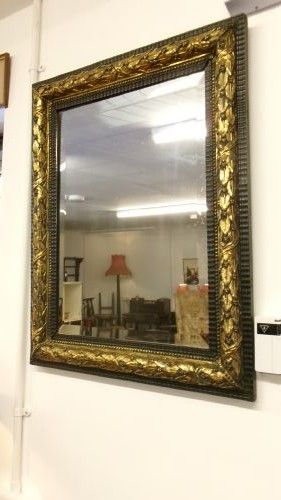
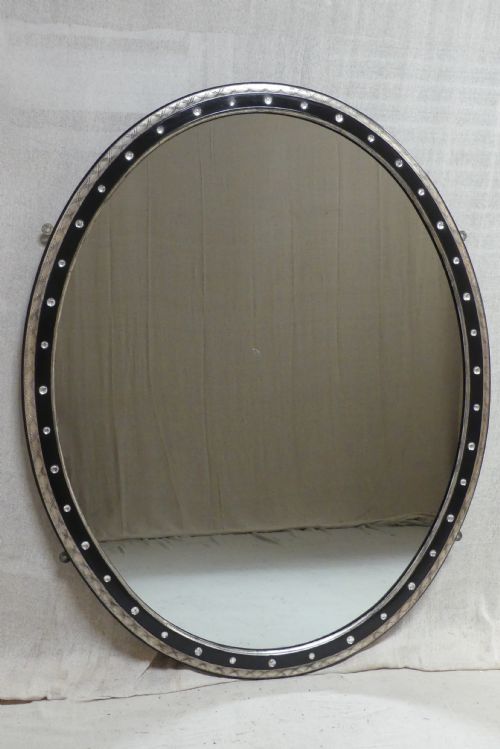
When searching for a black gilt frame mirror, buyers encounter a variety of forms designed to hang on walls or sit above mantelpieces. The selection on this page centres heavily on nineteenth-century overmantle and wall mirrors, alongside lighter Edwardian chinoiserie pieces and French Napoleon III designs.
The assortment spans substantial architectural overmantles intended for the principal room of a house, as well as smaller oval and pier mirrors. Ebonised finishes combined with parcel gilt highlights dominate the offerings, creating a distinct visual interplay between dark wood and gold leaf.
How they were made
Frames rely on timber foundations shaped with carved wood, gesso, or applied composition ornaments. Artisans then ebonised the wooden surfaces to achieve a dense black tone, often using paint, lacquer, or blackened finishes.
Gilding was applied using gold leaf or metal gilt to highlight carved details, mouldings, and raised motifs. Mirror glass within these frames ranges from flat plates to convex or cushion forms, occasionally showing the gentle distortions of age.
Listings feature eighteenth, nineteenth, and early twentieth-century pieces, spanning Regency, Victorian, Edwardian, and Napoleon III styles.
What varies in quality
Quality reveals itself in the depth of the carving and the crispness of the gesso work beneath the gilding. Superior examples display hand-carved wooden details and precise application of gold leaf rather than heavy, uniform modern paints.
The preservation of the original ebonised surface and the integrity of the mirror glass contribute significantly to the character of a piece. Finer frames maintain their structural joinery without excessive shrinkage or loss to the decorative mouldings.
The Black Gilt Frame Mirror Glossary
- Ebonised
- Wood treated with a stain, dye, or paint to imitate ebony. This dark finish provides a stark background for gilded details.
- Parcel-gilt
- Partially gilded, leaving portions of the underlying wood or ebonised surface exposed. This technique creates contrast between the dark frame and the bright gold highlights.
- Overmantle
- A large mirror designed to sit directly above a fireplace mantel. These pieces often feature horizontal proportions to span the width of the hearth.
- Gesso
- A plaster-like mixture applied to wood frames to create a smooth surface for carving and gilding. It allows for intricate relief ornamentation.
- Chinoiserie
- A European decorative style reflecting Chinese artistic influences. It frequently appears on black lacquered frames with painted gold motifs and figures.
Black Gilt Frame Mirror: Frequently Asked Questions
Where should I hang a large overmantle mirror?
Traditionally, these mirrors sit securely on the wall above a fireplace mantel to reflect light and anchor the room. They also function effectively on main reception room walls opposite a window.
Ensure the wall fixings match the substantial weight of these wood and gesso frames. Professional installation is advisable for larger nineteenth-century overmantle pieces.
How do I clean an antique ebonised and gilt frame?
Dust the frame gently with a soft, dry brush to remove surface particles. Avoid liquid cleaners, moisture, and chemical polishes that can damage fragile gold leaf or ebonised finishes.
Take care around areas of gesso and carved detail where the surface layer may be thin or brittle. Gentle maintenance preserves the historic character of the piece.
What is the difference between a pier mirror and an overmantle mirror?
Pier mirrors are tall and narrow, traditionally hung on the stretch of wall between two windows. Overmantle mirrors are broader and wider to suit the proportions of a fireplace.
Both types utilise black and gilt frames during the nineteenth century, but their dimensions dictate their original architectural placement in a period interior.
How can I identify a Victorian ebonised mirror?
Victorian examples often feature dense ebonised wood combined with parcel-gilt mouldings, heavy gesso ornamentation, and bevelled or silvered mirror plates. Stylistic cues include Aesthetic Movement motifs or classical architectural elements.
Examine the construction of the backboards and fixings for signs of age, such as hand-cut screws or traditional joinery methods consistent with the nineteenth century.