




Gold Ebonised Frame
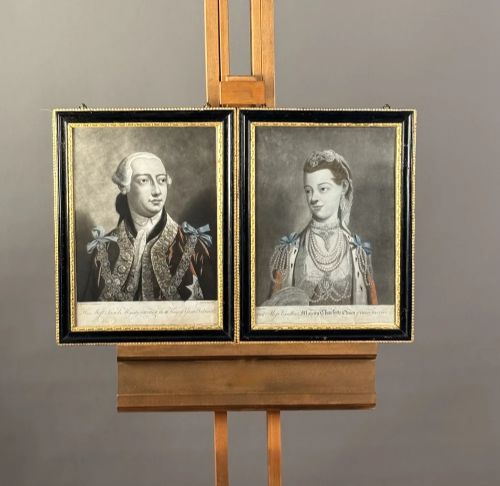
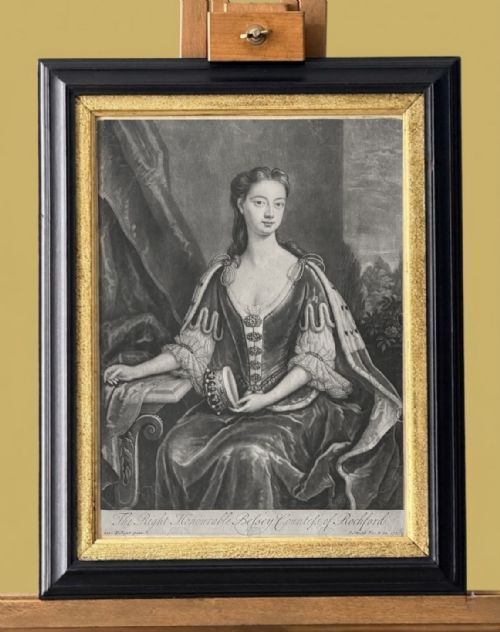
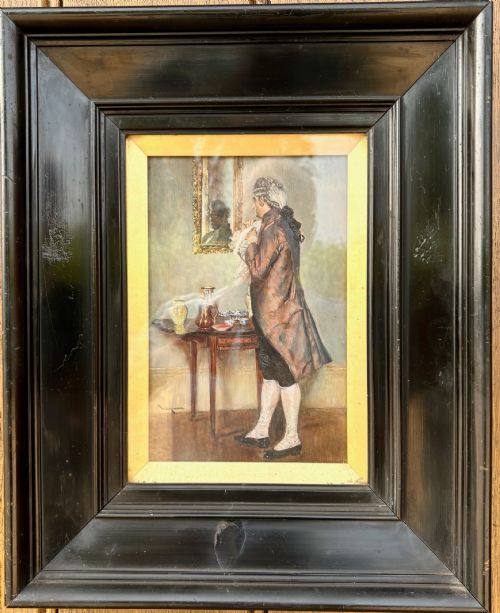
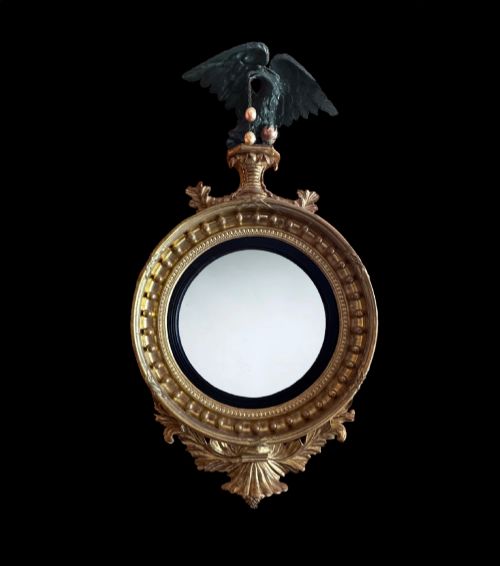
A gold ebonised frame delivers sharp contrast through blackened wood set against brilliant gilding, housing everything from convex wall mirrors to oil paintings.
Gold Ebonised Frame
A gold ebonised frame combines a dark, blackened wooden surface with bright gilding or parcel-gilt details, creating a striking optical border that draws the eye toward the artwork or mirror plate within. Buyers searching for a gold ebonised frame will encounter pieces spanning the Georgian, Regency, and Victorian periods, alongside later nineteenth-century examples.
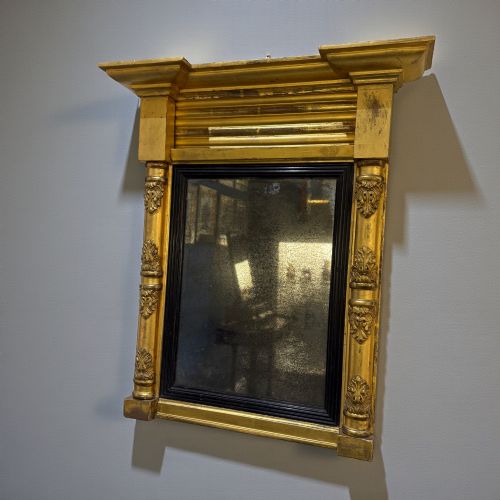
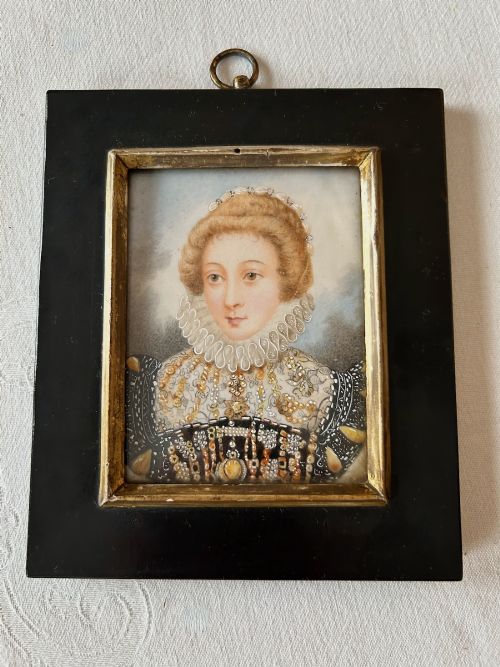
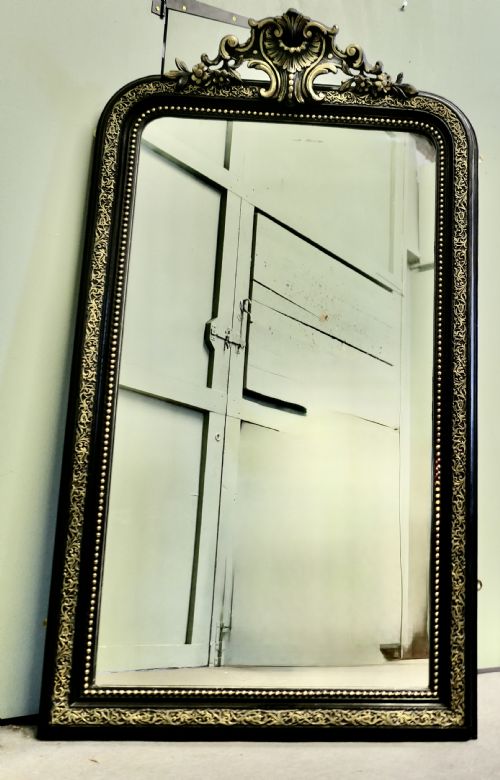
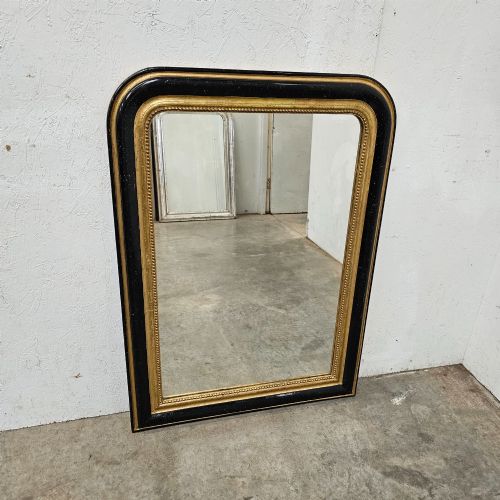
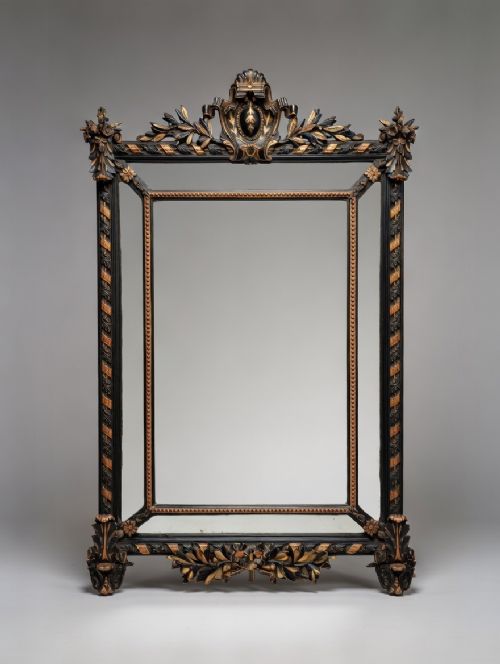
The forms range from large overmantle and arch top wall mirrors to smaller oval mirrors and framed oil paintings or portrait miniatures. Victorian and nineteenth-century makers frequently employed this finish to frame mirrors and artworks, producing both cushion mirrors and parcel-gilt rectangular or oval shapes.
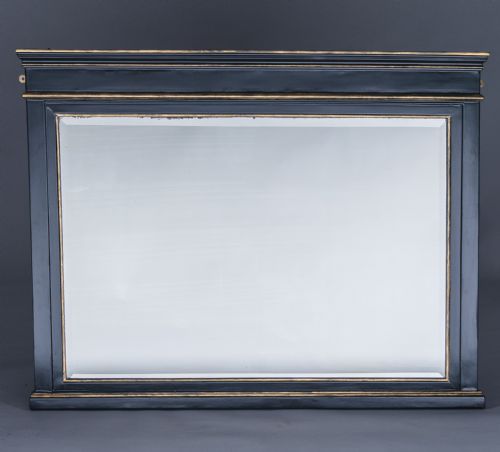
Within these listings, the most common versions are nineteenth-century wall mirrors and overmantle mirrors combining ebonised wood with gilt highlights. These pieces bring architectural weight and rich tonal contrast to an interior, functioning as focal points above mantelpieces or along principal walls.
How they were made
The foundation of a gold ebonised frame is typically timber, such as wood or carved wood, which was treated to imitate expensive ebony through staining or chemical darkening. Gesso was frequently applied to the wooden base to create a smooth, prepared surface for subsequent decoration.
Gold leaf or gilt was then applied in targeted areas as parcel-gilt highlights, catching the light against the matte black ebonised ground. Glass, including mirror glass, was fitted to the interior rebates of these frames to complete mirrors and convex plates.
A portrait of Mary, Queen of Scots shares wall space with convex porthole mirrors and farm landscape oil paintings.
What varies in quality
The quality of a gold ebonised frame rests upon the crispness of the carved wood details and the application of the gesso beneath the gilding. Superior examples display sharply defined mouldings and ornaments that retain their depth beneath successive layers of finish.
The harmonious balance between the dense black ebonised surface and the warm metallic gleam of the gold leaf or gilt determines the visual success of the piece. Finer frames maintain a deliberate proportion where neither tone overwhelms the other.
Henri Fradelle·John Smith·W.D. Almond·James de Rijk·Hans Temple
The Gold Ebonised Frame Glossary
- Ebonised Wood
- Timber treated with stain, dye, or polish to replicate the dark, dense appearance of natural ebony. This technique became widely popular during the nineteenth century for furniture and decorative frames.
- Parcel-Gilt
- A method of decoration where only specific portions of an object are gilded with gold leaf, leaving the underlying material exposed elsewhere. On these pieces, gilt highlights typically accent carved details against a black background.
- Gesso
- A plaster-like mixture applied to wood frames to provide a smooth, uniform surface for gilding. It allows carvers to achieve fine, crisp details before the gold leaf is laid down.
- Overmantle Mirror
- A large mirror designed specifically to be hung on the wall directly above a fireplace mantel. These pieces frequently feature substantial ebonised and gilt wooden frames.
- Convex Mirror
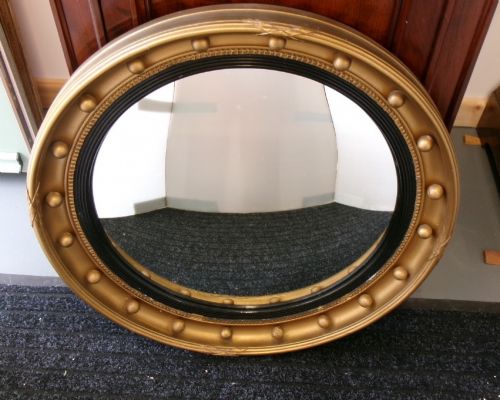
- A circular mirror with a curved, outward-bulging glass plate that reflects a wide, panoramic field of view. They are often framed in gilded or ebonised wood with decorative balls or reeded bezels.
Gold Ebonised Frame: Frequently Asked Questions
What periods do these frames come from?
The pieces listed span the Georgian, Regency, and Victorian eras, with a strong representation of nineteenth-century craftsmanship.
Maker dates and specific decades such as the 1860s, 1880s, and 1890s also appear, showing how the black and gold aesthetic evolved over time.
How were these frames used originally?
These frames served to highlight important domestic objects, functioning primarily as wall mirrors, overmantle mirrors, and enclosures for oil paintings or portrait miniatures.
Placed in principal rooms, their dark and reflective surfaces were designed to catch ambient light and command attention.
Where should I hang an overmantle mirror?
An overmantle mirror is traditionally hung on the chimney breast directly above a fireplace, where it anchors the room and reflects light from windows.
Because of their substantial scale, these frames require secure wall fixings suited to the weight of the timber and glass.
What is the difference between giltwood and ebonised?
Giltwood refers to frames carved from wood and covered entirely in gold leaf, creating a uniformly bright and reflective surface.
Ebonised frames use blackened wood to create a dark, matte finish, which is often combined with gilt highlights in parcel-gilt designs.