
Gilt Dial Clock
These pieces combine polished metal faces with mechanical timekeeping, offering a traditional centrepiece for a mantel or desk when you choose a gilt dial clock.
Gilt Dial Clock
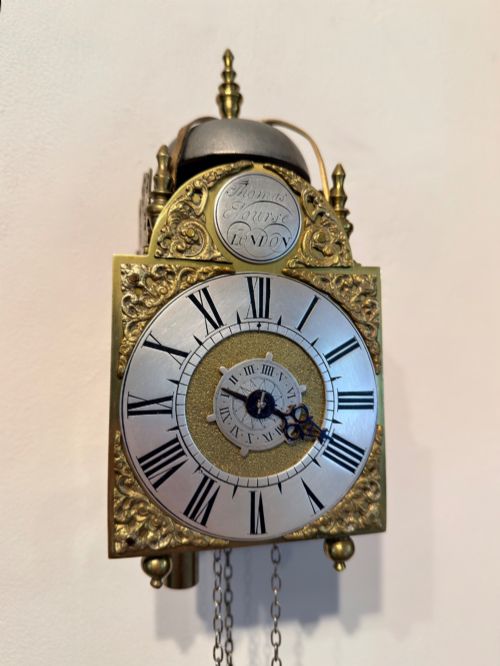
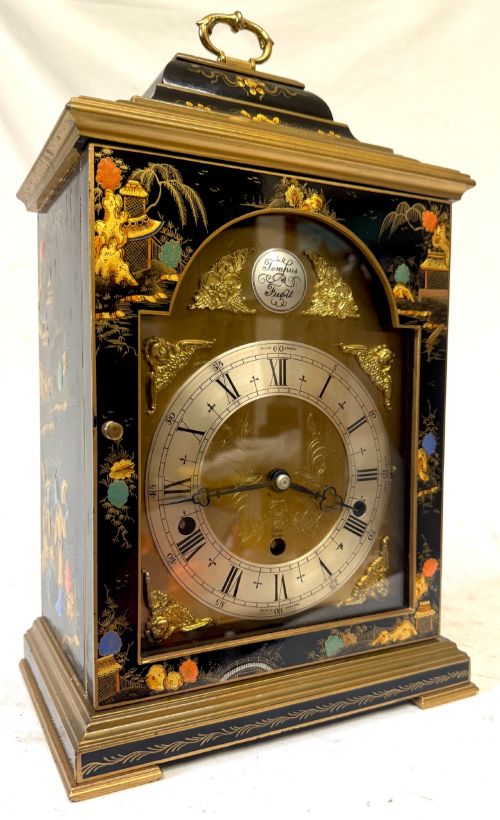
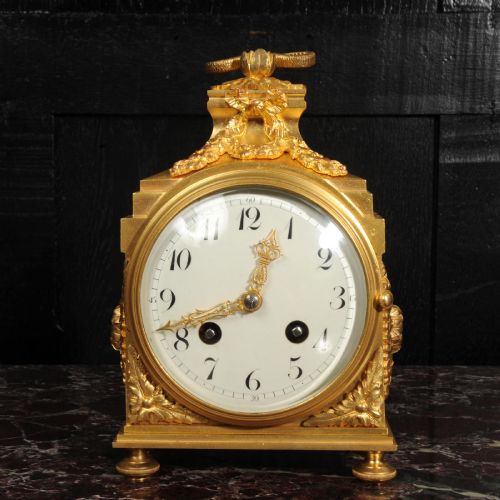
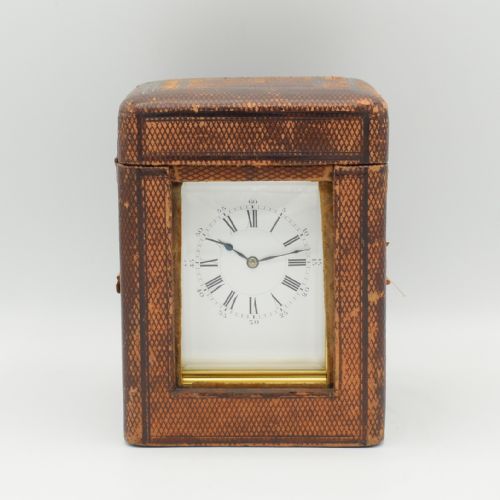
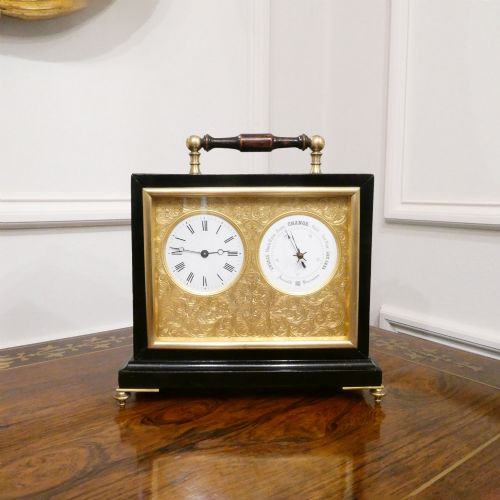
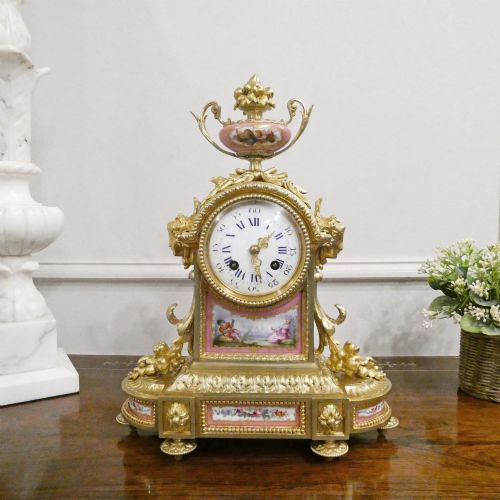
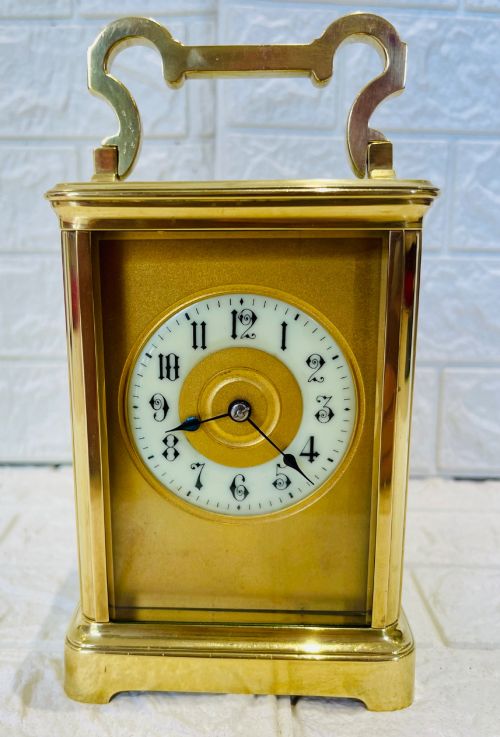
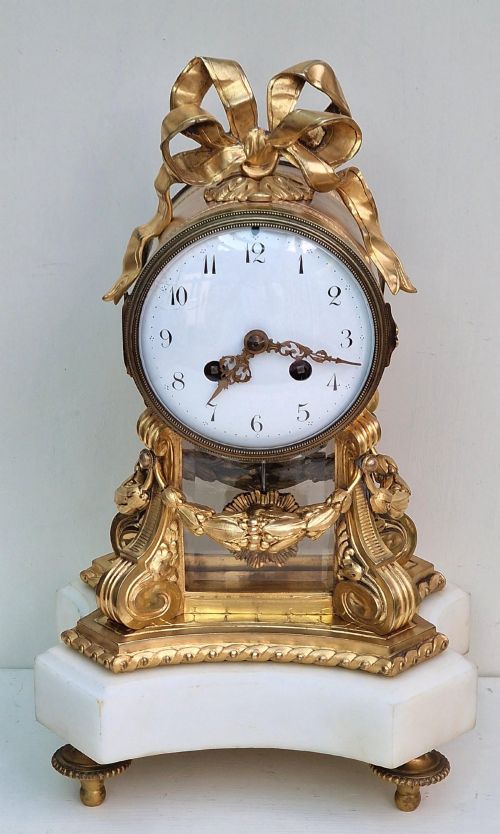
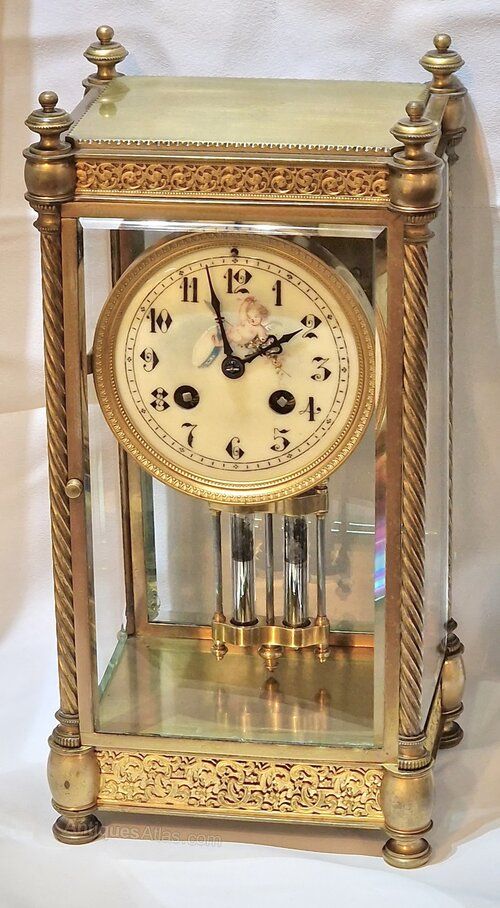
A gilt dial clock encompasses a wide variety of timepieces featuring metallic golden faces, spanning mantel clocks, carriage clocks, wall clocks, and longcase clocks. You will encounter nineteenth-century French carriage clocks and Victorian mantel pieces most frequently on this page, alongside occasional Georgian wall pieces and later twentieth-century examples.
The forms range from compact travel clocks in brass cases to substantial marble, porcelain, and bronze mantel clocks designed for domestic display. These objects serve both practical timekeeping and decorative roles within a room, reflecting the varied tastes of nineteenth and twentieth-century makers across Britain, France, and Switzerland.
How they were made
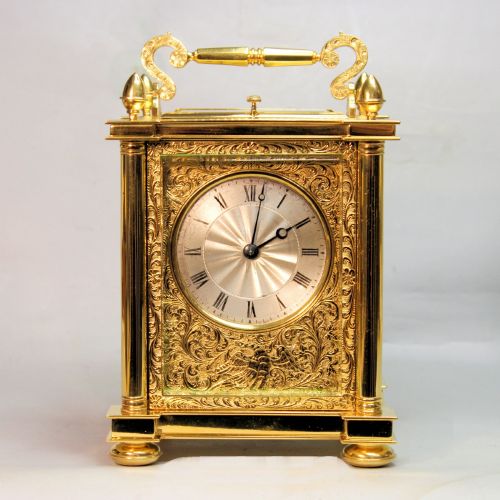
Makers constructed these clocks using brass, gilt bronze, ormolu, and silvered metal, often housing the movements within glass panels, mahogany, oak, marble, or tortoiseshell cases. Many faces feature engraved details, enamel accents, or champlevé enamel work alongside hand-painted decorations.
Movements rely on mechanical gear trains, including fusee, repeating, and striking mechanisms developed by specialised workshops and prominent makers. Cases incorporate cast metal ornaments, carved wood, and glazed doors to showcase the interior mechanics and decorative dials.
Gilt Dial Clock Retail Price Guide 2026
Typical asking prices for gilt dial clock among the pieces listed under this phrase on Sellingantiques today, from the lower quarter to the upper quarter. They describe what is for sale here now, not the wider market.
Listings feature periods from the eighteenth century through the 1960s, with nineteenth-century French carriage clocks and Victorian mantel pieces appearing most frequently.
What varies in quality
The distinction between standard and superior pieces rests on the crispness of the cast bronze or brass ornamentation, the depth of the gilding, and the refinement of the dial engraving. Maker attribution, such as signed movements by known French or English horologists, elevates a piece significantly.
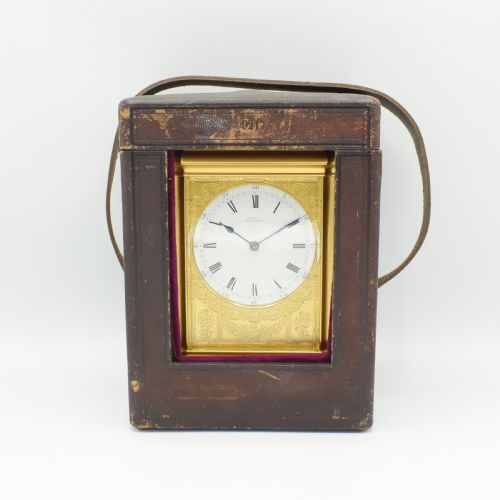
The complexity of the movement, including repeating strikes, musical functions, and multi-train mechanisms, separates ordinary timepieces from higher-tier examples. Preserved original travel cases, clean enamel work without hairline cracks, and fully intact mercurial or spring components also define the upper tier of the range.
Cousens And Whiteside·Henri Jacot·Japy Freres·Howell And James·Tiffany·Morse London·Robert A Paris
The Gilt Dial Clock Glossary
- Ormolu
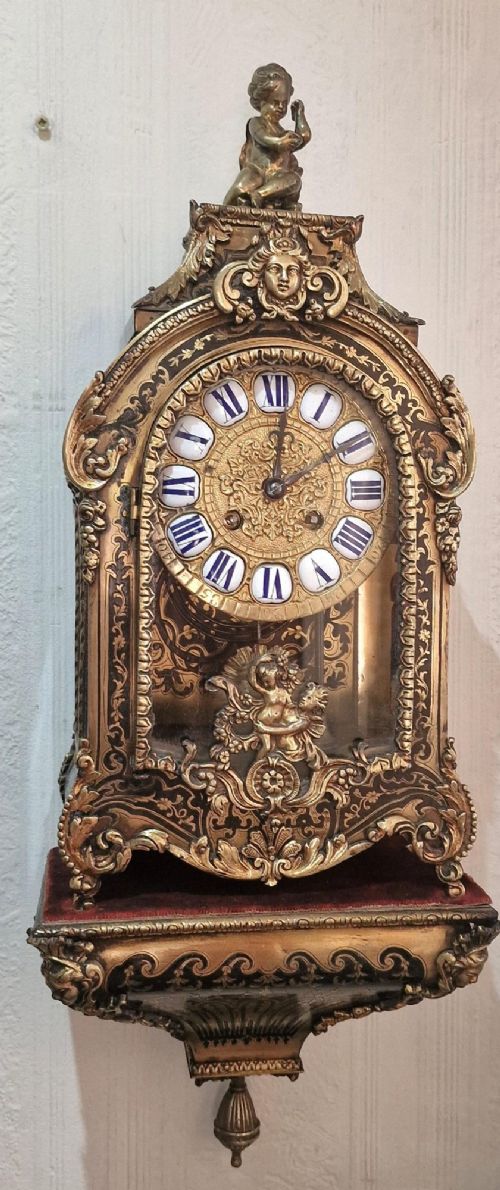
- Gilded bronze applied to clock cases and decorative mounts. This technique creates a rich golden finish popular in French nineteenth-century design.
- Fusee
- A conical pulley used in mechanical clocks to maintain even tension on the gear train as the mainspring unwinds. This mechanism improves timekeeping accuracy over the duration of the wind.
- Carriage clock
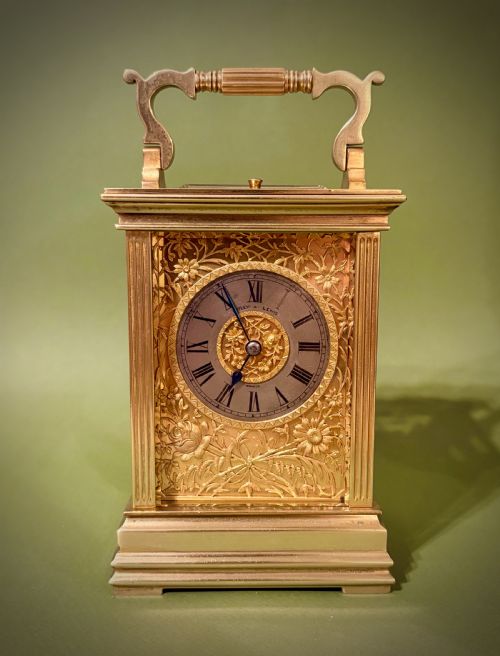
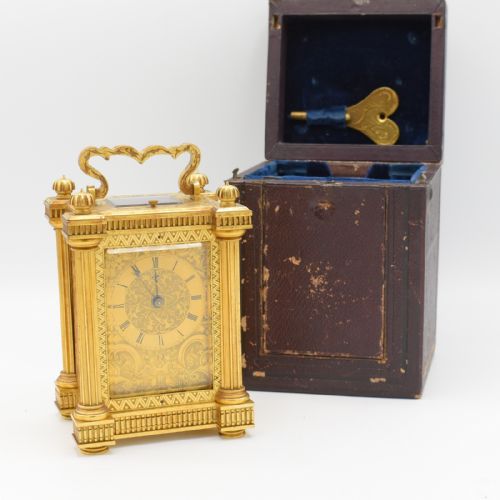
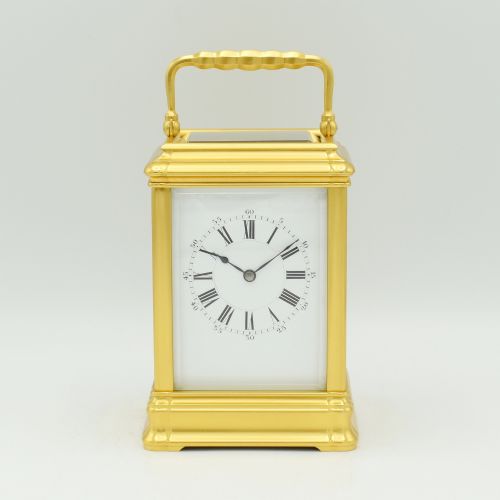
- A portable spring-driven timepiece fitted with a carrying handle, originally designed for travel. These pieces frequently feature glass panels and gilt brass frames.
- Grand Sonnerie
- A complex striking mechanism that chimes the hours and quarters automatically on the passage of time. Such movements represent advanced horological skill.
- Champlevé
- An enamelling technique where troughs are dug into a metal surface and filled with vitreous paste before firing. This method produces intricate coloured patterns around the dial.
Gilt Dial Clock: Frequently Asked Questions
How do I wind a carriage clock?
Most carriage clocks use a dedicated winding key inserted into the arbour at the back or base of the movement. Turn the key gently until you feel resistance, taking care not to overwind the mainspring.
Ensure you handle the clock by its case rather than the handle if the handle is hinged loosely. Regular gentle winding keeps the mechanical gear train operating smoothly without straining the spring.
How do I care for marble and gilt cases?
Dust the exterior surfaces regularly with a soft, dry lint-free cloth to prevent dirt accumulation in the engraved details and recesses. Avoid commercial chemical polishes which can strip the gilding or damage the stone.
Keep the clock away from direct sunlight and damp environments to protect the metal finish and any delicate interior wooden elements.
How do I distinguish French and English pieces?
French clocks from the nineteenth century often feature platform escapements, decorative ormolu mounts, and signature plaques from makers like Henri Jacot or Japy Freres. Their styling frequently leans towards Rococo revival or Louis XVI designs.
English pieces more commonly employ fusee movements housed in substantial wooden or brass cases, bearing signatures from London horologists on the dial or backplate.