



Gilt Decorated Porcelain
Gilt decorated porcelain brings together centuries of fine ceramic artistry and rich metallic embellishment, offering collectors everything from Georgian tableware to Meiji period Japanese vases.
Gilt Decorated Porcelain
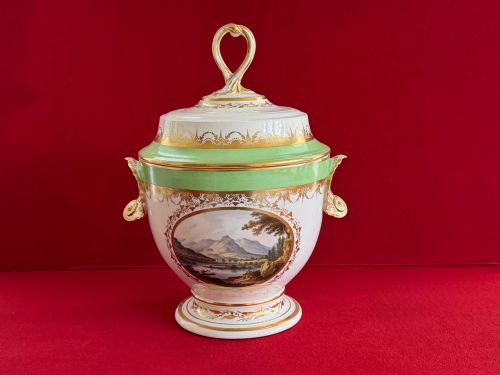
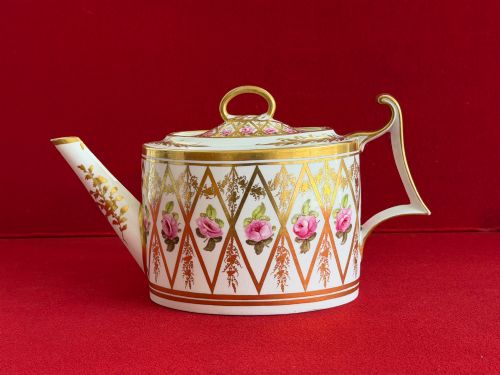
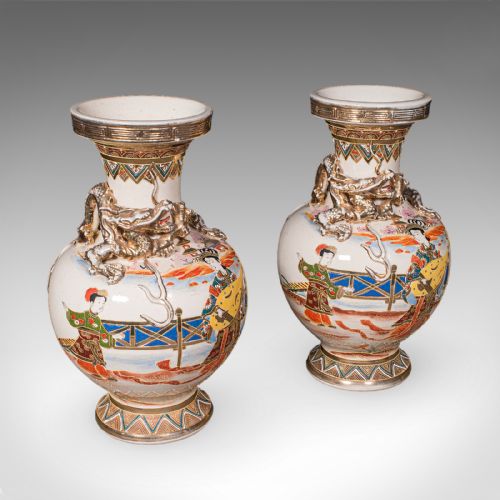
When you examine gilt decorated porcelain, you encounter a broad spectrum of functional and decorative ceramic forms spanning the eighteenth, nineteenth, and early twentieth centuries. The selection encompasses English tea wares, cabinet plates, and large garnitures alongside continental urns and Japanese Satsuma ceramics.
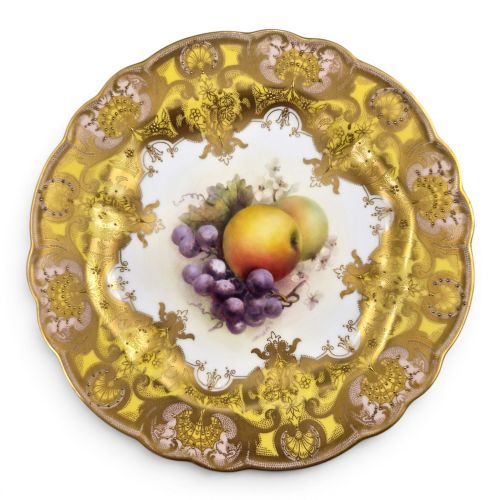
You are most likely to meet nineteenth-century English works from factories such as Royal Worcester and Spode, alongside Japanese Satsuma pieces featuring elaborate cobalt and gold highlights. Forms range from ice pails and cream tureens to delicate cabinet plates painted with fruit and birds.
How they were made
The creation of these objects relies on the combination of a fine ceramic body - whether porcelain, bone china, or earthenware - with intricate hand-painting and gold leaf application. Artisans utilised enamels and glazes to build rich colour grounds before applying gilding by hand.
Techniques varied across traditions, with European factories employing skilled painters such as Thomas Lowe or George Robertson to decorate porcelain surfaces, while Japanese Satsuma studios utilised raised moriage details alongside delicate gold work.
Listings feature porcelain from the eighteenth, nineteenth, and twentieth centuries, incorporating materials such as enamel, bone china, and gold leaf.
What varies in quality
The distinction between standard production and the highest grade of gilt decorated porcelain lies in the precision of the hand-painting and the depth of the gilding. Master decorators working at prominent kilns achieved exceptional fineness in botanical, figurative, and avian scenes that elevate a simple vessel to a masterwork.
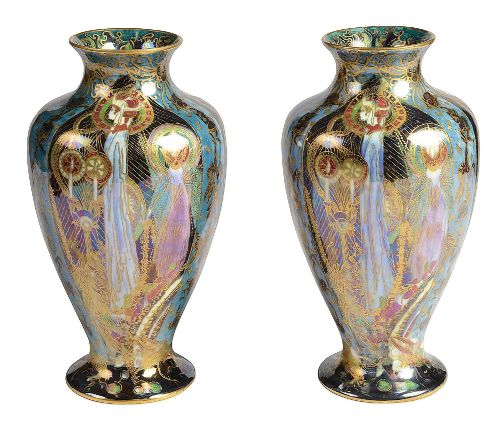
The ambition of the form also dictates quality, separating routine domestic items from exhibition pieces such as large baluster vases, pedestal urns, and matched garnitures designed for prominent display.
Royal Worcester·Spode·Flight Barr and Barr·Minton·Wedgwood·Müller Volkstedt
The Gilt Decorated Porcelain Glossary
- Gilding
- The application of gold leaf or gold paint to ceramic surfaces for decorative enrichment. This technique defines the visual character of the pieces.
- Moriage
- A type of raised slip decoration used extensively on Japanese Satsuma pottery to create textured floral or figurative details. It often appears beneath or alongside rich gilding.
- Garniture
- A matched set of three or more vases or urns designed to be displayed together on a mantelpiece or sideboard. They are frequently found in eighteenth and nineteenth-century ceramic traditions.
- Cabinet plate
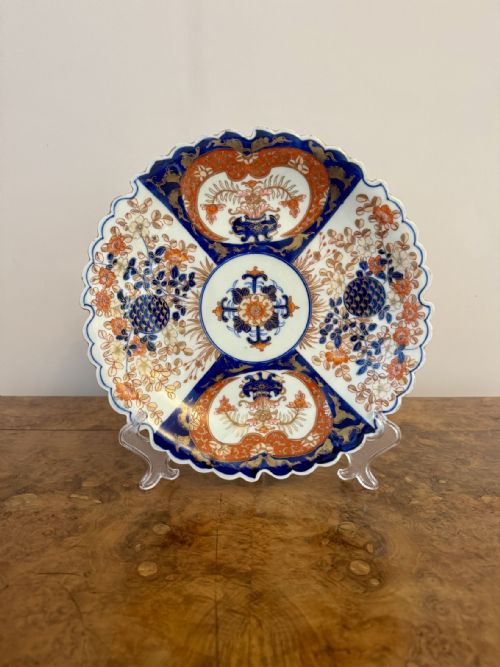
- A decorative plate intended for display in a cabinet rather than for dining use. These pieces often feature detailed hand-painted scenes by named artists.
- Bone china
- A type of soft-paste porcelain incorporating bone ash, developed in England to create a strong, translucent ceramic body. It provides a smooth surface for elaborate enamel and gilt decoration.
Gilt Decorated Porcelain: Frequently Asked Questions
How do I identify eighteenth-century pieces?
Eighteenth-century items often display characteristic body weights, early soft-paste porcelain textures, and hand-painted motifs typical of factories like Derby or Chelsea-Derby. Painters of this era frequently signed or marked their wares discreetly.
Examining the glaze and the style of the gilding helps confirm the period of manufacture before consulting factory records.
What is Satsuma porcelain?
Satsuma refers to Japanese ceramic wares featuring a characteristic crackled ivory glaze decorated with polychrome enamels and extensive gold leaf. These pieces were produced in various studios during the Meiji period.
Many bear signatures of specific artists or studios on the base, indicating their place of origin within Japan.
How should I clean gilt porcelain?
Cleaning requires extreme care to preserve fragile enamel paints and delicate gold leaf applications that can wear away over time. Dusting with a soft, dry brush is generally sufficient for regular maintenance.
Water and harsh detergents should be avoided entirely to protect the historical surface from permanent damage.
Can I use these plates for dining?
Most antique cabinet plates and decorative tea wares are intended for display rather than everyday use. The age of the glaze and the vulnerability of the surface gilding make them unsuitable for modern dining.
Preserving these items involves keeping them secure in appropriate display cabinets or on stable flat surfaces.