
Gilt Cobalt Porcelain
Gilt cobalt porcelain combines rich blue grounds with gleaming metallic accents, offering a striking display of colour and craftsmanship that appeals to collectors.
Gilt Cobalt Porcelain
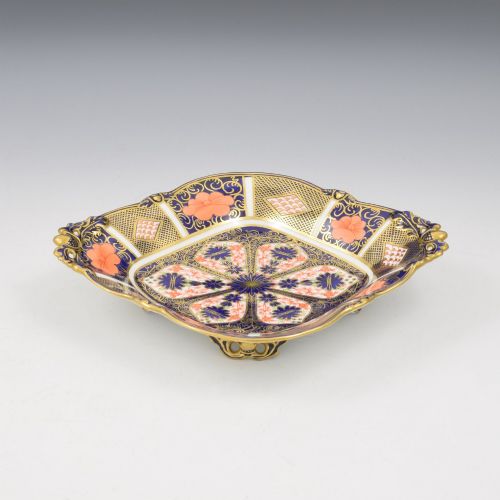
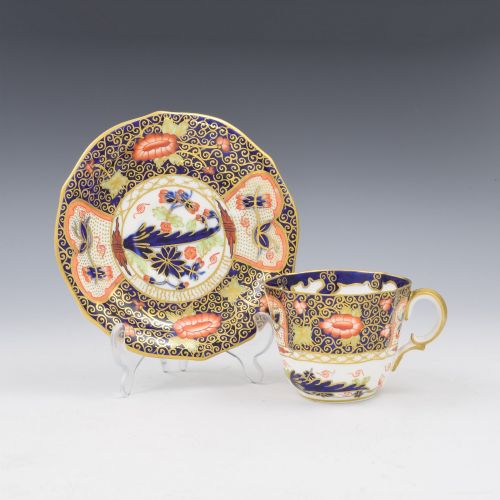
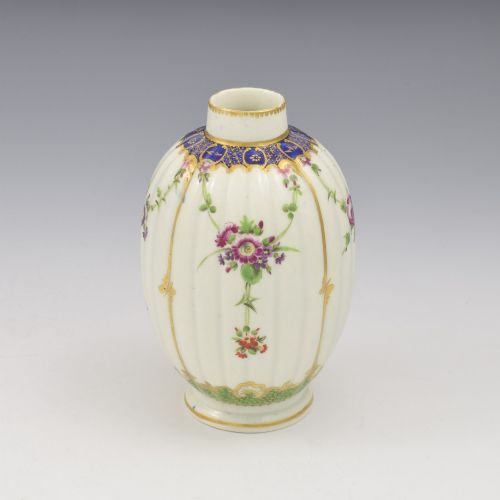
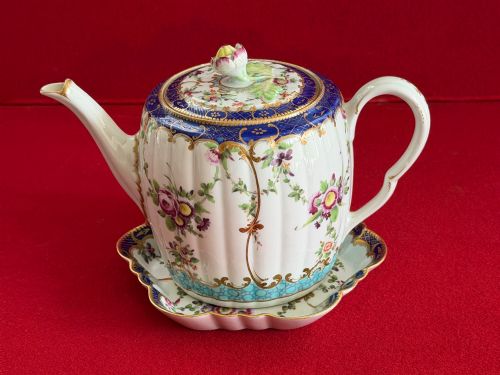
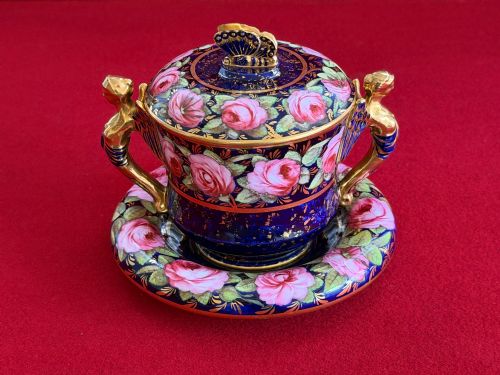
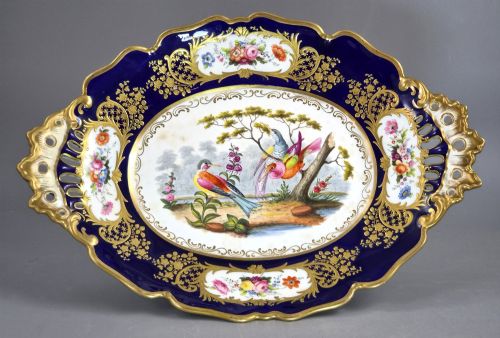
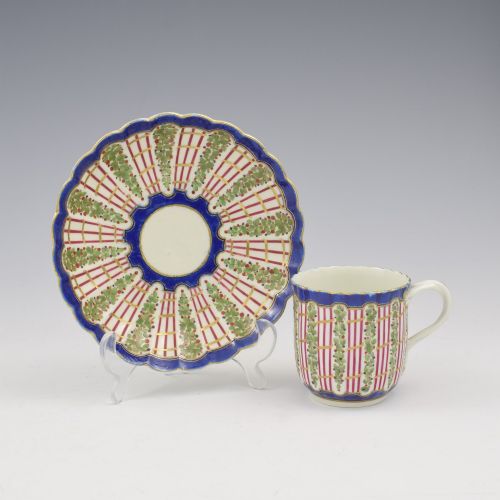
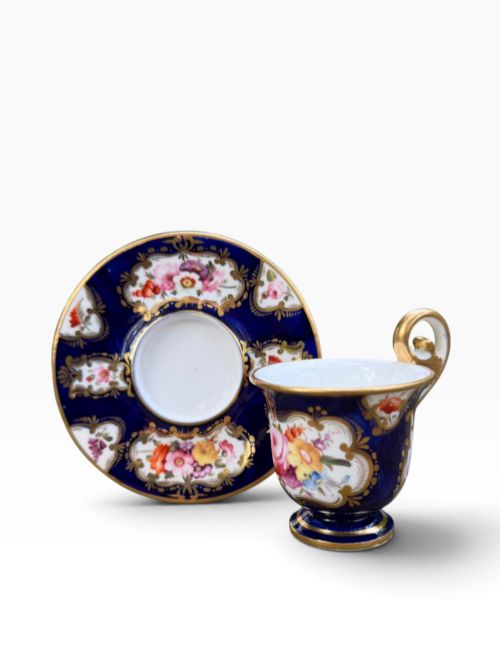
When you search for gilt cobalt porcelain, you encounter a refined class of ceramics defined by deep blue underglaze grounds paired with gold leaf or metallic gilding. The pieces span domestic teaware, cabinet plates, and large decorative vases originating from notable English and continental factories.
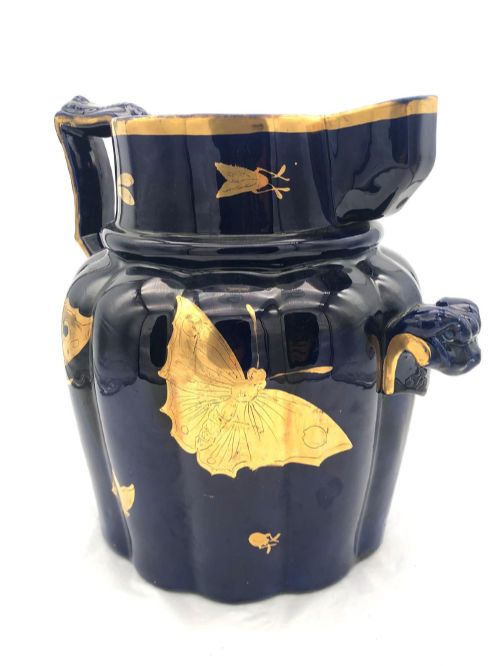
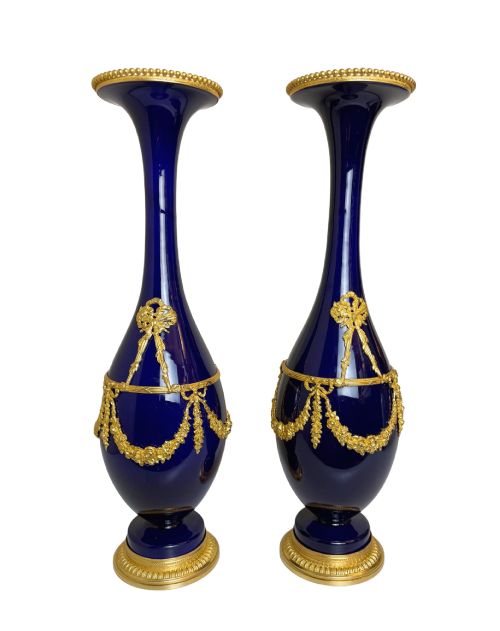
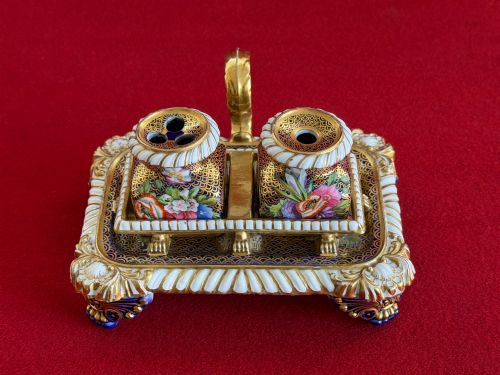
You are most likely to meet 19th-century interpretations, including French Sèvres-style vessels and English wares from Worcester, Coalport, and Derby. These range from functional items like jugs and inkstands to purely decorative jardinières and lamps.
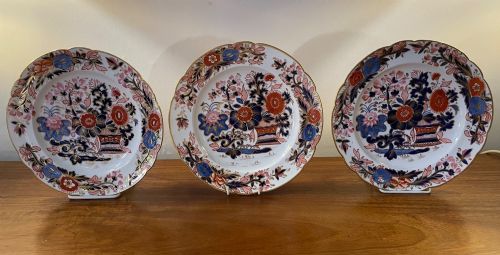
The aesthetic bridges Georgian restraint and Victorian exuberance, frequently incorporating French rococo revival influences or Japanese Imari palettes. Each form demonstrates how historical potteries utilised intense cobalt blue as a dramatic foil for rich surface ornamentation.
Materials and Manufacture
Makers achieved the iconic deep blue ground by applying cobalt oxide to the ceramic body before the glost firing, creating a rich base that absorbed subsequent layers. Overglaze gilding using gold leaf or powdered gold was then applied by hand and fired again to fuse the metal to the glaze.
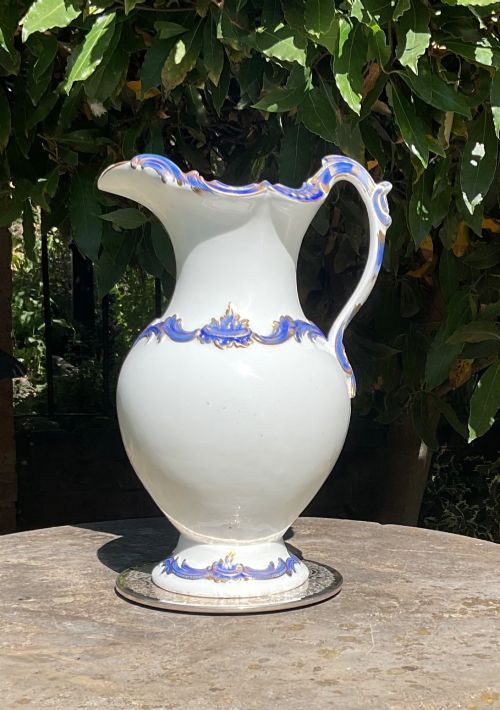
Manufacturers such as Masons and various English potteries also employed ironstone alongside traditional porcelain and bone china to achieve robust forms like octagonal jugs and footbath vessels. Ormolu mounts and gilt bronze trim frequently complemented these ceramic bodies on French lamps and vases.
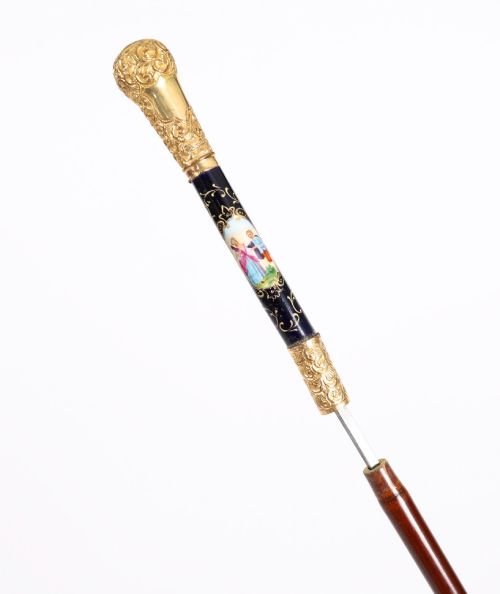
Several items double as walking sticks or secret boxes, proving that historic artisans loved hiding rich cobalt and gold in places you least expect.
Evaluating Quality
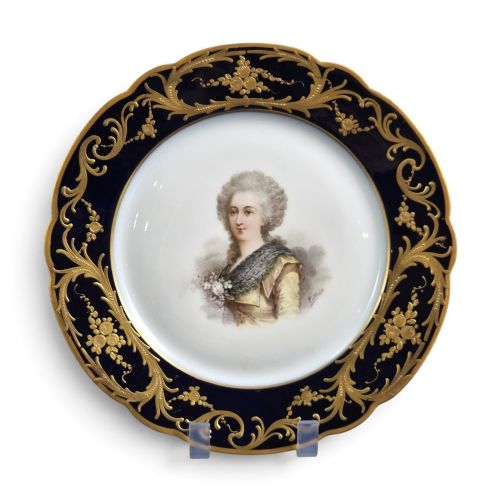
The standard of painting and gilding primarily determines the division between ordinary and exceptional pieces. Hand-painted botanical studies, portraits, and fruit panels by named artists represent the upper tier of production, whereas transfer-printed motifs occupy a simpler grade.
The precision and thickness of the gold leaf application also dictate the value of a piece. Heavy, burnished gilding that retains its brilliance demonstrates superior craftsmanship compared to thin, rubbed metallic paint.
Royal Crown Derby·Spode·Coalport·Mason's Ironstone·Royal Worcester·Chamberlain Worcester·John Davenport of Longport
The Gilt Cobalt Porcelain Glossary
- Cobalt
- A deep blue metallic oxide used as an underglaze colourant on ceramics. It withstands high kiln temperatures without losing its intense hue.
- Gilding
- The application of gold leaf or gold paint to the surface of porcelain. Skilled artisans burnished the metal to achieve a reflective shine.
- Ormolu
- Gilded bronze used for mounts, handles, and bases on decorative porcelain. It provides a heavy, metallic contrast to the ceramic body.
- Imari
- A decorative style featuring cobalt blue and iron red accented with gold. It originated in Japan and heavily influenced European porcelain houses.
Gilt Cobalt Porcelain: Frequently Asked Questions
How do I care for gilt cobalt porcelain?
Wash these items by hand using lukewarm water and a mild detergent. Avoid abrasive sponges that can wear away the delicate gold leaf over time.
Keep pieces away from direct sunlight to preserve the depth of the cobalt blue glaze. Display them safely on stable surfaces away from high-traffic areas.
Can I use these antique vessels for serving food?
Most antique cabinet pieces and teaware are best reserved for display rather than daily dining. Historic glazes may contain materials not rated for modern culinary use.
Thermal shock from hot liquids can also stress older porcelain bodies and crack the glaze. Enjoy them as decorative objects on tables and mantelpieces.
How do I distinguish French from English pieces?
French items often lean towards Sèvres-style aesthetics with portrait medallions and elaborate ormolu mounts. They frequently utilise soft-paste porcelain formulas characteristic of continental workshops.
English examples typically bear factory marks from Worcester, Derby, or Coalport. Their construction often relies on sturdy bone china or ironstone bodies.
What does the Imari palette mean on these ceramics?
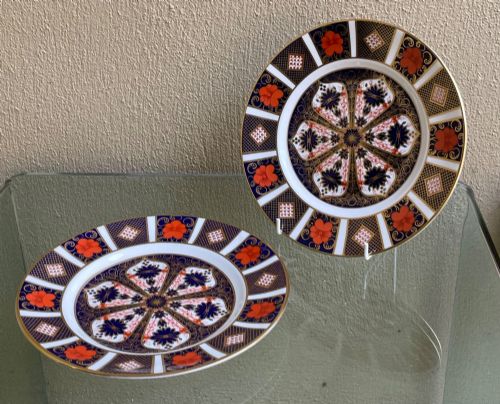
The Imari palette references Japanese export porcelain decorated in cobalt blue and rust red with gold highlights. European potteries enthusiastically adopted this colourful scheme during the Georgian and Victorian eras.
Plates and tea sets decorated in this manner combine oriental motifs with western ceramic shapes. The resulting contrast of red and blue against gold remains instantly recognisable.